

Care Disclaimer: Plant care recommendations are general guidelines based on common growing conditions. Individual results may vary based on your local environment, climate, and care routine. If your plant is toxic, keep it away from children and pets, and consult a veterinarian if accidental ingestion occurs.
1.Grape Ivy — Overview
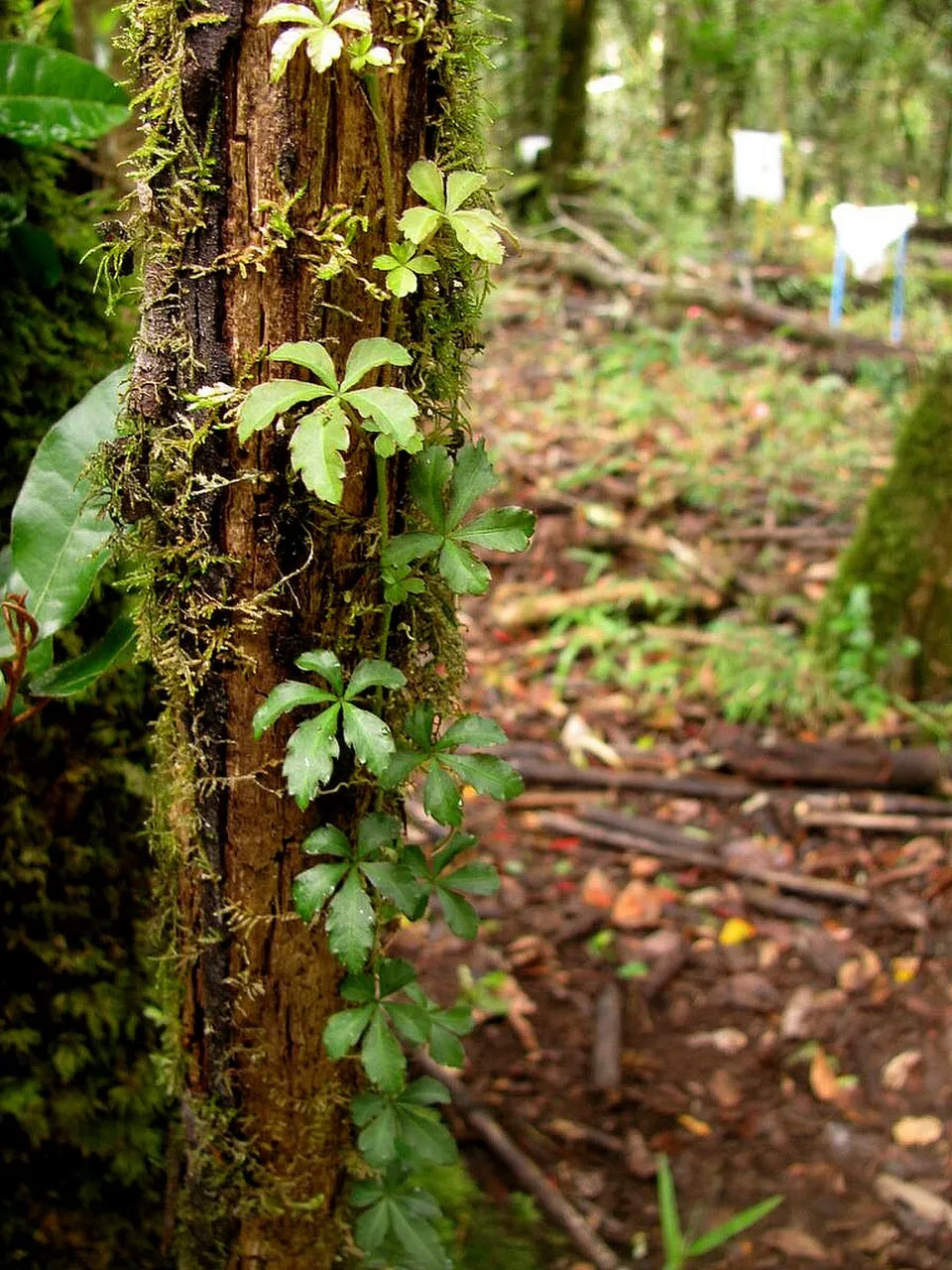
Grape Ivy, scientifically known as Cissus striata, is a captivating evergreen perennial vine belonging to the Vitaceae family, which also includes true grapes. Native to the temperate and subtropical regions of South America, particularly Chile and Argentina, it thrives in environments that mimic its forest understory origins. This robust plant typically reaches an average height of 2 to 3 feet in cultivation, though its vigorous climbing and trailing habit allows it to extend much further when provided with adequate support or allowed to cascade from hanging baskets. Its aesthetic appeal is largely attributed to its distinctive foliage: palmately compound leaves, often with five leaflets, that are glossy, dark green, and somewhat leathery in texture, measuring approximately 3 to 5 inches across.
The margins of these leaflets are typically serrated, adding to their intricate appearance. The stems of Cissus striata are slender, woody, and often display a subtle reddish or purplish tint, contributing to the plant's overall decorative charm. While it does produce small, inconspicuous greenish-white flowers, these are rarely observed in indoor settings. When present, they are clustered in racemes and lack significant fragrance.
Grape Ivy is renowned for its adaptability as an indoor plant, preferring warm, humid conditions and indirect sunlight, making it an excellent choice for enhancing indoor gardens and living spaces with its lush, vibrant greenery. Its natural resilience and attractive form make Cissus striata a popular choice for both novice and experienced plant enthusiasts seeking a low-maintenance yet visually rewarding botanical specimen.
Trusted Scientific References
1. Authoritative external sources for Cissus striata
1.1 Wikipedia — Cissus striata
1.2 Kew POWO (Plants of the World Online)
1.3 PubMed — peer-reviewed research
1.4 NCBI Taxonomy Browser
1.5 GBIF — Global Biodiversity
1.6Grape Ivy should be interpreted through verified botanical identity, practical care, and responsible safety language. This recovery note adds the missing context needed for a complete profile: match light to the plant's habit, use well-drained soil, water according to season, and avoid unsupported medicinal or edible claims. For publishing, the plant can be presented as a source-backed indoor plant with clear care guidance, common problem diagnosis, and conservative safety wording.
1.1.Grape Ivy — Key Features
- ✓ <strong>Botanical Name</strong> — Cissus striata, commonly known as Grape Ivy.
- ✓ <strong>Family Affiliation</strong> — Belongs to the Vitaceae family, related to true grapevines.
- ✓ <strong>Native Range</strong> — Indigenous to temperate and subtropical South America.
- ✓ <strong>Growth Habit</strong> — Vigorous climbing and trailing vine, ideal for hanging baskets or trellises.
- ✓ <strong>Foliage Characteristics</strong> — Features glossy, dark green, palmately compound leaves with serrated margins.
- ✓ <strong>Air Purification</strong> — Contributes to cleaner indoor air by filtering common pollutants.
- ✓ <strong>Low Maintenance</strong> — Relatively easy to care for, making it suitable for various skill levels.
- ✓ <strong>Aesthetic Appeal</strong> — Enhances indoor spaces with its lush, vibrant green foliage and elegant form.
- ✓ <strong>Adaptability</strong> — Thrives in a range of indoor conditions, preferring indirect light and high humidity.
- ✓ <strong>Chemical Profile</strong> — Rich in flavonoids, phenolic compounds, and other secondary metabolites.
1.2.Grape Ivy — Quick Summary
- ✓ Grape Ivy (Cissus striata) is a South American ornamental vine.
- ✓ Known for lush, glossy green, palmately compound leaves.
- ✓ Primarily used as an indoor air purifier and aesthetic plant.
- ✓ Contains beneficial flavonoids, phenolics, and alkaloids.
- ✓ Requires bright, indirect light and consistent moisture.
- ✓ Generally non-toxic but ingestion is not recommended.
2.Grape Ivy — Scientific Identity
3.Grape Ivy — Quick Facts
4.Grape Ivy — Appearance & Identification
5.Grape Ivy — Native Habitat
6.Grape Ivy — Water Requirements
- ✓ Light Requirements — Prefers bright, indirect light; direct sunlight can scorch its leaves. An east or north-facing window is ideal.
- ✓ Watering Schedule — Water thoroughly when the top inch of soil feels dry. Cissus striata needs approximately 0.8 cups of water every 9 days in a 5-inch pot without direct sunlight.
- ✓ Humidity Needs — Thrives in high humidity. Mist regularly, use a pebble tray, or place near a humidifier to maintain optimal conditions.
- ✓ Soil Composition — Requires a well-draining potting mix. A blend of peat moss, perlite, and pine bark is often recommended to prevent waterlogging.
- ✓ Temperature Range — Prefers warm temperatures between 60-75°F (15-24°C). Avoid sudden temperature fluctuations or cold drafts.
- ✓ Fertilization — Feed with a balanced liquid fertilizer every 2-4 weeks during the growing season (spring and summer). Reduce or cease feeding in fall and winter.
- ✓ Repotting — Repot annually or biennially, or when the plant doubles in size, into a pot one size larger to refresh nutrients and accommodate root growth.
- ✓ Pruning — Prune regularly to maintain shape, encourage bushier growth, and remove any leggy or damaged stems.
Reviewed by the Flora Medical Global Botanical Review Panel
Multi-disciplinary editorial group · Botany · Ethnobotany · Herbal-medicine literature
Who reviewed this: This page was checked by the Flora Medical Global Botanical Review Panel — an in-house editorial group of botany graduates, ethnobotany researchers, and horticulture practitioners who collectively maintain our 7,000+ plant encyclopedia. Meet the team.
Our 4-step verification process
1. Taxonomic verification
Scientific names and synonyms cross-checked against Kew POWO, World Flora Online, and The Plant List.
2. Phytochemical & medicinal cross-reference
Active compounds, traditional uses, and reported activities are cross-referenced with PubMed, USDA Dr. Duke's database, and peer-reviewed ethnobotanical literature.
3. Conservation & distribution check
Distribution, ecology, and conservation status confirmed against GBIF occurrence records and the IUCN Red List.
4. Editorial & safety review
Every entry passes an editorial pass for clarity, originality, and safety notices (toxicity, contraindications, dosage caveats) before publication.
Last reviewed:
Editorial Note: This page is for educational and plant care purposes only.
Written by: Flora Medical Global Editorial Team
Reviewed by: Flora Medical Global Botanical Review Panel
Last Updated: June 15, 2026







Grape Ivy — Comments & Community Reviews
Rate this plant