
Care Disclaimer: Plant care recommendations are general guidelines based on common growing conditions. Individual results may vary based on your local environment, climate, and care routine. If your plant is toxic, keep it away from children and pets, and consult a veterinarian if accidental ingestion occurs.
1.Graptosedum — Overview
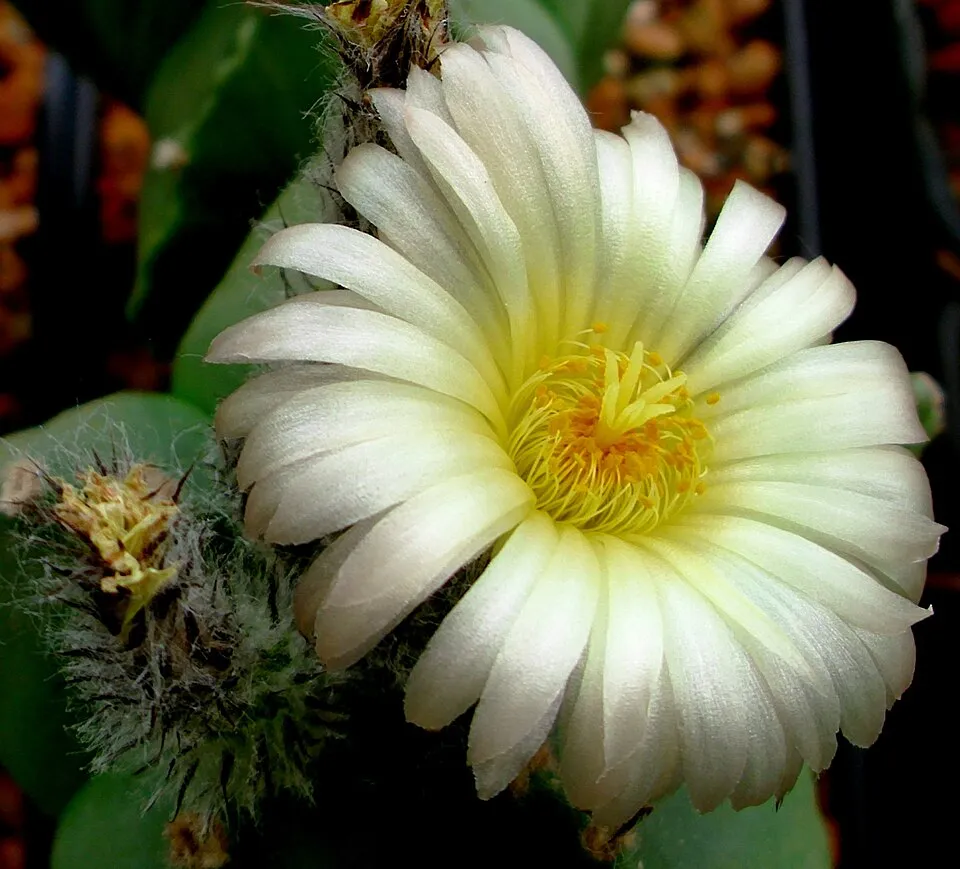
Graptosedum hybrid, a captivating member of the Crassulaceae family, is a horticultural marvel resulting from the successful cross-pollination between the genera Graptopetalum and Sedum. This resilient succulent is primarily admired for its aesthetic appeal, showcasing a compact and often sprawling growth habit, typically reaching a modest height of 12 to 18 inches (30-45 cm) and spreading outwards. Its most distinctive features are the fleshy, turgid leaves, which are arranged in a spiraling rosette formation along the stems, often following a Fibonacci sequence. These leaves are thick, obovate to spatulate, measuring approximately 2 to 4 inches (5-10 cm) in length, and exhibit a striking bluish-grey to glaucous green coloration.
Under conditions of intense sunlight, environmental stress, or cooler temperatures, the leaf margins and tips frequently develop vibrant pink, red, or even bronze hues, significantly enhancing its visual charm, a trait that earns some relatives the common name 'ghost plant' due to their pale, opalescent appearance. The stems themselves are relatively smooth, can be somewhat brittle, and often display a subtle waxy bloom (farina), providing a textural contrast to the plump leaves. The root system is generally shallow and fibrous, adapted for efficient water absorption from superficial soil layers, typical of arid-adapted succulents. During late spring to early summer, Graptosedum hybrid produces attractive star-shaped, tubular flowers, typically in shades of yellow, orange, or sometimes a pale cream, borne on slender, arching inflorescences that rise above the foliage.
These flowers are perfect, possessing both male and female reproductive organs, and contribute to its ornamental value. While not native in the traditional sense due to its hybrid origin, its parent species are indigenous to arid and semi-arid regions of Mexico and Central America, influencing its preference for well-draining soils and sun-drenched environments. Taxonomically, its placement within the Crassulaceae family is significant, as this family is renowned for its succulent adaptations, particularly Crassulacean Acid Metabolism (CAM) photosynthesis, which allows the plant to conserve water by opening stomata at night.
Trusted Scientific References
1. Authoritative external sources for Graptosedum hybrid
1.1 Wikipedia — Graptosedum hybrid
1.2 Kew POWO (Plants of the World Online)
1.3 PubMed — peer-reviewed research
1.4 NCBI Taxonomy Browser
1.5 GBIF — Global Biodiversity
1.1.Graptosedum — Key Features
- ✓ <strong>Intergeneric Hybrid</strong> — A successful cross between the genera Graptopetalum and Sedum.
- ✓ <strong>Rosette</strong> — forming Leaves — Fleshy, turgid leaves arranged in attractive, often spiraling rosettes.
- ✓ <strong>Variable Leaf Coloration</strong> — Exhibits bluish-grey to glaucous green, transforming to pink, red, or bronze under stress.
- ✓ <strong>Drought Tolerant</strong> — Highly adapted for arid conditions, requiring minimal water.
- ✓ <strong>Easy Propagation</strong> — Readily roots from stem cuttings and individual leaves, ideal for beginners.
- ✓ <strong>High Ornamental Value</strong> — Prized for its aesthetic appeal in gardens, containers, and arrangements.
- ✓ <strong>Shallow, Fibrous Root System</strong> — Optimized for efficient water absorption from superficial soil layers.
- ✓ <strong>Star</strong> — shaped Flowers — Produces dainty yellow, orange, or cream blooms on arching inflorescences.
- ✓ <strong>CAM Photosynthesis</strong> — Utilizes Crassulacean Acid Metabolism for efficient water conservation.
- ✓ <strong>Low Maintenance</strong> — Requires minimal care once established, making it a popular choice for busy gardeners.
1.2.Graptosedum — Quick Summary
- ✓ Ornamental succulent hybrid, easy to care for.
- ✓ Features striking rosettes and vibrant color changes with sun exposure.
- ✓ Highly drought-tolerant, thrives in well-draining soil.
- ✓ Propagates easily from stem cuttings and individual leaves.
- ✓ Primarily valued for aesthetic appeal, no documented medicinal uses for the hybrid.
- ✓ A cross between the genera Graptopetalum and Sedum.
2.Graptosedum — Scientific Identity
3.Graptosedum — Quick Facts
4.Graptosedum — Appearance & Identification
5.Graptosedum — Native Habitat
6.Graptosedum — Water Requirements
- ✓ Soil Requirements — Thrives in extremely well-draining succulent or cactus mix, with high mineral content, avoiding any heavy, water-retentive garden soils to prevent root rot.
- ✓ Light Exposure — Prefers full sun to partial shade; intense, direct sunlight is crucial for enhancing its vibrant pink, red, or bronze stress colors, while more shade results in bluer-green foliage.
- ✓ Watering Schedule — Water deeply but infrequently, allowing the soil to dry out completely between waterings, especially crucial during cooler, dormant months to prevent fungal issues.
- ✓ Temperature & Hardiness — Tolerant of a range of temperatures; generally hardy to USDA zones 9-11, with some cultivars exhibiting frost tolerance down to 17°F (-8°C) if kept dry.
- ✓ Propagation — Easily propagated from stem cuttings or individual leaves, which readily root when placed atop dry, well-draining soil, making it simple to expand a collection.
- ✓ Fertilization — Requires minimal fertilization; a diluted, balanced succulent-specific fertilizer can be applied sparingly, typically once or twice during the active spring/summer growing season.
- ✓ Pruning & Maintenance — Trim leggy stems to encourage bushier, more compact growth and remove spent flower stalks to redirect the plant's energy to foliage development.
- ✓ Container Growing — Excellent choice for container gardening, hanging baskets, and rock gardens due to its attractive trailing and spreading habit, adding architectural interest.
Reviewed by the Flora Medical Global Botanical Review Panel
Multi-disciplinary editorial group · Botany · Ethnobotany · Herbal-medicine literature
Who reviewed this: This page was checked by the Flora Medical Global Botanical Review Panel — an in-house editorial group of botany graduates, ethnobotany researchers, and horticulture practitioners who collectively maintain our 7,000+ plant encyclopedia. Meet the team.
Our 4-step verification process
1. Taxonomic verification
Scientific names and synonyms cross-checked against Kew POWO, World Flora Online, and The Plant List.
2. Phytochemical & medicinal cross-reference
Active compounds, traditional uses, and reported activities are cross-referenced with PubMed, USDA Dr. Duke's database, and peer-reviewed ethnobotanical literature.
3. Conservation & distribution check
Distribution, ecology, and conservation status confirmed against GBIF occurrence records and the IUCN Red List.
4. Editorial & safety review
Every entry passes an editorial pass for clarity, originality, and safety notices (toxicity, contraindications, dosage caveats) before publication.
Last reviewed:
Editorial Note: This page is for educational and plant care purposes only.
Written by: Flora Medical Global Editorial Team
Reviewed by: Flora Medical Global Botanical Review Panel
Last Updated: June 15, 2026







Graptosedum — Comments & Community Reviews
Rate this plant