
Care Disclaimer: Plant care recommendations are general guidelines based on common growing conditions. Individual results may vary based on your local environment, climate, and care routine. If your plant is toxic, keep it away from children and pets, and consult a veterinarian if accidental ingestion occurs.
1.Graptoveria — Overview
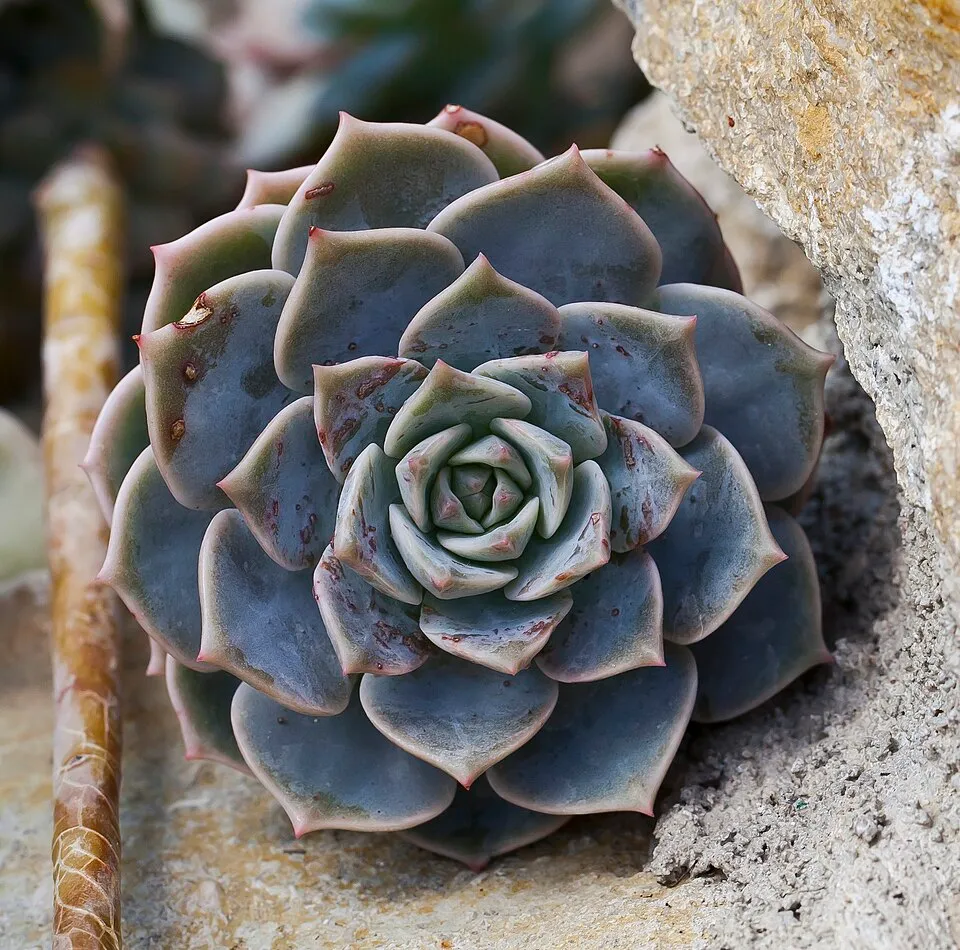
Graptoveria hybrid, a captivating and widely cultivated succulent, is a testament to botanical artistry, resulting from a deliberate intergeneric cross between two popular genera within the Crassulaceae family: Graptopetalum and Echeveria. This fascinating hybrid typically forms compact, aesthetically pleasing rosettes, varying significantly in size from a few centimeters to over 30 centimeters (12 inches) in diameter, depending on the specific cultivar and growing conditions. The morphological characteristics are a delightful blend of its parentage, exhibiting the thick, fleshy leaves common to both. These leaves are often spoon-shaped or spatulate, sometimes slightly elongated or pointed, and are notable for their impressive water storage capabilities, a hallmark of succulent plants. The color palette of Graptoveria is exceptionally diverse and dynamic, ranging from subtle pale greens and blues to vibrant lavenders, pinks, oranges, and even deep reds, frequently blushing with more intense hues under adequate sunlight exposure.
Many varieties display a powdery farina (epicuticular wax) on their leaves, providing a protective layer and contributing to their pastel appearance. The stem of Graptoveria is generally short, stout, and can be either smooth and green when young, gradually becoming more woody and brownish with age, particularly in larger or older specimens. It is typically unbranched or sparsely branched, with the rosettes forming at the apex. The root system is fibrous and shallow, adapted to quickly absorb intermittent rainfall and to anchor the plant in well-draining, often rocky or sandy substrates. While not extensively documented for wild habitats due to its hybrid nature, its parent genera are predominantly native to arid and semi-arid regions of Mexico and Central America, influencing Graptoveria’s preference for similar dry, sunny conditions.
Flowering in Graptoveria occurs on slender, often arching stalks (inflorescences) that emerge from the leaf axils, extending above the rosette and bearing small, star-shaped flowers, typically in shades of yellow, white, or pink, often with contrasting markings. These blooms, while delicate, add another layer of charm to these resilient plants, though their primary appeal remains their foliage. Trusted Scientific References Authoritative external sources for Graptoveria hybrid : Wikipedia — Graptoveria hybrid Kew POWO (Plants of the World Online) PubMed — peer-reviewed research NCBI Taxonomy Browser ...[CURRENT TEXT EXISTS: 2526 chars]
1.1.Graptoveria — Key Features
- ✓ <strong>Intergeneric Hybrid</strong> — A unique cross between Graptopetalum and Echeveria genera.
- ✓ <strong>Rosette Growth Habit</strong> — Forms attractive, compact rosettes of fleshy leaves.
- ✓ <strong>Diverse Leaf Colors</strong> — Exhibits a wide spectrum of colors, often changing with light exposure.
- ✓ <strong>Fleshy, Succulent Leaves</strong> — Thick leaves designed for efficient water storage.
- ✓ <strong>Low Water Requirement</strong> — Highly drought-tolerant, adapted to infrequent watering.
- ✓ <strong>Bright Light Lover</strong> — Thrives in ample sunlight, which enhances its vibrant coloration.
- ✓ <strong>Easy to Propagate</strong> — Simple to multiply from leaf or stem cuttings.
- ✓ <strong>Ornamental Appeal</strong> — Primarily cultivated for its decorative beauty in homes and gardens.
- ✓ <strong>Farina Presence</strong> — Many varieties feature a powdery epicuticular wax for protection.
- ✓ <strong>Fibrous, Shallow Roots</strong> — Root system adapted for quick absorption and anchorage.
1.2.Graptoveria — Quick Summary
- ✓ Hybrid Origin — A captivating succulent resulting from a cross between Graptopetalum and Echeveria.
- ✓ Ornamental Beauty — Highly valued for its diverse rosette forms and vibrant, dynamic leaf coloration.
- ✓ Low Maintenance — Requires minimal water and thrives in bright light, making it ideal for beginners.
- ✓ Drought Tolerant — Adapted to arid conditions through its fleshy, water-storing leaves.
- ✓ Easy Propagation — Readily reproduces from leaf or stem cuttings, facilitating collection expansion.
- ✓ Non-Medicinal — Primarily an aesthetic plant with no documented traditional or modern medicinal uses.
2.Graptoveria — Scientific Identity
3.Graptoveria — Quick Facts
4.Graptoveria — Appearance & Identification
5.Graptoveria — Native Habitat
6.Graptoveria — Water Requirements
- ✓ Light — Provide abundant bright, indirect to direct sunlight; Graptoveria thrives near south-facing windows or outdoors in full sun to partial shade.
- ✓ Water — Water thoroughly but infrequently, allowing the soil to dry out completely between waterings to prevent root rot, typically every 10-14 days depending on environment.
- ✓ Soil — Use a well-draining succulent or cactus potting mix, ideally with added perlite or pumice to ensure excellent aeration and drainage.
- ✓ Temperature — Maintain temperatures between 18-24°C (65-75°F); protect from frost as these plants are not cold-hardy.
- ✓ Nutrients — Fertilize sparingly during the growing season (spring/summer) with a diluted succulent fertilizer, typically once a month or less.
- ✓ Propagation — Easily propagated from leaf cuttings, stem cuttings, or offsets; allow cuttings to callus before planting in dry soil.
- ✓ Repotting — Repot annually or biennially, or when the plant outgrows its container, always using fresh, well-draining soil.
- ✓ Air Circulation — Ensure good air circulation to prevent fungal issues, especially in humid environments.
Reviewed by the Flora Medical Global Botanical Review Panel
Multi-disciplinary editorial group · Botany · Ethnobotany · Herbal-medicine literature
Who reviewed this: This page was checked by the Flora Medical Global Botanical Review Panel — an in-house editorial group of botany graduates, ethnobotany researchers, and horticulture practitioners who collectively maintain our 7,000+ plant encyclopedia. Meet the team.
Our 4-step verification process
1. Taxonomic verification
Scientific names and synonyms cross-checked against Kew POWO, World Flora Online, and The Plant List.
2. Phytochemical & medicinal cross-reference
Active compounds, traditional uses, and reported activities are cross-referenced with PubMed, USDA Dr. Duke's database, and peer-reviewed ethnobotanical literature.
3. Conservation & distribution check
Distribution, ecology, and conservation status confirmed against GBIF occurrence records and the IUCN Red List.
4. Editorial & safety review
Every entry passes an editorial pass for clarity, originality, and safety notices (toxicity, contraindications, dosage caveats) before publication.
Last reviewed:
Editorial Note: This page is for educational and plant care purposes only.
Written by: Flora Medical Global Editorial Team
Reviewed by: Flora Medical Global Botanical Review Panel
Last Updated: June 15, 2026







Graptoveria — Comments & Community Reviews
Rate this plant