
Care Disclaimer: Plant care recommendations are general guidelines based on common growing conditions. Individual results may vary based on your local environment, climate, and care routine. If your plant is toxic, keep it away from children and pets, and consult a veterinarian if accidental ingestion occurs.
1.Heart Fern — Overview
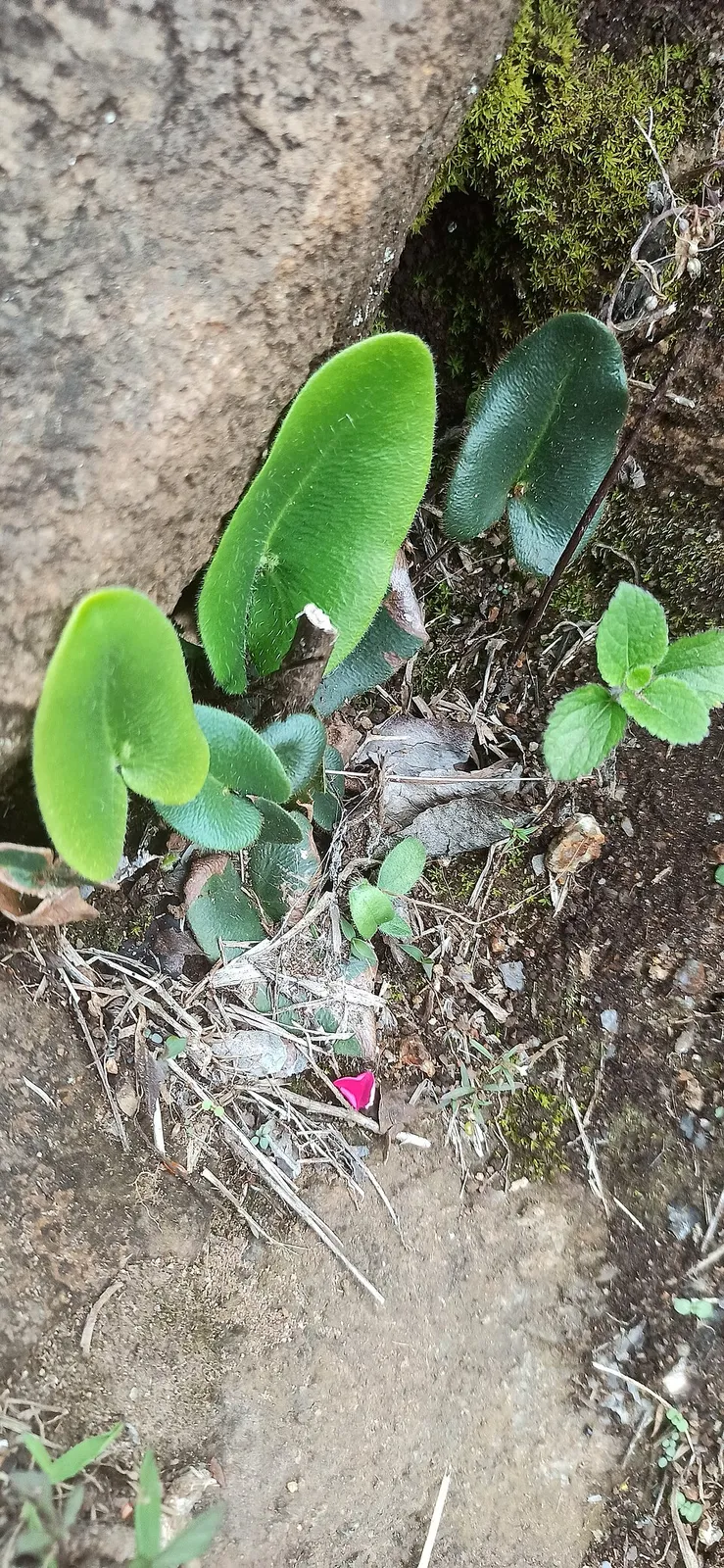
Hemionitis arifolia, popularly known as the Heart Fern or Heart Leaf Fern, is an enchanting tropical fern celebrated for its distinctive heart-shaped fronds. This epiphytic plant typically remains compact, generally reaching a height of 6 to 10 inches, though mature specimens can occasionally extend up to 12 inches under optimal conditions. Its glossy, dark green leaves, which can grow several inches long and wide, feature a deeply cordate (heart-like) base, making them instantly recognizable.
The delicate fronds are supported by slender, often reddish-brown or fuzzy black petioles that provide a striking contrast to the vibrant foliage. Unlike many common houseplants, Heart Ferns reproduce through microscopic spores, which are produced in sori typically found on the undersides of their mature fronds, rather than through flowers or seeds. Native to the humid, shaded understories of tropical forests across regions including Southeast Asia, tropical Africa, and parts of tropical America, Hemionitis arifolia thrives in environments with consistently high moisture and indirect light.
Taxonomically, it is correctly classified within the Pteridaceae family, known for its diverse group of true ferns. Beyond its aesthetic appeal as a popular terrarium or indoor plant, its presence can also contribute to improving indoor air quality, making it a valuable addition to botanical collections.
Trusted Scientific References
1. Authoritative external sources for Hemionitis arifolia
1.1 Wikipedia — Hemionitis arifolia
1.2 Kew POWO (Plants of the World Online)
1.3 PubMed — peer-reviewed research
1.4 NCBI Taxonomy Browser
1.5 GBIF — Global Biodiversity
1.6Heart Fern should be interpreted through verified botanical identity, practical care, and responsible safety language. This recovery note adds the missing context needed for a complete profile: match light to the plant's habit, use well-drained soil, water according to season, and avoid unsupported medicinal or edible claims. For publishing, the plant can be presented as a source-backed indoor plant with clear care guidance, common problem diagnosis, and conservative safety wording.
1.1.Heart Fern — Key Features
- ✓ <strong>Distinctive Heart</strong> — Shaped Fronds — Iconic, glossy, dark green leaves that are perfectly cordate at the base.
- ✓ <strong>Epiphytic Growth Habit</strong> — Naturally grows on other plants or surfaces in its native tropical habitat.
- ✓ <strong>Compact Size</strong> — Typically reaching 6-10 inches, making it suitable for small spaces and terrariums.
- ✓ <strong>Fuzzy Black Petioles</strong> — Contrasting, slender stems that add to its unique aesthetic appeal.
- ✓ <strong>Spore Reproduction</strong> — Reproduces via spores found on the underside of mature fronds, characteristic of ferns.
- ✓ <strong>High Humidity Requirement</strong> — Thrives in environments with 60-90% relative humidity, crucial for its health.
- ✓ <strong>Bright, Indirect Light</strong> — Prefers dappled sunlight conditions, avoiding direct, harsh light.
- ✓ <strong>Traditional Medicinal Uses</strong> — Employed in Ayurvedic and TCM practices for skin and cooling effects.
- ✓ <strong>Ornamental Value</strong> — Highly prized as an attractive indoor plant, especially in terrariums.
- ✓ <strong>Potential Air Purifier</strong> — Contributes to improved indoor air quality, common among many houseplants.
1.2.Heart Fern — Quick Summary
- ✓ Heart Fern (Hemionitis arifolia) is a charming tropical fern with unique heart-shaped fronds.
- ✓ Thrives in high humidity and indirect light, making it ideal for terrariums.
- ✓ Traditionally used in Ayurveda for skin ailments and in TCM for cooling properties.
- ✓ Contains potential beneficial compounds like flavonoids and phenolic acids.
- ✓ Lacks extensive modern clinical research, primarily relies on traditional knowledge.
- ✓ Generally considered non-toxic as an ornamental, but medicinal use requires caution.
2.Heart Fern — Scientific Identity
3.Heart Fern — Quick Facts
4.Heart Fern — Appearance & Identification
5.Heart Fern — Native Habitat
6.Heart Fern — Water Requirements
- ✓ Lighting — Provide bright, indirect light; avoid direct sun exposure which can scorch delicate fronds. An east or north-facing window is ideal, or several feet from a south-facing window.
- ✓ Watering — Maintain consistent, even moisture in the substrate, allowing the topsoil to slightly dry out between waterings. Ensure proper drainage to prevent root rot.
- ✓ Humidity — Requires high humidity (60-90%) to thrive; a terrarium environment is highly recommended for optimal growth and to prevent frond crisping.
- ✓ Substrate — Use a well-draining, chunky, and aerated potting mix, mimicking its epiphytic nature. A blend of coco coir, orchid bark, and worm castings works well.
- ✓ Temperature — Keep temperatures consistently warm, ideally between 60-85°F (15-30°C); avoid drops below 60°F as it can stress the plant.
- ✓ Propagation — Easily propagated by division of the rhizome during repotting; spores are also a natural method but more complex for home growers.
- ✓ Fertilization — Fertilize sparingly during the growing season with a diluted, balanced liquid fertilizer, as ferns are generally not heavy feeders.
- ✓ Pest Management — Regularly inspect for common pests like scale, mealybugs, and aphids; quarantine new plants and treat infestations with organic options like neem oil.
Reviewed by the Flora Medical Global Botanical Review Panel
Multi-disciplinary editorial group · Botany · Ethnobotany · Herbal-medicine literature
Who reviewed this: This page was checked by the Flora Medical Global Botanical Review Panel — an in-house editorial group of botany graduates, ethnobotany researchers, and horticulture practitioners who collectively maintain our 7,000+ plant encyclopedia. Meet the team.
Our 4-step verification process
1. Taxonomic verification
Scientific names and synonyms cross-checked against Kew POWO, World Flora Online, and The Plant List.
2. Phytochemical & medicinal cross-reference
Active compounds, traditional uses, and reported activities are cross-referenced with PubMed, USDA Dr. Duke's database, and peer-reviewed ethnobotanical literature.
3. Conservation & distribution check
Distribution, ecology, and conservation status confirmed against GBIF occurrence records and the IUCN Red List.
4. Editorial & safety review
Every entry passes an editorial pass for clarity, originality, and safety notices (toxicity, contraindications, dosage caveats) before publication.
Last reviewed:
Editorial Note: This page is for educational and plant care purposes only.
Written by: Flora Medical Global Editorial Team
Reviewed by: Flora Medical Global Botanical Review Panel
Last Updated: June 15, 2026







Heart Fern — Comments & Community Reviews
Rate this plant