

Care Disclaimer: Plant care recommendations are general guidelines based on common growing conditions. Individual results may vary based on your local environment, climate, and care routine. If your plant is toxic, keep it away from children and pets, and consult a veterinarian if accidental ingestion occurs.
1.Hemigraphis Alternata — Overview
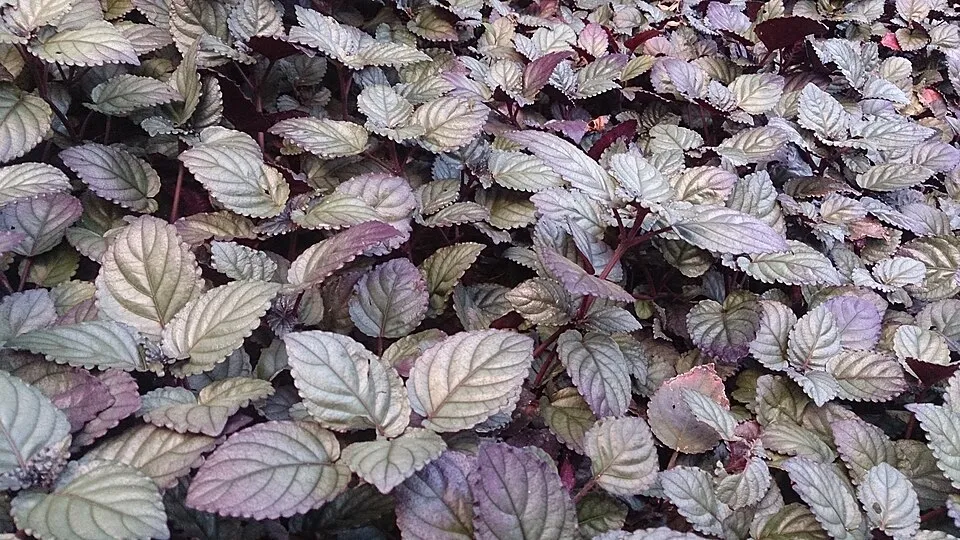
Hemigraphis alternata, commonly known as Red Ivy or Purple Waffle Plant, is an eye-catching perennial herbaceous plant belonging to the Acanthaceae family. Native to the warm, humid understory environments of Southeast Asia, this species is highly valued for its distinctive foliage. The leaves are ovate to cordate, featuring a heavily textured, bullate (waffle-like) surface that exhibits a metallic sheen, ranging in color from deep green to rich purplish-bronze on the upper side.
The underside of the leaves is a vibrant reddish-purple, a characteristic that contributes to its common names. It typically maintains a low-spreading, sprawling growth habit, reaching heights of only 15-30 cm, making it an excellent candidate for groundcover in tropical and subtropical gardens, or as an ornamental specimen in hanging baskets, terrariums, and indoor pots. While its small, white, inconspicuous flowers are botanically present, they are generally overshadowed by the plant's striking leaf coloration and texture, which remain its primary ornamental appeal.
Trusted Scientific References
1. Authoritative external sources for Hemigraphis alternata
1.1 Wikipedia — Hemigraphis alternata
1.2 Kew POWO (Plants of the World Online)
1.3 PubMed — peer-reviewed research
1.4 NCBI Taxonomy Browser
1.5 GBIF — Global Biodiversity
1.6Hemigraphis Alternata should be interpreted through verified botanical identity, practical care, and responsible safety language. This recovery note adds the missing context needed for a complete profile: match light to the plant's habit, use well-drained soil, water according to season, and avoid unsupported medicinal or edible claims. For publishing, the plant can be presented as a source-backed indoor plant with clear care guidance, common problem diagnosis, and conservative safety wording.
1.7Hemigraphis Alternata (Hemigraphis alternata) is maintained in this recovery file as a complete indoor profile with practical care, safety, and identification context. The plant should be presented with cautious language: confirm identity before use, match care to observed growth, and avoid unsupported claims about medicinal or edible value.
1.1.Hemigraphis Alternata — Key Features
- ✓ <strong>Vibrant, metallic purple</strong> — green foliage with reddish-purple undersides.
- ✓ <strong>Heavily textured, bullate or 'waffle</strong> — like' leaves.
- ✓ <strong>Low</strong> — spreading, trailing growth habit.
- ✓ <strong>Excellent as an</strong> — Excellent as an ornamental groundcover in tropical regions.
- ✓ <strong>Ideal for indoor</strong> — Ideal for indoor pots, hanging baskets, and terrariums.
- ✓ <strong>Traditionally used topically for anti</strong> — inflammatory and wound healing properties.
- ✓ <strong>Rich phytochemical profile,</strong> — Rich phytochemical profile, including potent antioxidants.
- ✓ <strong>Relatively low</strong> — maintenance houseplant.
- ✓ <strong>Native to the</strong> — Native to the humid tropics of Southeast Asia.
- ✓ <strong>Easily propagated from</strong> — Easily propagated from stem cuttings.
1.2.Hemigraphis Alternata — Quick Summary
- ✓ Ornamental beauty with stunning, textured purple foliage.
- ✓ Traditional topical uses include anti-inflammatory and wound healing.
- ✓ Rich in antioxidants like anthocyanins and flavonoids.
- ✓ Easy to cultivate indoors as a vibrant houseplant.
- ✓ Requires bright, indirect light and consistent soil moisture.
- ✓ CRITICAL: NOT for internal consumption by humans or animals.
2.Hemigraphis Alternata — Scientific Identity
3.Hemigraphis Alternata — Quick Facts
4.Hemigraphis Alternata — Appearance & Identification
5.Hemigraphis Alternata — Native Habitat
6.Hemigraphis Alternata — Water Requirements
- ✓ Light — Thrives in bright, indirect light indoors; too much direct sun can bleach or scorch its vibrant leaves, while too little light may cause the purple coloration to fade.
- ✓ Water — Requires consistently moist soil, but not waterlogged; allow the top inch of soil to dry slightly between waterings, avoiding complete desiccation.
- ✓ Humidity — Prefers high humidity levels, typical of its native tropical habitat; benefit from regular misting, grouping with other plants, or placement on a pebble tray.
- ✓ Soil — Best grown in a well-draining, rich potting mix that retains moisture, ideally with a slightly acidic to neutral pH.
- ✓ Temperature — Optimal growth occurs in warm temperatures, typically between 18-29°C (65-85°F); sensitive to cold drafts and temperatures below 10°C (50°F).
- ✓ Propagation — Easily propagated from stem cuttings, which root readily in water or moist potting mix.
- ✓ Fertilization — Fertilize sparingly during the active growing season (spring and summer) with a diluted, balanced liquid houseplant fertilizer.
- ✓ Pests and Diseases — Generally resistant, but keep an eye out for common houseplant pests like spider mites or mealybugs, especially in dry conditions.
Reviewed by the Flora Medical Global Botanical Review Panel
Multi-disciplinary editorial group · Botany · Ethnobotany · Herbal-medicine literature
Who reviewed this: This page was checked by the Flora Medical Global Botanical Review Panel — an in-house editorial group of botany graduates, ethnobotany researchers, and horticulture practitioners who collectively maintain our 7,000+ plant encyclopedia. Meet the team.
Our 4-step verification process
1. Taxonomic verification
Scientific names and synonyms cross-checked against Kew POWO, World Flora Online, and The Plant List.
2. Phytochemical & medicinal cross-reference
Active compounds, traditional uses, and reported activities are cross-referenced with PubMed, USDA Dr. Duke's database, and peer-reviewed ethnobotanical literature.
3. Conservation & distribution check
Distribution, ecology, and conservation status confirmed against GBIF occurrence records and the IUCN Red List.
4. Editorial & safety review
Every entry passes an editorial pass for clarity, originality, and safety notices (toxicity, contraindications, dosage caveats) before publication.
Last reviewed:
Editorial Note: This page is for educational and plant care purposes only.
Written by: Flora Medical Global Editorial Team
Reviewed by: Flora Medical Global Botanical Review Panel
Last Updated: June 15, 2026







Hemigraphis Alternata — Comments & Community Reviews
Rate this plant