
Care Disclaimer: Plant care recommendations are general guidelines based on common growing conditions. Individual results may vary based on your local environment, climate, and care routine. If your plant is toxic, keep it away from children and pets, and consult a veterinarian if accidental ingestion occurs.
1.Hoya Lacunosa — Overview
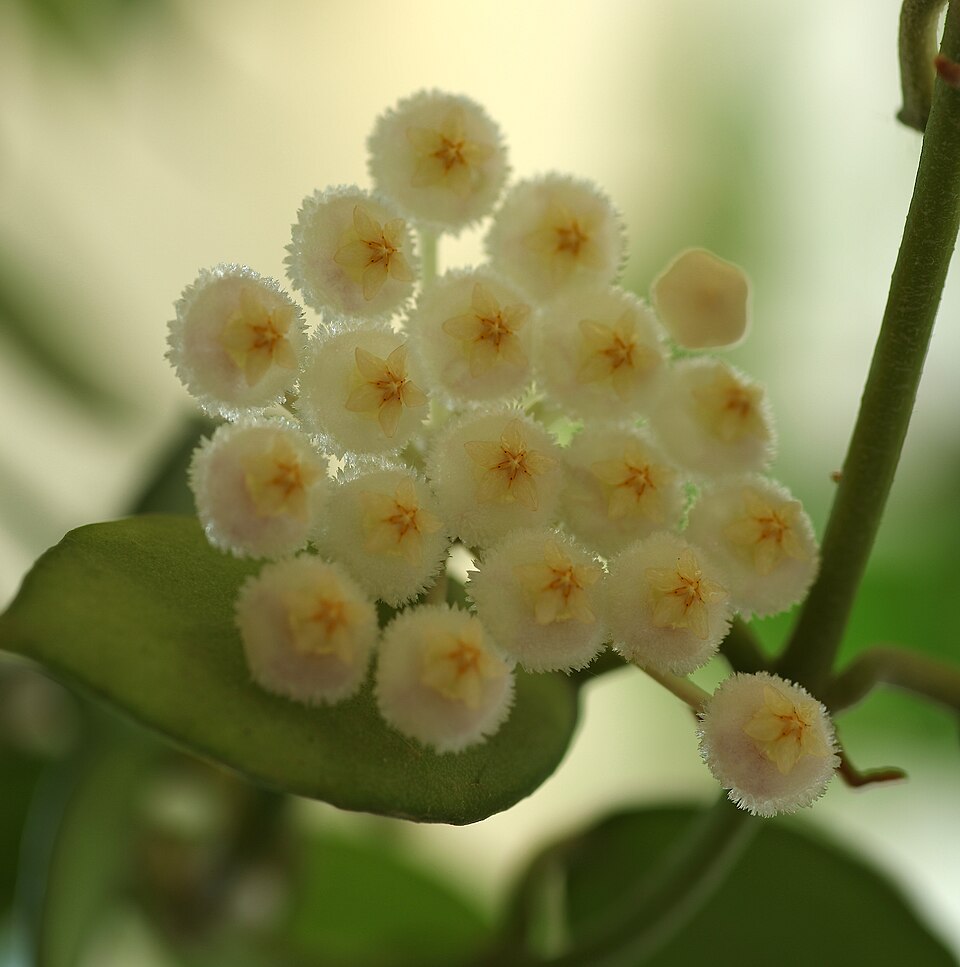
Hoya lacunosa, commonly known as the Cinnamon Hoya or Wax Plant, is a captivating epiphytic or lithophytic species within the diverse Apocynaceae family. Native to the humid, shaded understories of Southeast Asian rainforests, including regions like Thailand, Malaysia, Indonesia, and the Philippines, this plant thrives in environments characterized by consistent moisture and indirect light. It exhibits a graceful vining growth habit, making it an ideal candidate for hanging baskets or training on supports.
The plant's trailing stems are adorned with relatively small, succulent, oval-shaped leaves, typically measuring 2-4 inches in length. These leaves present a glossy, dark green upper surface and a subtly fuzzy underside, arranged oppositely along the stems. Hoya lacunosa is particularly celebrated for its exquisite clusters of star-shaped flowers.
These diminutive blooms, usually white or cream-colored with a waxy texture, emit a distinctively sweet and spicy fragrance, often likened to cinnamon, especially pronounced during evening hours. This enchanting aroma contributes significantly to its appeal as an ornamental plant. Its adaptation to growing on trees or rocks underscores its resilience and unique ecological niche within its native tropical habitats, relying on aerial moisture and organic debris for sustenance.
Trusted Scientific References
1. Authoritative external sources for Hoya lacunosa
1.1 Wikipedia — Hoya lacunosa
1.2 Kew POWO (Plants of the World Online)
1.3 PubMed — peer-reviewed research
1.4 NCBI Taxonomy Browser
1.5 GBIF — Global Biodiversity
1.6Hoya Lacunosa should be interpreted through verified botanical identity, practical care, and responsible safety language. This recovery note adds the missing context needed for a complete profile: match light to the plant's habit, use well-drained soil, water according to season, and avoid unsupported medicinal or edible claims. For publishing, the plant can be presented as a source-backed indoor plant with clear care guidance, common problem diagnosis, and conservative safety wording.
1.1.Hoya Lacunosa — Key Features
- ✓ <strong>Common Name</strong> — Cinnamon Hoya, Wax Plant.
- ✓ <strong>Botanical Classification</strong> — Species within the Apocynaceae family.
- ✓ <strong>Native Habitat</strong> — Tropical rainforests of Southeast Asia, growing as an epiphyte or lithophyte.
- ✓ <strong>Foliage</strong> — Small, succulent, oval-shaped dark green leaves with a glossy appearance.
- ✓ <strong>Flowers</strong> — Clusters of small, star-shaped, white or cream-colored, waxy blooms.
- ✓ <strong>Fragrance</strong> — Emits a strong, sweet, cinnamon-like scent, especially at night.
- ✓ <strong>Growth Habit</strong> — Vining and trailing, suitable for hanging baskets or climbing.
- ✓ <strong>Ornamental Value</strong> — Highly prized as a houseplant for its aesthetic appeal and fragrant flowers.
- ✓ <strong>Chemical Profile</strong> — Rich in triterpenoids, flavonoids, and phenolic compounds.
- ✓ <strong>Medicinal Status</strong> — Limited scientific evidence for specific medicinal benefits, primarily ornamental.
1.2.Hoya Lacunosa — Quick Summary
- ✓ Hoya lacunosa is an ornamental, epiphytic wax plant from Southeast Asia.
- ✓ Renowned for its small, star-shaped, cinnamon-scented flowers.
- ✓ Primarily cultivated for its beauty; limited robust medicinal evidence for this specific species.
- ✓ Contains triterpenoids, flavonoids, and phenolic compounds with potential bioactivities.
- ✓ Requires bright, indirect light, high humidity, and well-draining soil for optimal growth.
- ✓ Generally considered low toxicity, but sap may cause mild skin irritation.
2.Hoya Lacunosa — Scientific Identity
3.Hoya Lacunosa — Quick Facts
4.Hoya Lacunosa — Appearance & Identification
5.Hoya Lacunosa — Native Habitat
6.Hoya Lacunosa — Water Requirements
- ✓ Light — Provide bright, indirect light; avoid harsh direct sun to prevent leaf scorch, especially afternoon sun.
- ✓ Water — Allow the top several inches of soil to dry out between waterings; water thoroughly until drainage occurs, reducing frequency in cooler months.
- ✓ Soil — Use a well-draining, airy substrate, such as an orchid mix blend with perlite, coco coir, or peat moss to prevent root rot.
- ✓ Humidity — Prefers high humidity (60-80%); supplement with a humidifier or pebble tray for optimal growth and flowering.
- ✓ Temperature — Maintain consistent temperatures between 65-80°F (18-27°C); protect from cold drafts and temperatures below 50°F (10°C).
- ✓ Fertilization — Feed sparingly during the growing season (spring/summer) with a balanced, diluted liquid fertilizer; reduce or cease in fall and winter.
- ✓ Potting — Best grown in hanging baskets or trained to climb on a trellis or moss pole due to its vining habit; repot only when significantly root-bound.
- ✓ Pruning — Light pruning can encourage bushier growth, but avoid cutting off flower peduncles as new blooms can emerge from the same site.
Reviewed by the Flora Medical Global Botanical Review Panel
Multi-disciplinary editorial group · Botany · Ethnobotany · Herbal-medicine literature
Who reviewed this: This page was checked by the Flora Medical Global Botanical Review Panel — an in-house editorial group of botany graduates, ethnobotany researchers, and horticulture practitioners who collectively maintain our 7,000+ plant encyclopedia. Meet the team.
Our 4-step verification process
1. Taxonomic verification
Scientific names and synonyms cross-checked against Kew POWO, World Flora Online, and The Plant List.
2. Phytochemical & medicinal cross-reference
Active compounds, traditional uses, and reported activities are cross-referenced with PubMed, USDA Dr. Duke's database, and peer-reviewed ethnobotanical literature.
3. Conservation & distribution check
Distribution, ecology, and conservation status confirmed against GBIF occurrence records and the IUCN Red List.
4. Editorial & safety review
Every entry passes an editorial pass for clarity, originality, and safety notices (toxicity, contraindications, dosage caveats) before publication.
Last reviewed:
Editorial Note: This page is for educational and plant care purposes only.
Written by: Flora Medical Global Editorial Team
Reviewed by: Flora Medical Global Botanical Review Panel
Last Updated: June 15, 2026







Hoya Lacunosa — Comments & Community Reviews
Rate this plant