
Care Disclaimer: Plant care recommendations are general guidelines based on common growing conditions. Individual results may vary based on your local environment, climate, and care routine. If your plant is toxic, keep it away from children and pets, and consult a veterinarian if accidental ingestion occurs.
1.Iresine Herbstii — Overview
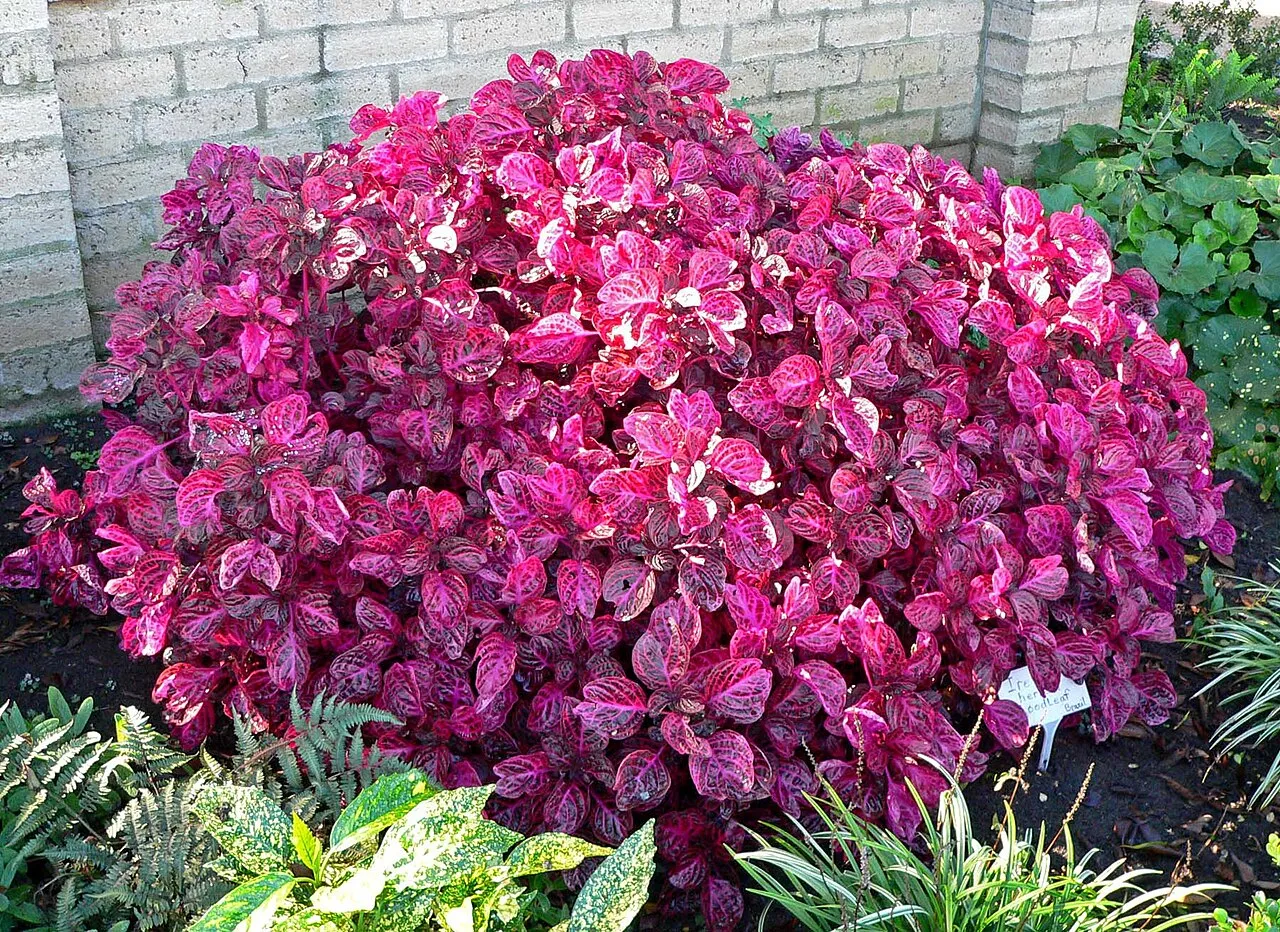
Iresine herbstii, commonly known as Bloodleaf, Chicken Gizzard Plant, or Beefsteak Plant, is a striking herbaceous perennial belonging to the Amaranthaceae family. Native to the tropical rainforests of Brazil, this species is primarily cultivated for its vibrant foliage rather than its inconspicuous greenish-white flowers.
The plant typically features ovate to cordate leaves, often reaching 4 inches in length, with a rich, deep crimson or purple coloration often accentuated by prominent, contrasting neon pink or bright red venation. Some cultivars exhibit shades of green, yellow, or lime with similar vivid veins.
In its natural habitat, Iresine herbstii can grow as a bushy shrub, reaching up to 5 feet tall with a 3-foot spread. However, when grown indoors or in cooler climates, it typically remains more compact, usually between 12 to 18 inches in height, making it a popular choice for houseplants, bedding plants, and terrariums. Its vigorous growth habit and ease of propagation contribute to its widespread ornamental appeal.
The taxonomy places it within the genus Iresine, which encompasses approximately 30 species, all predominantly from South America. The brilliant coloration is attributed to a high concentration of betacyanin pigments within its leaves, distinguishing it as a visually captivating addition to any botanical collection.
Trusted Scientific References
1. Authoritative external sources for Iresine herbstii
1.1 Wikipedia — Iresine herbstii
1.2 Kew POWO (Plants of the World Online)
1.3 PubMed — peer-reviewed research
1.4 NCBI Taxonomy Browser
1.5 GBIF — Global Biodiversity
1.6Iresine Herbstii should be interpreted through verified botanical identity, practical care, and responsible safety language. This recovery note adds the missing context needed for a complete profile: match light to the plant's habit, use well-drained soil, water according to season, and avoid unsupported medicinal or edible claims. For publishing, the plant can be presented as a source-backed indoor plant with clear care guidance, common problem diagnosis, and conservative safety wording.
1.1.Iresine Herbstii — Key Features
- ✓ <strong>Striking Foliage</strong> — Deep crimson, purple, or green leaves with prominent neon pink/red venation.
- ✓ <strong>Ornamental Value</strong> — Highly prized for its decorative appeal in gardens and indoor settings.
- ✓ <strong>Tropical Origin</strong> — Native to the rainforests of Brazil, thriving in warm, humid conditions.
- ✓ <strong>Fast Grower</strong> — Exhibits rapid growth, quickly filling out spaces in terrariums or pots.
- ✓ <strong>Easy Propagation</strong> — Readily roots from stem cuttings, making it simple to multiply.
- ✓ <strong>Low</strong> — Growing Shrub — Maintains a manageable size, especially indoors (12-18 inches).
- ✓ <strong>Betacyanin Rich</strong> — Contains betacyanin pigments responsible for its vibrant coloration.
- ✓ <strong>Adaptable Lighting</strong> — Tolerates a range from partial shade to bright, indirect light.
- ✓ <strong>High Humidity Lover</strong> — Flourishes in environments with elevated atmospheric moisture.
- ✓ <strong>Amaranthaceae Family</strong> — Belongs to a family known for diverse ornamental and food plants.
1.2.Iresine Herbstii — Quick Summary
- ✓ Iresine herbstii, or Bloodleaf, is a vibrant ornamental plant.
- ✓ Known for its striking red, pink, or purple foliage with contrasting veins.
- ✓ Primarily grown as a houseplant, bedding plant, or in terrariums.
- ✓ Contains betacyanins, contributing to its color and potential antioxidant activity.
- ✓ Anecdotal reports suggest mild anti-inflammatory properties, but scientific research is needed.
- ✓ Easy to cultivate and propagate via stem cuttings, preferring bright, indirect light and high humidity.
2.Iresine Herbstii — Scientific Identity
3.Iresine Herbstii — Quick Facts
4.Iresine Herbstii — Appearance & Identification
5.Iresine Herbstii — Native Habitat
6.Iresine Herbstii — Water Requirements
- ✓ Lighting — Prefers bright, indirect light for optimal color, but can tolerate partial shade or some direct morning sun; too little light leads to legginess.
- ✓ Watering — Requires regular, even moisture; water when the topsoil feels slightly dry, ensuring excellent drainage to prevent root rot.
- ✓ Soil — Thrives in a light, well-draining, fertile potting mix rich in organic matter, such as coco coir blended with perlite, orchid bark, or vermiculite.
- ✓ Humidity — Benefits greatly from medium to high humidity (50-80%), making it ideal for terrariums or grouped with other plants.
- ✓ Temperature — Prefers warm temperatures between 18-27°C (65-80°F); can tolerate lows of 10°C (50°F) but avoids prolonged cold.
- ✓ Propagation — Easily propagated by stem cuttings (4-6 inches, remove lower leaves, root in water or moist soil) or by dividing the root ball.
- ✓ Fertilization — Feed monthly during the growing season with a balanced liquid fertilizer, especially for potted plants, to support its vigorous growth.
- ✓ Pruning — Regular pinching of growing tips promotes bushier growth and enhances foliage coloration, preventing the plant from becoming leggy.
Reviewed by the Flora Medical Global Botanical Review Panel
Multi-disciplinary editorial group · Botany · Ethnobotany · Herbal-medicine literature
Who reviewed this: This page was checked by the Flora Medical Global Botanical Review Panel — an in-house editorial group of botany graduates, ethnobotany researchers, and horticulture practitioners who collectively maintain our 7,000+ plant encyclopedia. Meet the team.
Our 4-step verification process
1. Taxonomic verification
Scientific names and synonyms cross-checked against Kew POWO, World Flora Online, and The Plant List.
2. Phytochemical & medicinal cross-reference
Active compounds, traditional uses, and reported activities are cross-referenced with PubMed, USDA Dr. Duke's database, and peer-reviewed ethnobotanical literature.
3. Conservation & distribution check
Distribution, ecology, and conservation status confirmed against GBIF occurrence records and the IUCN Red List.
4. Editorial & safety review
Every entry passes an editorial pass for clarity, originality, and safety notices (toxicity, contraindications, dosage caveats) before publication.
Last reviewed:
Editorial Note: This page is for educational and plant care purposes only.
Written by: Flora Medical Global Editorial Team
Reviewed by: Flora Medical Global Botanical Review Panel
Last Updated: June 15, 2026







Iresine Herbstii — Comments & Community Reviews
Rate this plant