


Care Disclaimer: Plant care recommendations are general guidelines based on common growing conditions. Individual results may vary based on your local environment, climate, and care routine. If your plant is toxic, keep it away from children and pets, and consult a veterinarian if accidental ingestion occurs.
1.Jasminum Polyanthum — Overview
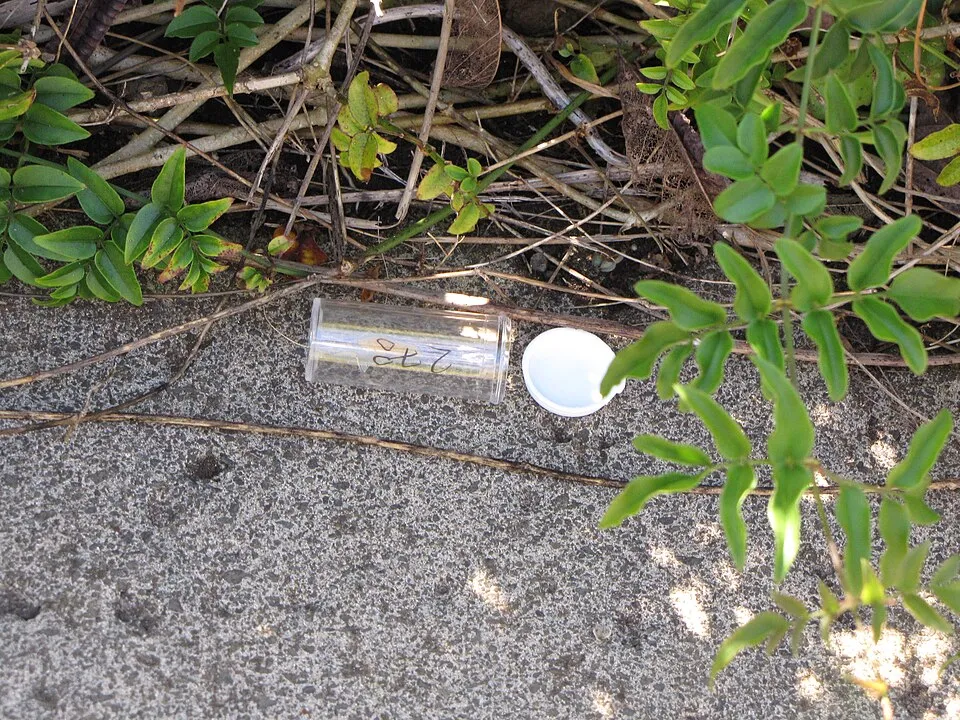
Jasminum polyanthum, widely recognized as pink jasmine or winter jasmine, is an exquisite evergreen climbing shrub belonging to the Oleaceae family. This vigorous vine can ascend to heights of up to 3 meters (10 feet), displaying a graceful, twining or sprawling growth habit. Its stems are slender and flexible when young, gradually becoming woody at the base, with smooth, greenish-brown bark. The foliage consists of glossy, dark green leaves that are pinnately compound, typically comprising 5-7 ovate to lanceolate leaflets, each measuring 4 to 10 cm (1.5 to 4 inches) in length.
The plant is renowned for its prolific display of highly fragrant flowers. From late winter into early spring, it produces an abundance of delicate pink buds that mature into cup-shaped, star-like white flowers, often retaining a pale pink hue on their undersides or outer petals. Each flower measures approximately 2 to 3 cm (0.8 to 1.2 inches) across and features five distinct petals, emitting a rich, sweet, and heady perfume that can fill an entire indoor space or carry lightly through a garden. This intoxicating fragrance is particularly effective at attracting various pollinators, including bees and butterflies.
Native to the subtropical mountainous regions of Southwest China, Jasminum polyanthum thrives in environments characterized by moderate humidity and well-draining soil, preferring cooler temperatures during its blooming period. Its ornamental value, combined with its captivating scent and climbing nature, makes pink jasmine a popular choice for both indoor cultivation and outdoor gardens in suitable climates.
Trusted Scientific References
1. Authoritative external sources for Jasminum polyanthum
1.1 Wikipedia — Jasminum polyanthum
1.2 Kew POWO (Plants of the World Online)
1.3 PubMed — peer-reviewed research
1.4 NCBI Taxonomy Browser
1.5 GBIF — Global Biodiversity
1.6Jasminum Polyanthum should be interpreted through verified botanical identity, practical care, and responsible safety language. This recovery note adds the missing context needed for a complete profile: match light to the plant's habit, use well-drained soil, water according to season, and avoid unsupported medicinal or edible claims. For publishing, the plant can be presented as a source-backed indoor plant with clear care guidance, common problem diagnosis, and conservative safety wording.
1.1.Jasminum Polyanthum — Key Features
- ✓ <strong>Highly fragrant, sweet</strong> — scented flowers.
- ✓ <strong>Abundant pink buds opening to white, star</strong> — shaped blooms.
- ✓ <strong>Vigorous, evergreen climbing</strong> — Vigorous, evergreen climbing or twining shrub.
- ✓ <strong>Glossy, dark green</strong> — Glossy, dark green pinnate foliage.
- ✓ <strong>Native to subtropical</strong> — Native to subtropical regions of Southwest China.
- ✓ <strong>Blooms profusely from</strong> — Blooms profusely from late winter into early spring.
- ✓ <strong>Adaptable for both</strong> — Adaptable for both indoor and outdoor cultivation in suitable climates.
- ✓ <strong>Attracts pollinators like</strong> — Attracts pollinators like bees and butterflies.
- ✓ <strong>Requires a cool</strong> — Requires a cool period in winter to stimulate flowering.
- ✓ <strong>Source of valuable</strong> — Source of valuable essential oils used in perfumery and aromatherapy.
1.2.Jasminum Polyanthum — Quick Summary
- ✓ Jasminum polyanthum, or pink jasmine, is a highly fragrant climbing shrub from Southwest China.
- ✓ Known for its abundant pink buds that open to sweet-scented white flowers in late winter to early spring.
- ✓ Primarily cultivated as an ornamental plant for its exquisite beauty and intoxicating aroma.
- ✓ The Jasminum genus is traditionally recognized for anti-inflammatory, analgesic, and mood-lifting properties, often via aromatherapy.
- ✓ Requires specific light, temperature, and pruning for optimal growth and flowering, especially cool winter conditions.
- ✓ Its essential oil contains key aromatic compounds like benzyl acetate, linalool, and indole, contributing to its distinct scent.
2.Jasminum Polyanthum — Scientific Identity
3.Jasminum Polyanthum — Quick Facts
4.Jasminum Polyanthum — Appearance & Identification
5.Jasminum Polyanthum — Native Habitat
6.Jasminum Polyanthum — Water Requirements
- ✓ Light Requirements — Prefers bright, indirect light indoors; tolerates partial shade. After blooming, it benefits from at least 6 hours of direct sun. Move outdoors gradually in summer.
- ✓ Temperature Control — Requires cooler winter temperatures (10-13°C or 40-50°F at night) for 4-5 weeks in autumn to promote prolific flowering. Normal room temperatures (18-24°C) are suitable during active growth.
- ✓ Watering Schedule — Water thoroughly only when the top half-inch of the potting mix feels dry to the touch, ensuring the plant never sits in soggy soil.
- ✓ Humidity Management — Maintain moderate to high humidity; misting regularly or placing the pot on a pebble tray filled with water can help, especially in dry indoor environments.
- ✓ Soil and Potting Mix — Use a well-draining, fertile potting mix to prevent root rot and support healthy growth.
- ✓ Fertilization Regimen — Fertilize every 2-4 weeks during the active growing season (early spring to early fall) with a half-strength water-soluble houseplant fertilizer, withholding entirely during fall and winter.
- ✓ Pruning Techniques — Prune as needed to control size and shape, but stop pruning by August 1st, as the plant sets flower buds in late summer for winter blooming.
- ✓ Dormancy and Budding — To encourage flower bud formation, ensure the plant experiences cooler autumn temperatures, shorter days, and complete absence of artificial light after sundown before bringing it indoors for winter.
Reviewed by the Flora Medical Global Botanical Review Panel
Multi-disciplinary editorial group · Botany · Ethnobotany · Herbal-medicine literature
Who reviewed this: This page was checked by the Flora Medical Global Botanical Review Panel — an in-house editorial group of botany graduates, ethnobotany researchers, and horticulture practitioners who collectively maintain our 7,000+ plant encyclopedia. Meet the team.
Our 4-step verification process
1. Taxonomic verification
Scientific names and synonyms cross-checked against Kew POWO, World Flora Online, and The Plant List.
2. Phytochemical & medicinal cross-reference
Active compounds, traditional uses, and reported activities are cross-referenced with PubMed, USDA Dr. Duke's database, and peer-reviewed ethnobotanical literature.
3. Conservation & distribution check
Distribution, ecology, and conservation status confirmed against GBIF occurrence records and the IUCN Red List.
4. Editorial & safety review
Every entry passes an editorial pass for clarity, originality, and safety notices (toxicity, contraindications, dosage caveats) before publication.
Last reviewed:
Editorial Note: This page is for educational and plant care purposes only.
Written by: Flora Medical Global Editorial Team
Reviewed by: Flora Medical Global Botanical Review Panel
Last Updated: June 15, 2026







Jasminum Polyanthum — Comments & Community Reviews
Rate this plant