
Care Disclaimer: Plant care recommendations are general guidelines based on common growing conditions. Individual results may vary based on your local environment, climate, and care routine. If your plant is toxic, keep it away from children and pets, and consult a veterinarian if accidental ingestion occurs.
1.Juniper Bonsai — Overview
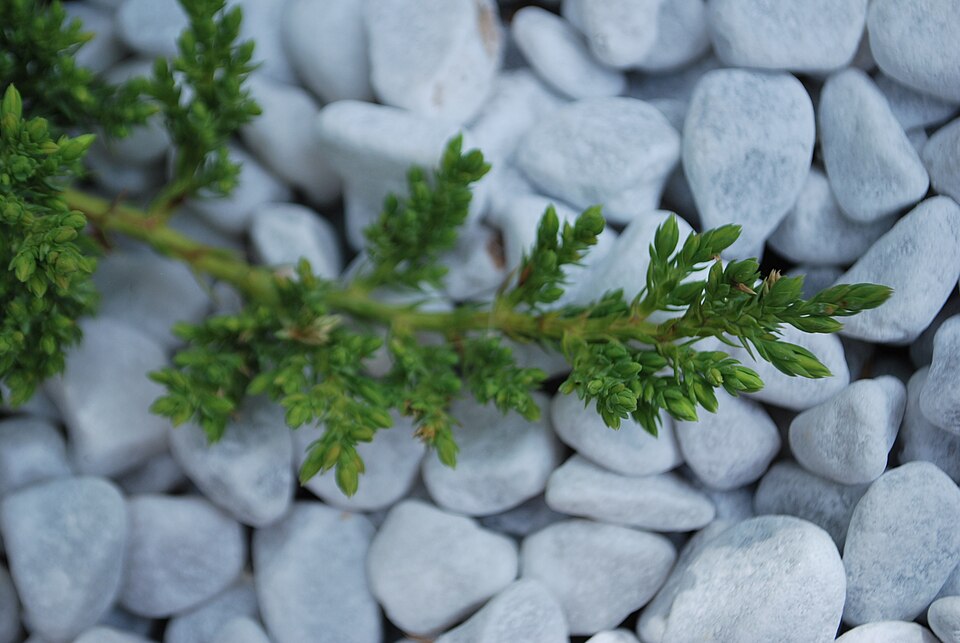
Juniper Bonsai, scientifically known as Juniperus procumbens nana, is a captivating evergreen conifer belonging to the Cupressaceae family. This sprawling shrub typically maintains a compact size, reaching a height of approximately 1 to 3 feet, making it exceptionally well-suited for indoor cultivation and, notably, bonsai artistry. Its distinctive foliage comprises tightly packed, needle-like leaves that present a vibrant spectrum from dark green to a striking blue-green, with seasonal variations in hue.
Each small leaf measures between 0.5 to 1 inch in length, contributing to the plant's lush and dense appearance. The bark offers additional visual interest, characterized by its stringy, shredding texture and a rich reddish-brown coloration. While Juniperus procumbens nana does produce tiny, yellowish-green flowers, they are generally inconspicuous and hold little ornamental value.
The plant's aesthetic appeal is primarily derived from its verdant foliage and the subsequent development of small, blue to dark blue, berry-like cones. Native to Japan, this species thrives in challenging environments, predominantly found in rocky, sandy, and well-drained soils, reflecting its inherent hardiness and resilience. As a popular choice for bonsai enthusiasts, its slow growth rate and natural cascading habit allow for intricate shaping and miniature tree cultivation, adapting well to various indoor settings like living rooms and offices.
Trusted Scientific References
1. Authoritative external sources for Juniperus procumbens nana
1.1 Wikipedia — Juniperus procumbens nana
1.2 Kew POWO (Plants of the World Online)
1.3 PubMed — peer-reviewed research
1.4 NCBI Taxonomy Browser
1.5 GBIF — Global Biodiversity
1.6Juniper Bonsai should be interpreted through verified botanical identity, practical care, and responsible safety language. This recovery note adds the missing context needed for a complete profile: match light to the plant's habit, use well-drained soil, water according to season, and avoid unsupported medicinal or edible claims. For publishing, the plant can be presented as a source-backed indoor plant with clear care guidance, common problem diagnosis, and conservative safety wording.
1.1.Juniper Bonsai — Key Features
- ✓ <strong>Hardy Evergreen Shrub</strong> — Resilient and adaptable, maintaining foliage year-round.
- ✓ <strong>Needle</strong> — like Foliage — Dense, dark green to blue-green leaves, characteristic of the species.
- ✓ <strong>Ornamental Blue Berries</strong> — Produces small, blue to dark blue berry-like cones, adding visual interest.
- ✓ <strong>Ideal for Bonsai Cultivation</strong> — Slow growth rate and natural form make it highly sought after by bonsai enthusiasts.
- ✓ <strong>Traditional Digestive Aid</strong> — Juniper berries historically used to alleviate indigestion and flatulence.
- ✓ <strong>Natural Diuretic Properties</strong> — Essential oil components support urinary health and detoxification.
- ✓ <strong>Antiseptic and Anti</strong> — inflammatory Potential — Compounds in juniper offer antimicrobial and soothing effects.
- ✓ <strong>Unique Cascading Growth Habit</strong> — Often spills over containers, enhancing its aesthetic appeal.
- ✓ <strong>Aromatic Essential Oil</strong> — Distinctive scent from terpenes like alpha-pinene.
- ✓ <strong>Low Maintenance (as a bonsai)</strong> — Once established, requires consistent but manageable care.
1.2.Juniper Bonsai — Quick Summary
- ✓ Juniperus procumbens nana is an ornamental evergreen conifer popular for bonsai cultivation.
- ✓ Traditionally, juniper berries (from the genus) are used for digestive, diuretic, and antiseptic purposes.
- ✓ The plant's essential oil is rich in monoterpenes like alpha-pinene and terpinen-4-ol.
- ✓ Requires outdoor placement, careful watering, and specific pruning for bonsai care.
- ✓ Internal use of juniper berries or essential oil carries significant safety warnings, especially for pregnant individuals and those with kidney issues.
- ✓ Valued for its hardiness, aesthetic appeal, and historical medicinal applications.
2.Juniper Bonsai — Scientific Identity
3.Juniper Bonsai — Quick Facts
4.Juniper Bonsai — Appearance & Identification
5.Juniper Bonsai — Native Habitat
6.Juniper Bonsai — Water Requirements
- ✓ Placement — Position the Juniper Bonsai outdoors year-round in a bright location receiving abundant sunlight; it cannot thrive indoors permanently.
- ✓ Winter Protection — Shield the plant when temperatures consistently drop below 15°F (-10°C), for instance, by moving it into a cold frame or unheated shed.
- ✓ Watering — Water carefully to avoid overwatering; allow the soil to dry slightly between waterings, and mist the foliage regularly to provide beneficial air humidity.
- ✓ Fertilizing — Apply organic fertilizer pellets monthly or a liquid fertilizer weekly during the active growing season, using higher nitrogen levels in spring for robust growth.
- ✓ Pruning — Pinch or cut long shoots to maintain the desired silhouette throughout the growing season, thinning dense foliage pads at the base with sharp scissors.
- ✓ Wiring — Aggressively bend branches for styling, protecting them with raffia or tape; ensure some foliage remains on all branches to prevent dieback.
- ✓ Repotting — Repot the Juniper Bonsai every two years in early spring using a basic, well-draining soil mixture, being careful not to prune the roots too aggressively.
- ✓ Propagation — Propagate new plants from seeds or cuttings, which can be taken from healthy specimens or sourced from nurseries.
Reviewed by the Flora Medical Global Botanical Review Panel
Multi-disciplinary editorial group · Botany · Ethnobotany · Herbal-medicine literature
Who reviewed this: This page was checked by the Flora Medical Global Botanical Review Panel — an in-house editorial group of botany graduates, ethnobotany researchers, and horticulture practitioners who collectively maintain our 7,000+ plant encyclopedia. Meet the team.
Our 4-step verification process
1. Taxonomic verification
Scientific names and synonyms cross-checked against Kew POWO, World Flora Online, and The Plant List.
2. Phytochemical & medicinal cross-reference
Active compounds, traditional uses, and reported activities are cross-referenced with PubMed, USDA Dr. Duke's database, and peer-reviewed ethnobotanical literature.
3. Conservation & distribution check
Distribution, ecology, and conservation status confirmed against GBIF occurrence records and the IUCN Red List.
4. Editorial & safety review
Every entry passes an editorial pass for clarity, originality, and safety notices (toxicity, contraindications, dosage caveats) before publication.
Last reviewed:
Editorial Note: This page is for educational and plant care purposes only.
Written by: Flora Medical Global Editorial Team
Reviewed by: Flora Medical Global Botanical Review Panel
Last Updated: June 15, 2026







Juniper Bonsai — Comments & Community Reviews
Rate this plant