
Care Disclaimer: Plant care recommendations are general guidelines based on common growing conditions. Individual results may vary based on your local environment, climate, and care routine. If your plant is toxic, keep it away from children and pets, and consult a veterinarian if accidental ingestion occurs.
1.Lepismium Bolivianum — Overview
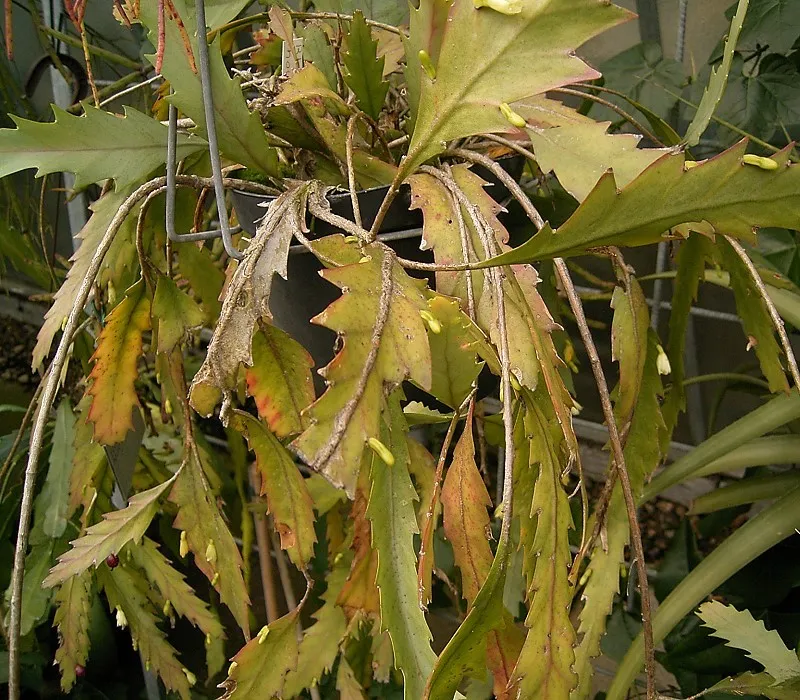
Lepismium bolivianum, often recognized by its synonym Pfeiffera bolivianum, is an intriguing member of the Cactaceae family, native to the semi-arid regions of Bolivia and surrounding territories. This unique succulent exhibits a captivating epiphytic or lithophytic growth habit, thriving on rocky outcrops and within the open canopy of woodlands. Its morphology is characterized by long, trailing, segmented stems that can extend up to a meter in length, creating a stunning cascading effect.
Each stem segment is typically flat, measuring approximately 1.3 to 2.5 cm (0.5 to 1 inch) in width, and features distinctive deep grooves that contribute to its unusual texture and appearance. The stems are vibrant green, and while primarily grown for its striking foliage, Lepismium bolivianum produces delicate, tubular flowers. These blossoms typically emerge in clusters during late spring to early summer, displaying hues of orange or red.
The bark of the mature stem is smooth, gradually becoming slightly woody at the base over time. As a member of the Cactoideae subfamily, it shares botanical affinities with other jungle cacti, distinguishing itself from more arid-adapted terrestrial species. Its adaptability and aesthetic appeal have made it a popular choice for cultivation in tropical and subtropical indoor environments, where it is admired for its unique structure and ease of care.
Trusted Scientific References
1. Authoritative external sources for Lepismium bolivianum
1.1 Wikipedia — Lepismium bolivianum
1.2 Kew POWO (Plants of the World Online)
1.3 PubMed — peer-reviewed research
1.4 NCBI Taxonomy Browser
1.5 GBIF — Global Biodiversity
1.6Lepismium Bolivianum should be interpreted through verified botanical identity, practical care, and responsible safety language. This recovery note adds the missing context needed for a complete profile: match light to the plant's habit, use well-drained soil, water according to season, and avoid unsupported medicinal or edible claims. For publishing, the plant can be presented as a source-backed indoor plant with clear care guidance, common problem diagnosis, and conservative safety wording.
1.1.Lepismium Bolivianum — Key Features
- ✓ <strong>Botanical Name</strong> — Lepismium bolivianum, also known as Pfeiffera bolivianum.
- ✓ <strong>Family</strong> — Belongs to the Cactaceae family, specifically the Cactoideae subfamily.
- ✓ <strong>Growth Habit</strong> — Exhibits an epiphytic or lithophytic growth, with long, trailing, segmented stems.
- ✓ <strong>Foliage</strong> — Characterized by flat, green, deeply grooved stems that create a cascading effect.
- ✓ <strong>Flowers</strong> — Produces delicate, tubular flowers in shades of orange or red, typically blooming in late spring to early summer.
- ✓ <strong>Native Region</strong> — Indigenous to the semi-arid areas of Bolivia and surrounding regions.
- ✓ <strong>Cultivation</strong> — A popular and relatively easy-to-care-for indoor ornamental plant.
- ✓ <strong>Light Preference</strong> — Thrives best in bright, indirect light conditions, avoiding harsh direct sun.
- ✓ <strong>Water Needs</strong> — Requires the soil to dry out significantly between waterings to prevent root rot.
- ✓ <strong>Air Purifier</strong> — Contributes to improved indoor air quality, enhancing the living environment.
1.2.Lepismium Bolivianum — Quick Summary
- ✓ Botanical Name: Lepismium bolivianum (syn. Pfeiffera bolivianum), a unique member of the Cactaceae family.
- ✓ Origin: Native to the semi-arid regions of Bolivia, typically growing as an epiphyte or lithophyte.
- ✓ Appearance: Features long, trailing, flat, segmented green stems with delicate orange or red flowers.
- ✓ Care: Easy to cultivate indoors, preferring bright, indirect light, well-draining soil, and moderate watering.
- ✓ Benefits: Valued for its ornamental beauty, potential contributions to indoor air purification, and calming aesthetic.
- ✓ Safety: Generally considered non-toxic to humans and pets, primarily used for decorative purposes.
2.Lepismium Bolivianum — Scientific Identity
3.Lepismium Bolivianum — Quick Facts
4.Lepismium Bolivianum — Appearance & Identification
5.Lepismium Bolivianum — Native Habitat
6.Lepismium Bolivianum — Water Requirements
- ✓ Light Requirements — Provide bright, indirect light for optimal growth; a north, east, or west-facing window is ideal. Avoid prolonged direct sunlight, which can cause stem scorch and discoloration.
- ✓ Watering Regime — Allow the top half of the soil to dry out completely between waterings. Reduce watering frequency considerably during the autumn and winter months to prevent root rot, as under-watering is generally safer than over-watering.
- ✓ Humidity Control — Average room humidity is usually sufficient, but Lepismium bolivianum thrives in higher humidity. Consider using a pebble tray or a room humidifier, especially in dry environments or near heat sources.
- ✓ Soil & Potting — Plant in a well-draining cactus and succulent potting mix, often amended with additional perlite or pumice to ensure excellent aeration and prevent waterlogging. Repot every 3-4 years into a slightly larger pot with adequate drainage.
- ✓ Temperature Preferences — Maintain ambient temperatures between 10°C (50°F) and 26°C (78°F) year-round. It is sensitive to frost and should be protected from cold drafts.
- ✓ Fertilization — Feed every four waterings during the active growing season (spring and summer) using a balanced 'Houseplant' or 'Cactus' labeled liquid fertilizer. Reduce feeding to every six waterings in the cooler months.
- ✓ Pest Management — Regularly inspect the plant for common pests such as mealybugs and scale insects, particularly in the crevices of the stems. Address any infestations promptly to maintain plant health and vigor.
Reviewed by the Flora Medical Global Botanical Review Panel
Multi-disciplinary editorial group · Botany · Ethnobotany · Herbal-medicine literature
Who reviewed this: This page was checked by the Flora Medical Global Botanical Review Panel — an in-house editorial group of botany graduates, ethnobotany researchers, and horticulture practitioners who collectively maintain our 7,000+ plant encyclopedia. Meet the team.
Our 4-step verification process
1. Taxonomic verification
Scientific names and synonyms cross-checked against Kew POWO, World Flora Online, and The Plant List.
2. Phytochemical & medicinal cross-reference
Active compounds, traditional uses, and reported activities are cross-referenced with PubMed, USDA Dr. Duke's database, and peer-reviewed ethnobotanical literature.
3. Conservation & distribution check
Distribution, ecology, and conservation status confirmed against GBIF occurrence records and the IUCN Red List.
4. Editorial & safety review
Every entry passes an editorial pass for clarity, originality, and safety notices (toxicity, contraindications, dosage caveats) before publication.
Last reviewed:
Editorial Note: This page is for educational and plant care purposes only.
Written by: Flora Medical Global Editorial Team
Reviewed by: Flora Medical Global Botanical Review Panel
Last Updated: June 15, 2026







Lepismium Bolivianum — Comments & Community Reviews
Rate this plant