
Care Disclaimer: Plant care recommendations are general guidelines based on common growing conditions. Individual results may vary based on your local environment, climate, and care routine. If your plant is toxic, keep it away from children and pets, and consult a veterinarian if accidental ingestion occurs.
1.Maranta Kim — Overview
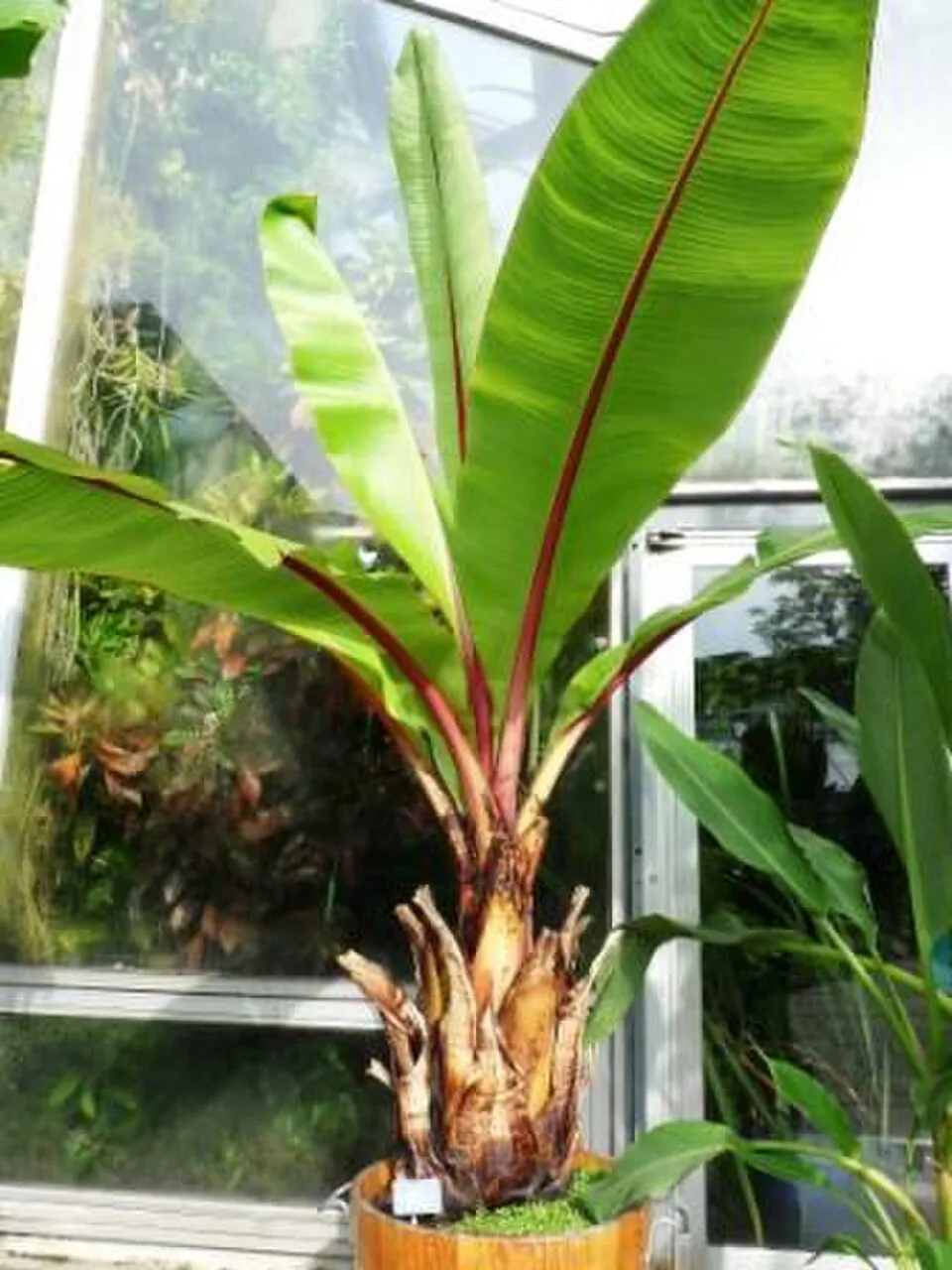
Maranta leuconeura 'Kim', commonly known as the 'Kim' Prayer Plant, is a captivating cultivar within the Marantaceae family, renowned for its striking ornamental foliage. This herbaceous perennial originates from the humid, tropical rainforest understories of Brazil, where it thrives in filtered light and rich, consistently moist soil. The plant typically forms dense clumps, reaching a modest height of 30 to 60 centimeters. Its ovate to elliptic leaves, which can grow up to 15 cm long and 7 cm wide, are alternately arranged and display a unique artistry.
The 'Kim' cultivar is particularly distinguished by its vibrant, irregular dark green blotches and streaks that resemble artistic brushstrokes, set against a lighter green background. The undersides of the leaves are usually a uniform pale green, occasionally exhibiting a subtle reddish tint. A fascinating characteristic of Maranta species, including 'Kim', is nyctinasty—the rhythmic movement of leaves. During the day, the leaves lie flat, maximizing light absorption, but as evening approaches, they fold upwards, resembling hands clasped in prayer.
This physiological adaptation is believed to minimize moisture loss and protect the leaves from cooler night temperatures. Small, often inconspicuous white flowers, sometimes marked with purple or green, may appear on slender stalks in summer, though this is less common in indoor cultivation. Propagation occurs naturally via rhizomes, allowing the plant to spread and form extensive patches in its native environment. Its primary global appeal lies in its decorative value, making it a highly sought-after houseplant for adding a touch of tropical elegance to interior spaces.
Trusted Scientific References
1. Authoritative external sources for Maranta leuconeura Kim
1.1 Wikipedia — Maranta leuconeura Kim
1.2 Kew POWO (Plants of the World Online)
1.3 PubMed — peer-reviewed research
1.4 NCBI Taxonomy Browser
1.5 GBIF — Global Biodiversity
1.6Maranta Kim should be interpreted through verified botanical identity, practical care, and responsible safety language. This recovery note adds the missing context needed for a complete profile: match light to the plant's habit, use well-drained soil, water according to season, and avoid unsupported medicinal or edible claims. For publishing, the plant can be presented as a source-backed indoor plant with clear care guidance, common problem diagnosis, and conservative safety wording.
1.1.Maranta Kim — Key Features
- ✓ <strong>Distinctive Foliage</strong> — Large, irregular dark green blotches and streaks on lighter green leaves.
- ✓ <strong>Nyctinasty</strong> — Leaves fold upwards at night and flatten during the day.
- ✓ <strong>Tropical Origin</strong> — Native to the rainforests of Brazil, adapted to humid, shaded environments.
- ✓ <strong>Low Light Tolerance</strong> — Can thrive in various indirect light conditions, making it versatile for indoor spaces.
- ✓ <strong>Non</strong> — Toxic — Generally safe for homes with children and pets.
- ✓ <strong>Rhizomatous Growth</strong> — Spreads via underground rhizomes, forming clumps.
- ✓ <strong>Moderate Size</strong> — Typically grows 1-2 feet tall, suitable for smaller spaces.
- ✓ <strong>Air Purifying Qualities</strong> — Contributes to indoor air quality, albeit modestly.
- ✓ <strong>Easy Care</strong> — Considered relatively easy-going compared to some other prayer plants.
- ✓ <strong>Cultivar Specificity</strong> — 'Kim' is a specific cultivar of Maranta leuconeura, known for its unique patterns.
1.2.Maranta Kim — Quick Summary
- ✓ 'Kim' Prayer Plant is a stunning ornamental houseplant known for its unique, patterned foliage.
- ✓ Exhibits nyctinasty, with leaves folding upwards at night like hands in prayer.
- ✓ Thrives in bright, indirect light and high humidity, making it ideal for tropical indoor settings.
- ✓ Generally considered non-toxic to humans and pets, popular for its aesthetic appeal.
- ✓ While primarily ornamental, some traditional beliefs suggest mild, localized uses, though not scientifically validated.
- ✓ Requires consistent moisture and well-draining soil for optimal growth and health.
2.Maranta Kim — Scientific Identity
3.Maranta Kim — Quick Facts
4.Maranta Kim — Appearance & Identification
5.Maranta Kim — Native Habitat
6.Maranta Kim — Water Requirements
- ✓ Indirect Light — Thrives in bright, indirect light; direct sunlight can scorch its delicate leaves.
- ✓ Consistent Moisture — Keep potting mix consistently moist but not waterlogged; allow the top inch to dry slightly between waterings.
- ✓ High Humidity — Prefers high humidity; consider a pebble tray, humidifier, or grouping with other plants.
- ✓ Well-Draining Soil — Use a rich, well-aerated potting mix with good drainage to prevent root rot.
- ✓ Tepid Water — Use room temperature, filtered, or rainwater to avoid leaf crisping from hard tap water.
- ✓ Regular Fertilization — Feed monthly during growing season (spring/summer) with a balanced liquid fertilizer diluted to half strength.
- ✓ Pruning for Bushiness — Prune leggy growth to encourage a fuller, bushier plant and remove spent leaves.
- ✓ Repotting Annually — Repot young plants annually to biennially into a slightly larger pot to refresh soil and accommodate growth.
Reviewed by the Flora Medical Global Botanical Review Panel
Multi-disciplinary editorial group · Botany · Ethnobotany · Herbal-medicine literature
Who reviewed this: This page was checked by the Flora Medical Global Botanical Review Panel — an in-house editorial group of botany graduates, ethnobotany researchers, and horticulture practitioners who collectively maintain our 7,000+ plant encyclopedia. Meet the team.
Our 4-step verification process
1. Taxonomic verification
Scientific names and synonyms cross-checked against Kew POWO, World Flora Online, and The Plant List.
2. Phytochemical & medicinal cross-reference
Active compounds, traditional uses, and reported activities are cross-referenced with PubMed, USDA Dr. Duke's database, and peer-reviewed ethnobotanical literature.
3. Conservation & distribution check
Distribution, ecology, and conservation status confirmed against GBIF occurrence records and the IUCN Red List.
4. Editorial & safety review
Every entry passes an editorial pass for clarity, originality, and safety notices (toxicity, contraindications, dosage caveats) before publication.
Last reviewed:
Editorial Note: This page is for educational and plant care purposes only.
Written by: Flora Medical Global Editorial Team
Reviewed by: Flora Medical Global Botanical Review Panel
Last Updated: June 15, 2026







Maranta Kim — Comments & Community Reviews
Rate this plant