
Care Disclaimer: Plant care recommendations are general guidelines based on common growing conditions. Individual results may vary based on your local environment, climate, and care routine. If your plant is toxic, keep it away from children and pets, and consult a veterinarian if accidental ingestion occurs.
1.Microsorum Diversifolium — Overview
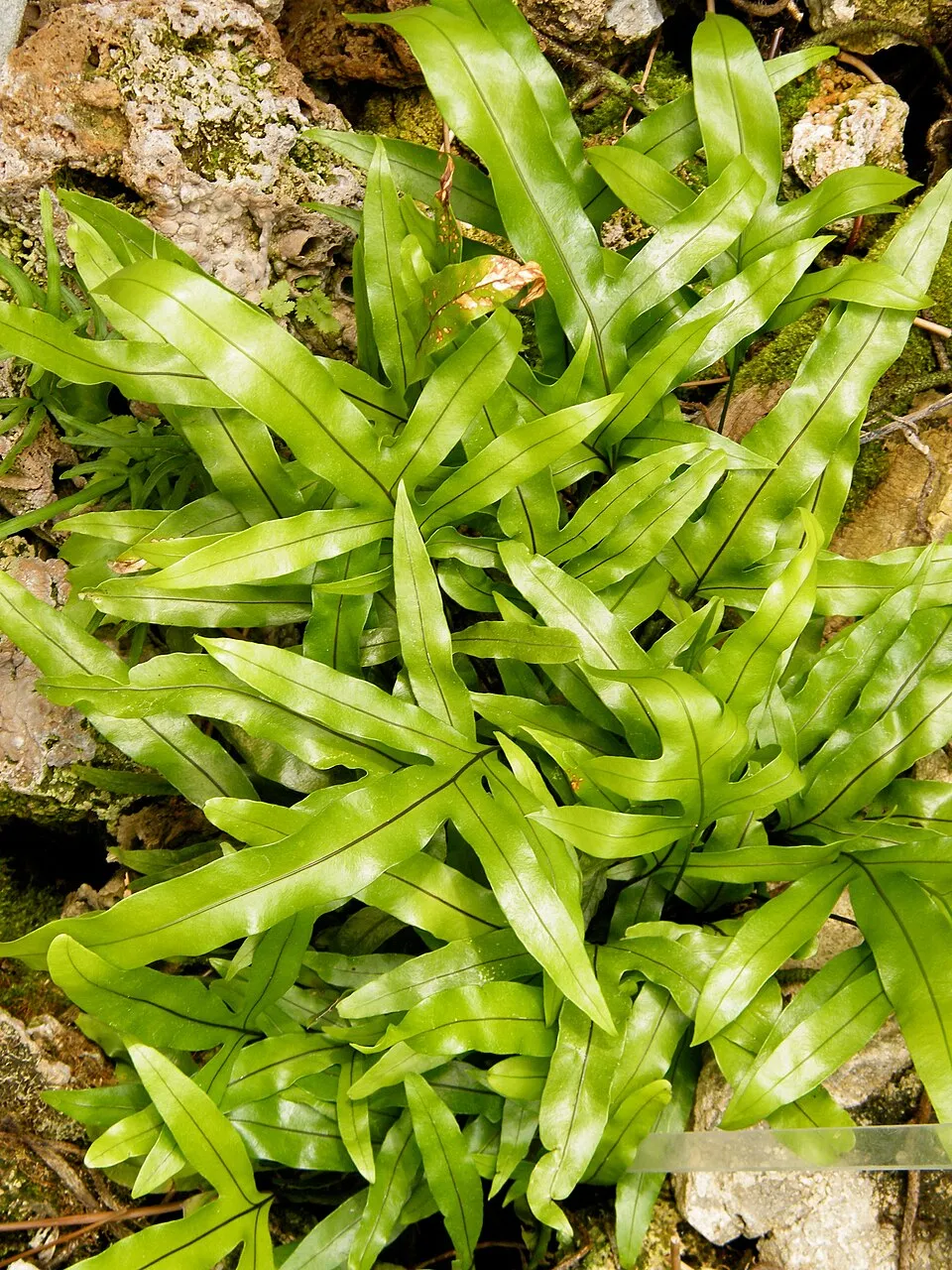
Microsorum diversifolium, commonly known as the Kangaroo Paw Fern, is a distinctive epiphytic fern belonging to the Polypodiaceae family. Native to the lush rainforests of Australia and New Zealand, it naturally thrives on tree trunks and rock faces, absorbing moisture and nutrients from the air and accumulating organic matter. This resilient fern is characterized by its unique, deeply lobed fronds, which can vary in shape from simple, lanceolate forms in young plants to highly dissected, palmate structures in mature specimens, strongly resembling a kangaroo's paw or foot—hence its evocative common name.
The fronds possess a glossy, leathery texture and emerge from thin, creeping, dark green rhizomes that are slightly hairy, providing a striking contrast. Taxonomically, it is closely related to Microsorum pustulatum, with some botanists considering them synonymous or reclassifying them under the genus Zealandia, reflecting ongoing scientific debate. Its adaptability and aesthetic appeal make it a highly favored ornamental plant for indoor environments, where it contributes a vibrant, tropical ambiance with relatively low maintenance requirements.
The plant's ability to tolerate varied light conditions and moderate humidity levels further enhances its appeal to both novice and experienced plant enthusiasts.
Trusted Scientific References
1. Authoritative external sources for Microsorum diversifolium
1.1 Wikipedia — Microsorum diversifolium
1.2 Kew POWO (Plants of the World Online)
1.3 PubMed — peer-reviewed research
1.4 NCBI Taxonomy Browser
1.5 GBIF — Global Biodiversity
1.6Microsorum Diversifolium should be interpreted through verified botanical identity, practical care, and responsible safety language. This recovery note adds the missing context needed for a complete profile: match light to the plant's habit, use well-drained soil, water according to season, and avoid unsupported medicinal or edible claims. For publishing, the plant can be presented as a source-backed indoor plant with clear care guidance, common problem diagnosis, and conservative safety wording.
1.1.Microsorum Diversifolium — Key Features
- ✓ <strong>Common Names</strong> — Kangaroo Paw Fern, Kangaroo Foot Fern, Hound’s Tongue.
- ✓ <strong>Scientific Name</strong> — Microsorum diversifolium (also Microsorum pustulatum, Zealandia pustulata).
- ✓ <strong>Family</strong> — Polypodiaceae, the true fern family.
- ✓ <strong>Native Habitat</strong> — Australia and New Zealand, growing epiphytically or lithophytically.
- ✓ <strong>Growth Habit</strong> — Creeping rhizomes, forming dense mats; adaptable as an indoor plant.
- ✓ <strong>Frond Morphology</strong> — Deeply lobed, glossy, leathery fronds resembling a kangaroo's paw.
- ✓ <strong>Ease of Care</strong> — Highly adaptable and forgiving, making it suitable for beginner plant enthusiasts.
- ✓ <strong>Medicinal Potential</strong> — Under preliminary investigation for antioxidant, anti-inflammatory, and antimicrobial properties.
- ✓ <strong>Key Phytochemicals</strong> — Rich in flavonoids, phenolic acids, and triterpenoids.
- ✓ <strong>Ornamental Value</strong> — Popular for its unique appearance and ability to thrive in various indoor conditions.
1.2.Microsorum Diversifolium — Quick Summary
- ✓ Microsorum diversifolium, or Kangaroo Paw Fern, is an epiphytic fern native to Australia and New Zealand, known for its unique, lobed fronds.
- ✓ Primarily valued as an easy-to-care-for ornamental houseplant, adding a tropical aesthetic to indoor spaces.
- ✓ Contains beneficial phytochemicals like flavonoids, phenolic acids, and triterpenoids, suggesting potential antioxidant and anti-inflammatory properties.
- ✓ While some ferns have traditional medicinal uses, specific research validating medicinal benefits for Kangaroo Paw Fern is limited.
- ✓ Further scientific investigation is crucial to fully understand its pharmacological profile and potential therapeutic applications.
- ✓ Always exercise caution and consult experts before considering any medicinal use of this plant.
2.Microsorum Diversifolium — Scientific Identity
3.Microsorum Diversifolium — Quick Facts
4.Microsorum Diversifolium — Appearance & Identification
5.Microsorum Diversifolium — Native Habitat
6.Microsorum Diversifolium — Water Requirements
- ✓ Light — Prefers bright, indirect light but tolerates lower light conditions; direct, intense sunlight should be avoided to prevent frond scorch.
- ✓ Watering — Keep the growing medium consistently moist but not waterlogged; allow the top inch or two of soil to dry out between waterings.
- ✓ Humidity — Tolerates average indoor humidity but thrives in higher humidity environments; occasional misting or a pebble tray can be beneficial.
- ✓ Temperature — Ideal range is 17°C (62°F) to 25°C (77°F); protect from temperatures below 10°C (50°F) and any frost.
- ✓ Soil/Medium — Use a well-draining, peat-based potting mix, or grow as an epiphyte mounted on bark or wood with sphagnum moss.
- ✓ Feeding — Fertilize sparingly with a balanced liquid houseplant fertilizer at half strength every 2-4 months during the growing season (spring/summer).
- ✓ Repotting — Repot when root-bound, typically every 2-3 years, into a slightly larger pot; gently tease apart compacted roots to encourage new growth.
- ✓ Propagation — Easily propagated by division of its creeping rhizomes; ensure each section has at least a few fronds and a healthy root system.
Reviewed by the Flora Medical Global Botanical Review Panel
Multi-disciplinary editorial group · Botany · Ethnobotany · Herbal-medicine literature
Who reviewed this: This page was checked by the Flora Medical Global Botanical Review Panel — an in-house editorial group of botany graduates, ethnobotany researchers, and horticulture practitioners who collectively maintain our 7,000+ plant encyclopedia. Meet the team.
Our 4-step verification process
1. Taxonomic verification
Scientific names and synonyms cross-checked against Kew POWO, World Flora Online, and The Plant List.
2. Phytochemical & medicinal cross-reference
Active compounds, traditional uses, and reported activities are cross-referenced with PubMed, USDA Dr. Duke's database, and peer-reviewed ethnobotanical literature.
3. Conservation & distribution check
Distribution, ecology, and conservation status confirmed against GBIF occurrence records and the IUCN Red List.
4. Editorial & safety review
Every entry passes an editorial pass for clarity, originality, and safety notices (toxicity, contraindications, dosage caveats) before publication.
Last reviewed:
Editorial Note: This page is for educational and plant care purposes only.
Written by: Flora Medical Global Editorial Team
Reviewed by: Flora Medical Global Botanical Review Panel
Last Updated: June 15, 2026







Microsorum Diversifolium — Comments & Community Reviews
Rate this plant