

Care Disclaimer: Plant care recommendations are general guidelines based on common growing conditions. Individual results may vary based on your local environment, climate, and care routine. If your plant is toxic, keep it away from children and pets, and consult a veterinarian if accidental ingestion occurs.
1.Peperomia Caperata — Overview
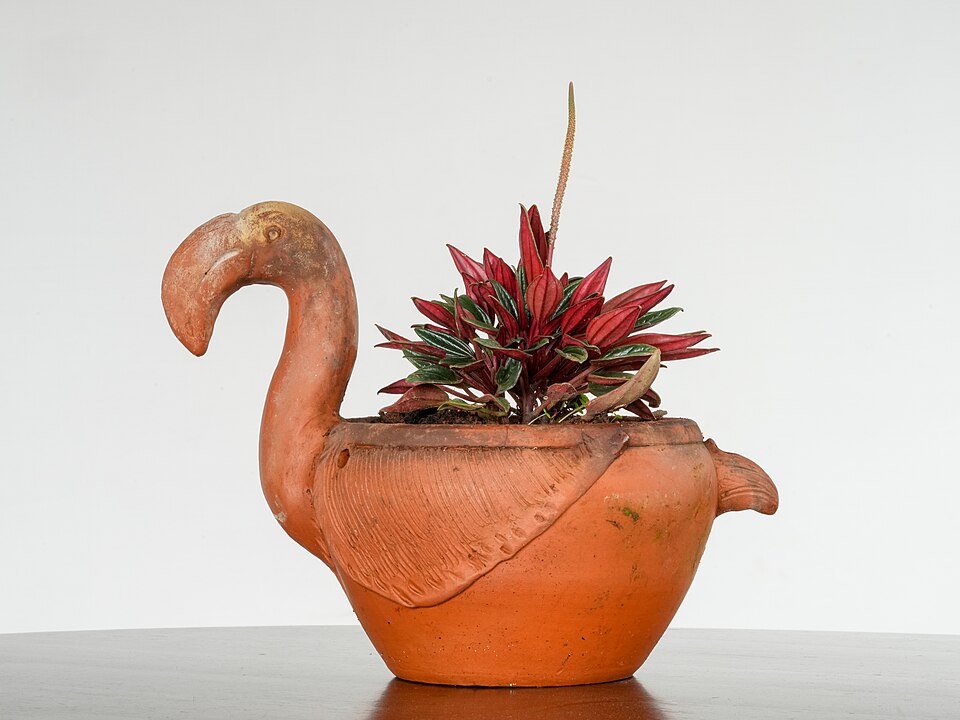
Peperomia caperata, widely recognized as the ripple peperomia or emerald ripple peperomia, is a charming perennial herb celebrated for its striking ornamental foliage and compact growth habit. This species typically forms dense, mounding clumps, reaching a modest height and spread of approximately 10 to 12 inches (25 to 30 cm). The most captivating aspect of Peperomia caperata is its leaves: heart-shaped to broadly ovate, deeply corrugated or 'rippled,' and often measuring up to 3 inches (7.5 cm) in length.
The leaf surface displays a rich, dark green, frequently infused with deep red, purple, or bronze tones, especially along the prominent veins or on the abaxial (underside) surface, creating a vibrant visual contrast. Its texture is distinctly fleshy and succulent, a clear adaptation for water storage. The stems are robust, semi-succulent, and often reddish-brown, branching sparingly from the plant's base.
While primarily cultivated for its leaves, Peperomia caperata produces slender, unassuming, white to greenish-white flower spikes that emerge vertically from the leaf axils, reminiscent of rat tails. These spikes, typically 2 to 5 inches (5 to 12 cm) long, are composed of numerous tiny, sessile, petalless flowers, a hallmark characteristic of the Piperaceae family. The root system is shallow and fibrous, perfectly suited for absorbing moisture and nutrients from the thin organic layers of its natural environment.
Native to the humid understory of tropical rainforests in southeastern Brazil, Peperomia caperata thrives in warm, high-humidity conditions with dappled sunlight. It commonly grows as an epiphyte or lithophyte, attaching itself to tree trunks or rocks, leveraging its succulent nature to endure brief periods of reduced moisture.
This remarkable adaptability, combined with its aesthetic appeal, has propelled its popularity worldwide as an indoor plant, flourishing in typical household climates with appropriate care. Taxonomically, Peperomia caperata is a member of the extensive genus Peperomia, which encompasses over 1,500 species, all belonging to the Piperaceae family.
Trusted Scientific References
1. Authoritative external sources for Peperomia caperata
1.1 Wikipedia — Peperomia caperata
1.2 Kew POWO (Plants of the World Online)
1.3 PubMed — peer-reviewed research
1.4 NCBI Taxonomy Browser
1.5 GBIF — Global Biodiversity
1.1.Peperomia Caperata — Key Features
- ✓ <strong>Botanical Name</strong> — Peperomia caperata
- ✓ <strong>Common Name</strong> — Emerald Ripple Peperomia, Ripple Peperomia
- ✓ <strong>Family</strong> — Piperaceae (Pepper Family)
- ✓ <strong>Foliage</strong> — Deeply corrugated, heart-shaped, fleshy leaves in various shades of green, red, purple, or silver.
- ✓ <strong>Growth Habit</strong> — Compact, mounding perennial herb, typically 8-12 inches (20-30 cm) tall and wide.
- ✓ <strong>Flowers</strong> — Inconspicuous, slender, white to greenish-white 'rat-tail' flower spikes.
- ✓ <strong>Origin</strong> — Native to the understory of tropical rainforests in southeastern Brazil.
- ✓ <strong>Toxicity</strong> — Non-toxic to humans, cats, and dogs.
- ✓ <strong>Cultivation</strong> — Widely cultivated as an indoor houseplant due to its aesthetic appeal and adaptability.
- ✓ <strong>Water Storage</strong> — Succulent leaves indicate water-storing capabilities, allowing for some drought tolerance.
1.2.Peperomia Caperata — Quick Summary
- ✓ Peperomia caperata is a popular ornamental houseplant.
- ✓ Features distinctive, deeply corrugated leaves.
- ✓ Known for its compact size and relatively easy care.
- ✓ Officially recognized as non-toxic to humans and pets.
- ✓ Native to the tropical rainforests of southeastern Brazil.
2.Peperomia Caperata — Scientific Identity
3.Peperomia Caperata — Quick Facts
4.Peperomia Caperata — Appearance & Identification
5.Peperomia Caperata — Native Habitat
6.Peperomia Caperata — Water Requirements
- ✓ Light — Provide bright, indirect light; direct sunlight can scorch its delicate leaves.
- ✓ Soil — Use a well-draining, airy potting mix, such as a succulent or orchid blend, to prevent root rot.
- ✓ Watering — Water thoroughly when the top inch (2.5 cm) of soil feels dry, then allow excess water to drain completely.
- ✓ Temperature — Maintain consistent temperatures between 65-75°F (18-24°C) and avoid cold drafts.
- ✓ Humidity — Prefers moderate to high humidity; consider misting, a pebble tray, or a humidifier.
- ✓ Fertilization — Feed with a diluted, balanced liquid fertilizer monthly during the spring and summer growing season.
- ✓ Pruning — Only prune to remove yellowed or damaged leaves and to maintain its compact, mounding shape.
- ✓ Repotting — Repot every 2-3 years, or when root-bound, into a pot only slightly larger to avoid overwatering.
Reviewed by the Flora Medical Global Botanical Review Panel
Multi-disciplinary editorial group · Botany · Ethnobotany · Herbal-medicine literature
Who reviewed this: This page was checked by the Flora Medical Global Botanical Review Panel — an in-house editorial group of botany graduates, ethnobotany researchers, and horticulture practitioners who collectively maintain our 7,000+ plant encyclopedia. Meet the team.
Our 4-step verification process
1. Taxonomic verification
Scientific names and synonyms cross-checked against Kew POWO, World Flora Online, and The Plant List.
2. Phytochemical & medicinal cross-reference
Active compounds, traditional uses, and reported activities are cross-referenced with PubMed, USDA Dr. Duke's database, and peer-reviewed ethnobotanical literature.
3. Conservation & distribution check
Distribution, ecology, and conservation status confirmed against GBIF occurrence records and the IUCN Red List.
4. Editorial & safety review
Every entry passes an editorial pass for clarity, originality, and safety notices (toxicity, contraindications, dosage caveats) before publication.
Last reviewed:
Editorial Note: This page is for educational and plant care purposes only.
Written by: Flora Medical Global Editorial Team
Reviewed by: Flora Medical Global Botanical Review Panel
Last Updated: June 15, 2026







Peperomia Caperata — Comments & Community Reviews
Rate this plant