
Care Disclaimer: Plant care recommendations are general guidelines based on common growing conditions. Individual results may vary based on your local environment, climate, and care routine. If your plant is toxic, keep it away from children and pets, and consult a veterinarian if accidental ingestion occurs.
1.Philodendron Pink Princess Alt — Overview
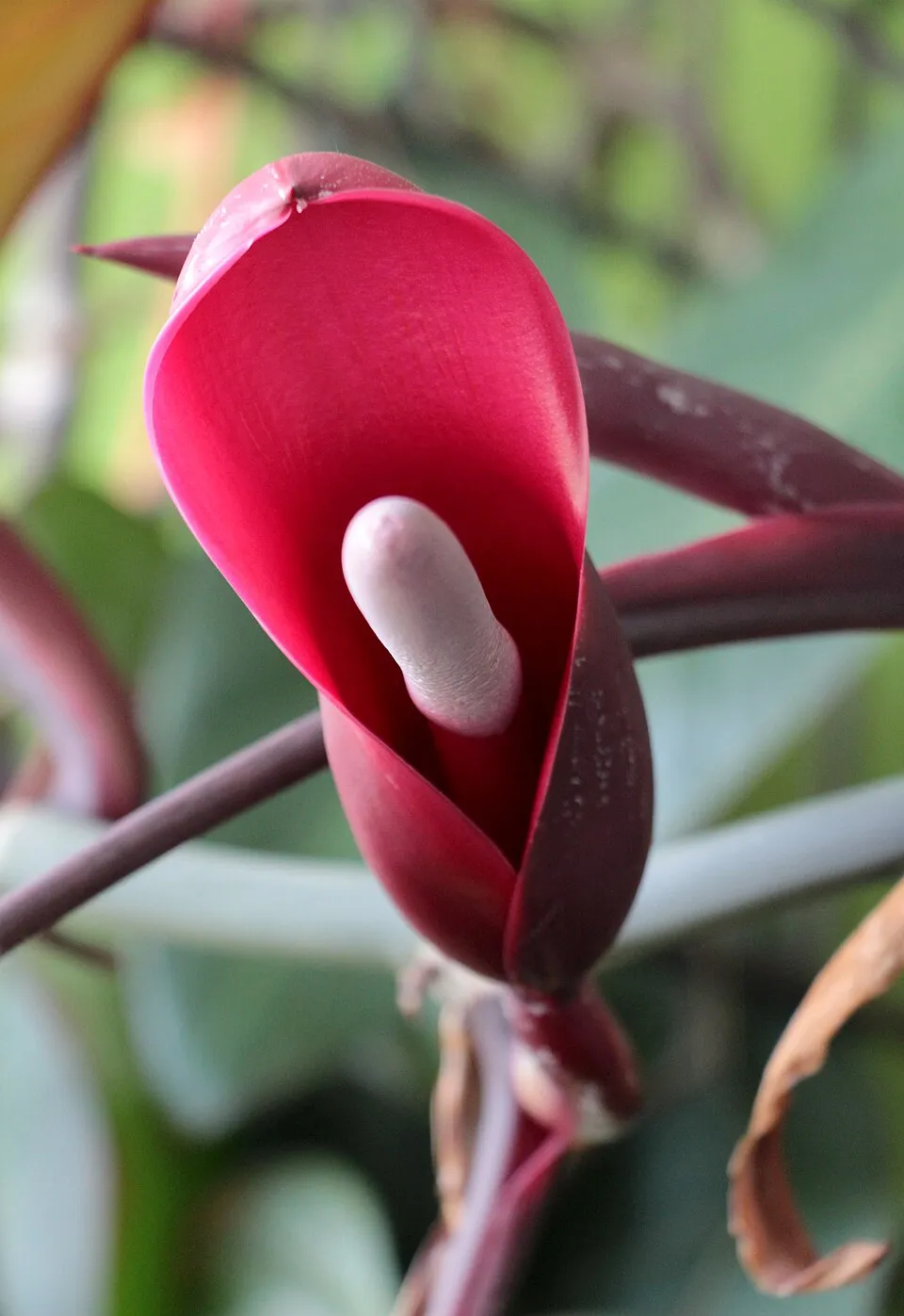
Philodendron erubescens, commonly known as the Pink Princess Philodendron, is a captivating epiphytic or hemiepiphytic climbing plant indigenous to the humid, tropical rainforests of Colombia. This species is highly prized for its exceptionally distinctive foliage, which showcases deep green to rich burgundy leaves dramatically highlighted by irregular splashes and streaks of vibrant, bubblegum-pink variegation. The leaves typically present a heart-shaped to arrowhead-shaped morphology, possessing a glossy surface that can reach lengths of up to 12 inches under optimal conditions, though indoor cultivated specimens are generally more compact. The plant's stems frequently exhibit reddish or purplish hues, further enhancing its overall ornamental appeal.
While it does produce a characteristic spathe and spadix inflorescence, flowering is a rare event in cultivation. In its native habitat, P. erubescens skillfully ascends trees using its robust aerial roots, seeking out the brighter light of the canopy. The unique pink coloration is attributed to a naturally occurring genetic mutation, resulting in each plant having a distinct and highly individualized variegation pattern, making it a coveted item among plant collectors.
The intensity and distribution of this striking pink coloration are notably variable, influenced by both genetic factors and environmental growing conditions, particularly the levels of available light. This particular form is a celebrated cultivar or hybrid within the diverse Philodendron genus, specifically selected and propagated for its exceptional ornamental qualities.
Trusted Scientific References
1. Authoritative external sources for Philodendron erubescens
1.1 Wikipedia — Philodendron erubescens
1.2 Kew POWO (Plants of the World Online)
1.3 PubMed — peer-reviewed research
1.4 NCBI Taxonomy Browser
1.5 GBIF — Global Biodiversity
1.6Philodendron Pink Princess Alt should be interpreted through verified botanical identity, practical care, and responsible safety language. This recovery note adds the missing context needed for a complete profile: match light to the plant's habit, use well-drained soil, water according to season, and avoid unsupported medicinal or edible claims. For publishing, the plant can be presented as a source-backed indoor plant with clear care guidance, common problem diagnosis, and conservative safety wording.
1.1.Philodendron Pink Princess Alt — Key Features
- ✓ <strong>Distinctive Pink Variegation</strong> — Irregular splashes and streaks of vibrant pink on dark green or burgundy leaves.
- ✓ <strong>Heart</strong> — shaped Foliage — Glossy, arrowhead-shaped leaves that contribute to its aesthetic appeal.
- ✓ <strong>Epiphytic/Hemiepiphytic Habit</strong> — Climbs using aerial roots in its natural rainforest habitat, often requiring support in cultivation.
- ✓ <strong>High Ornamental Value</strong> — Highly sought after by plant collectors and enthusiasts for its unique and beautiful appearance.
- ✓ <strong>Relatively Low Maintenance</strong> — Considered easy to care for among variegated houseplants, suitable for beginners.
- ✓ <strong>Passive Air Purifying Qualities</strong> — Contributes marginally to cleaner indoor air by absorbing some common pollutants.
- ✓ <strong>Toxic to Ingest</strong> — Contains calcium oxalate crystals, causing severe irritation if any part of the plant is consumed.
- ✓ <strong>Rare Flowering in Cultivation</strong> — Produces a spathe and spadix inflorescence but rarely blooms indoors.
- ✓ <strong>Genetic Mutation Source</strong> — Its unique variegation pattern is a result of a natural genetic mutation, making each plant distinct.
1.2.Philodendron Pink Princess Alt — Quick Summary
- ✓ Ornamental tropical climber with striking pink variegation.
- ✓ Native to Colombian rainforests, prized for unique foliage.
- ✓ Contains toxic calcium oxalate crystals; not for consumption.
- ✓ Primarily valued for aesthetic appeal and passive indoor air quality benefits.
- ✓ Requires bright, indirect light, consistent watering, and well-draining soil.
- ✓ Propagated easily via stem cuttings.
2.Philodendron Pink Princess Alt — Scientific Identity
3.Philodendron Pink Princess Alt — Quick Facts
4.Philodendron Pink Princess Alt — Appearance & Identification
5.Philodendron Pink Princess Alt — Native Habitat
6.Philodendron Pink Princess Alt — Water Requirements
- ✓ Light Requirements — Thrives in bright, indirect light; direct sunlight can lead to leaf scorch and fading of variegation, while insufficient light may result in leggy growth and reduced pink coloration.
- ✓ Watering Schedule — Water thoroughly when the top 1-2 inches of soil feel dry to the touch; ensure proper drainage to prevent root rot, but avoid letting the plant remain completely dry for extended periods.
- ✓ Soil Composition — Prefers a well-draining, airy potting mix rich in organic matter, typically a blend of coco coir, perlite, and standard potting soil to ensure good aeration and moisture retention.
- ✓ Temperature & Humidity — Maintain warm temperatures between 65-80°F (18-27°C) and average to high humidity levels; avoid cold drafts and temperatures below 60°F (15°C).
- ✓ Fertilization — Feed with a balanced liquid fertilizer, diluted to half strength, every 2-4 weeks during the active growing seasons of spring and summer, reducing or suspending feeding in fall and winter.
- ✓ Pruning & Support — Prune to maintain a desired shape, encourage bushier growth, and remove any yellowed or leggy stems; provide a moss pole or trellis to support its natural climbing habit.
- ✓ Repotting — Repot annually or biennially into a slightly larger container with fresh potting mix to replenish nutrients and provide adequate space for root development.
- ✓ Pest Management — Regularly inspect leaves, particularly the undersides, for common pests such as spider mites, mealybugs, and aphids; treat infestations promptly with insecticidal soap or neem oil solution.
Reviewed by the Flora Medical Global Botanical Review Panel
Multi-disciplinary editorial group · Botany · Ethnobotany · Herbal-medicine literature
Who reviewed this: This page was checked by the Flora Medical Global Botanical Review Panel — an in-house editorial group of botany graduates, ethnobotany researchers, and horticulture practitioners who collectively maintain our 7,000+ plant encyclopedia. Meet the team.
Our 4-step verification process
1. Taxonomic verification
Scientific names and synonyms cross-checked against Kew POWO, World Flora Online, and The Plant List.
2. Phytochemical & medicinal cross-reference
Active compounds, traditional uses, and reported activities are cross-referenced with PubMed, USDA Dr. Duke's database, and peer-reviewed ethnobotanical literature.
3. Conservation & distribution check
Distribution, ecology, and conservation status confirmed against GBIF occurrence records and the IUCN Red List.
4. Editorial & safety review
Every entry passes an editorial pass for clarity, originality, and safety notices (toxicity, contraindications, dosage caveats) before publication.
Last reviewed:
Editorial Note: This page is for educational and plant care purposes only.
Written by: Flora Medical Global Editorial Team
Reviewed by: Flora Medical Global Botanical Review Panel
Last Updated: June 15, 2026







Philodendron Pink Princess Alt — Comments & Community Reviews
Rate this plant