
Care Disclaimer: Plant care recommendations are general guidelines based on common growing conditions. Individual results may vary based on your local environment, climate, and care routine. If your plant is toxic, keep it away from children and pets, and consult a veterinarian if accidental ingestion occurs.
1.Serissa Bonsai — Overview
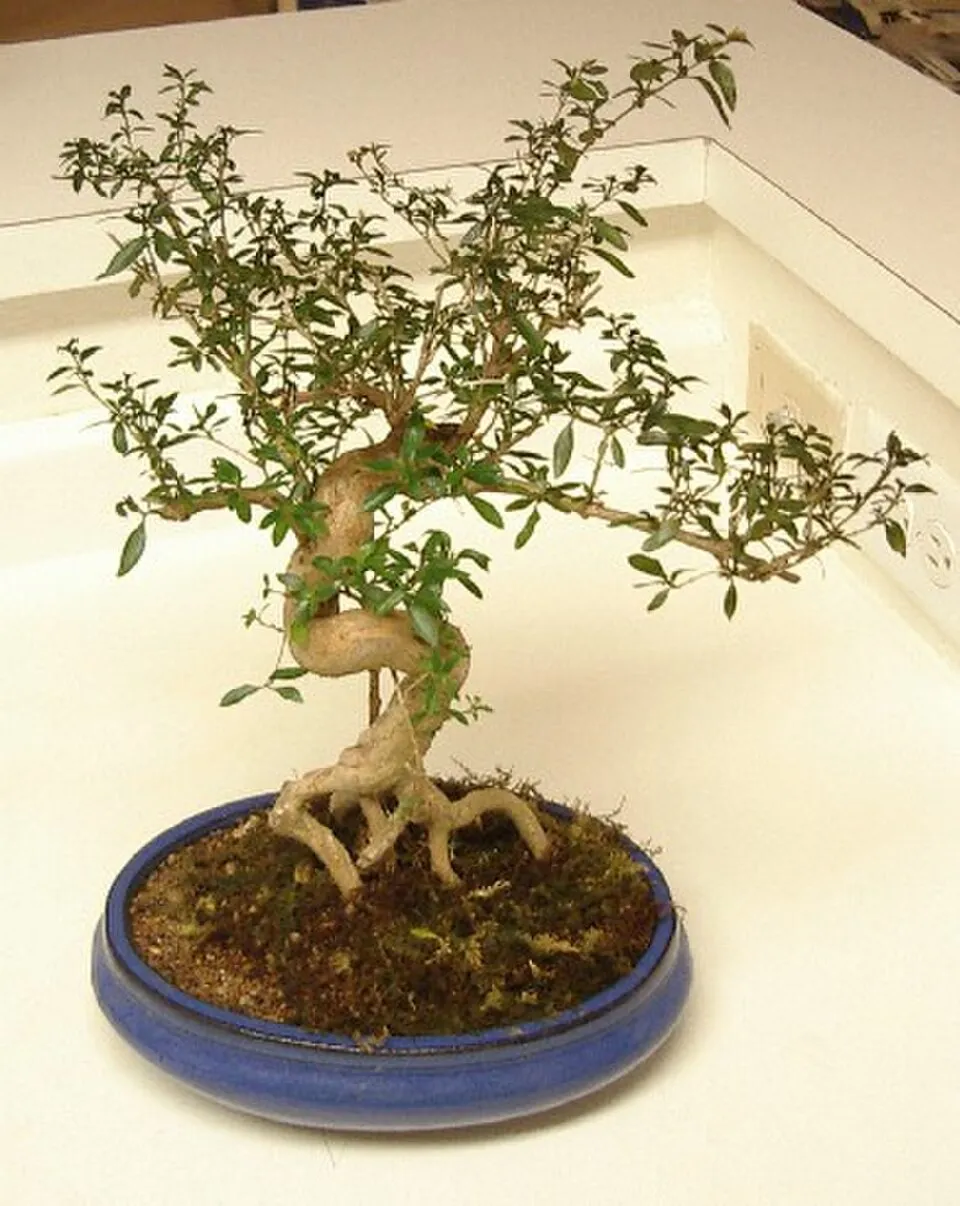
Serissa japonica, widely recognized as Serissa Bonsai or the 'tree of a thousand stars', is an enchanting evergreen shrub belonging to the Rubiaceae family. In its cultivated bonsai form, it typically reaches a height of 1 to 3 feet, showcasing a compact and aesthetically pleasing structure. Its foliage consists of small, glossy, dark green leaves, elliptical in shape and measuring approximately 2 to 4 cm in length. These leaves are densely arranged, contributing to the plant's lush appearance, making it a highly favored choice for indoor ornamental cultivation.
During its peak blooming seasons, particularly in spring and summer, Serissa japonica produces an abundance of delicate, fragrant white flowers. These tiny, star-like blossoms appear in clusters, creating a captivating visual display that justifies its poetic common name. The plant's bark is light brown and develops a rougher texture with age, adding character and an aged appeal to bonsai specimens. Native to subtropical regions of Southeast Asia, including India, China, and Japan, Serissa japonica thrives in moist grasslands and forest understories.
As a member of the Rubiaceae family, it shares botanical kinship with well-known plants like coffee (Coffea spp.) and gardenias (Gardenia jasminoides), further highlighting its botanical significance and ornamental value. Its inherent durability and adaptability contribute to its resilience, making it a popular and enduring selection for diverse indoor environments such as homes, offices, and living spaces.
Trusted Scientific References
1. Authoritative external sources for Serissa japonica
1.1 Wikipedia — Serissa japonica
1.2 Kew POWO (Plants of the World Online)
1.3 PubMed — peer-reviewed research
1.4 NCBI Taxonomy Browser
1.5 GBIF — Global Biodiversity
1.6Serissa Bonsai should be interpreted through verified botanical identity, practical care, and responsible safety language. This recovery note adds the missing context needed for a complete profile: match light to the plant's habit, use well-drained soil, water according to season, and avoid unsupported medicinal or edible claims. For publishing, the plant can be presented as a source-backed indoor plant with clear care guidance, common problem diagnosis, and conservative safety wording.
1.1.Serissa Bonsai — Key Features
- ✓ <strong>'Tree of a Thousand Stars'</strong> — Common name reflecting its abundant, delicate white flowers.
- ✓ <strong>Evergreen Bonsai Shrub</strong> — Highly prized for indoor cultivation and aesthetic appeal.
- ✓ <strong>Fragrant White Flowers</strong> — Star-like blooms appearing in clusters, particularly in spring and summer.
- ✓ <strong>Glossy Dark Green Foliage</strong> — Dense, elliptical leaves providing a lush, vibrant appearance.
- ✓ <strong>Native to Southeast Asia</strong> — Thrives in subtropical forests and moist grasslands.
- ✓ <strong>Rubiaceae Family Member</strong> — Botanical kinship with coffee and gardenias.
- ✓ <strong>Antioxidant Properties</strong> — Essential oil components combat oxidative stress.
- ✓ <strong>Anti</strong> — inflammatory Effects — Demonstrated via NO inhibition and BSA blocking assays.
- ✓ <strong>Traditional Calming Agent</strong> — Used in Traditional Chinese Medicine for relaxation and stress reduction.
- ✓ <strong>Anti</strong> — tyrosinase Activity — Potential for skin brightening and managing hyperpigmentation.
1.2.Serissa Bonsai — Quick Summary
- ✓ Serissa japonica, or 'tree of a thousand stars', is a popular evergreen bonsai.
- ✓ Native to Southeast Asia, it belongs to the Rubiaceae family.
- ✓ Traditional uses include calming effects and anti-inflammatory properties in TCM.
- ✓ Recent research highlights its essential oil's antioxidant, anti-inflammatory, and anti-tyrosinase activities.
- ✓ Key compounds include 1,8-cineole, (E)-nerolidol, iso-longifolol, and various lignans.
- ✓ Caution is advised for internal medicinal use due to limited scientific safety data.
2.Serissa Bonsai — Scientific Identity
3.Serissa Bonsai — Quick Facts
4.Serissa Bonsai — Appearance & Identification
5.Serissa Bonsai — Native Habitat
6.Serissa Bonsai — Water Requirements
- ✓ Light Requirements — Thrives in bright, indirect light; direct harsh sunlight can scorch its delicate leaves, especially when grown indoors.
- ✓ Watering Schedule — Requires consistent moisture. Water thoroughly when the topsoil feels dry, but avoid overwatering or allowing it to sit in standing water to prevent root rot.
- ✓ Humidity Levels — Prefers high humidity. Regular misting, a humidity tray, or a humidifier can help maintain optimal conditions, particularly in dry indoor environments.
- ✓ Temperature Range — Ideal temperatures are between 60-75°F (15-24°C). Protect from cold drafts and temperatures below 50°F (10°C) as it is sensitive to cold.
- ✓ Soil Composition — Prefers well-draining, slightly acidic soil. A good bonsai soil mix or a blend of peat moss, loam, and sand works well to ensure proper aeration and drainage.
- ✓ Fertilization — Feed with a balanced liquid fertilizer every 2-4 weeks during the growing season (spring and summer), reducing frequency in autumn and stopping in winter.
- ✓ Pruning and Shaping — Regular pruning is essential for maintaining its bonsai form, promoting dense foliage, and encouraging flowering. Wiring can be used for shaping branches.
- ✓ Repotting — Repot every 1-2 years in spring to refresh soil and prune roots, which is crucial for bonsai health and vigor.
Reviewed by the Flora Medical Global Botanical Review Panel
Multi-disciplinary editorial group · Botany · Ethnobotany · Herbal-medicine literature
Who reviewed this: This page was checked by the Flora Medical Global Botanical Review Panel — an in-house editorial group of botany graduates, ethnobotany researchers, and horticulture practitioners who collectively maintain our 7,000+ plant encyclopedia. Meet the team.
Our 4-step verification process
1. Taxonomic verification
Scientific names and synonyms cross-checked against Kew POWO, World Flora Online, and The Plant List.
2. Phytochemical & medicinal cross-reference
Active compounds, traditional uses, and reported activities are cross-referenced with PubMed, USDA Dr. Duke's database, and peer-reviewed ethnobotanical literature.
3. Conservation & distribution check
Distribution, ecology, and conservation status confirmed against GBIF occurrence records and the IUCN Red List.
4. Editorial & safety review
Every entry passes an editorial pass for clarity, originality, and safety notices (toxicity, contraindications, dosage caveats) before publication.
Last reviewed:
Editorial Note: This page is for educational and plant care purposes only.
Written by: Flora Medical Global Editorial Team
Reviewed by: Flora Medical Global Botanical Review Panel
Last Updated: June 15, 2026







Serissa Bonsai — Comments & Community Reviews
Rate this plant