

Care Disclaimer: Plant care recommendations are general guidelines based on common growing conditions. Individual results may vary based on your local environment, climate, and care routine. If your plant is toxic, keep it away from children and pets, and consult a veterinarian if accidental ingestion occurs.
1.Stenocactus Multicostatus — Overview
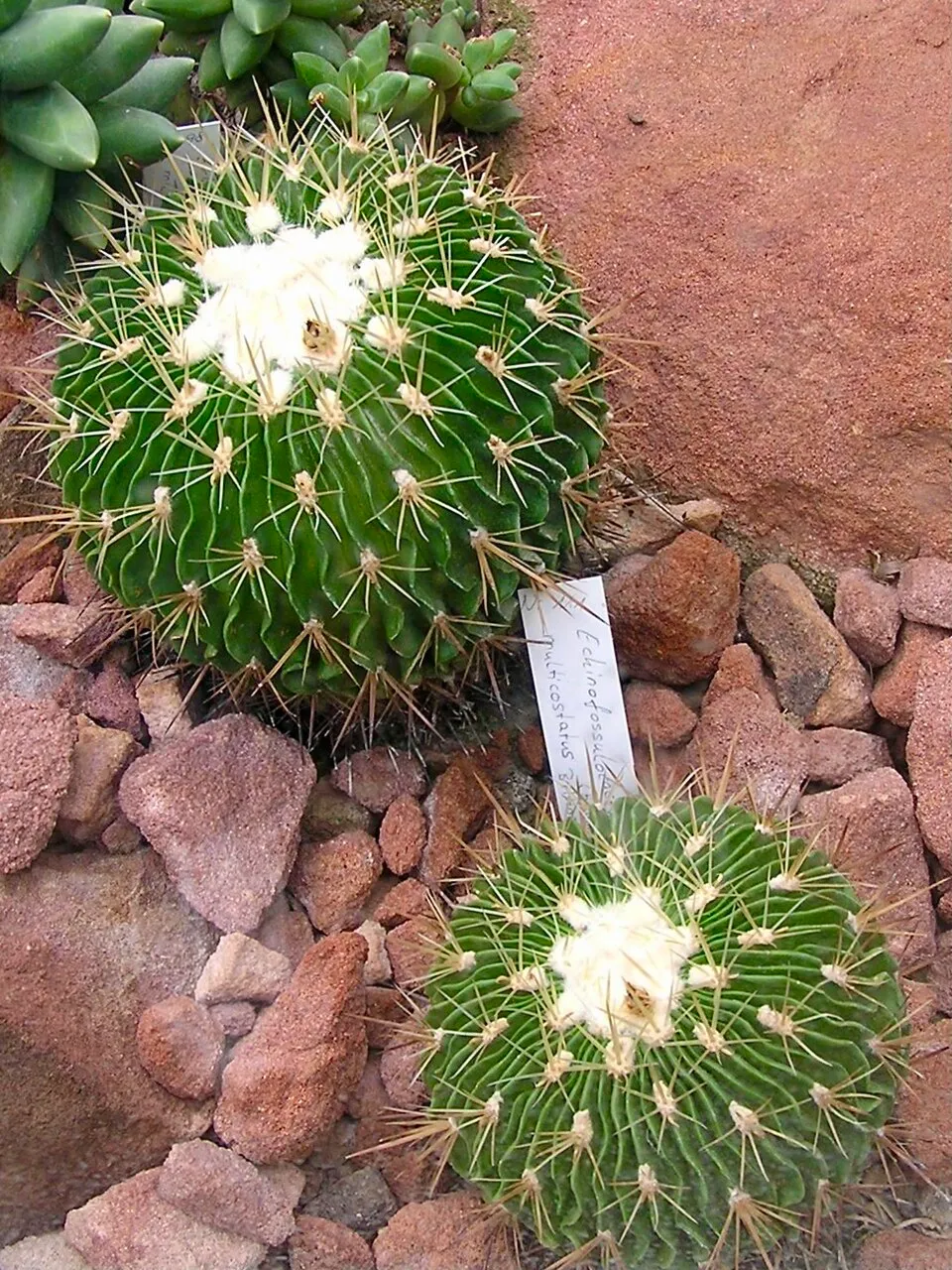
Stenocactus multicostatus, commonly known as the Fishbone Cactus, is a captivating succulent belonging to the extensive Cactaceae family. This species is celebrated for its distinctive morphology, characterized by a spherical to cylindrical stem that typically reaches heights of 15 to 30 centimeters. A remarkable feature is its deeply ribbed structure, often displaying up to 30 pronounced, undulating ribs that give the plant a fascinating, almost architectural appearance.
These ribs are often wavy or crinkled, contributing to its unique texture. The plant produces delicate, funnel-shaped flowers, usually appearing in shades of pale yellow to white, blooming intermittently, most frequently in the spring. Unlike many cacti, its spines are notably tiny and soft, resembling fine, hair-like bristles rather than formidable thorns, which adds to its appeal as an indoor plant.
Stenocactus multicostatus is indigenous to the arid and semi-arid regions of Mexico, primarily found thriving in rocky slopes and desolate environments where it tolerates extreme drought conditions. Despite its desert origins, it adapts exceptionally well to cultivation in domestic settings, preferring well-draining, sandy soil that mimics its natural habitat and requires minimal moisture. Taxonomically, it is a prominent member of the genus Stenocactus, valued by enthusiasts for its unique aesthetic and relatively low-maintenance requirements, making it a popular choice for succulent collections and indoor gardens globally.
Trusted Scientific References
1. Authoritative external sources for Stenocactus multicostatus
1.1 Wikipedia — Stenocactus multicostatus
1.2 Kew POWO (Plants of the World Online)
1.3 PubMed — peer-reviewed research
1.4 NCBI Taxonomy Browser
1.5 GBIF — Global Biodiversity
1.6Stenocactus Multicostatus should be interpreted through verified botanical identity, practical care, and responsible safety language. This recovery note adds the missing context needed for a complete profile: match light to the plant's habit, use well-drained soil, water according to season, and avoid unsupported medicinal or edible claims. For publishing, the plant can be presented as a source-backed indoor plant with clear care guidance, common problem diagnosis, and conservative safety wording.
1.1.Stenocactus Multicostatus — Key Features
- ✓ <strong>Mature Height</strong> — Typically grows 15 to 30 centimeters (6 to 12 inches) tall, maintaining a compact, often spherical or short-cylindrical form.
- ✓ <strong>Stem Structure</strong> — Features highly distinctive, deeply ribbed cylindrical stems, often with 20 to 30 undulating or wavy ribs, creating a unique texture.
- ✓ <strong>Flowering</strong> — Produces attractive, funnel-shaped flowers that are generally pale yellow to white in color, blooming intermittently, primarily in the spring.
- ✓ <strong>Spines</strong> — Characterized by tiny, soft, hair-like bristles rather than formidable spines, adding a delicate contrast to its ribbed structure.
- ✓ <strong>Habitat</strong> — Naturally thrives in the arid and semi-arid regions of Mexico, specifically on rocky slopes and desolate terrains.
- ✓ <strong>Growth Habit</strong> — A slow-growing succulent, making it suitable for long-term indoor cultivation and small spaces.
- ✓ <strong>Water Needs</strong> — Highly drought-tolerant, requiring minimal and infrequent watering, preferring completely dry soil between applications.
- ✓ <strong>Light Preference</strong> — Prefers bright, indirect light to full sun exposure for optimal growth and flowering.
- ✓ <strong>Maintenance</strong> — Considered a low-maintenance plant, ideal for both novice and experienced succulent enthusiasts.
- ✓ <strong>Ornamental Value</strong> — Highly prized for its striking, architectural appearance and unique ribbed texture, making it a popular choice for decorative purposes.
1.2.Stenocactus Multicostatus — Quick Summary
- ✓ Stenocactus multicostatus, known as the Fishbone Cactus, is a unique ornamental succulent from the Cactaceae family.
- ✓ Characterized by its deeply ribbed, spherical to cylindrical stems and tiny, hair-like spines, it produces pale yellow to white funnel-shaped flowers.
- ✓ Native to arid regions of Mexico, it thrives in well-draining soil and bright light, making it an excellent, low-maintenance indoor plant.
- ✓ While primarily valued for its aesthetic appeal and ease of care, it shares phytochemical properties with other cacti, suggesting potential traditional uses like anti-inflammatory and wound-healing support.
- ✓ It contributes to a calming home environment and may subtly enhance indoor air quality, making it a holistic addition to plant collections.
- ✓ Despite its potential, direct medicinal research on Stenocactus multicostatus is limited, emphasizing its role as an ornamental plant with speculative traditional benefits.
2.Stenocactus Multicostatus — Scientific Identity
3.Stenocactus Multicostatus — Quick Facts
4.Stenocactus Multicostatus — Appearance & Identification
5.Stenocactus Multicostatus — Native Habitat
6.Stenocactus Multicostatus — Water Requirements
- ✓ Light Requirement — Provide full sun to bright indirect light; Stenocactus multicostatus thrives with ample natural light, ideally near a south-facing window or under grow lights.
- ✓ Watering Schedule — Water sparingly and deeply, allowing the soil to dry out completely between waterings, typically every 2-4 weeks during growing season and much less in winter.
- ✓ Soil Preference — Use a well-draining cactus or succulent potting mix, often composed of coarse sand, perlite, and a small amount of organic matter to prevent root rot.
- ✓ Temperature & Humidity — Maintain warm temperatures between 20-35°C (68-95°F) and low humidity, protecting the plant from frost, which can be lethal.
- ✓ Fertilization — Feed lightly with a balanced, diluted liquid cactus fertilizer once or twice during the active growing season (spring/summer); avoid fertilizing in winter.
- ✓ Potting & Repotting — Use pots with drainage holes and repot only when necessary, typically every 2-3 years, to refresh soil and accommodate growth, handling carefully to avoid spine injury.
- ✓ Air Circulation — Ensure good air circulation around the plant to prevent fungal issues, especially in humid environments.
- ✓ Pest Management — Monitor for common cactus pests like mealybugs and spider mites, treating promptly with horticultural oil or insecticidal soap if detected.
Reviewed by the Flora Medical Global Botanical Review Panel
Multi-disciplinary editorial group · Botany · Ethnobotany · Herbal-medicine literature
Who reviewed this: This page was checked by the Flora Medical Global Botanical Review Panel — an in-house editorial group of botany graduates, ethnobotany researchers, and horticulture practitioners who collectively maintain our 7,000+ plant encyclopedia. Meet the team.
Our 4-step verification process
1. Taxonomic verification
Scientific names and synonyms cross-checked against Kew POWO, World Flora Online, and The Plant List.
2. Phytochemical & medicinal cross-reference
Active compounds, traditional uses, and reported activities are cross-referenced with PubMed, USDA Dr. Duke's database, and peer-reviewed ethnobotanical literature.
3. Conservation & distribution check
Distribution, ecology, and conservation status confirmed against GBIF occurrence records and the IUCN Red List.
4. Editorial & safety review
Every entry passes an editorial pass for clarity, originality, and safety notices (toxicity, contraindications, dosage caveats) before publication.
Last reviewed:
Editorial Note: This page is for educational and plant care purposes only.
Written by: Flora Medical Global Editorial Team
Reviewed by: Flora Medical Global Botanical Review Panel
Last Updated: June 15, 2026







Stenocactus Multicostatus — Comments & Community Reviews
Rate this plant