

Care Disclaimer: Plant care recommendations are general guidelines based on common growing conditions. Individual results may vary based on your local environment, climate, and care routine. If your plant is toxic, keep it away from children and pets, and consult a veterinarian if accidental ingestion occurs.
1.Streptocarpus Hybrid — Overview
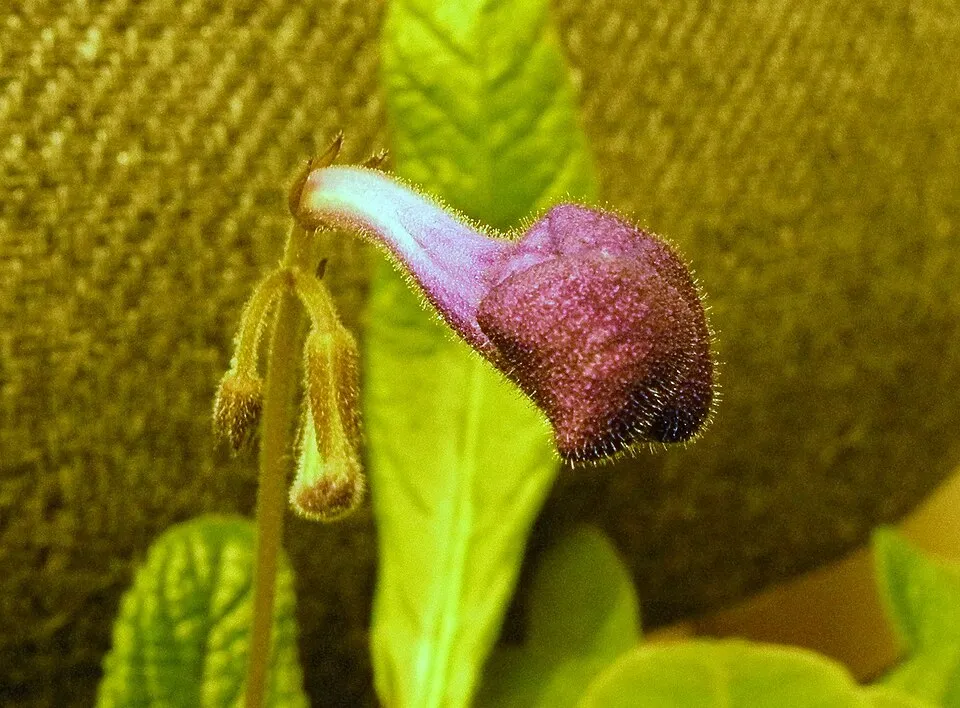
Streptocarpus hybrids, commonly recognized as Cape Primrose, represent a captivating assemblage of herbaceous perennial flowering plants nestled within the diverse Gesneriaceae family. Originating primarily from the humid, subtropical and tropical expanses of Southern Africa, including Madagascar and South Africa, these plants naturally inhabit the shaded undergrowth of forest floors, often growing lithophytically on moss-covered rocks or occasionally as epiphytes on tree trunks. Their distinctive morphology typically features leaves arranged in a basal rosette, emerging from an exceptionally short, often hidden stem, giving the plant an almost stemless appearance. These leaves are generally oblong to oval, reaching lengths of 12-25 cm (5-10 inches), characterized by a lustrous, dark green upper surface and a softer, often paler underside, both adorned with a fine, velvety pubescence that imparts a fuzzy texture.
The root system is shallow and fibrous, perfectly adapted to moist, well-draining substrates. The most striking characteristic is undoubtedly the flowers, which arise from long, slender pedicels in the leaf axils. They are trumpet-shaped or tubular, typically five-lobed, and display an astonishing spectrum of colors, ranging from vivid blues and purples to various shades of pink, red, and pristine white, frequently accented with contrasting throats or intricate markings. These vibrant blooms are effective in attracting diverse insect pollinators and boast a prolonged flowering period, usually extending from spring through late summer.
Post-pollination, the plant forms a unique, slender, spirally twisted seed capsule that gradually uncoils upon drying to release its minute seeds. Taxonomically, Streptocarpus shares a close kinship with other popular ornamental genera like Saintpaulia (African Violet) within the Didymocarpoideae subfamily, underscoring its botanical significance.
Trusted Scientific References
1. Authoritative external sources for Streptocarpus hybrid
1.1 Wikipedia — Streptocarpus hybrid
1.2 Kew POWO (Plants of the World Online)
1.3 PubMed — peer-reviewed research
1.4 NCBI Taxonomy Browser
1.5 GBIF — Global Biodiversity
1.1.Streptocarpus Hybrid — Key Features
- ✓ <strong>Velvety Leaves</strong> — Characterized by soft, fuzzy, oblong to oval leaves, typically dark green and glossy on the upper surface, contributing to its tactile appeal.
- ✓ <strong>Tubular Flowers</strong> — Displays striking trumpet-shaped or tubular flowers with five lobes, appearing in an astonishing array of vibrant colors including blue, purple, pink, red, and white.
- ✓ <strong>Basal Rosette Growth</strong> — Leaves typically grow in a rosette pattern directly from a very short, often inconspicuous stem, giving the plant an almost stemless or acaulescent appearance.
- ✓ <strong>Fibrous Root System</strong> — Possesses a relatively shallow, fibrous root system, indicative of its natural habitat on humid forest floors or rocky crevices, requiring well-draining soil.
- ✓ <strong>Perennial Herb</strong> — A long-lived herbaceous plant, capable of thriving for multiple seasons and producing continuous blooms under suitable environmental conditions.
- ✓ <strong>Shade</strong> — Loving Plant — Naturally prefers indirect light or partial shade, making it exceptionally well-suited for indoor cultivation away from harsh, direct sunlight.
- ✓ <strong>High Humidity Requirement</strong> — Thrives optimally in environments with elevated atmospheric moisture, directly reflecting its native tropical and subtropical origins.
- ✓ <strong>Epiphytic/Lithophytic Tendencies</strong> — In its natural habitat, it demonstrates adaptability by growing on tree trunks (epiphytic) or mossy rocks (lithophytic), showcasing its versatile growth habit.
- ✓ <strong>Long Blooming Season</strong> — Flowers typically emerge profusely in spring and can continue to bloom throughout the summer, offering extended ornamental value and visual delight.
- ✓ <strong>Twisted Seed Pods</strong> — Produces characteristic slender, spirally twisted seed capsules after successful pollination, which slowly uncoil to release fine seeds.
1.2.Streptocarpus Hybrid — Quick Summary
- ✓ Primary Ornamental Value — Streptocarpus hybrid is widely cultivated and cherished globally for its exquisite, diverse flowers and velvety foliage, making it a highly popular and aesthetically pleasing houseplant.
- ✓ Traditional Soothing Agent — Anecdotally, indigenous communities in Southern Africa have utilized its soft, mucilaginous leaves as a traditional remedy for soothing respiratory discomforts and minor skin irritations.
- ✓ Rich in Phytochemicals — The plant contains a notable profile of flavonoids, phenolic acids, and mucilage, which contribute to its potential antioxidant, anti-inflammatory, and demulcent properties.
- ✓ Specific Cultivation Needs — Thrives best in environments offering high humidity, bright indirect light, and consistently moist, well-draining soil, mimicking its tropical forest undergrowth origins.
- ✓ Limited Scientific Validation — While traditional uses are noted, extensive modern clinical research validating the medicinal efficacy and safety of Streptocarpus hybrid in humans is currently limited.
- ✓ Easy to Propagate — Known for its ease of propagation from leaf cuttings, making it accessible for enthusiasts to grow and multiply.
2.Streptocarpus Hybrid — Scientific Identity
3.Streptocarpus Hybrid — Quick Facts
4.Streptocarpus Hybrid — Appearance & Identification
5.Streptocarpus Hybrid — Native Habitat
6.Streptocarpus Hybrid — Water Requirements
- ✓ Light — Provide bright, indirect light; avoid direct midday sun which can scorch leaves. An east-facing window or filtered south/west light is ideal for optimal flowering and growth.
- ✓ Water — Keep the soil consistently moist but never waterlogged. Allow the top inch of soil to dry slightly between waterings. Use lukewarm water to avoid shocking the plant.
- ✓ Humidity — Streptocarpus hybrids thrive in high humidity (50-70%). Place pots on pebble trays with water or use a room humidifier, especially in dry indoor environments.
- ✓ Soil & Potting — Use a well-draining, airy potting mix rich in organic matter, such as an African violet mix or a blend of peat moss, perlite, and vermiculite. Repot annually in spring.
- ✓ Temperature — Maintain consistent room temperatures between 18-24°C (65-75°F). Protect from sudden temperature fluctuations and cold drafts, as they are sensitive to chill.
- ✓ Fertilizer — Feed every 2-4 weeks during the growing season (spring to late summer) with a balanced liquid fertilizer diluted to half strength. Reduce feeding in winter.
- ✓ Propagation — Easily propagated from leaf cuttings. Cut a healthy leaf into sections, insert the cut end into moist potting mix, and cover to maintain humidity until new plantlets emerge.
- ✓ Pest Management — Regularly inspect for common houseplant pests like mealybugs, spider mites, or thrips. Treat promptly with insecticidal soap or neem oil as needed.
Reviewed by the Flora Medical Global Botanical Review Panel
Multi-disciplinary editorial group · Botany · Ethnobotany · Herbal-medicine literature
Who reviewed this: This page was checked by the Flora Medical Global Botanical Review Panel — an in-house editorial group of botany graduates, ethnobotany researchers, and horticulture practitioners who collectively maintain our 7,000+ plant encyclopedia. Meet the team.
Our 4-step verification process
1. Taxonomic verification
Scientific names and synonyms cross-checked against Kew POWO, World Flora Online, and The Plant List.
2. Phytochemical & medicinal cross-reference
Active compounds, traditional uses, and reported activities are cross-referenced with PubMed, USDA Dr. Duke's database, and peer-reviewed ethnobotanical literature.
3. Conservation & distribution check
Distribution, ecology, and conservation status confirmed against GBIF occurrence records and the IUCN Red List.
4. Editorial & safety review
Every entry passes an editorial pass for clarity, originality, and safety notices (toxicity, contraindications, dosage caveats) before publication.
Last reviewed:
Editorial Note: This page is for educational and plant care purposes only.
Written by: Flora Medical Global Editorial Team
Reviewed by: Flora Medical Global Botanical Review Panel
Last Updated: June 15, 2026







Streptocarpus Hybrid — Comments & Community Reviews
Rate this plant