
Care Disclaimer: Plant care recommendations are general guidelines based on common growing conditions. Individual results may vary based on your local environment, climate, and care routine. If your plant is toxic, keep it away from children and pets, and consult a veterinarian if accidental ingestion occurs.
1.String of Dolphins — Overview
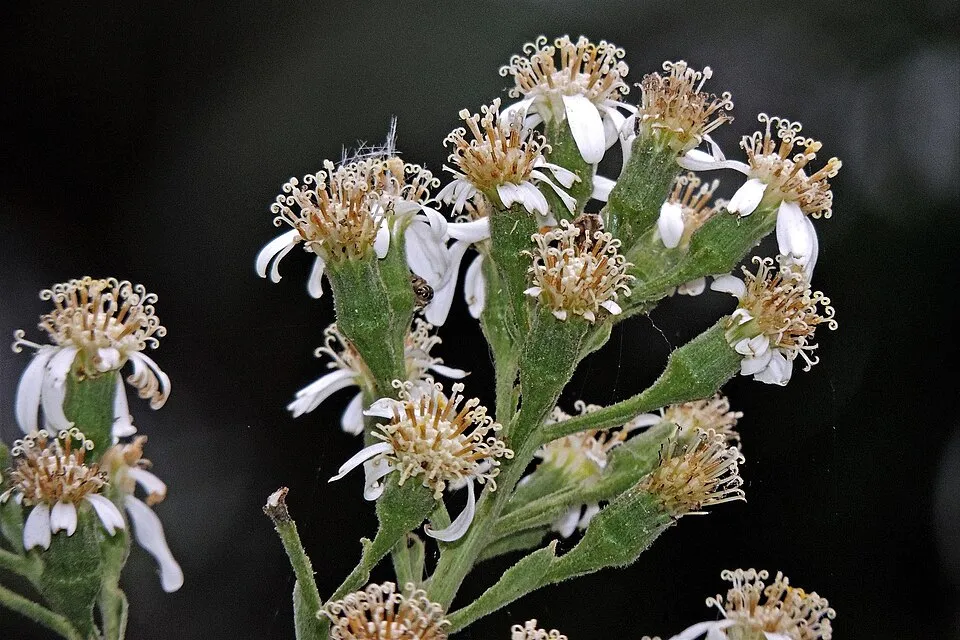
Senecio peregrinus, often affectionately known as 'String of Dolphins', 'Dolphin Necklace', or 'Flying Dolphins', is a captivating perennial succulent renowned for its uniquely shaped foliage. This botanical marvel is not a naturally occurring species but a horticultural hybrid, believed to be a cross between Senecio articulatus (also known as Candle Plant) and Senecio rowleyanus (String of Pearls).
Belonging to the vast Asteraceae family, which also includes daisies and sunflowers, this plant exhibits a trailing or vining growth habit, making it an exquisite choice for hanging baskets and elevated planters where its distinctive leaves can cascade gracefully. Each fleshy leaf remarkably mimics the form of a leaping dolphin, typically presenting a vibrant green hue, sometimes with a subtle bluish tint, and a slightly waxy cuticle that aids in water retention, a characteristic adaptation for arid conditions.
While its precise natural habitat is nonexistent due to its hybrid origin, Senecio peregrinus thrives in cultivation under conditions mimicking those preferred by its succulent ancestors. This includes well-drained, gritty soils and bright, indirect sunlight. When cultivated outdoors in appropriate climates (USDA zones 9-11), it can form an attractive ground cover in succulent gardens.
Indoors, it flourishes near windows receiving ample filtered light. Under optimal care, the plant may produce small, inconspicuous white or pale pinkish flowers that occasionally carry a faint cinnamon-like fragrance, typically emerging in spring or early summer. Its robust growth and relatively low-maintenance needs have cemented its popularity among plant enthusiasts globally, primarily as an ornamental houseplant.
Trusted Scientific References
1. Authoritative external sources for Senecio peregrinus
1.1 Wikipedia — Senecio peregrinus
1.2 Kew POWO (Plants of the World Online)
1.3 PubMed — peer-reviewed research
1.4 NCBI Taxonomy Browser
1.5 GBIF — Global Biodiversity
1.6String of Dolphins should be interpreted through verified botanical identity, practical care, and responsible safety language. This recovery note adds the missing context needed for a complete profile: match light to the plant's habit, use well-drained soil, water according to season, and avoid unsupported medicinal or edible claims. For publishing, the plant can be presented as a source-backed indoor plant with clear care guidance, common problem diagnosis, and conservative safety wording.
1.1.String of Dolphins — Key Features
- ✓ <strong>Unique Leaf Morphology</strong> — Distinctive, fleshy leaves shaped like leaping dolphins.
- ✓ <strong>Trailing Growth Habit</strong> — Ideal for hanging baskets, shelves, and elevated planters.
- ✓ <strong>Hybrid Cultivar</strong> — Developed horticulturally, not a wild species.
- ✓ <strong>Low Maintenance</strong> — Requires minimal care, suitable for beginners.
- ✓ <strong>Drought Tolerant</strong> — Succulent nature allows for infrequent watering.
- ✓ <strong>Ornamental Value</strong> — Highly aesthetic and popular as an indoor houseplant.
- ✓ <strong>Toxicity</strong> — Contains pyrrolizidine alkaloids, making it poisonous if ingested.
- ✓ <strong>Small Flowers</strong> — Produces inconspicuous white or pinkish cinnamon-scented flowers in optimal conditions.
- ✓ <strong>Bright Indirect Light</strong> — Thrives with ample filtered sunlight.
- ✓ <strong>Well</strong> — Draining Soil — Requires specialized succulent or cactus potting mix.
1.2.String of Dolphins — Quick Summary
- ✓ Ornamental Succulent — Prized for its unique dolphin-shaped leaves and trailing habit.
- ✓ Hybrid Origin — A cultivated cross between Senecio articulatus and Senecio rowleyanus.
- ✓ Easy Care — Low maintenance, thriving in bright indirect light and well-draining soil with infrequent watering.
- ✓ Toxic if Ingested — Contains pyrrolizidine alkaloids, harmful to humans and pets.
- ✓ No Medicinal Use — Primarily valued for aesthetics, lacking traditional or modern therapeutic applications.
- ✓ Ideal for Hanging Baskets — Perfect for displaying its cascading, whimsical foliage.
2.String of Dolphins — Scientific Identity
3.String of Dolphins — Quick Facts
4.String of Dolphins — Appearance & Identification
5.String of Dolphins — Native Habitat
6.String of Dolphins — Water Requirements
- ✓ Light — Provide bright, indirect sunlight for at least six hours daily; direct sun can scorch leaves, while insufficient light leads to leggy growth.
- ✓ Soil — Utilize a well-draining succulent or cactus potting mix, optionally amended with perlite or pumice to enhance drainage and prevent root rot.
- ✓ Watering — Water thoroughly but infrequently, allowing the soil to dry out completely between waterings, typically every 1-2 weeks depending on environmental conditions.
- ✓ Temperature — Maintain indoor temperatures between 60-80°F (15-27°C); protect from frost, as it is not cold-hardy below 50°F (10°C).
- ✓ Humidity — Prefers average to low humidity levels, typical of indoor environments; avoid excessively humid conditions.
- ✓ Fertilization — Feed sparingly during the growing season (spring and summer) with a diluted liquid succulent fertilizer, typically once a month or less.
- ✓ Propagation — Easily propagated from stem cuttings; allow cuttings to callus for a few days before planting in well-draining soil.
- ✓ Pruning — Trim leggy stems or unwanted growth to maintain shape and encourage bushier development, which can also be used for propagation.
Reviewed by the Flora Medical Global Botanical Review Panel
Multi-disciplinary editorial group · Botany · Ethnobotany · Herbal-medicine literature
Who reviewed this: This page was checked by the Flora Medical Global Botanical Review Panel — an in-house editorial group of botany graduates, ethnobotany researchers, and horticulture practitioners who collectively maintain our 7,000+ plant encyclopedia. Meet the team.
Our 4-step verification process
1. Taxonomic verification
Scientific names and synonyms cross-checked against Kew POWO, World Flora Online, and The Plant List.
2. Phytochemical & medicinal cross-reference
Active compounds, traditional uses, and reported activities are cross-referenced with PubMed, USDA Dr. Duke's database, and peer-reviewed ethnobotanical literature.
3. Conservation & distribution check
Distribution, ecology, and conservation status confirmed against GBIF occurrence records and the IUCN Red List.
4. Editorial & safety review
Every entry passes an editorial pass for clarity, originality, and safety notices (toxicity, contraindications, dosage caveats) before publication.
Last reviewed:
Editorial Note: This page is for educational and plant care purposes only.
Written by: Flora Medical Global Editorial Team
Reviewed by: Flora Medical Global Botanical Review Panel
Last Updated: June 15, 2026







String of Dolphins — Comments & Community Reviews
Rate this plant