


Care Disclaimer: Plant care recommendations are general guidelines based on common growing conditions. Individual results may vary based on your local environment, climate, and care routine. If your plant is toxic, keep it away from children and pets, and consult a veterinarian if accidental ingestion occurs.
1.Swedish Ivy — Overview
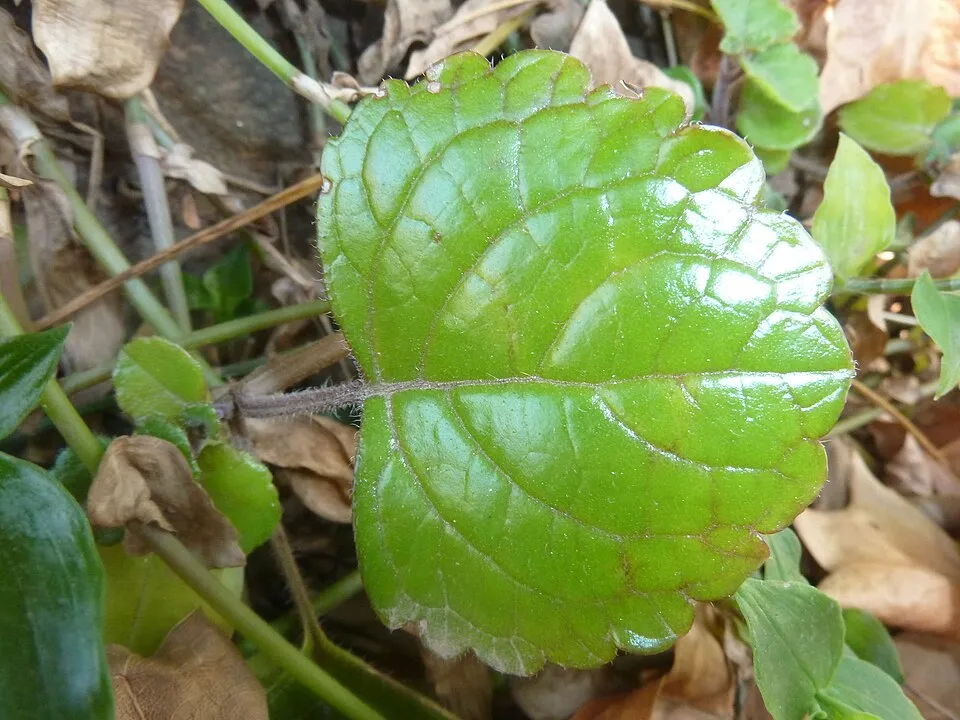
Swedish Ivy, scientifically known as Plectranthus verticillatus, is an enchanting perennial herb belonging to the expansive Lamiaceae family, which also includes many familiar mints. This species is characterized by its trailing or sprawling growth habit, making it an excellent choice for hanging baskets or as a groundcover in suitable climates. Typically, it achieves an indoor height of 30 to 60 cm (12 to 24 inches), with its stems extending significantly longer. The foliage is a defining feature, presenting as broadly oval to nearly round leaves, measuring approximately 5 to 10 cm (2 to 4 inches) in length.
These leaves are a vibrant green, often with lighter margins or a silvery underside, and possess a distinctly soft, velvety texture due to fine pubescence. A hallmark of the mint family, its stems are quadrangular (square in cross-section). Under optimal growing conditions, Plectranthus verticillatus produces delicate, tubular flowers that range in color from pale violet to soft lavender, emerging from terminal or axillary racemes. Native to the coastal regions of southeastern Africa, particularly South Africa, it thrives in warm, humid environments.
It prefers well-drained, organically rich soil and bright, indirect light, showcasing its semi-succulent nature through moderately thick leaves and slightly woody basal stems, which aid in water retention and drought tolerance. Taxonomically, it falls within the genus Plectranthus, a diverse group known for its ornamental and sometimes aromatic properties.
Trusted Scientific References
1. Authoritative external sources for Plectranthus verticillatus
1.1 Wikipedia — Plectranthus verticillatus
1.2 Kew POWO (Plants of the World Online)
1.3 PubMed — peer-reviewed research
1.4 NCBI Taxonomy Browser
1.5 GBIF — Global Biodiversity
1.6Swedish Ivy should be interpreted through verified botanical identity, practical care, and responsible safety language. This recovery note adds the missing context needed for a complete profile: match light to the plant's habit, use well-drained soil, water according to season, and avoid unsupported medicinal or edible claims. For publishing, the plant can be presented as a source-backed indoor plant with clear care guidance, common problem diagnosis, and conservative safety wording.
1.1.Swedish Ivy — Key Features
- ✓ <strong>Common Name</strong> — Swedish Ivy, Creeping Charlie (though not the common weed).
- ✓ <strong>Scientific Name</strong> — Plectranthus verticillatus.
- ✓ <strong>Family</strong> — Lamiaceae (Mint Family).
- ✓ <strong>Growth Habit</strong> — Sprawling, trailing perennial.
- ✓ <strong>Leaf Characteristics</strong> — Oval to round, velvety green, textured.
- ✓ <strong>Flower</strong> — Small, tubular, pale violet to lavender.
- ✓ <strong>Native Region</strong> — South Africa.
- ✓ <strong>Medicinal Use</strong> — Traditional anti-inflammatory and antimicrobial for topical use.
- ✓ <strong>Chemical Profile</strong> — Rich in terpenoids, flavonoids, phenolic acids.
- ✓ <strong>Cultivation</strong> — Easy to grow indoors, prefers indirect light and well-drained soil.
1.2.Swedish Ivy — Quick Summary
- ✓ Plectranthus verticillatus (Swedish Ivy) is an ornamental Lamiaceae plant.
- ✓ Known for its trailing habit and velvety green leaves.
- ✓ Traditionally used for anti-inflammatory and mild antimicrobial skin applications.
- ✓ Rich in terpenoids, flavonoids, and phenolic acids.
- ✓ Easy to cultivate indoors with bright, indirect light.
- ✓ Primarily for external use; ingestion can cause digestive upset.
- ✓ Requires careful identification to avoid confusion with similar species.
2.Swedish Ivy — Scientific Identity
3.Swedish Ivy — Quick Facts
4.Swedish Ivy — Appearance & Identification
5.Swedish Ivy — Native Habitat
6.Swedish Ivy — Water Requirements
- ✓ Soil — Prefers well-drained, fertile soil rich in organic matter (e.g., a mix of peat, perlite, and potting soil).
- ✓ Light — Thrives in bright, indirect light; direct sunlight can scorch leaves, while too little light causes leggy growth.
- ✓ Water — Water thoroughly when the top inch of soil feels dry; allow excess water to drain to prevent root rot.
- ✓ Humidity — Appreciates moderate to high humidity; misting or a pebble tray can be beneficial, especially indoors.
- ✓ Temperature — Ideal temperatures range from 18-24°C (65-75°F); protect from cold drafts and temperatures below 10°C (50°F).
- ✓ Fertilization — Feed monthly during the growing season (spring and summer) with a balanced liquid fertilizer diluted to half strength.
- ✓ Pruning — Pinch back growing tips regularly to encourage bushier growth and a fuller, more compact plant.
- ✓ Propagation — Easily propagated from stem cuttings placed in water or moist soil; roots typically form within 2-3 weeks.
Reviewed by the Flora Medical Global Botanical Review Panel
Multi-disciplinary editorial group · Botany · Ethnobotany · Herbal-medicine literature
Who reviewed this: This page was checked by the Flora Medical Global Botanical Review Panel — an in-house editorial group of botany graduates, ethnobotany researchers, and horticulture practitioners who collectively maintain our 7,000+ plant encyclopedia. Meet the team.
Our 4-step verification process
1. Taxonomic verification
Scientific names and synonyms cross-checked against Kew POWO, World Flora Online, and The Plant List.
2. Phytochemical & medicinal cross-reference
Active compounds, traditional uses, and reported activities are cross-referenced with PubMed, USDA Dr. Duke's database, and peer-reviewed ethnobotanical literature.
3. Conservation & distribution check
Distribution, ecology, and conservation status confirmed against GBIF occurrence records and the IUCN Red List.
4. Editorial & safety review
Every entry passes an editorial pass for clarity, originality, and safety notices (toxicity, contraindications, dosage caveats) before publication.
Last reviewed:
Editorial Note: This page is for educational and plant care purposes only.
Written by: Flora Medical Global Editorial Team
Reviewed by: Flora Medical Global Botanical Review Panel
Last Updated: June 15, 2026







Swedish Ivy — Comments & Community Reviews
Rate this plant