
Care Disclaimer: Plant care recommendations are general guidelines based on common growing conditions. Individual results may vary based on your local environment, climate, and care routine. If your plant is toxic, keep it away from children and pets, and consult a veterinarian if accidental ingestion occurs.
1.Twisted Sister Snake Plant — Overview
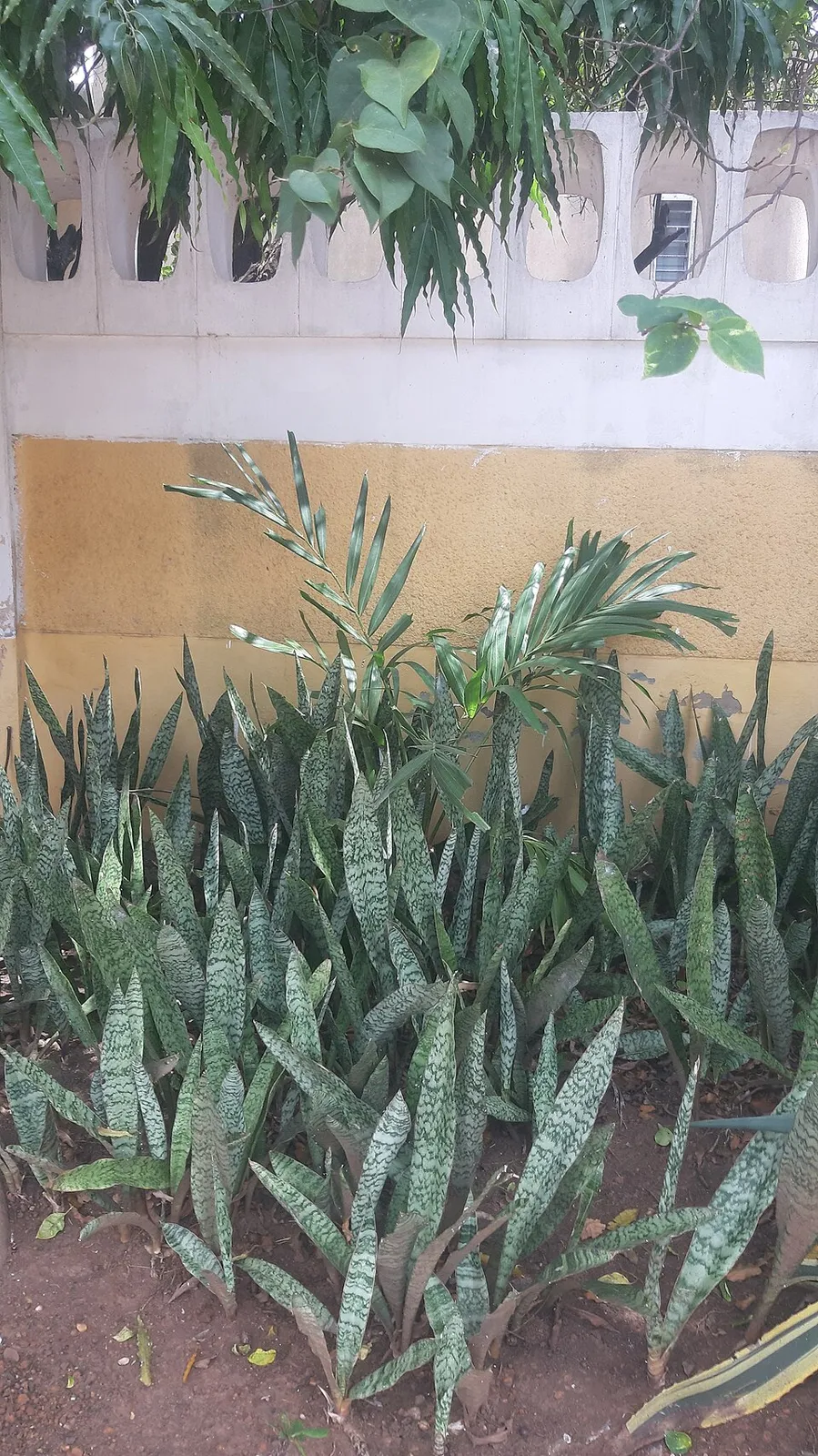
The Twisted Sister Snake Plant, botanically known as Dracaena trifasciata 'Twisted Sister', is a distinctive cultivar derived from the widely recognized Mother-in-Law's Tongue (Dracaena trifasciata, formerly Sansevieria trifasciata). This perennial evergreen succulent belongs to the Asparagaceae family, a reclassification from its previous placement in the Agavaceae or Ruscaceae families. Native to the tropical regions of West Africa, particularly Nigeria and Congo, the species thrives in arid, rocky environments but has adapted remarkably well to indoor cultivation globally.
The 'Twisted Sister' cultivar is characterized by its compact, rosette growth habit and striking, contorted leaves. Unlike the upright, sword-like leaves of its parent species, this variety features shorter, broader leaves that elegantly twist and curl, displaying a beautiful variegation of dark green bands against lighter green or yellowish margins. These architectural leaves grow to about 6-12 inches tall, forming a dense, sculptural clump.
Its rhizomatous growth allows it to spread slowly, forming new plantlets. While primarily cultivated for its ornamental value and ease of care, its robust nature and unique aesthetic make it a favored choice for interior landscaping, adding a touch of modern natural beauty to homes and offices worldwide. It is a testament to the adaptability and diversity within the Dracaena genus.
Trusted Scientific References
1. Authoritative external sources for Dracaena trifasciata twisted
1.1 Wikipedia — Dracaena trifasciata twisted
1.2 Kew POWO (Plants of the World Online)
1.3 PubMed — peer-reviewed research
1.4 NCBI Taxonomy Browser
1.5 GBIF — Global Biodiversity
1.6Twisted Sister Snake Plant should be interpreted through verified botanical identity, practical care, and responsible safety language. This recovery note adds the missing context needed for a complete profile: match light to the plant's habit, use well-drained soil, water according to season, and avoid unsupported medicinal or edible claims. For publishing, the plant can be presented as a source-backed indoor plant with clear care guidance, common problem diagnosis, and conservative safety wording.
1.1.Twisted Sister Snake Plant — Key Features
- ✓ <strong>Unique Foliage</strong> — Distinctive, compact leaves that twist and curl, featuring attractive variegation.
- ✓ <strong>Air Purification Champion</strong> — Highly effective at filtering indoor air pollutants, as recognized by NASA studies.
- ✓ <strong>Drought Tolerant</strong> — Requires infrequent watering, making it ideal for busy individuals or forgetful gardeners.
- ✓ <strong>Low Light Adaptable</strong> — Thrives in a range of light conditions, from low to bright indirect light.
- ✓ <strong>Nocturnal Oxygen Release</strong> — Unique CAM photosynthesis allows it to release oxygen at night.
- ✓ <strong>Easy Care</strong> — One of the most resilient and forgiving houseplants available.
- ✓ <strong>Compact Growth Habit</strong> — Perfect for small spaces, desks, or shelves due to its moderate size.
- ✓ <strong>Pet and Child Warning</strong> — Contains saponins, making it mildly toxic if ingested by animals or humans.
- ✓ <strong>Aesthetic Appeal</strong> — Adds a modern, sculptural element to any interior decor style.
- ✓ <strong>Asparagaceae Family</strong> — Belongs to the asparagus family, a recent botanical reclassification.
1.2.Twisted Sister Snake Plant — Quick Summary
- ✓ Ornamental Houseplant — Prized for its unique, twisted foliage and ease of care.
- ✓ Air Purifier — Effectively removes common indoor toxins like formaldehyde and benzene.
- ✓ Low Maintenance — Extremely drought-tolerant and adaptable to various light conditions.
- ✓ Nighttime Oxygenator — Releases oxygen at night, making it suitable for bedrooms.
- ✓ Mildly Toxic — Contains saponins, causing gastrointestinal upset if ingested by humans or pets.
- ✓ Biophilic Benefits — Enhances aesthetics and contributes to a calming indoor environment.
2.Twisted Sister Snake Plant — Scientific Identity
3.Twisted Sister Snake Plant — Quick Facts
4.Twisted Sister Snake Plant — Appearance & Identification
5.Twisted Sister Snake Plant — Native Habitat
6.Twisted Sister Snake Plant — Water Requirements
- ✓ Light — Prefers bright, indirect light but tolerates low light conditions. Direct sun can scorch its leaves.
- ✓ Watering — Water thoroughly only when the soil is completely dry, typically every 2-4 weeks. Overwatering is the most common cause of root rot.
- ✓ Soil — Requires a well-draining potting mix, ideally a succulent or cactus blend, to prevent waterlogging.
- ✓ Temperature — Thrives in average room temperatures between 65-80°F (18-27°C). Avoid temperatures below 50°F (10°C).
- ✓ Humidity — Tolerates average household humidity. No special humidity requirements are needed, making it ideal for most indoor environments.
- ✓ Fertilizing — Feed sparingly with a balanced liquid fertilizer diluted to half strength once or twice during the growing season (spring/summer).
- ✓ Propagation — Easily propagated by leaf cuttings or by dividing the rhizomes. Allow cuttings to callus for a few days before planting.
- ✓ Pests & Diseases — Generally pest-resistant. Watch for mealybugs or spider mites, which can be treated with insecticidal soap. Root rot is the primary disease concern due to overwatering.
Reviewed by the Flora Medical Global Botanical Review Panel
Multi-disciplinary editorial group · Botany · Ethnobotany · Herbal-medicine literature
Who reviewed this: This page was checked by the Flora Medical Global Botanical Review Panel — an in-house editorial group of botany graduates, ethnobotany researchers, and horticulture practitioners who collectively maintain our 7,000+ plant encyclopedia. Meet the team.
Our 4-step verification process
1. Taxonomic verification
Scientific names and synonyms cross-checked against Kew POWO, World Flora Online, and The Plant List.
2. Phytochemical & medicinal cross-reference
Active compounds, traditional uses, and reported activities are cross-referenced with PubMed, USDA Dr. Duke's database, and peer-reviewed ethnobotanical literature.
3. Conservation & distribution check
Distribution, ecology, and conservation status confirmed against GBIF occurrence records and the IUCN Red List.
4. Editorial & safety review
Every entry passes an editorial pass for clarity, originality, and safety notices (toxicity, contraindications, dosage caveats) before publication.
Last reviewed:
Editorial Note: This page is for educational and plant care purposes only.
Written by: Flora Medical Global Editorial Team
Reviewed by: Flora Medical Global Botanical Review Panel
Last Updated: June 15, 2026







Twisted Sister Snake Plant — Comments & Community Reviews
Rate this plant