

Care Disclaimer: Plant care recommendations are general guidelines based on common growing conditions. Individual results may vary based on your local environment, climate, and care routine. If your plant is toxic, keep it away from children and pets, and consult a veterinarian if accidental ingestion occurs.
1.Utricularia Graminifolia — Overview
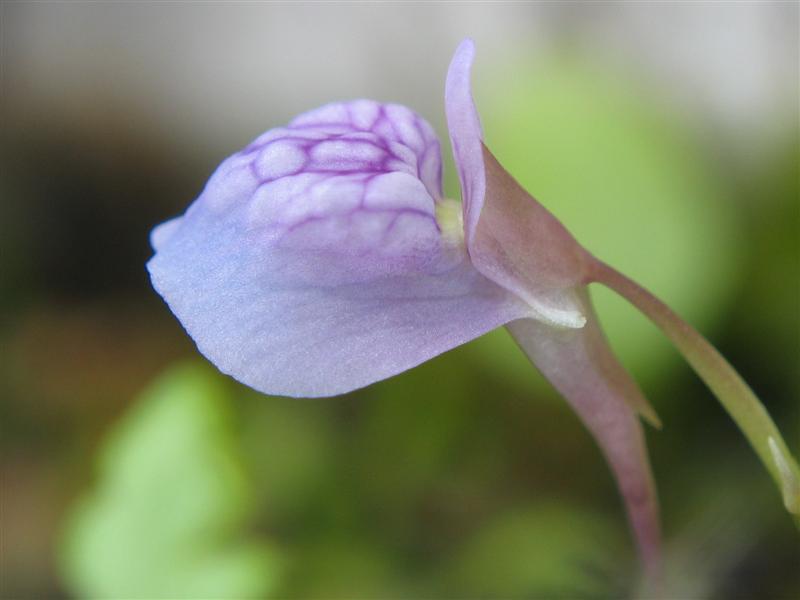
Utricularia graminifolia, commonly known as the grass-like bladderwort or dwarf baby tears, is an intriguing perennial aquatic herb highly prized for its ornamental appeal in freshwater aquariums and terrariums. Belonging to the carnivorous Lentibulariaceae family, this species typically forms dense, lush carpets, reaching heights of 10 to 30 centimeters. Its foliage consists of numerous linear to lanceolate leaves, each measuring 2 to 5 centimeters in length and approximately 0.5 centimeters in width, exhibiting a vibrant bright green hue and a soft, delicate texture that gives it its characteristic grass-like appearance.
Delicate, lavender to purple flowers emerge on slender racemes that can extend up to 30 centimeters above the water surface, offering a charming visual contrast to its verdant mat. Utricularia graminifolia thrives in shallow freshwater habitats such as marshes, wetlands, and pond margins, with a natural distribution spanning regions of North America, South America, and Southeast Asia. A hallmark of this species, like other bladderworts, is its unique morphological adaptation: specialized, tiny bladders hidden within its submerged structures.
These bladders function as sophisticated traps, actively capturing and digesting microscopic aquatic organisms to supplement the plant’s nutrient intake in typically nutrient-poor environments. Beyond its aesthetic value, the dense mats formed by this species provide crucial microhabitats and shelter for various small aquatic life forms, contributing to the ecological balance of its aquatic ecosystems.
Trusted Scientific References
1. Authoritative external sources for Utricularia graminifolia
1.1 Wikipedia — Utricularia graminifolia
1.2 Kew POWO (Plants of the World Online)
1.3 PubMed — peer-reviewed research
1.4 NCBI Taxonomy Browser
1.5 GBIF — Global Biodiversity
1.6Utricularia Graminifolia should be interpreted through verified botanical identity, practical care, and responsible safety language. This recovery note adds the missing context needed for a complete profile: match light to the plant's habit, use well-drained soil, water according to season, and avoid unsupported medicinal or edible claims. For publishing, the plant can be presented as a source-backed indoor plant with clear care guidance, common problem diagnosis, and conservative safety wording.
1.1.Utricularia Graminifolia — Key Features
- ✓ <strong>Plant Type</strong> — Perennial aquatic carnivorous herb, forming dense submerged mats.
- ✓ <strong>Habitat</strong> — Thrives in shallow freshwater, including marshes, wetlands, and pond edges.
- ✓ <strong>Leaves</strong> — Slender, grass-like, linear to lanceolate, bright green, contributing to its carpeting habit.
- ✓ <strong>Flowers</strong> — Delicate lavender to purple flowers emerge on thin racemes above the water surface.
- ✓ <strong>Growth Rate</strong> — Exhibits a fast growth rate under optimal conditions, quickly forming lush carpets.
- ✓ <strong>Carnivorous Nature</strong> — Possesses specialized bladders to trap and digest microscopic aquatic organisms.
- ✓ <strong>Cultivation</strong> — Highly esteemed and relatively easy to cultivate in freshwater aquariums and paludariums.
- ✓ <strong>Maintenance</strong> — Requires moderate to high light, soft acidic water, and benefits from CO2 supplementation; minimal nutrient fertilization needed.
- ✓ <strong>Humidity Requirement</strong> — Critical for emersed growth in terrariums, demanding very high ambient humidity.
- ✓ <strong>Ecological Role</strong> — Provides microhabitats for small aquatic life, enhancing biodiversity in enclosed ecosystems.
1.2.Utricularia Graminifolia — Quick Summary
- ✓ Utricularia graminifolia, or Grass-leaved Bladderwort, is a carnivorous perennial aquatic herb native to North America, South America, and Southeast Asia.
- ✓ Primarily valued for its ornamental qualities, it forms dense, grass-like carpets in aquariums and terrariums.
- ✓ It features unique bladders for capturing tiny aquatic organisms, thriving in nutrient-poor, acidic freshwater conditions.
- ✓ Traditionally, other Utricularia species have been explored for potential diuretic, expectorant, and anti-inflammatory properties, but specific medicinal research on U. graminifolia is nascent.
- ✓ Cultivation is relatively easy in appropriate aquatic setups, requiring moderate to high light and soft, acidic water.
- ✓ Considered safe for ornamental use, but human internal medicinal use lacks scientific validation and specific safety data.
2.Utricularia Graminifolia — Scientific Identity
3.Utricularia Graminifolia — Quick Facts
4.Utricularia Graminifolia — Appearance & Identification
5.Utricularia Graminifolia — Native Habitat
6.Utricularia Graminifolia — Water Requirements
- ✓ Submerged Growth — Best cultivated fully submerged in an aquarium or paludarium to mimic its natural aquatic habitat.
- ✓ Lighting Requirements — Requires moderate to high lighting (2-3 watts per gallon is ideal) for vigorous growth and dense carpeting.
- ✓ Substrate Preference — Thrives in a nutrient-poor, inert substrate like sand or fine gravel; avoids rich substrates which can promote algae.
- ✓ Water Parameters — Prefers soft, acidic water with a pH of 6.0-7.0 and temperatures between 20-28°C (68-82°F).
- ✓ CO2 Supplementation — Benefits significantly from CO2 injection to encourage faster growth and denser mat formation.
- ✓ Nutrient Management — Minimal fertilization is needed; relies on its carnivorous bladders for supplemental nutrients from aquatic microorganisms.
- ✓ Humidity for Emersed Growth — If grown emersed in a terrarium, requires extremely high humidity to prevent desiccation.
- ✓ Propagation — Easily propagated by simply dividing existing mats or planting small sprigs into the substrate.
Reviewed by the Flora Medical Global Botanical Review Panel
Multi-disciplinary editorial group · Botany · Ethnobotany · Herbal-medicine literature
Who reviewed this: This page was checked by the Flora Medical Global Botanical Review Panel — an in-house editorial group of botany graduates, ethnobotany researchers, and horticulture practitioners who collectively maintain our 7,000+ plant encyclopedia. Meet the team.
Our 4-step verification process
1. Taxonomic verification
Scientific names and synonyms cross-checked against Kew POWO, World Flora Online, and The Plant List.
2. Phytochemical & medicinal cross-reference
Active compounds, traditional uses, and reported activities are cross-referenced with PubMed, USDA Dr. Duke's database, and peer-reviewed ethnobotanical literature.
3. Conservation & distribution check
Distribution, ecology, and conservation status confirmed against GBIF occurrence records and the IUCN Red List.
4. Editorial & safety review
Every entry passes an editorial pass for clarity, originality, and safety notices (toxicity, contraindications, dosage caveats) before publication.
Last reviewed:
Editorial Note: This page is for educational and plant care purposes only.
Written by: Flora Medical Global Editorial Team
Reviewed by: Flora Medical Global Botanical Review Panel
Last Updated: June 15, 2026







Utricularia Graminifolia — Comments & Community Reviews
Rate this plant