
Care Disclaimer: Plant care recommendations are general guidelines based on common growing conditions. Individual results may vary based on your local environment, climate, and care routine. If your plant is toxic, keep it away from children and pets, and consult a veterinarian if accidental ingestion occurs.
1.Wandering Jew — Overview
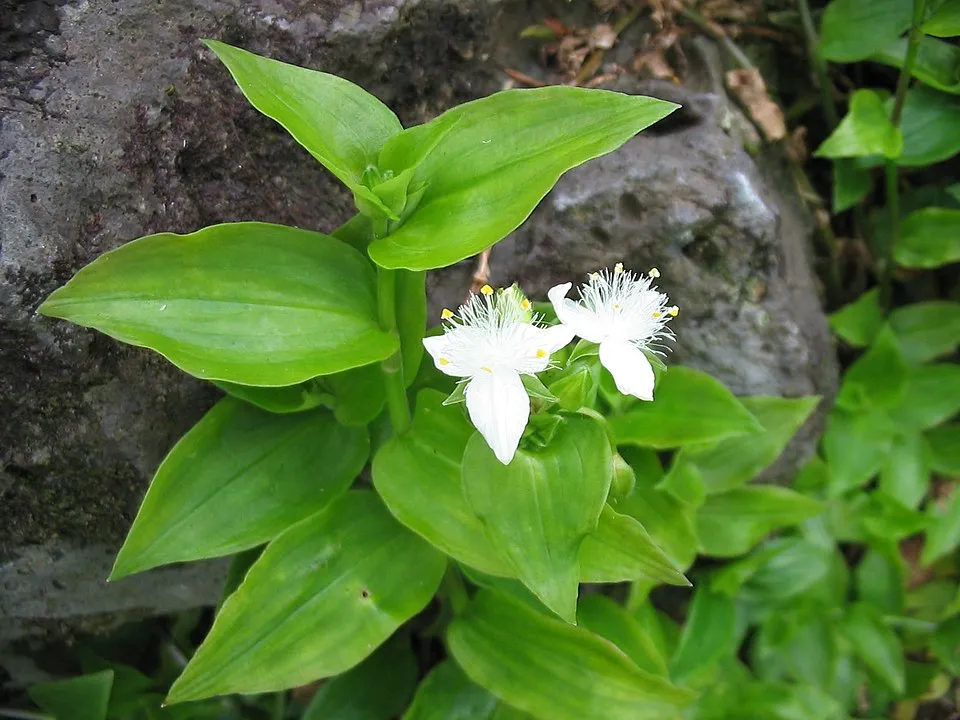
Tradescantia fluminensis, widely recognized as Wandering Jew, Small-leaf Spiderwort, or River Spiderwort, is a vigorous, evergreen perennial herbaceous plant native to the humid subtropical and tropical regions of South America, specifically southeastern Brazil, northern Argentina, and Uruguay. Its global horticultural journey commenced in the 19th century, prized for its robust growth, striking foliage, and adaptability as a groundcover or hanging basket specimen.
The plant belongs to the Commelinaceae family, which encompasses a diverse array of spiderworts.
The controversial common name, 'Wandering Jew,' is believed to stem from its rapid, sprawling growth habit and exceptional ability to root effortlessly from detached stem fragments, mirroring the legendary figure's perpetual movement. However, due to the name's historical and cultural connotations, alternative designations like 'Wandering Dude' or 'Inch Plant' are increasingly preferred.
In its natural environment, T. fluminensis thrives in moist, shaded locales, frequently forming dense mats along forest floors, riverbanks, and marshy areas. Botanically, it is characterized by succulent stems, often displaying reddish or purplish hues, that readily root at each node.
The leaves are ovate-elliptical, presenting a glossy green upper surface, frequently contrasted by a purplish underside, and are arranged alternately along the stem. Delicate, three-petaled white flowers, adorned with prominent yellow anthers, typically emerge from the leaf axils during summer, though sporadic flowering can occur throughout the year under optimal conditions. While predominantly valued for its aesthetic appeal in Western cultures, traditional medicine systems, particularly among indigenous communities in South America, have historically explored its ethnomedicinal properties.
Trusted Scientific References
1. Authoritative external sources for Tradescantia fluminensis
1.1 Wikipedia — Tradescantia fluminensis
1.2 Kew POWO (Plants of the World Online)
1.3 PubMed — peer-reviewed research
1.4 NCBI Taxonomy Browser
1.5 GBIF — Global Biodiversity
1.1.Wandering Jew — Key Features
- ✓ <strong>Common Name</strong> — Wandering Jew, Small-leaf Spiderwort, River Spiderwort.
- ✓ <strong>Scientific Name</strong> — Tradescantia fluminensis.
- ✓ <strong>Family</strong> — Commelinaceae, known for other spiderworts and ornamental species.
- ✓ <strong>Native Habitat</strong> — Humid subtropical and tropical regions of South America (Brazil, Argentina, Uruguay).
- ✓ <strong>Growth Habit</strong> — Fast-growing, evergreen perennial, trailing or groundcover.
- ✓ <strong>Distinctive Foliage</strong> — Ovate-elliptical leaves, glossy green above, often purplish underneath; succulent stems.
- ✓ <strong>Rooting at Nodes</strong> — Easily propagates from stem fragments that root readily at nodes.
- ✓ <strong>Traditional Uses</strong> — Ethnomedicinal applications include wound healing and diuretic properties.
- ✓ <strong>Phytochemical Profile</strong> — Contains flavonoids, phenolic acids, and triterpenoids, contributing to antioxidant potential.
- ✓ <strong>Ornamental Value</strong> — Widely cultivated globally for its attractive appearance and ease of care.
1.2.Wandering Jew — Quick Summary
- ✓ Wandering Jew (Tradescantia fluminensis) is an ornamental plant with traditional South American medicinal uses.
- ✓ Rich in antioxidants like flavonoids and phenolic acids, offering potential anti-inflammatory benefits.
- ✓ Historically used topically for wound healing and internally as a diuretic, primarily in ethnomedicine.
- ✓ Easy to cultivate but can be invasive; known for rapid growth and rooting from stem fragments.
- ✓ Primarily for external use; ingestion is not recommended due to potential skin and gastrointestinal irritation.
- ✓ Requires careful handling due to potential contact dermatitis in sensitive individuals.
2.Wandering Jew — Scientific Identity
3.Wandering Jew — Quick Facts
4.Wandering Jew — Appearance & Identification
5.Wandering Jew — Native Habitat
6.Wandering Jew — Water Requirements
- ✓ Soil Preference — Thrives in moist, well-draining soil, rich in organic matter, but is highly adaptable to various soil types.
- ✓ Light Requirements — Prefers partial shade to full shade; direct sunlight can scorch its leaves, especially in hotter climates.
- ✓ Watering — Requires consistent moisture; keep the soil evenly damp but not waterlogged. Tolerates brief periods of drought once established.
- ✓ Propagation — Extremely easy to propagate from stem cuttings; simply snip a stem segment and place it in water or moist soil where it will readily root.
- ✓ Temperature and Humidity — Prefers warm, humid conditions, typical of its native subtropical habitat. Protect from frost.
- ✓ Fertilization — Benefits from a balanced liquid fertilizer applied monthly during the growing season (spring and summer) at half strength.
- ✓ Pruning — Regular pruning helps maintain a bushy growth habit and prevents it from becoming leggy; also controls its vigorous spreading.
- ✓ Pest and Disease — Generally robust, but can be susceptible to spider mites, mealybugs, and root rot in overly wet conditions.
Reviewed by the Flora Medical Global Botanical Review Panel
Multi-disciplinary editorial group · Botany · Ethnobotany · Herbal-medicine literature
Who reviewed this: This page was checked by the Flora Medical Global Botanical Review Panel — an in-house editorial group of botany graduates, ethnobotany researchers, and horticulture practitioners who collectively maintain our 7,000+ plant encyclopedia. Meet the team.
Our 4-step verification process
1. Taxonomic verification
Scientific names and synonyms cross-checked against Kew POWO, World Flora Online, and The Plant List.
2. Phytochemical & medicinal cross-reference
Active compounds, traditional uses, and reported activities are cross-referenced with PubMed, USDA Dr. Duke's database, and peer-reviewed ethnobotanical literature.
3. Conservation & distribution check
Distribution, ecology, and conservation status confirmed against GBIF occurrence records and the IUCN Red List.
4. Editorial & safety review
Every entry passes an editorial pass for clarity, originality, and safety notices (toxicity, contraindications, dosage caveats) before publication.
Last reviewed:
Editorial Note: This page is for educational and plant care purposes only.
Written by: Flora Medical Global Editorial Team
Reviewed by: Flora Medical Global Botanical Review Panel
Last Updated: June 15, 2026







Wandering Jew — Comments & Community Reviews
Rate this plant