
Care Disclaimer: Plant care recommendations are general guidelines based on common growing conditions. Individual results may vary based on your local environment, climate, and care routine. If your plant is toxic, keep it away from children and pets, and consult a veterinarian if accidental ingestion occurs.
1.Zamioculcas Lucky Classic — Overview
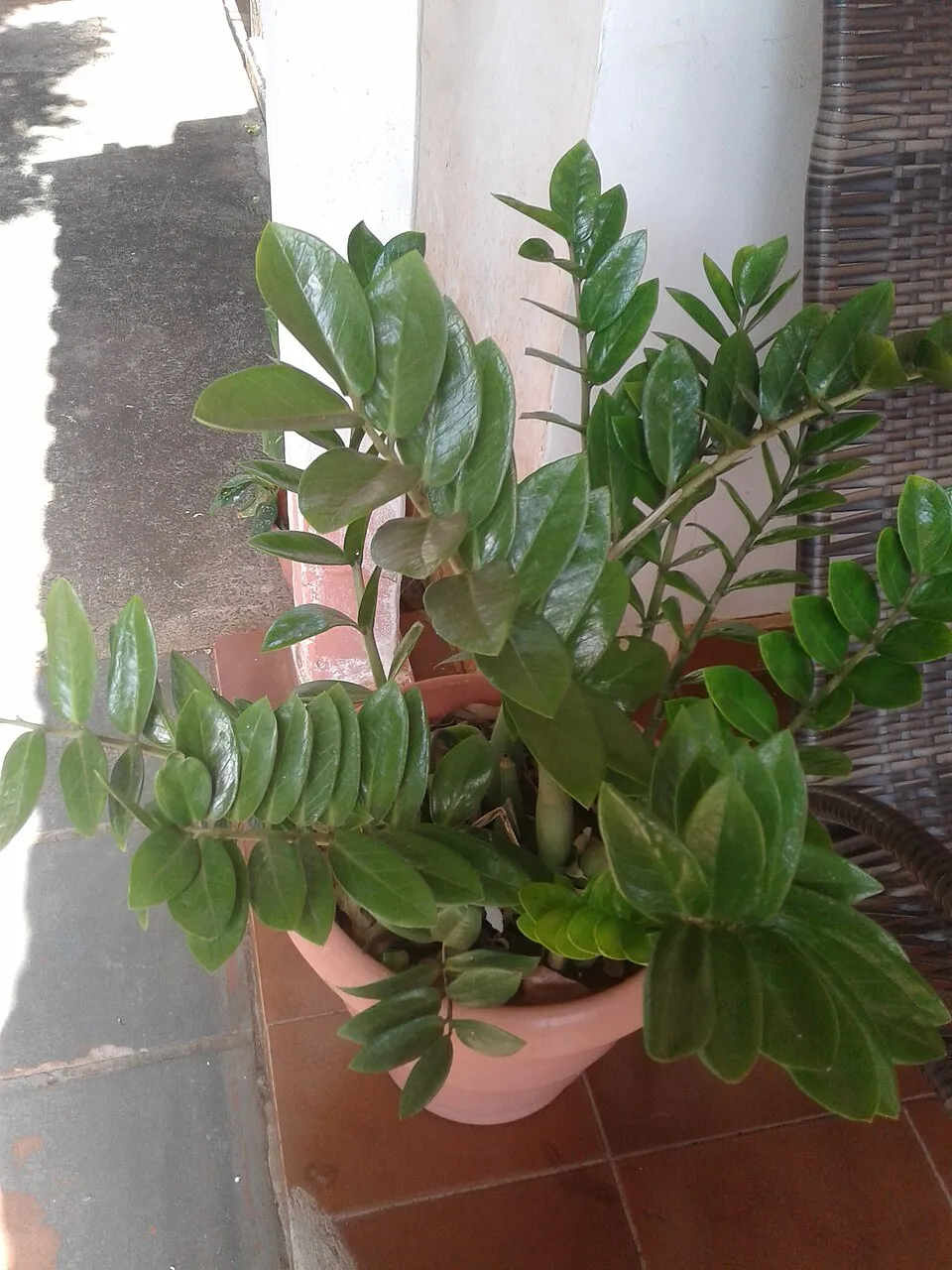
Zamioculcas Lucky Classic, scientifically known as Zamioculcas zamiifolia classic, is a distinctive herbaceous perennial belonging to the Araceae family, native to the dry tropical and subtropical regions of East Africa, including Kenya, Tanzania, and Zanzibar. This resilient plant is characterized by its remarkable glossy, dark green, pinnate leaves that emerge gracefully from thick, fleshy, succulent stems, typically reaching heights of 60 to 90 centimeters.
The compound, feather-like leaves can extend 25 to 35 centimeters, featuring elliptical to ovate leaflets that possess a naturally polished sheen. Its stems, often described as having a bark-like texture, are highly adapted for water storage, reflecting its drought-resistant origins where it thrives in rocky outcrops and dry woodlands, adapting to a wide range of soil conditions.
While primarily cultivated for its ornamental value, Zamioculcas zamiifolia classic rarely produces its small, yellowish spadix inflorescence, encased by a green spathe, when grown indoors. Its upright growth habit and sculptural form contribute significantly to interior aesthetics.
The plant's exceptional tolerance to neglect, irregular watering, and lower light conditions makes it an incredibly popular and accessible houseplant, appealing to both novice and experienced plant enthusiasts. Commonly known as the ZZ plant or Zanzibar Gem, it exemplifies robustness and adaptability in indoor environments.
Trusted Scientific References
1. Authoritative external sources for Zamioculcas zamiifolia classic
1.1 Wikipedia — Zamioculcas zamiifolia classic
1.2 Kew POWO (Plants of the World Online)
1.3 PubMed — peer-reviewed research
1.4 NCBI Taxonomy Browser
1.5 GBIF — Global Biodiversity
1.6Zamioculcas Lucky Classic should be interpreted through verified botanical identity, practical care, and responsible safety language. This recovery note adds the missing context needed for a complete profile: match light to the plant's habit, use well-drained soil, water according to season, and avoid unsupported medicinal or edible claims. For publishing, the plant can be presented as a source-backed indoor plant with clear care guidance, common problem diagnosis, and conservative safety wording.
1.1.Zamioculcas Lucky Classic — Key Features
- ✓ <strong>Botanical Name</strong> — Zamioculcas zamiifolia classic.
- ✓ <strong>Common Names</strong> — ZZ Plant, Zanzibar Gem, Eternity Plant.
- ✓ <strong>Family</strong> — Araceae.
- ✓ <strong>Drought Tolerant</strong> — Stores water efficiently in succulent stems and rhizomes.
- ✓ <strong>Low Light Adaptability</strong> — Thrives in varied light conditions, including low indirect light.
- ✓ <strong>Air Purifier</strong> — Proven to filter airborne toxins like xylene, toluene, and benzene.
- ✓ <strong>Striking Foliage</strong> — Features glossy, dark green, compound leaves with a waxy sheen.
- ✓ <strong>Slow Growth Rate</strong> — Maintains a manageable size, ideal for stable indoor environments.
- ✓ <strong>Toxic Plant</strong> — Contains irritating calcium oxalate crystals in all plant parts.
- ✓ <strong>Easy Care</strong> — Requires minimal watering and infrequent fertilization.
1.2.Zamioculcas Lucky Classic — Quick Summary
- ✓ Resilient ornamental houseplant known for glossy, dark green foliage.
- ✓ Native to East Africa, highly tolerant of drought and low light conditions.
- ✓ Recognized for its indoor air-purifying qualities against common airborne toxins.
- ✓ All parts are toxic if ingested due to calcium oxalate; handle with protective gloves.
- ✓ Low maintenance requirements make it ideal for beginners and busy individuals.
2.Zamioculcas Lucky Classic — Scientific Identity
3.Zamioculcas Lucky Classic — Quick Facts
4.Zamioculcas Lucky Classic — Appearance & Identification
5.Zamioculcas Lucky Classic — Native Habitat
6.Zamioculcas Lucky Classic — Water Requirements
- ✓ Light Requirements — Provide low to bright indirect light; direct sunlight can scorch the glossy leaves, while the plant tolerates and even thrives under fluorescent lighting conditions.
- ✓ Temperature & Humidity — Maintain average room temperatures between 60-75°F (15-24°C) and standard household humidity levels, avoiding placement near drafts from heating or air conditioning vents.
- ✓ Soil Composition — Use a well-draining potting mix, ideally one formulated for succulents or a standard mix amended with perlite or coarse sand to ensure proper drainage and prevent root rot.
- ✓ Watering Schedule — Water sparingly and deeply only when the top 1-2 inches (2.5-5 cm) of soil have completely dried out; overwatering is the most common cause of plant decline.
- ✓ Fertilization — Feed monthly during the active growing seasons of spring and summer using a balanced, all-purpose liquid houseplant fertilizer diluted to half the recommended strength; suspend feeding in winter.
- ✓ Repotting Practices — Repot every two years to refresh the soil or size up if desired, noting its slow growth and preference for being slightly root-bound; choose a pot 1-2 inches wider for growth.
- ✓ Pruning & Maintenance — Prune selectively to remove any yellowing, damaged, or leggy foliage at the base of the stem to maintain shape and health; always wear gloves due to irritating sap.
- ✓ Pest Management — While generally pest-resistant, regularly inspect for common houseplant pests like mealybugs, scale, aphids, or spider mites, treating promptly with insecticidal soap or neem oil.
Reviewed by the Flora Medical Global Botanical Review Panel
Multi-disciplinary editorial group · Botany · Ethnobotany · Herbal-medicine literature
Who reviewed this: This page was checked by the Flora Medical Global Botanical Review Panel — an in-house editorial group of botany graduates, ethnobotany researchers, and horticulture practitioners who collectively maintain our 7,000+ plant encyclopedia. Meet the team.
Our 4-step verification process
1. Taxonomic verification
Scientific names and synonyms cross-checked against Kew POWO, World Flora Online, and The Plant List.
2. Phytochemical & medicinal cross-reference
Active compounds, traditional uses, and reported activities are cross-referenced with PubMed, USDA Dr. Duke's database, and peer-reviewed ethnobotanical literature.
3. Conservation & distribution check
Distribution, ecology, and conservation status confirmed against GBIF occurrence records and the IUCN Red List.
4. Editorial & safety review
Every entry passes an editorial pass for clarity, originality, and safety notices (toxicity, contraindications, dosage caveats) before publication.
Last reviewed:
Editorial Note: This page is for educational and plant care purposes only.
Written by: Flora Medical Global Editorial Team
Reviewed by: Flora Medical Global Botanical Review Panel
Last Updated: June 15, 2026







Zamioculcas Lucky Classic — Comments & Community Reviews
Rate this plant