


Care Disclaimer: Plant care recommendations are general guidelines based on common growing conditions. Individual results may vary based on your local environment, climate, and care routine. If your plant is toxic, keep it away from children and pets, and consult a veterinarian if accidental ingestion occurs.
1.ZZ Plant — Overview
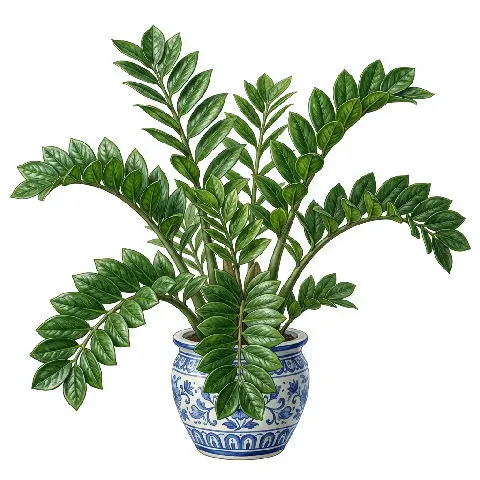
The ZZ Plant, Zamioculcas zamiifolia, is a remarkable perennial herbaceous plant celebrated for its striking architectural form and exceptional resilience, making it a highly popular ornamental houseplant. A monotypic genus within the Araceae family, it is the sole species of Zamioculcas. Native to arid and semi-arid regions of Eastern Africa, spanning from Kenya south to northeastern South Africa, it thrives in rocky, well-drained soils and savannahs, demonstrating an extraordinary adaptation to prolonged drought.
Its morphology is distinctly succulent, characterized by thick, fleshy petioles that emerge from a robust, subterranean rhizome, serving as its primary water storage organ. This allows it to endure extended periods without rainfall. The plant typically reaches 0.6 to 0.9 meters (2 to 3 feet) in cultivation, though it can grow larger in its natural habitat, sometimes reaching over a meter.
The foliage of Zamioculcas zamiifolia is captivating, with each compound leaf comprising 6 to 8 pairs of glossy, dark green, ovate to lanceolate leaflets. These are pinnately arranged along the fleshy petiole, which is swollen at the base, providing additional water storage. The leaflets are thick, leathery, and possess a waxy cuticle, further minimizing water loss through transpiration.
Despite its lush, tropical appearance, it is inherently tough. While rare in indoor settings, the ZZ Plant produces an unassuming inflorescence typical of the Araceae family: a small, yellowish-brown to bronze spadix, 5-8 cm (2-3 inches) long, partially enveloped by a boat-shaped, green-to-brownish spathe, emerging discreetly at the plant's base. This species is considered a "living fossil," having evolved as early as 42 million years ago, a testament to its enduring survival through significant climate changes and microbial attacks.
Trusted Scientific References
1. Authoritative external sources for Zamioculcas zamiifolia
1.1 Wikipedia — Zamioculcas zamiifolia
1.2 Kew POWO (Plants of the World Online)
1.3 PubMed — peer-reviewed research
1.4 NCBI Taxonomy Browser
1.5 GBIF — Global Biodiversity
1.1.ZZ Plant — Key Features
- ✓ <strong>Extreme Drought Tolerance</strong> — Adapts to arid conditions with water-storing rhizomes and fleshy petioles.
- ✓ <strong>Low Maintenance</strong> — Requires minimal care, making it ideal for novice gardeners.
- ✓ <strong>Glossy, Dark Green Foliage</strong> — Aesthetically appealing, contributing to its popularity as an ornamental.
- ✓ <strong>"Living Fossil" Status</strong> — Ancient plant lineage, evolved over 42 million years, indicating robust survival mechanisms.
- ✓ <strong>Rhizomatous Structure</strong> — Unique underground storage system for water and nutrients.
- ✓ <strong>Monotypic Genus</strong> — The sole species within its genus, Zamioculcas.
- ✓ <strong>Resilience to Pests and Diseases</strong> — Generally robust against common plant ailments.
- ✓ <strong>Adaptable to Low Light</strong> — Thrives in various indoor light conditions.
- ✓ <strong>Unique Inflorescence</strong> — Produces a typical Araceae spadix and spathe, though rarely seen indoors.
- ✓ <strong>Air Purification Claims</strong> — Often marketed for improving indoor air quality, though scientific evidence for significant impact in typical home settings varies.
1.2.ZZ Plant — Quick Summary
- ✓ Zamioculcas zamiifolia is a resilient, drought-tolerant "living fossil" from Eastern Africa.
- ✓ Traditionally used for inflammation, earache, and ulcers in topical applications.
- ✓ Contains beneficial flavonoids like apigenin derivatives with antioxidant potential.
- ✓ While historically deemed toxic, recent research suggests low systemic lethality.
- ✓ Primarily an ornamental, its medicinal use requires external application and caution.
- ✓ Easy to cultivate indoors, preferring bright, indirect light and infrequent watering.
2.ZZ Plant — Scientific Identity
3.ZZ Plant — Quick Facts
4.ZZ Plant — Appearance & Identification
5.ZZ Plant — Native Habitat
6.ZZ Plant — Water Requirements
- ✓ Light — Thrives in bright, indirect light but tolerates low-light conditions, making it highly adaptable for indoor cultivation.
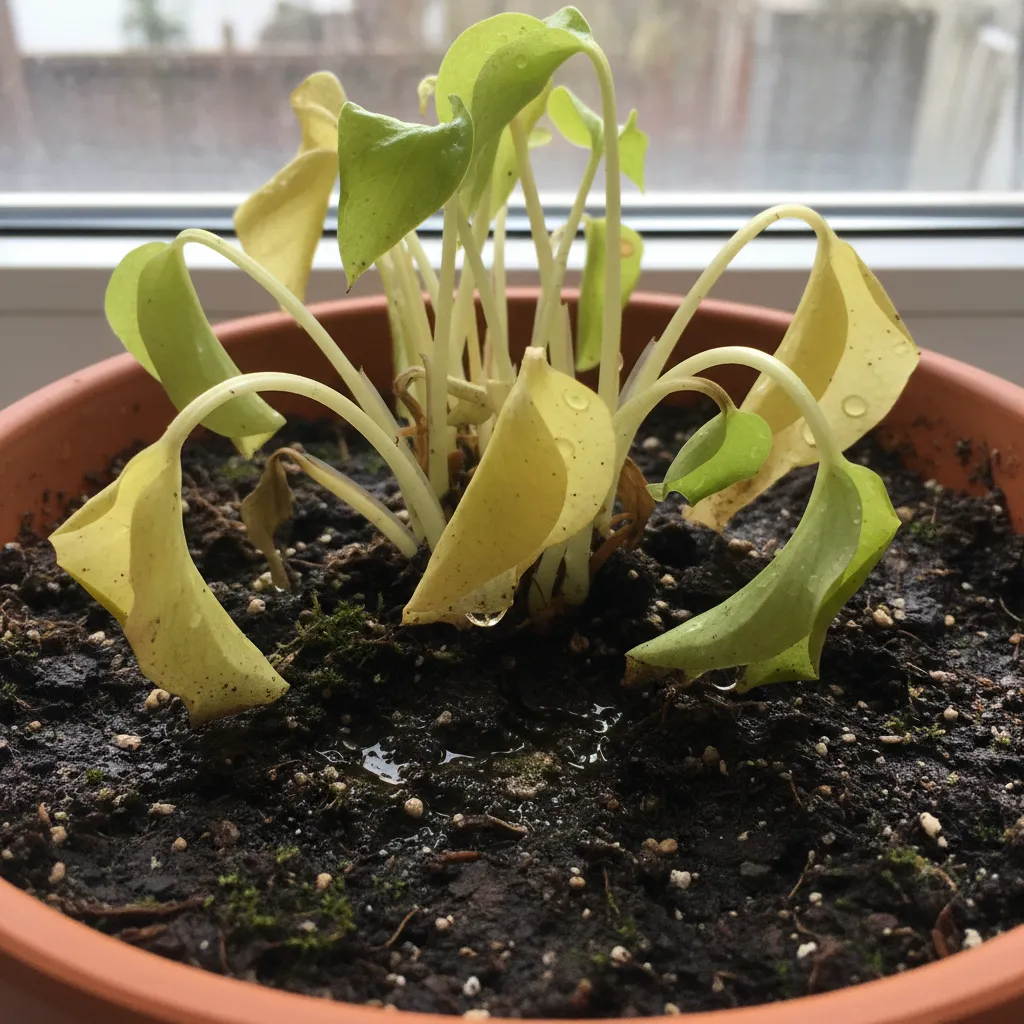
- ✓ Water — Extremely drought-tolerant; allow soil to dry out completely between waterings to prevent rhizome rot. Overwatering is the most common cause of ZZ Plant failure.
- ✓ Soil — Prefers well-draining soil, ideally a mix formulated for succulents or cacti, to ensure adequate aeration and prevent waterlogging.
- ✓ Temperature — Best grown in temperatures between 18-26°C (65-79°F); sensitive to cold drafts and temperatures below 10°C (50°F).
- ✓ Humidity — Tolerates average household humidity levels, no special requirements are usually needed.
- ✓ Fertilization — Fertilize sparingly, once or twice during the growing season (spring/summer) with a balanced liquid fertilizer diluted to half strength.
- ✓ Propagation — Easily propagated from leaf cuttings or by dividing the rhizome; leaf cuttings can take several months to root.
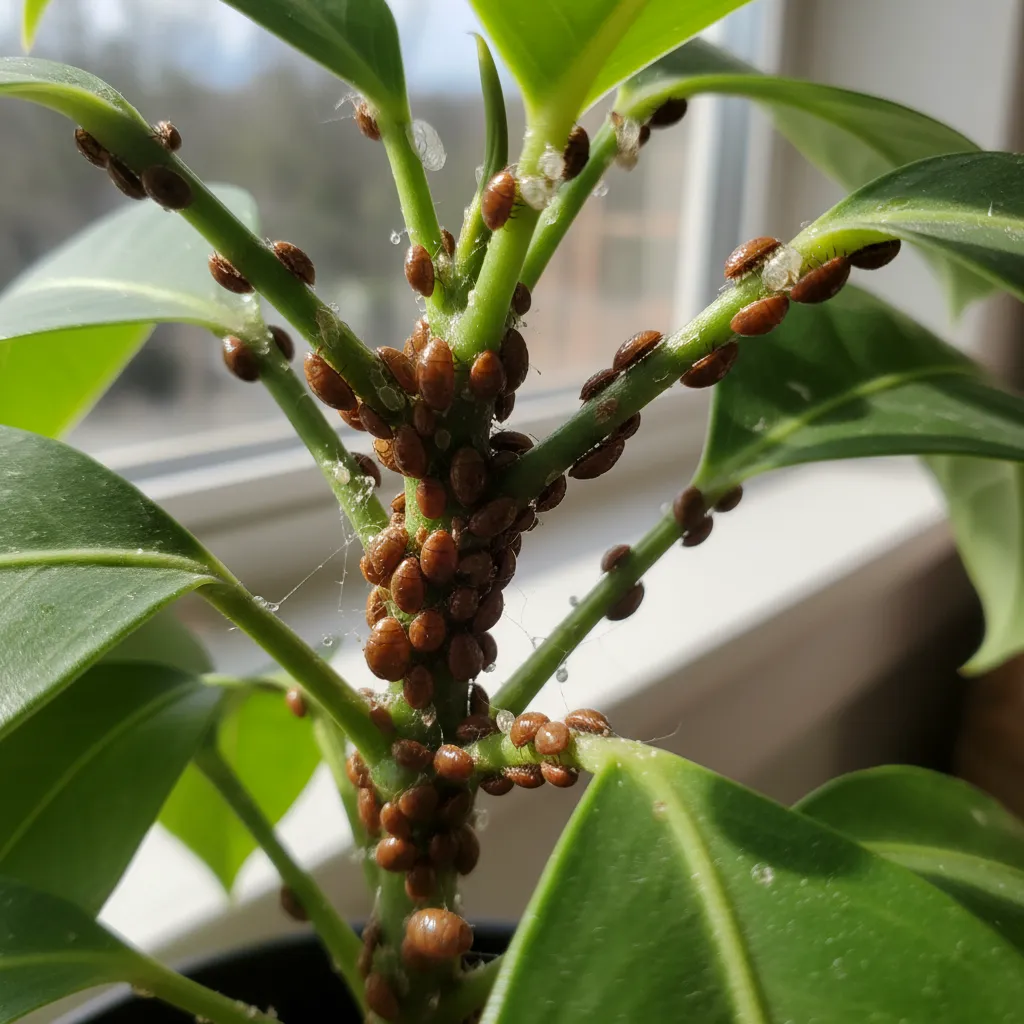
- ✓ Pests & Diseases — Generally pest-resistant; watch for common houseplant pests like spider mites or mealybugs, especially if stressed. Root rot is the primary disease concern from overwatering.
Reviewed by the Flora Medical Global Botanical Review Panel
Multi-disciplinary editorial group · Botany · Ethnobotany · Herbal-medicine literature
Who reviewed this: This page was checked by the Flora Medical Global Botanical Review Panel — an in-house editorial group of botany graduates, ethnobotany researchers, and horticulture practitioners who collectively maintain our 7,000+ plant encyclopedia. Meet the team.
Our 4-step verification process
1. Taxonomic verification
Scientific names and synonyms cross-checked against Kew POWO, World Flora Online, and The Plant List.
2. Phytochemical & medicinal cross-reference
Active compounds, traditional uses, and reported activities are cross-referenced with PubMed, USDA Dr. Duke's database, and peer-reviewed ethnobotanical literature.
3. Conservation & distribution check
Distribution, ecology, and conservation status confirmed against GBIF occurrence records and the IUCN Red List.
4. Editorial & safety review
Every entry passes an editorial pass for clarity, originality, and safety notices (toxicity, contraindications, dosage caveats) before publication.
Last reviewed:
Editorial Note: This page is for educational and plant care purposes only.
Written by: Flora Medical Global Editorial Team
Reviewed by: Flora Medical Global Botanical Review Panel
Last Updated: June 15, 2026







ZZ Plant — Comments & Community Reviews
Rate this plant