


Medical Disclaimer: This content is for educational purposes only. It is not medical advice. Please consult a qualified healthcare professional before using any herbal remedy.
Safety Overview
1.Achillea Millefolium — Introduction & Highlights
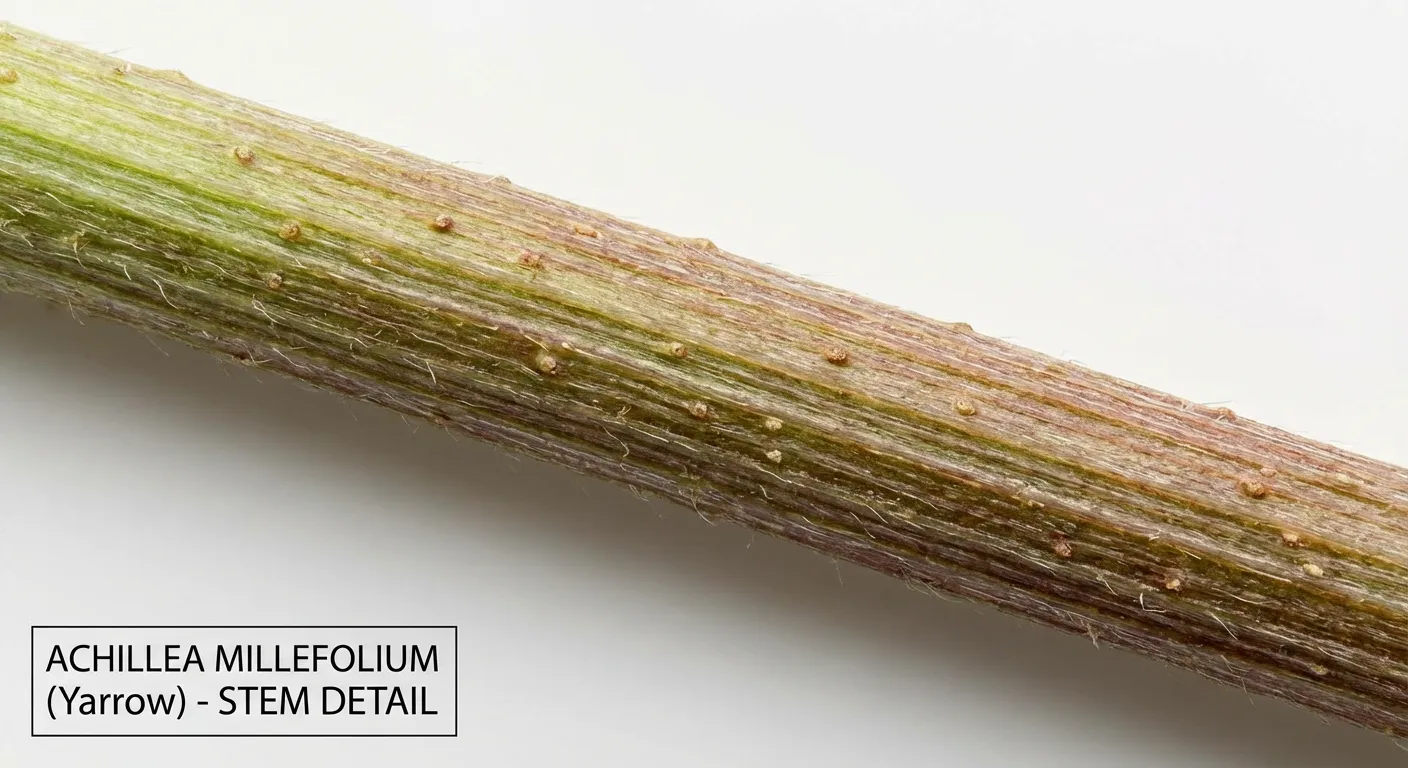
Achillea millefolium, universally recognized as Yarrow, is a resilient perennial herbaceous flowering plant belonging to the expansive Asteraceae family. This adaptable species naturally inhabits temperate zones across the Northern Hemisphere, including vast stretches of Asia, Europe, and North America. Yarrow flourishes in diverse ecological niches such as open meadows, fertile pastures, and even disturbed landscapes, a testament to its ecological versatility and hardiness. Morphologically, Yarrow is distinguished by its intricately dissected, fern-like leaves, which are alternately arranged along its stem. This characteristic appearance inspired its species name 'millefolium,' aptly translating to 'thousand-leaved.' The plant typically achieves a height of 20 to 100 centimeters and produces dense, flattened clusters, known as corymbs, of small, composite flowers.
These blooms are predominantly white, though variations in shades of pink or yellow are common, gracing the landscape from late spring through late fall. Historically, Achillea millefolium has been profoundly valued for its potent hemostatic capabilities, earning it evocative epithets such as 'Soldier's Woundwort' and 'Herbal Militaris.' Its legendary use extends back to ancient Greek mythology, where the hero Achilles is fabled to have employed it to staunch the wounds of his soldiers. Beyond its military associations, Yarrow has served as a pivotal remedy in various traditional medicine systems across cultures. European folk medicine traditionally utilized it for alleviating colds, fevers, digestive discomforts, and as a diuretic. Traditional Chinese Medicine (TCM) highlights its efficacy in arresting bleeding, invigorating circulation, and assuaging pain.
While not extensively detailed in classical Ayurvedic texts, contemporary Ayurvedic practitioners integrate Yarrow for its properties that pacify Pitta and balance Kapha, particularly in instances of internal hemorrhage or febrile states. Unani medicine prescribes Yarrow for conditions such as hemorrhoids, menstrual irregularities, and urinary tract infections. Culturally, Yarrow has been imbued with symbolism pertaining to love, protection, and divination, frequently appearing in ancient rituals and charms. The plant's distinctive, often pungent, aroma when crushed is attributed to its complex array of volatile compounds. Trusted Scientific References Authoritative external sources for Achillea millefolium : Wikipedia — Achillea millefolium ...[CURRENT TEXT EXISTS: 2619 chars]
1.1.Achillea Millefolium — Defining Traits
- ✓Perennial herbaceous flowering — Perennial herbaceous flowering plant.
- ✓Finely dissected, fern — like leaves.
- ✓Produces flattened clusters — Produces flattened clusters (corymbs) of white, pink, or yellow flowers.
- ✓Renowned for potent hemostatic (blood — stopping) properties.
- ✓Possesses significant anti — inflammatory and antioxidant effects.
- ✓Historically utilized in — Historically utilized in diverse traditional medicine systems globally.
- ✓Contains a rich — Contains a rich array of essential oils, flavonoids, and sesquiterpene lactones.
- ✓Known for potential — Known for potential interactions with Cytochrome P450 enzymes.
- ✓Adapts to various — Adapts to various temperate habitats across the Northern Hemisphere.
- ✓Characterized by a — Characterized by a distinct, aromatic foliage when crushed.
1.2.Achillea Millefolium — Snapshot Summary
- ✓Ancient wound-healing herb with hemostatic properties.
- ✓Exhibits significant anti-inflammatory and antioxidant activities.
- ✓Supports digestive health and menstrual regularity.
- ✓Important contraindications include pregnancy and Asteraceae allergies.
- ✓Potential for drug interactions, especially with CYP450-metabolized medications.
- ✓A versatile perennial belonging to the Asteraceae family.
2.Achillea Millefolium — Taxonomic Classification
3.Achillea Millefolium — Quick Facts
4.Achillea Millefolium — Structural Profile
5.Achillea Millefolium — Where It Grows
6.Achillea Millefolium — Cultural & Traditional Roles
7.Achillea Millefolium — Bioactive Constituents
- ✓Essential Oils (Monoterpenes & Sesquiterpenes) — Comprising up to 90% of the essential oil, key compounds include Camphene, Limonene, Camphor, α- and β-Pinene, and Chamazulene, known for anti-inflammatory and antiseptic effects.
- ✓Flavonoids — Important examples are Apigenin, Rutin, Lutein, Morin, Myricetin, Naringin, and Naringenin, which contribute significant antioxidant and anti-inflammatory activities.
- ✓Sesquiterpene Lactones — This group includes Achillinin A, Millifolide A, B, C, and seco-tanapartholide derivatives, responsible for bitter taste and cytotoxic, anti-inflammatory properties.
- ✓Alkamides — Known for their immunomodulatory and anti-inflammatory effects, though specific compounds in Achillea millefolium may vary.
- ✓Coumarins — Present in smaller amounts, these compounds can have anticoagulant and antispasmodic properties.
- ✓Polyacetylenes — These compounds show potential antimicrobial and cytotoxic activities.
- ✓Tannins — Provide astringent properties, useful for wound healing and reducing inflammation.
- ✓Alkaloids — Such as Achillicine (or Achilleine), historically associated with Yarrow's hemostatic activity, though its direct mechanism is still debated.
- ✓Phenolic Acids — Including caffeic acid and chlorogenic acid, contributing to antioxidant capacity.
- ✓Terpenoids — A broad category encompassing both monoterpenes and sesquiterpenes, crucial for the plant's aroma and therapeutic effects.
8.Achillea Millefolium — Research Insights
- ✓Hemostatic Properties — Yarrow is traditionally renowned for its ability to staunch bleeding, a property attributed to its volatile oils and alkaloids that promote coagulation.
- ✓Anti-inflammatory Action — Studies indicate that compounds like apigenin and sesquiterpene lactones inhibit cyclooxygenase and prostaglandin E2, reducing inflammation.
- ✓Antioxidant Activity — Rich in flavonoids and phenolic acids, Achillea millefolium acts as a strong antioxidant, protecting cells from oxidative stress.
- ✓Antispasmodic Effects — It helps relieve smooth muscle spasms, particularly beneficial for spasmodic gastrointestinal ulcers and menstrual cramps.
- ✓Wound Healing — Historical and modern uses demonstrate Yarrow's efficacy in promoting the healing of wounds, likely due to its antiseptic and anti-inflammatory constituents.
- ✓Febrifuge (Fever Reducer) — Traditionally used to induce sweating and reduce fevers, contributing to its role in treating colds and flu.
- ✓Digestive Aid — Yarrow can stimulate digestive secretions, improve appetite, and alleviate various digestive complaints, including dyspepsia and flatulence.
- ✓Diuretic Action — It promotes increased urine production, aiding in the detoxification process and potentially supporting urinary tract health.
- ✓Menstrual Support — Historically used to regulate menstrual cycles and alleviate dysmenorrhea (painful menstruation), likely due to its antispasmodic properties.
- ✓Antimicrobial/Antibiotic Potential — Certain constituents exhibit mild antimicrobial activity, contributing to its traditional use in treating infections.
- ✓Circulatory Enhancement — In Traditional Chinese Medicine, Yarrow is valued for its ability to invigorate blood circulation and disperse stagnation.
- ✓Anticancer Potential — Preliminary research suggests that some compounds in Yarrow may possess cytotoxic effects against various cancer cell lines, warranting further investigation.
8.1.Achillea Millefolium — Therapeutic Indications
9.Achillea Millefolium — Precautions & Warnings
9.1.Achillea Millefolium — Side Effects & Warnings
- ✓Allergic Reactions — Individuals sensitive to the Asteraceae family (ragweed, daisies, chrysanthemums) may experience allergic contact dermatitis or other allergic responses.
- ✓Photosensitivity — Topical application of Yarrow, especially the essential oil, can increase skin sensitivity to sunlight, leading to sunburn or rashes.
- ✓Gastrointestinal Upset — High doses or prolonged internal use may cause nausea, vomiting, or diarrhea in some individuals.
- ✓Drowsiness — Rarely, Yarrow preparations may cause mild sedation or drowsiness.
- ✓Skin Irritation — Undiluted essential oil or strong fresh plant material can cause skin irritation or rashes upon direct contact.
- ✓Increased Bleeding Risk — Due to potential antiplatelet activity, Yarrow may theoretically increase bleeding risk, especially when combined with anticoagulant medications.
- ✓Uterine Stimulation — Historically used as an emmenagogue, it may stimulate uterine contractions, making it contraindicated in pregnancy.
9.2.Achillea Millefolium — Safety Overview
- ✓Pregnancy and Lactation — Absolutely contraindicated during pregnancy due to potential emmenagogue effects; use during lactation should be avoided or done under strict medical supervision.
- ✓Asteraceae Allergy — Individuals with known allergies to plants in the daisy family (Asteraceae/Compositae) should avoid Yarrow to prevent allergic reactions.
- ✓Drug Interactions — Yarrow can inhibit Cytochrome P450 enzymes (CYP450), potentially altering the metabolism and increasing concentrations of drugs like Erythromycin, Diazepam, and Cyclosporine.
- ✓Anticoagulant Medications — Use with caution or avoid if taking blood thinners (e.g., warfarin, aspirin) due to Yarrow's potential to increase bleeding risk.
- ✓Photosensitivity Warning — Advise against prolonged sun exposure after topical application of Yarrow preparations to prevent phototoxic reactions.
- ✓Surgery — Discontinue Yarrow at least two weeks before any scheduled surgery due to its potential impact on blood clotting.
- ✓Children and Infants — Consult a qualified healthcare practitioner before administering Yarrow to children or infants.
10.Achillea Millefolium — How to Use
- ✓Herbal Infusion (Tea) — Steep 1-2 teaspoons of dried Yarrow flowers and leaves in hot water for 10-15 minutes; used for colds, fevers, and digestive issues.
- ✓Tincture — A concentrated alcohol extract of the aerial parts; typically taken in drops for systemic effects like immune support or menstrual regulation.
- ✓Poultice/Compress — Freshly crushed leaves or a strong tea-soaked cloth applied topically to wounds, bruises, or inflammatory skin conditions.
- ✓Essential Oil (Diluted) — Yarrow essential oil must be heavily diluted in a carrier oil (e.g., jojoba, almond) before topical application for pain relief or muscle relaxation.
- ✓Capsules/Tablets — Standardized extracts or dried powdered herb encapsulated for convenient internal use, adhering to recommended dosages.
- ✓Sitz Bath — A strong Yarrow infusion added to bathwater can be used as a sitz bath to soothe hemorrhoids or alleviate urinary tract discomfort.
- ✓Herbal Vinegar — Infusing Yarrow in apple cider vinegar creates a tonic useful for hair rinses or as a digestive aid.
- ✓Culinary Use — Young Yarrow leaves can be added sparingly to salads or cooked dishes for a slightly bitter, aromatic flavor, but use with caution due to strong taste.
11.Achillea Millefolium — Growth Requirements
- ✓Soil Preference — Thrives in well-drained, average to poor soils; tolerates a wide range of pH levels.
- ✓Sunlight Requirements — Prefers full sun (at least 6 hours daily) for optimal growth and flowering, though it can tolerate light shade.
- ✓Watering Regime — Drought-tolerant once established; water moderately until established, then only during prolonged dry periods.
- ✓Propagation Techniques — Easily propagated by seed in spring or fall, or by division of rhizomes in spring.
- ✓Hardiness Zones — Hardy in USDA zones 3-9, adapting to various climates.
- ✓Pest and Disease Resistance — Generally robust and resistant to most pests and diseases, making it a low-maintenance plant.
- ✓Harvesting — Aerial parts (leaves, flowers) are typically harvested when the plant is in full bloom, usually late spring to early fall.
- ✓Maintenance — Deadhead spent flowers to encourage further blooming and prevent self-seeding; divide every 2-3 years to maintain vigor.
Reviewed by the Flora Medical Global Botanical Review Panel
Multi-disciplinary editorial group · Botany · Ethnobotany · Herbal-medicine literature
Who reviewed this: This page was checked by the Flora Medical Global Botanical Review Panel — an in-house editorial group of botany graduates, ethnobotany researchers, and horticulture practitioners who collectively maintain our 7,000+ plant encyclopedia. Meet the team.
Our 4-step verification process
1. Taxonomic verification
Scientific names and synonyms cross-checked against Kew POWO, World Flora Online, and The Plant List.
2. Phytochemical & medicinal cross-reference
Active compounds, traditional uses, and reported activities are cross-referenced with PubMed, USDA Dr. Duke's database, and peer-reviewed ethnobotanical literature.
3. Conservation & distribution check
Distribution, ecology, and conservation status confirmed against GBIF occurrence records and the IUCN Red List.
4. Editorial & safety review
Every entry passes an editorial pass for clarity, originality, and safety notices (toxicity, contraindications, dosage caveats) before publication.
Last reviewed:
Important medical disclaimer: This content is for educational and research purposes only. It is not medical advice and is not a substitute for consultation with a licensed healthcare provider. Do not use any herb to self-treat a medical condition without professional guidance.
Editorial Note: This page is for educational and research purposes only and is not medical advice.
Written by: Flora Medical Global Editorial Team
Reviewed by: Flora Medical Global Botanical Review Panel
Last Updated: June 15, 2026





Achillea Millefolium — Comments & Community Reviews
Rate this plant