

Medical Disclaimer: This content is for educational purposes only. It is not medical advice. Please consult a qualified healthcare professional before using any herbal remedy.
Safety Overview
1.Adhatoda — Plant Snapshot

Justicia adhatoda, commonly known as Adhatoda or Malabar Nut, is a prominent evergreen shrub belonging to the Acanthaceae family. Native to the tropical and subtropical regions of Asia, particularly the Indian subcontinent, it also thrives in parts of Southeast Asia and Africa. This robust shrub typically reaches a height of 2 to 4 meters, characterized by its distinctive lanceolate leaves, which are a vibrant dark green, glossy, and measure between 8 to 15 cm in length. The leaves are known for their bitter taste.
Adhatoda produces striking white flowers, often adorned with delicate purple streaks, arranged in terminal racemes. These fragrant blooms appear predominantly during the monsoon season, adding to the plant's aesthetic appeal. The bark of the Adhatoda shrub is smooth and greyish-brown, while its fibrous root system contributes to its remarkable stability and resilience across diverse soil types. Historically, Justicia adhatoda holds profound cultural and medicinal significance, especially within traditional systems such as Ayurveda, Unani, and Siddha.
For centuries, it has been revered for its efficacy in treating various respiratory ailments and a spectrum of other health concerns. The plant demonstrates remarkable adaptability, flourishing in a variety of habitats including forest edges, grasslands, and cultivated fields. Its widespread distribution and resilience underscore its value both as a medicinal resource and as a contributor to local biodiversity and ecosystem stability. Modern pharmacological studies have increasingly validated many of its traditional applications, cementing its status as a cornerstone in contemporary herbal medicine and highlighting the importance of preserving such botanical heritage.
Trusted Scientific References
Authoritative external sources for Justicia adhatoda:
Adhatoda should be interpreted through verified botanical identity, practical care, and responsible safety language. This recovery note adds the missing context needed for a complete profile: match light to the plant's habit, use well-drained soil, water according to season, and avoid unsupported medicinal or edible claims. For publishing, the plant can be presented as a source-backed medicinal plant with clear care guidance, common problem diagnosis, and conservative safety wording.
1.1.Adhatoda — Key Features
- ✓Evergreen perennial shrub — Evergreen perennial shrub native to Asia.
- ✓Known for lanceolate, bitter — tasting leaves.
- ✓Produces white flowers — Produces white flowers with purple streaks.
- ✓Primary active compounds — Primary active compounds are quinazoline alkaloids like vasicine and vasicinone.
- ✓Renowned expectorant, bronchodilator, — Renowned expectorant, bronchodilator, and antitussive.
- ✓Cornerstone herb in — Cornerstone herb in Ayurvedic, Unani, and Siddha medicine.
- ✓Exhibits anti — inflammatory, antimicrobial, and antioxidant properties.
- ✓Adaptable to various — Adaptable to various tropical and subtropical habitats.
- ✓Used for a — Used for a wide range of respiratory and inflammatory conditions.
- ✓Modern pharmacology validates — Modern pharmacology validates many traditional uses.
1.2.Adhatoda — At-a-Glance Summary
- ✓Justicia adhatoda is a powerful Ayurvedic herb primarily known for its respiratory benefits.
- ✓Its key active compounds, vasicine and vasicinone, act as expectorants and bronchodilators.
- ✓Traditionally used for coughs, asthma, and bronchitis, it also possesses anti-inflammatory and antimicrobial properties.
- ✓Caution is advised for pregnant women and individuals with specific health conditions.
- ✓Modern research supports many of its traditional applications, cementing its role in herbal medicine.
2.Adhatoda — Scientific Identity
3.Adhatoda — Categories & Tags
4.Adhatoda — Morphological Account
5.Adhatoda — Ethnobotanical Uses
Deeply ingrained in Ayurvedic, Unani, and Siddha medicine systems as a primary herb for respiratory problems. Often featured in traditional texts and remedies.
6.Adhatoda — Active Compounds
- ✓Quinazoline Alkaloids — Key active compounds include vasicine (C11H12N2O), vasicinone (C11H10N2O2), adhatodine, and vasicol. Vasicine is a potent bronchodilator and oxytocic, while vasicinone exhibits bronchodilatory and antitussive actions.
- ✓Flavonoids — Compounds like quercetin, kaempferol, and their glycosides are present, contributing to the plant's antioxidant and anti-inflammatory properties.
- ✓Terpenoids — Various triterpenoids and diterpenoids are found, which may contribute to its anti-inflammatory and antimicrobial activities.
- ✓Saponins — These compounds contribute to the expectorant action by stimulating the secretion of respiratory tract fluids, aiding in mucus expulsion.
- ✓Phenolic Compounds — Including phenolic acids, these act as strong antioxidants, protecting cells from oxidative damage.
- ✓Steroids — Phytosterols are present, which may have anti-inflammatory and hormone-modulating effects.
- ✓Glycosides — Various glycosides are found, contributing to different pharmacological actions including cardiac and antimicrobial properties.
- ✓Volatile Oils — Essential oils contribute to the plant's characteristic aroma and may possess some antimicrobial and insecticidal properties.
- ✓Tannins — These astringent compounds contribute to the plant's traditional use in wound healing and as an antimicrobial agent.
- ✓Gums and Mucilage — These provide demulcent properties, soothing irritated mucous membranes in the respiratory and digestive tracts.
7.Adhatoda — Modern Studies
- ✓Expectorant — Justicia adhatoda is renowned for its ability to loosen and expel tenacious mucus from the respiratory tract, effectively aiding in the treatment of coughs, bronchitis, and asthma by enhancing mucociliary clearance.
- ✓Bronchodilator — The quinazoline alkaloids, particularly vasicinone, help relax the smooth muscles of the bronchi, leading to widening of airways and improved breathing, which is beneficial in conditions like asthma.
- ✓Anti-inflammatory — Compounds within Adhatoda exhibit significant anti-inflammatory properties, helping to reduce swelling and pain associated with respiratory conditions and other inflammatory disorders.
- ✓Antimicrobial — Extracts of Justicia adhatoda possess broad-spectrum antimicrobial activity against various bacteria, fungi, and viruses, contributing to its traditional use in combating infections.
- ✓Antitussive — It effectively suppresses cough reflexes, providing relief from persistent coughing without causing central nervous system depression, making it a valuable agent for symptomatic relief.
- ✓Immunomodulatory — Adhatoda can modulate immune responses, potentially enhancing the body's defense mechanisms against pathogens and supporting overall immune health.
- ✓Antispasmodic — Its compounds can alleviate spasms in the smooth muscles, particularly in the bronchial tubes, which contributes to its efficacy in managing spasmodic coughs and asthma.
- ✓Hepatoprotective — Some studies suggest Adhatoda may offer protective effects to the liver, safeguarding against damage from toxins and promoting liver health.
- ✓Antioxidant — Rich in phenolic compounds and flavonoids, it helps neutralize harmful free radicals, reducing oxidative stress and preventing cellular damage.
- ✓Anti-ulcer — Traditional uses and some research indicate its potential in protecting the gastric lining and aiding in the healing of ulcers.
- ✓Hypoglycemic — Preliminary studies suggest it may help in lowering blood glucose levels, making it of interest for managing metabolic disorders.
- ✓Anthelmintic — Adhatoda has been traditionally used to expel parasitic worms from the body, an application supported by some in vitro studies.
7.1.Adhatoda — Conditions Traditionally Used For
8.Adhatoda — Adverse Effects
8.1.Adhatoda — Side Effects & Warnings
- ✓Nausea and Vomiting — High doses or sensitive individuals may experience gastrointestinal upset, including nausea and vomiting.
- ✓Diarrhea — Excessive consumption can lead to loose stools or diarrhea in some users.
- ✓Uterine Contractions — Due to its oxytocic properties (vasicine), it can stimulate uterine contractions and is strictly contraindicated in pregnancy.
- ✓Hypotension — May cause a drop in blood pressure, especially in individuals already taking antihypertensive medications.
- ✓Allergic Reactions — Rarely, individuals may develop allergic responses such as skin rashes or itching.
- ✓Drug Interactions — Potential to interact with blood-thinning medications, antihypertensives, and other drugs due to its active compounds.
- ✓Bitter Taste — The inherent bitter taste of the plant can be off-putting for some, potentially leading to compliance issues.
8.2.Adhatoda — Toxicity Assessment
- ✓Pregnancy and Lactation — Strictly contraindicated during pregnancy due to its abortifacient and uterine stimulant effects. Avoid during lactation as safety for infants is not established.
- ✓Children — Use in young children should be approached with extreme caution and only under professional medical guidance due to limited safety data.
- ✓Pre-existing Conditions — Individuals with heart conditions, bleeding disorders, or low blood pressure should consult a healthcare provider before use.
- ✓Dosage Adherence — Always adhere to recommended dosages. Overdosing can lead to adverse effects, including severe gastrointestinal distress.
- ✓Professional Consultation — It is advisable to consult a qualified medical herbalist or healthcare professional before initiating Adhatoda, especially for chronic conditions or if on other medications.
- ✓Long-term Use — Long-term safety data for continuous use is limited; periodic breaks or professional supervision are recommended.
- ✓Allergic Sensitivities — Discontinue use immediately if any signs of allergic reaction, such as rash or difficulty breathing, occur.
9.Adhatoda — Preparation & Dosage
- ✓Decoction — Leaves, roots, or bark are boiled in water to extract active compounds, commonly used for respiratory ailments like cough and asthma.
- ✓Infusion — Dried leaves are steeped in hot water, similar to tea, often consumed for milder respiratory symptoms or as a general tonic.
- ✓Powder — Dried leaves are ground into a fine powder, which can be mixed with honey or water and taken orally for various conditions.
- ✓Fresh Juice — Fresh leaves are crushed and their juice extracted, particularly potent for immediate relief from cough and cold symptoms.
- ✓Syrup — Processed extracts are combined with sweeteners to create palatable syrups, often marketed for cough and throat irritation.
- ✓External Paste — Crushed leaves can be applied topically as a poultice for skin infections, inflammation, or rheumatic pain.
- ✓Standardized Extracts — Modern formulations involve concentrated extracts, often standardized to specific alkaloid content, available in capsule or tablet form for precise dosing.
10.Adhatoda — Growing Guide
- ✓Propagation — Justicia adhatoda can be propagated effectively through seeds, stem cuttings, or root suckers. Cuttings of semi-hardwood taken during the monsoon season are highly successful.
- ✓Soil Requirements — It thrives in well-drained, fertile loamy soils with a pH ranging from slightly acidic to neutral (6.0-7.5). Avoid waterlogged conditions.
- ✓Climate and Temperature — The plant prefers tropical and subtropical climates, tolerating a wide range of temperatures but performing best between 20°C and 35°C.
- ✓Watering — Regular watering is essential, especially during dry periods and establishment. However, ensure the soil does not become waterlogged to prevent root rot.
- ✓Sunlight — Adhatoda prefers full sun to partial shade. Adequate sunlight promotes vigorous growth and higher production of active compounds.
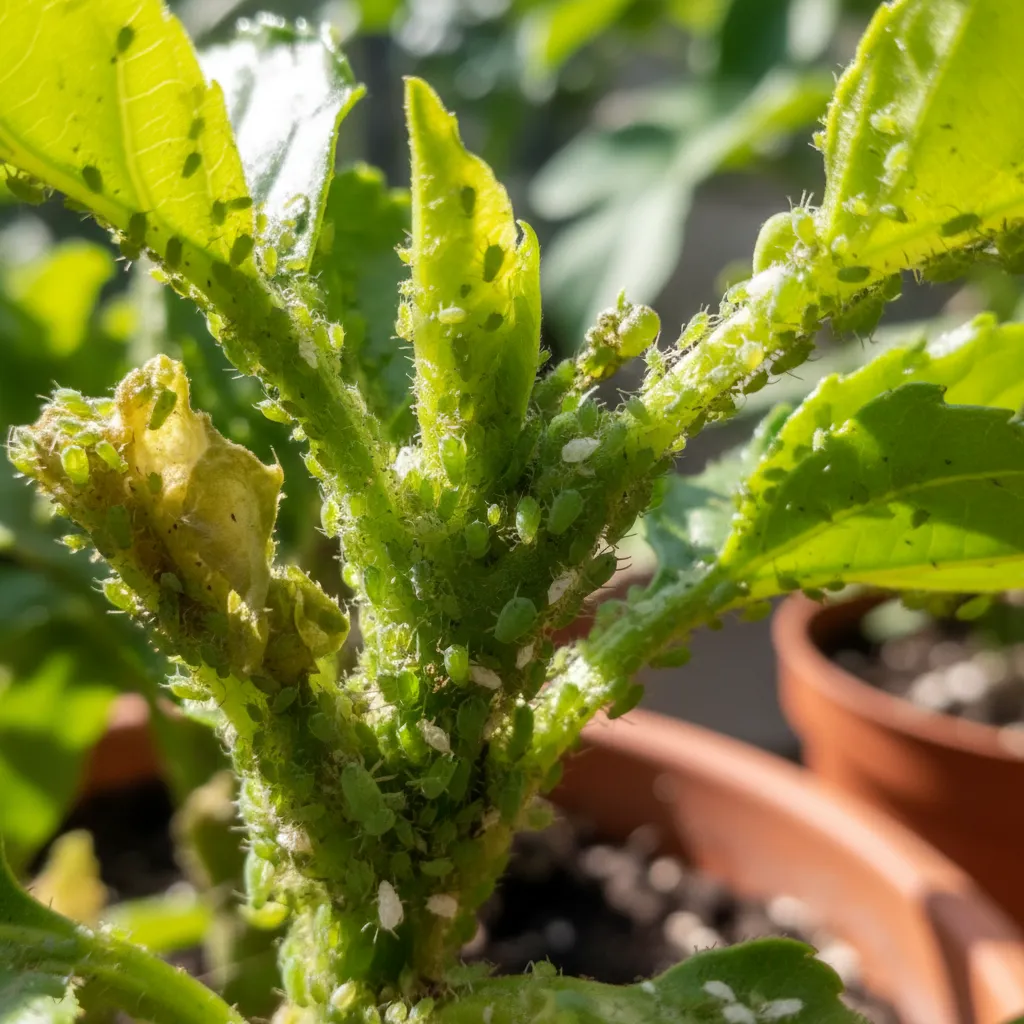
- ✓Pest and Disease Management — It is generally a hardy plant, but occasional pest attacks like aphids or mealybugs can occur. Organic pesticides or neem oil can be used for control.
- ✓Fertilization — A balanced organic fertilizer can be applied periodically to enrich the soil and support healthy growth, especially during flowering and leaf production.
- ✓Harvesting — Leaves are typically harvested when mature, usually after 6-8 months of planting. Multiple harvests can be obtained annually by pruning.
Reviewed by the Flora Medical Global Botanical Review Panel
Multi-disciplinary editorial group · Botany · Ethnobotany · Herbal-medicine literature
Who reviewed this: This page was checked by the Flora Medical Global Botanical Review Panel — an in-house editorial group of botany graduates, ethnobotany researchers, and horticulture practitioners who collectively maintain our 7,000+ plant encyclopedia. Meet the team.
Our 4-step verification process
1. Taxonomic verification
Scientific names and synonyms cross-checked against Kew POWO, World Flora Online, and The Plant List.
2. Phytochemical & medicinal cross-reference
Active compounds, traditional uses, and reported activities are cross-referenced with PubMed, USDA Dr. Duke's database, and peer-reviewed ethnobotanical literature.
3. Conservation & distribution check
Distribution, ecology, and conservation status confirmed against GBIF occurrence records and the IUCN Red List.
4. Editorial & safety review
Every entry passes an editorial pass for clarity, originality, and safety notices (toxicity, contraindications, dosage caveats) before publication.
Last reviewed:
Important medical disclaimer: This content is for educational and research purposes only. It is not medical advice and is not a substitute for consultation with a licensed healthcare provider. Do not use any herb to self-treat a medical condition without professional guidance.
Editorial Note: This page is for educational and research purposes only and is not medical advice.
Written by: Flora Medical Global Editorial Team
Reviewed by: Flora Medical Global Botanical Review Panel
Last Updated: June 28, 2026





Adhatoda — Comments & Community Reviews
Rate this plant
No reviews yet. Be the first!