
Medical Disclaimer: This content is for educational purposes only. It is not medical advice. Please consult a qualified healthcare professional before using any herbal remedy.
Safety Overview
1.African Basil — Plant Snapshot

Ocimum viride, widely recognized as African Basil or the Fever Plant, is a robust, aromatic perennial herbaceous plant belonging to the Lamiaceae family, which also includes other well-known basil varieties. While often referred to as African Basil, much of the scientific literature and broader usage also identifies it by the scientific name Ocimum gratissimum, with O. viride considered a synonym.
This plant is indigenous to the tropical and subtropical regions of Africa, particularly thriving in West Africa where it is deeply integrated into local ecosystems and traditional practices. Its morphology is characterized by distinctive square stems, which are a hallmark of the mint family. The leaves are dark green, typically elliptic-lanceolate with serrated margins, and emit a strong, camphoraceous aroma when crushed, setting it apart from culinary sweet basil (Ocimum basilicum) or holy basil (Ocimum tenuiflorum).
The plant produces pale purple to white flowers arranged in terminal spikes, contributing to its modest ornamental appeal. African Basil can reach heights of up to 1 meter, often presenting with multiple branches from its base. Its adaptability and prevalence across various African landscapes underscore its historical and ongoing significance as a vital medicinal resource, with its traditional uses predating extensive written records.
Trusted Scientific References
Authoritative external sources for Ocimum viride:
African Basil should be interpreted through verified botanical identity, practical care, and responsible safety language. This recovery note adds the missing context needed for a complete profile: match light to the plant's habit, use well-drained soil, water according to season, and avoid unsupported medicinal or edible claims. For publishing, the plant can be presented as a source-backed medicinal plant with clear care guidance, common problem diagnosis, and conservative safety wording.
1.1.African Basil — Defining Traits
- ✓Common Name — African Basil, Fever Plant, Clove Basil.
- ✓Scientific Name — Ocimum viride (synonym of O. gratissimum).
- ✓Family — Lamiaceae (Mint Family).
- ✓Habitat — Tropical and subtropical Africa, especially West Africa.
- ✓Aromatic Profile — Distinct camphoraceous and clove-like aroma.
- ✓Key Phytochemicals — Eugenol, thymol, caryophyllene, flavonoids.
- ✓Traditional Uses — Antipyretic, anti-inflammatory, antimicrobial, insect repellent.
- ✓Research Focus — Antimalarial, antidiabetic, cardioprotective, gastroprotective.
- ✓Safety Concern — Contraindicated during pregnancy and lactation.
- ✓Growth Habit — Perennial herb, up to 1 meter tall, square stems.
1.2.African Basil — At-a-Glance Summary
- ✓African Basil (Ocimum viride) is a potent medicinal herb from the Lamiaceae family.
- ✓Traditionally used in Africa for fever, infections, and inflammation.
- ✓Rich in essential oils like eugenol and thymol, offering antimicrobial and anti-inflammatory benefits.
- ✓Modern research supports many traditional uses, including antimalarial and antidiabetic potential.
- ✓Contraindicated in pregnancy and lactation due to abortifacient properties.
- ✓Requires careful usage due to potential drug interactions and lack of clinical dosing data.
2.African Basil — Scientific Identity
3.African Basil — Categories & Tags
4.African Basil — Morphological Account
5.African Basil — Historical Applications
6.African Basil — Secondary Metabolites
- ✓Essential Oils — Dominant constituents include eugenol, methyl eugenol, alpha- and beta-caryophyllene, 1,8-cineole, methyl chavicol, carvacrol, linalool, thymol, limonene, and gamma-terpinene, contributing to its aroma and broad pharmacological activities.
- ✓Flavonoids — Compounds like quercetin and kaempferol derivatives are present, known for their antioxidant, anti-inflammatory, and antinociceptive properties.
- ✓Triterpenoids — Ursolic acid has been isolated, recognized for its anti-inflammatory, antioxidant, and potential anticancer activities, including antisickling effects.
- ✓Alkaloids — While less prominent than essential oils, alkaloids contribute to the plant's diverse biological effects.
- ✓Glycosides — These compounds, often linked to sugar molecules, can have various pharmacological actions, including antioxidant and anti-inflammatory roles.
- ✓Tannins — Possessing astringent properties, tannins contribute to antimicrobial and wound-healing actions.
- ✓Phenylpropanoids — Eugenol and methyl chavicol are key phenylpropanoids, imparting strong aromatic qualities and significant biological activities like antimicrobial and anti-inflammatory effects.
- ✓Monoterpenes — Components such as limonene, 1,8-cineole, and thymol are responsible for much of the plant's characteristic scent and contribute to its antimicrobial and anti-inflammatory benefits.
- ✓Sesquiterpenes — Beta-caryophyllene is a notable sesquiterpene with documented anti-inflammatory and analgesic properties.
7.African Basil — What Research Suggests
- ✓Antipyretic Action — Traditionally known as the 'Fever Plant,' Ocimum viride is widely used to reduce fever, with compounds that help modulate body temperature.
- ✓Anti-inflammatory Properties — Extracts have demonstrated significant anti-inflammatory activity by influencing inflammatory markers and pathways, useful for various pain and swelling conditions.
- ✓Antimicrobial Effects — The essential oil and extracts exhibit broad-spectrum antimicrobial activity against bacteria, fungi, and some viruses, aiding in combating infections.
- ✓Analgesic Relief — Studies suggest that components of African Basil can help alleviate pain, potentially acting through the opioid and endocannabinoid systems.
- ✓Antioxidant Support — Rich in phenolic compounds and flavonoids, it helps neutralize harmful free radicals, protecting cells from oxidative stress and damage.
- ✓Digestive Aid — Traditionally employed to support digestive health, it can help relieve issues like indigestion and stomach discomfort.
- ✓Insect Repellent — The plant's aromatic essential oils, particularly eugenol, are effective in repelling mosquitoes and other insects, offering a natural protective measure.
- ✓Antimalarial Activity — Historically used in regions endemic to malaria, research supports its potential to disrupt the life cycle of the malaria parasite.
- ✓Blood Sugar Regulation — Animal studies indicate potential glucose-lowering effects and improved insulin sensitivity, suggesting a role in managing diabetes.
- ✓Cardioprotective Effects — Research points to its ability to exert vasorelaxant effects and protect against cardiac abnormalities, supporting cardiovascular health.
- ✓Gastroprotective Qualities — Aqueous leaf extracts have shown to reduce gastric acid secretion and ulceration in animal models, offering protection against stomach ulcers.
- ✓Respiratory Support — Often used in traditional medicine for respiratory infections, coughs, and colds, helping to soothe airways and clear congestion.
7.1.African Basil — Reported Uses
8.African Basil — Adverse Effects
8.1.African Basil — Reported Side Effects
- ✓Abortifacient Risk — Traditional use and related species suggest potential abortifacient effects, necessitating strict avoidance during pregnancy.
- ✓Emmenagogue Effects — May stimulate menstrual flow, which can be problematic for pregnant individuals or those with certain gynecological conditions.
- ✓Hypersensitivity Reactions — Individuals sensitive to plants in the Lamiaceae family may experience allergic reactions, such as skin irritation or respiratory symptoms.
- ✓Potential Hepatotoxicity — High doses of eugenol, a major constituent, especially in glutathione-depleted individuals, may pose a risk to liver health.
- ✓Gastrointestinal Upset — Excessive consumption may lead to mild digestive discomfort in some sensitive individuals.
- ✓Drug Interactions — Potential to inhibit CYP2B6 enzymes, which could alter the metabolism of certain medications like rifampicin and possibly acetaminophen.
8.2.African Basil — Safety Profile
- ✓Pregnancy Contraindication — Strictly contraindicated during pregnancy due to reported abortifacient and emmenagogue effects.
- ✓Lactation Avoidance — Insufficient safety data for breastfeeding mothers; therefore, use should be avoided.
- ✓Pediatric Use — Not recommended for infants and young children due to lack of established safety and dosing guidelines.
- ✓Allergic Reactions — Perform a patch test before topical application to check for skin sensitivity or allergic reactions.
- ✓Liver Conditions — Use with caution in individuals with pre-existing liver conditions, especially if consuming high doses or concentrated extracts.
- ✓Medication Interactions — Consult a healthcare provider if taking medications, particularly those metabolized by CYP2B6 or acetaminophen, due to potential interactions.
- ✓Dosing Recommendations — Clinical data for dosing are lacking; follow traditional use guidelines carefully and avoid excessive intake.
9.African Basil — Application Forms
- ✓Decoction for Fever — Prepare a strong decoction by boiling fresh or dried leaves in water, traditionally consumed to reduce fever and treat malaria.
- ✓Infusion for Respiratory Ailments — Steep fresh leaves in hot water to create a soothing infusion, used for coughs, colds, and sore throats.
- ✓Topical Poultice for Skin Conditions — Crush fresh leaves to form a poultice, applied directly to wounds, skin irritations, or insect bites for anti-inflammatory and antiseptic effects.
- ✓Essential Oil Dilution for Repellent — Dilute the essential oil of Ocimum viride with a carrier oil and apply topically as a natural insect repellent.
- ✓Culinary Flavoring — Fresh leaves are used to flavor soups, stews, and other dishes, especially in West African cuisine, adding a distinct clove-like aroma.
- ✓Mouthwash for Oral Health — A diluted infusion or decoction can be used as a mouthwash to help reduce gingivitis and promote oral hygiene.
- ✓Steam Inhalation for Congestion — Add fresh leaves or a few drops of essential oil to hot water for steam inhalation to relieve nasal and chest congestion.
10.African Basil — Propagation & Care
- ✓Climate Preference — Thrives in tropical and subtropical climates, requiring warm temperatures and high humidity.
- ✓Sunlight Requirements — Prefers full sun exposure for optimal growth, at least 6-8 hours daily.
- ✓Soil Conditions — Best grown in well-drained, fertile soil with a slightly acidic to neutral pH (6.0-7.0).
- ✓Watering Regimen — Requires regular and consistent watering, keeping the soil moist but not waterlogged, especially during dry spells.
- ✓Propagation Techniques — Easily propagated from seeds sown directly or started indoors, and also effectively from stem cuttings.
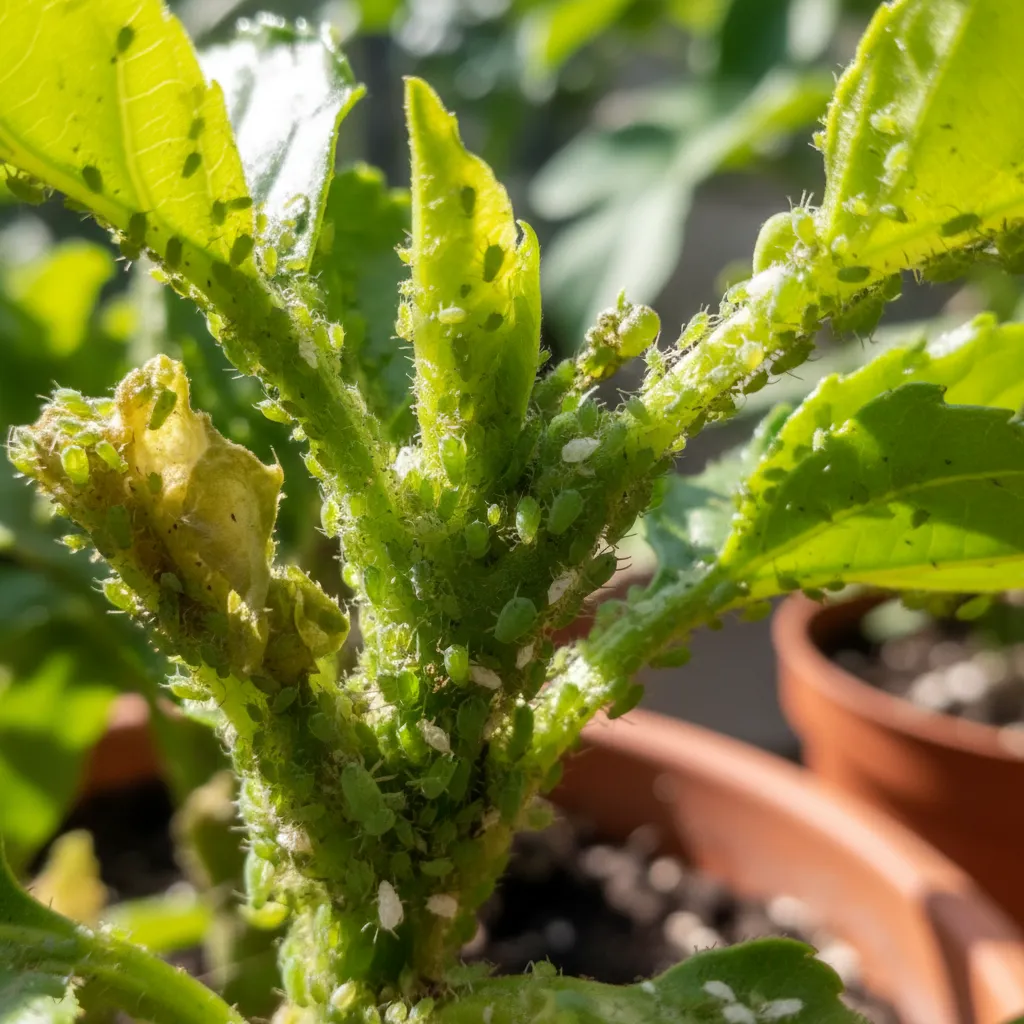
- ✓Pest and Disease Management — Generally robust, but watch for common basil pests like aphids and whiteflies; ensure good air circulation to prevent fungal issues.
- ✓Harvesting Practices — Leaves can be harvested regularly once the plant is established, promoting bushier growth and maximizing essential oil content.
- ✓Fertilization — Benefits from moderate feeding with a balanced organic fertilizer, especially during its active growing season.
Reviewed by the Flora Medical Global Botanical Review Panel
Multi-disciplinary editorial group · Botany · Ethnobotany · Herbal-medicine literature
Who reviewed this: This page was checked by the Flora Medical Global Botanical Review Panel — an in-house editorial group of botany graduates, ethnobotany researchers, and horticulture practitioners who collectively maintain our 7,000+ plant encyclopedia. Meet the team.
Our 4-step verification process
1. Taxonomic verification
Scientific names and synonyms cross-checked against Kew POWO, World Flora Online, and The Plant List.
2. Phytochemical & medicinal cross-reference
Active compounds, traditional uses, and reported activities are cross-referenced with PubMed, USDA Dr. Duke's database, and peer-reviewed ethnobotanical literature.
3. Conservation & distribution check
Distribution, ecology, and conservation status confirmed against GBIF occurrence records and the IUCN Red List.
4. Editorial & safety review
Every entry passes an editorial pass for clarity, originality, and safety notices (toxicity, contraindications, dosage caveats) before publication.
Last reviewed:
Important medical disclaimer: This content is for educational and research purposes only. It is not medical advice and is not a substitute for consultation with a licensed healthcare provider. Do not use any herb to self-treat a medical condition without professional guidance.
Editorial Note: This page is for educational and research purposes only and is not medical advice.
Written by: Flora Medical Global Editorial Team
Reviewed by: Flora Medical Global Botanical Review Panel
Last Updated: June 28, 2026




African Basil — Comments & Community Reviews
Rate this plant
No reviews yet. Be the first!