
Medical Disclaimer: This content is for educational purposes only. It is not medical advice. Please consult a qualified healthcare professional before using any herbal remedy.
Safety Overview
1.African Dream Root — At a Glance
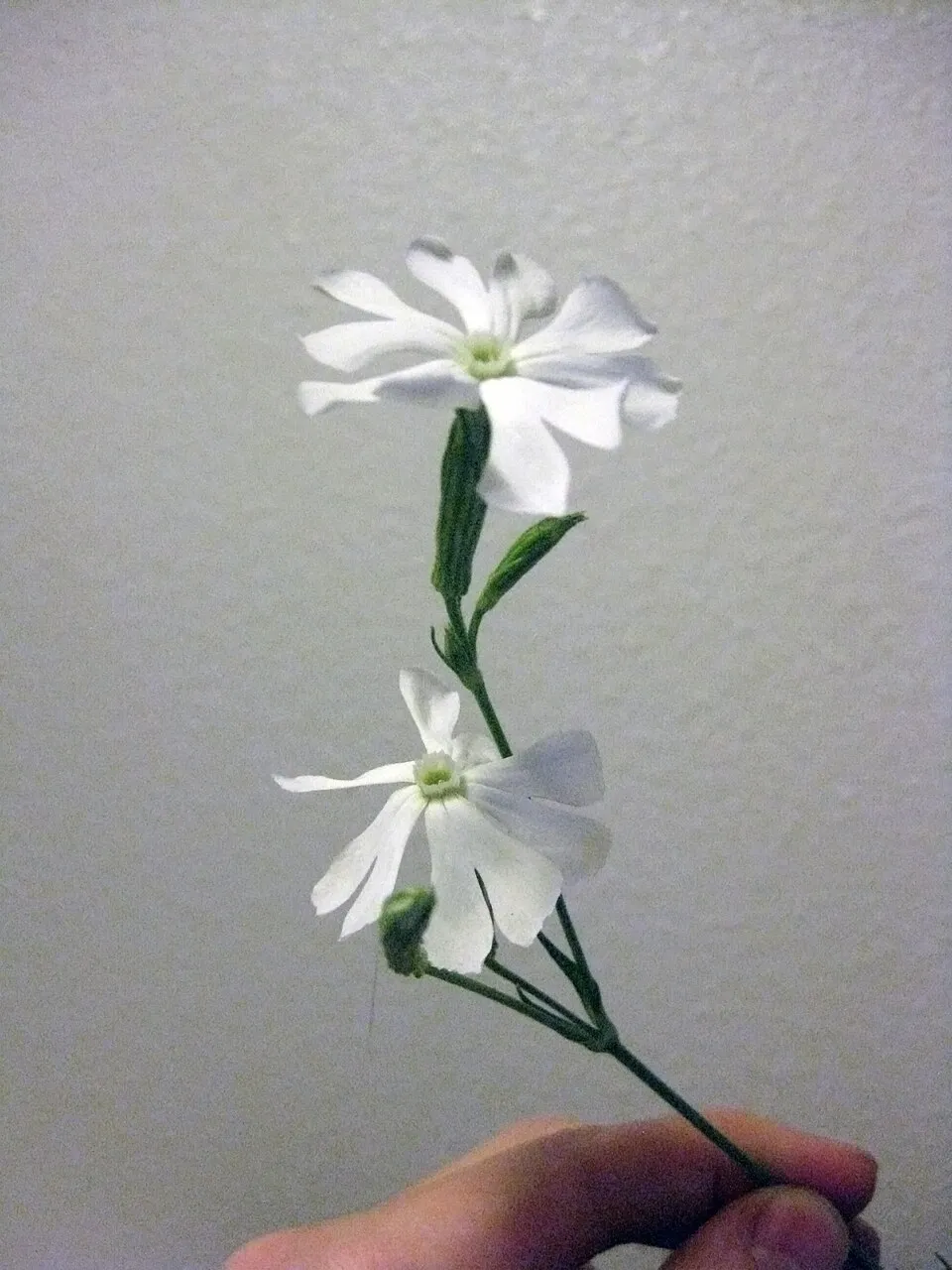
Silene capensis, widely known as African Dream Root or Undlele Zimpisi among the Xhosa people, is an intriguing perennial herbaceous plant indigenous to the Eastern Cape region of South Africa. This botanical marvel, a member of the diverse Caryophyllaceae family, is held in high esteem for its distinctive psychoactive properties, most notably its profound ability to facilitate exceptionally vivid and lucid dreams. Morphologically, the plant typically exhibits slender, erect stems that can attain a height of up to 1 meter. Its lanceolate leaves are characterized by a vibrant green hue and a subtly hairy texture.
The flowers of Silene capensis are delicate and predominantly white, featuring five deeply notched petals that unfurl nocturnally to form a star-like configuration, specifically adapted to attract nocturnal pollinators. The plant's robust and fibrous root system serves to firmly anchor it within its preferred natural habitat, which includes moist, well-drained soils found in grasslands, open woodlands, and along riverbanks. Beyond its physical attributes, Silene capensis possesses immense historical and cultural significance, having been an integral component of Xhosa spiritual and healing practices for many centuries. The traditional use involves pulverizing the root to a fine powder, which is then consumed to induce altered states of consciousness, believed to enable communication with ancestors and aid in divination.
This ethno-spiritual application underscores a deep-seated cultural belief in the plant's capacity to bridge the earthly and spiritual realms, making it a sacred element in their rituals. As global interest in Silene capensis grows, there is an increasing focus on developing sustainable harvesting practices and cultivation methods to protect wild populations from overexploitation, ensuring the preservation of this vital ethnobotanical resource for future generations while respecting its profound cultural heritage.
Trusted Scientific References
1. Authoritative external sources for Silene capensis
1.1 Wikipedia — Silene capensis
1.2 Kew POWO (Plants of the World Online)
1.3 PubMed — peer-reviewed research
1.4 NCBI Taxonomy Browser
1.5 GBIF — Global Biodiversity
1.1.African Dream Root — Distinguishing Points
- ✓Native to the — Native to the Eastern Cape region of South Africa.
- ✓Perennial herbaceous plant, — Perennial herbaceous plant, typically growing up to 1 meter tall.
- ✓Features delicate, nocturnal — Features delicate, nocturnal white flowers with five deeply notched petals.
- ✓Possesses a robust, — Possesses a robust, fibrous root system.
- ✓Primarily known for its unique dream — inducing properties.
- ✓Active compounds are — Active compounds are identified as triterpenoid saponins.
- ✓Holds profound ethnobotanical — Holds profound ethnobotanical significance for the Xhosa people.
- ✓Traditionally utilized for — Traditionally utilized for divination and ancestral communication.
- ✓Growing interest in — Growing interest in sustainable cultivation to protect wild populations.
- ✓Belongs to the — Belongs to the botanical family Caryophyllaceae.
1.2.African Dream Root — Snapshot Summary
- ✓Traditional Xhosa dream herb known as African Dream Root (Silene capensis).
- ✓Primarily used to induce vivid, memorable, and lucid dreams.
- ✓Contains triterpenoid saponins, believed to be the active compounds.
- ✓Traditionally prepared as a frothy cold-water infusion of the root.
- ✓Ethnobotanically significant for spiritual connection and divination.
- ✓Requires careful dosing; high amounts can cause gastrointestinal upset.
2.African Dream Root — Nomenclature & Classification
3.African Dream Root — Fact Sheet
4.African Dream Root — Botanical Features
5.African Dream Root — Native Range & Habitat
6.African Dream Root — Traditional Uses
7.African Dream Root — Key Phytochemicals
- ✓Triterpenoid Saponins — These are the primary active compounds, particularly oleanane-type saponins (e.g., silenosides), responsible for the plant's dream-inducing and psychoactive effects by potentially altering cell membrane permeability and neurotransmitter function.
- ✓Phytosterols — Plant sterols like beta-sitosterol are present, contributing to the plant's structural integrity and potentially offering minor anti-inflammatory or adaptogenic properties.
- ✓Flavonoids — Antioxidant compounds such as quercetin and kaempferol are found in trace amounts, providing cellular protection against oxidative stress and supporting general health.
- ✓Phenolic Acids — Compounds like caffeic acid contribute to the plant's antioxidant capacity, offering protective effects against free radical damage.
- ✓Amino Acids — Essential building blocks for proteins are present, supporting basic cellular functions and overall plant metabolism.
- ✓Polysaccharides — Complex carbohydrates that may have immunomodulatory effects, contributing to the plant's overall traditional medicinal profile.
- ✓Volatile Oils — Present in very small quantities, these contribute to the plant's subtle aromatic profile and may have minor therapeutic actions.
- ✓Glycosides — In addition to saponin glycosides, other types of glycosidic compounds might be present, influencing various biological activities.
8.African Dream Root — Evidence-Based Benefits
- ✓Lucid Dream Inducer — Silene capensis is primarily recognized for its ability to induce vivid and lucid dreams, attributed to its unique saponin compounds, which may modulate neurotransmitter activity related to dreaming and REM sleep.
- ✓Enhanced Dream Recall — Users often report a significant improvement in their ability to remember dream details and narratives upon waking, facilitating deeper introspection.
- ✓Spiritual Connection — Traditionally revered by the Xhosa, the root is believed to open pathways for communication with ancestors and the spiritual realm, fostering a sense of connection and guidance.
- ✓Divination Aid — In Xhosa culture, the plant is used to facilitate prophetic dreams and insights, assisting healers and individuals in seeking answers or understanding future events.
- ✓Mood Enhancement (Subtle) — Some users experience a subtle uplift in mood and a sense of well-being after incorporating African Dream Root, possibly linked to improved sleep quality and dream processing.
- ✓Cognitive Clarity (Post-Dream) — The enhanced dream recall and lucid experiences can lead to a feeling of mental clarity and insight, extending into waking hours.
- ✓Stress Reduction (Indirect) — By potentially improving sleep architecture and facilitating a more conscious engagement with dreams, it may indirectly contribute to reduced stress levels.
- ✓Self-Exploration and Personal Growth — The ability to consciously navigate dreams offers a unique opportunity for psychological self-exploration, problem-solving, and personal development.
- ✓Traditional Healing — Beyond dreams, the plant holds a broader role in Xhosa traditional healing, contributing to overall spiritual and mental well-being within a holistic framework.
8.1.African Dream Root — Health Applications
9.African Dream Root — Safety & Side Effects
9.1.African Dream Root — Possible Adverse Reactions
- ✓Nausea and Vomiting — Higher doses or individual sensitivity can lead to gastrointestinal upset, including nausea and occasional vomiting, especially if taken on a full stomach.
- ✓Diarrhea — Some users may experience loose stools or diarrhea, particularly with unaccustomed use or excessive intake.
- ✓Headache — Mild headaches have been reported by a small number of individuals, often transient.
- ✓Dizziness — A sensation of lightheadedness or dizziness can occur, especially shortly after ingestion, which typically subsides.
- ✓Hyper-Vivid or Disturbing Dreams — While often desired, excessively vivid or occasionally disturbing dreams can be unsettling for some individuals, particularly those sensitive to altered states.
- ✓Insomnia or Restlessness — Paradoxically, some individuals might experience difficulty falling asleep or restlessness, especially if taken too close to bedtime or in sensitive individuals.
- ✓Allergic Reactions — As with any plant material, allergic reactions such as skin rash, itching, or swelling are possible, though rare.
9.2.African Dream Root — Safety Profile
- ✓Pregnancy and Lactation — Contraindicated during pregnancy and breastfeeding due to a lack of safety data and potential unknown effects on fetal or infant development.
- ✓Children — Not recommended for use in children due to insufficient research on its safety and effects in developing individuals.
- ✓Pre-existing Mental Health Conditions — Individuals with a history of psychosis, severe anxiety, bipolar disorder, or other mental health conditions should avoid use, as it may exacerbate symptoms or trigger episodes.
- ✓Driving and Operating Machinery — Avoid driving or operating heavy machinery after consumption, as it can induce altered states of consciousness and impair judgment and coordination.
- ✓Drug Interactions — Potential interactions with sedatives, antidepressants (SSRIs, MAOIs), anxiolytics, or other psychoactive medications are not fully understood and should be avoided or discussed with a healthcare professional.
- ✓Dosage — Adhere strictly to recommended dosages; excessive intake significantly increases the risk of adverse gastrointestinal and psychological effects.
- ✓Purity and Sourcing — Ensure the product is sourced from reputable suppliers to guarantee authenticity, purity, and freedom from contaminants or misidentification.
10.African Dream Root — Preparations & Uses
- ✓Traditional Root Powder — The dried root is finely powdered (typically 200-500mg) and traditionally mixed with water, then vigorously agitated to create a frothy beverage, consumed on an empty stomach before sleep.
- ✓Cold Water Infusion — A common method involves steeping the powdered root in cold water for several hours, then whipping the mixture until a thick foam forms, which is then ingested.
- ✓Encapsulated Powder — For convenience and precise dosing, standardized extracts or dried root powder can be encapsulated, offering an easier method of consumption.
- ✓Tincture — An alcoholic extract of the root can be prepared, allowing for concentrated dosing and a longer shelf life, typically taken in drops or small amounts.
- ✓Decoction (Less Common) — While possible, simmering the root in water for a prolonged period is less common for its dream-inducing properties, as heat may affect some delicate compounds.
- ✓Microdosing — Smaller, sub-perceptual doses are sometimes explored for subtle cognitive or mood benefits without inducing strong psychoactive dream states.
- ✓Oral Paste — In some traditional contexts, the powdered root may be mixed with a small amount of liquid to form a paste that is then swallowed.
11.African Dream Root — How to Grow
- ✓Climate and Soil — Prefers temperate climates with well-drained, sandy-loam soils, rich in organic matter, mimicking its native riverbank and grassland habitats.
- ✓Propagation — Primarily from seed, which can be slow and erratic to germinate, or more reliably from root divisions of mature plants in late winter or early spring.
- ✓Sowing and Planting — Seeds should be sown shallowly in spring or early summer, requiring consistent moisture and warmth (around 20-25°C) for successful germination, typically within 2-4 weeks.
- ✓Watering — Requires consistent moisture, especially during active growth periods, but it is crucial to avoid waterlogging, which can lead to root rot.
- ✓Sunlight — Thrives in full sun to partial shade; in hotter climates, some afternoon shade can prevent scorching and stress.
- ✓Fertilization — Benefits from light organic fertilization, such as well-rotted compost or a balanced liquid feed, applied sparingly during the growing season.
- ✓Pests and Diseases — Generally robust against pests, but ensure good air circulation to prevent common fungal issues, especially in humid conditions.
- ✓Harvesting — Roots are typically harvested after 1-2 years of growth, usually in autumn or early winter, when the plant's energy and active compounds are concentrated in the root system.
Reviewed by the Flora Medical Global Botanical Review Panel
Multi-disciplinary editorial group · Botany · Ethnobotany · Herbal-medicine literature
Who reviewed this: This page was checked by the Flora Medical Global Botanical Review Panel — an in-house editorial group of botany graduates, ethnobotany researchers, and horticulture practitioners who collectively maintain our 7,000+ plant encyclopedia. Meet the team.
Our 4-step verification process
1. Taxonomic verification
Scientific names and synonyms cross-checked against Kew POWO, World Flora Online, and The Plant List.
2. Phytochemical & medicinal cross-reference
Active compounds, traditional uses, and reported activities are cross-referenced with PubMed, USDA Dr. Duke's database, and peer-reviewed ethnobotanical literature.
3. Conservation & distribution check
Distribution, ecology, and conservation status confirmed against GBIF occurrence records and the IUCN Red List.
4. Editorial & safety review
Every entry passes an editorial pass for clarity, originality, and safety notices (toxicity, contraindications, dosage caveats) before publication.
Last reviewed:
Important medical disclaimer: This content is for educational and research purposes only. It is not medical advice and is not a substitute for consultation with a licensed healthcare provider. Do not use any herb to self-treat a medical condition without professional guidance.
Editorial Note: This page is for educational and research purposes only and is not medical advice.
Written by: Flora Medical Global Editorial Team
Reviewed by: Flora Medical Global Botanical Review Panel
Last Updated: June 16, 2026





African Dream Root — Comments & Community Reviews
Rate this plant