
Medical Disclaimer: This content is for educational purposes only. It is not medical advice. Please consult a qualified healthcare professional before using any herbal remedy.
Safety Overview
1.Agarikon — Essential Profile
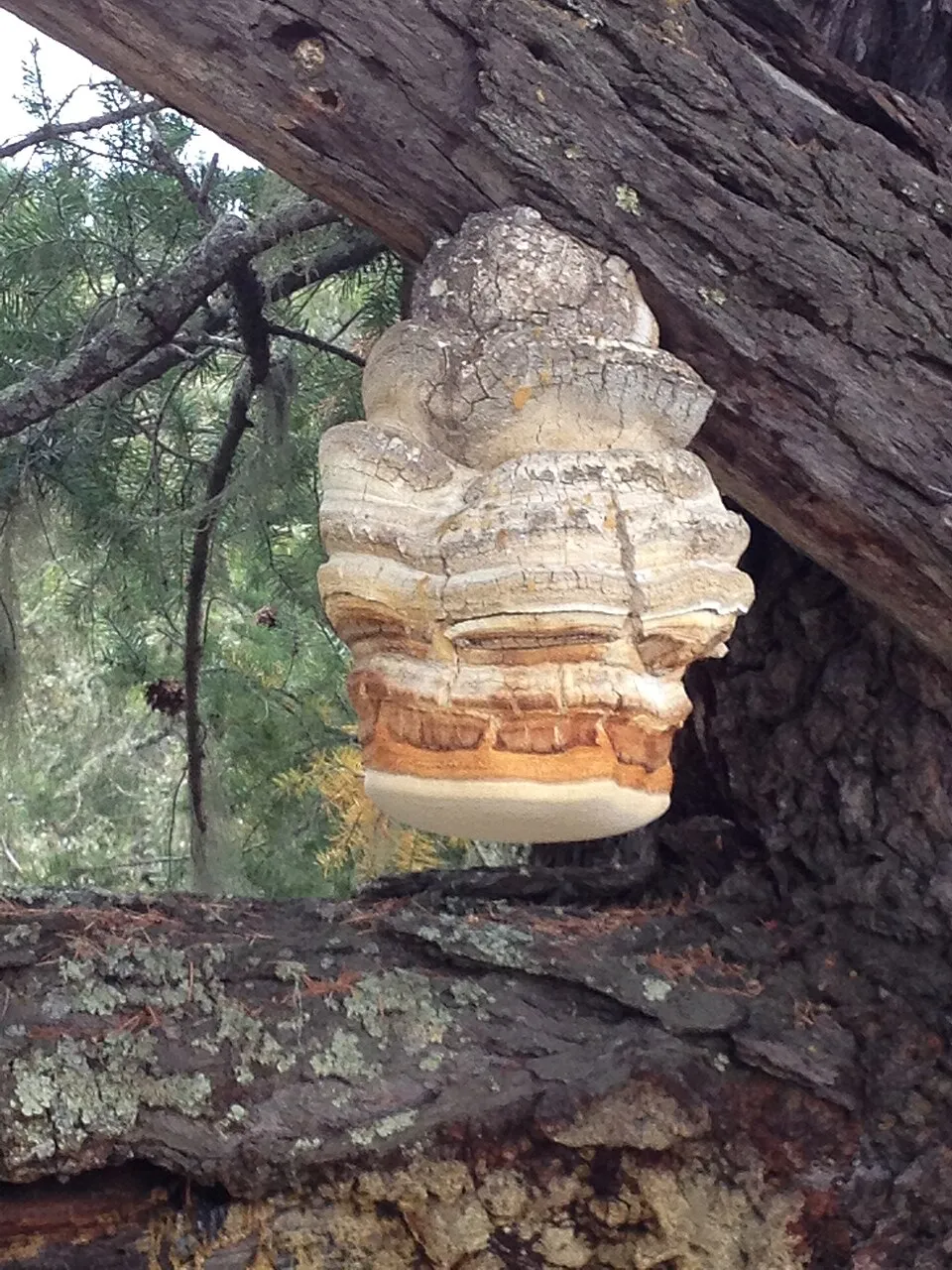
Agarikon, scientifically known as Laricifomes officinalis, is a distinctive and ancient wood-rotting fungus belonging to the Fomitopsidaceae family. This perennial conk is commonly referred to as the 'Quinine Conk,' 'Pore Fungus,' 'Ghost Bread,' or 'Tree Biscuits,' notable for its large, hoof-shaped to cylindrical fruiting body that can grow over 50 cm and weigh up to 20 kg. Its exterior presents a whitish to yellowish-brown, chalky surface, while the interior reveals a dense, fibrous context. Laricifomes officinalis thrives primarily in old-growth coniferous forests, particularly on decaying or dead trunks of Larix (larch) and Pseudotsuga (Douglas fir) trees.
Its distribution spans temperate regions across North America, Europe (including Western, Central, Eastern, and Northern parts), and sections of Asia (such as China, Siberia, Japan, and Korea), with smaller populations also documented in Morocco. As a brown-rot pathogen, Agarikon plays a vital ecological role in decomposing host tree heartwood. Historically, its medicinal use dates back to ancient Greece, where Dioscorides documented it as a remedy for respiratory ailments. Indigenous North American tribes revered it for spiritual properties, crafting grave sentinels from its fruiting bodies.
Due to its slow growth, specific habitat requirements, and historical overharvesting, Agarikon is considered a rare species, necessitating focused conservation efforts. Modern pharmacological research has illuminated its complex chemical composition, highlighting its potential therapeutic properties, including significant antiviral, antibacterial, and anti-inflammatory activities, thus reaffirming its long-standing traditional applications.
Trusted Scientific References
1. Authoritative external sources for Laricifomes officinalis
1.1 Wikipedia — Laricifomes officinalis
1.2 Kew POWO (Plants of the World Online)
1.3 PubMed — peer-reviewed research
1.4 NCBI Taxonomy Browser
1.5 GBIF — Global Biodiversity
1.6Agarikon should be interpreted through verified botanical identity, practical care, and responsible safety language. This recovery note adds the missing context needed for a complete profile: match light to the plant's habit, use well-drained soil, water according to season, and avoid unsupported medicinal or edible claims. For publishing, the plant can be presented as a source-backed medicinal plant with clear care guidance, common problem diagnosis, and conservative safety wording.
1.1.Agarikon — Distinguishing Points
- ✓Ancient Medicinal Fungus — Ancient Medicinal Fungus
- ✓Potent Antiviral Activity — Potent Antiviral Activity
- ✓Broad — Spectrum Antibacterial
- ✓Strong Anti — inflammatory Effects
- ✓Unique Chlorinated Coumarins — Unique Chlorinated Coumarins
- ✓Immunomodulatory Properties — Immunomodulatory Properties
- ✓Neuroprotective Potential — Neuroprotective Potential
- ✓Rare and Endangered — Rare and Endangered Species
- ✓Rich Ethnobotanical History — Rich Ethnobotanical History
- ✓Promising Anticancer Research — Promising Anticancer Research
1.2.Agarikon — Quick Summary
- ✓Agarikon (Laricifomes officinalis) is a rare, ancient wood-rotting fungus revered historically by diverse cultures for its medicinal and spiritual significance.
- ✓Modern research confirms its potent antiviral, antibacterial, and anti-inflammatory capabilities, making it a subject of intense scientific interest.
- ✓It contains unique bioactive compounds, including chlorinated coumarins, diverse triterpenoids, and immunomodulatory polysaccharides.
- ✓Traditionally used for respiratory ailments, infections, and inflammation, its potential anticancer and neuroprotective properties are also being investigated.
- ✓Due to its slow growth and specific habitat, Agarikon is an endangered species, emphasizing the importance of sustainable harvesting and conservation efforts.
- ✓Users should be mindful of potential side effects and drug interactions, particularly concerning blood thinning and immune system modulation.
2.Agarikon — Scientific Identity
3.Agarikon — Vital Statistics
4.Agarikon — Botanical Description
5.Agarikon — Origin & Spread
6.Agarikon — Traditional Uses
7.Agarikon — Key Phytochemicals
- ✓Coumarins — Unique chlorinated coumarins, such as 2H-6-chloro-2-oxo-4-phenyl-1-Benzopyran-3-carboxylic acid ethyl ester and 6-Chloro-4-phenyl-coumarin, are responsible for enhanced antimicrobial, antithrombotic, anti-inflammatory, and vasodilatory actions.
- ✓Triterpenoids — A diverse group including lanostane-type triterpenoids like Dehydrosulfurenic acid (neuroprotective, anticancer), Eburicoic acid (anti-inflammatory), Officimalonic acids A–H (anti-inflammatory, cytotoxic), and Fomitopsins (D, E, F) which exhibit antiviral properties.
- ✓Polysaccharides — High molecular weight carbohydrates that contribute significantly to Agarikon's immunomodulatory, anticancer, and anti-inflammatory activities.
- ✓Flavonoids — A class of polyphenolic compounds known for their potent antioxidant capabilities, protecting cells from oxidative stress.
- ✓Sterols — Common fungal constituents, including ergosterol, which is a precursor to Vitamin D2 and plays a vital role in fungal membrane structure and function.
- ✓Phenolic Compounds — A broad category of compounds with antioxidant and antimicrobial properties, contributing to the fungus's defense mechanisms.
- ✓Fatty Acids — Essential lipid components that form cell membranes and are involved in various physiological processes within the fungus.
- ✓Sesquiterpenoids — Compounds like fomeffic acid, which contribute to the complex array of bioactive molecules with potential therapeutic effects.
8.Agarikon — Scientific Evidence
- ✓Antiviral Activity — Agarikon exhibits significant inhibitory effects against a range of viruses, including influenza strains (H5N1, H3N2), herpes simplex virus type 1 (HSV-1), hepatitis C, and Orthopoxvirus, attributed to compounds like Fomitopsin D and F.
- ✓Broad-Spectrum Antibacterial Action — Its mycelium and extracts demonstrate potent activity against numerous Gram-negative bacteria such as Acinetobacter baumannii, E. coli, Klebsiella pneumoniae, and Pseudomonas aeruginosa, addressing critical antibiotic resistance challenges.
- ✓Gram-Positive Bacterial Inhibition — Laricifomes officinalis effectively inhibits Gram-positive strains like Staphylococcus aureus (Staph) and Bacillus thuringiensis, offering potential against common and hospital-acquired infections.
- ✓Anti-inflammatory Effects — Phytochemical investigations reveal that officimalonic acids D, E, G, H, and fomitopsin A possess potent anti-inflammatory properties, contributing to its traditional use for reducing pain and swelling.
- ✓Antituberculosis Potential — Specific coumarin compounds isolated from Agarikon's mycelium have shown promising activity against Mycobacterium tuberculosis, a critical target given increasing antibiotic resistance.
- ✓Antifungal Properties — The coumarin compounds in Agarikon have demonstrated an inhibitory effect on Candida albicans, a common cause of yeast infections.
- ✓Antiparasitic Action — Lanostane-type terpenoids isolated from Agarikon have shown inhibitory effects against parasites such as Trypanosoma congolense, a pathogen affecting livestock.
- ✓Anticancer Properties — Various triterpenoids and officimalonic acids within Agarikon exhibit cytotoxic effects against certain cancer cells, suggesting potential as an adjunctive therapy.
- ✓Immunomodulatory Support — Polysaccharides present in Agarikon are known to modulate immune responses, enhancing the body's natural defense mechanisms.
- ✓Neuroprotective Benefits — Dehydrosulfurenic acid, a compound found in Agarikon, has been identified as a neuroprotective agent, potentially safeguarding nerve cells and preventing neuropathies.
8.1.Agarikon — Reported Uses
9.Agarikon — Safety & Side Effects
9.1.Agarikon — Warnings
- ✓Gastrointestinal Upset — Nausea, vomiting, or diarrhea may occur, particularly with higher doses or in individuals with sensitive digestive systems.
- ✓Allergic Reactions — Individuals sensitive to fungi or mushrooms may experience allergic responses such as skin rashes, itching, or respiratory distress.
- ✓Diuretic Effect — Agarikon can increase urination, and excessive consumption without adequate fluid intake might lead to dehydration.
- ✓Blood Thinning Potential — Some compounds may possess mild anticoagulant properties, potentially increasing the risk of bleeding, especially when combined with other blood-thinning medications.
- ✓Hypotension Risk — Theoretical vasodilatory effects could lead to a temporary drop in blood pressure, especially in susceptible individuals.
- ✓Drug Interactions — There is a potential for interaction with immunosuppressants, anticoagulants, or other medications, necessitating caution.
9.2.Agarikon — Clinical Safety Notes
- ✓Pregnancy and Lactation — Agarikon is not recommended for use during pregnancy or breastfeeding due to the lack of sufficient safety data.
- ✓Autoimmune Conditions — Individuals with autoimmune diseases should exercise caution and consult a healthcare professional due to its immunomodulatory effects.
- ✓Bleeding Disorders and Surgery — Avoid use prior to surgery or if diagnosed with bleeding disorders, or if taking anticoagulant medications, due to potential blood-thinning properties.
- ✓Medication Interactions — Always consult a healthcare provider if taking any prescription medications, especially those affecting blood pressure, blood clotting, or immune function.
- ✓Pediatric Use — Not recommended for children without explicit guidance from a qualified medical professional.
- ✓Fungal Allergies — Individuals with known allergies to mushrooms or other fungi should avoid Agarikon to prevent allergic reactions.
- ✓Dosage Adherence — Strictly follow recommended dosages from reputable sources or qualified practitioners to minimize the risk of adverse effects.
10.Agarikon — Usage Guide
- ✓Decoction — Sliced or powdered Agarikon is traditionally simmered in water for several hours to extract its non-volatile, water-soluble compounds, particularly polysaccharides and triterpenoids.
- ✓Tincture — A dual extraction method using both alcohol and water is employed to capture a broader spectrum of Agarikon's bioactive compounds, including both alcohol-soluble and water-soluble constituents.
- ✓Powdered Form — Dried and finely ground fruiting body powder can be encapsulated or mixed into hot beverages, smoothies, or food for convenient daily consumption.
- ✓Standardized Extracts — Commercial preparations often come as standardized extracts in capsule or liquid form, ensuring consistent potency of key compounds like triterpenoids or polysaccharides.
- ✓Topical Applications — Historically, Agarikon was used externally in poultices for insect bites, inflammation, and muscular pain.
- ✓Ritualistic Carvings — In indigenous traditions, the fruiting bodies were carved into figurines, known as grave sentinels, for spiritual and protective purposes, not for ingestion.
- ✓Traditional Combinations — In various folk medicine systems, Agarikon is often combined with other medicinal plants or fungi to create synergistic formulas for specific ailments.
- ✓Infusions — While less common for the dense conk, lighter infusions can be made from smaller pieces for a milder preparation.
11.Agarikon — Cultivation & Care
- ✓Wild Harvesting — Agarikon is predominantly wild-harvested from old-growth coniferous forests, primarily on Larix and Pseudotsuga trees, where it grows as a brown-rot pathogen.
- ✓Specific Habitat Requirements — Its growth is highly dependent on particular ecological niches, requiring mature or dead host trees, high humidity, and stable temperate forest conditions.
- ✓Slow Growth Rate — The fruiting body of Laricifomes officinalis develops very slowly over many years, making commercial cultivation of the whole conk challenging and unsustainable.
- ✓Laboratory Mycelial Culture — Mycelial biomass can be grown in controlled laboratory environments using liquid fermentation or solid-state fermentation for research and extraction of specific compounds.
- ✓Substrate Mimicry — Attempts at cultivation involve mimicking its natural woody substrate, but achieving full fruiting body development in artificial settings remains difficult.
- ✓Conservation Focus — Due to its rarity and endangered status, conservation efforts are centered on protecting its natural habitats rather than large-scale cultivation.
- ✓Advanced Extraction — For therapeutic applications, extracts are often derived from wild-harvested material or laboratory-grown mycelium, focusing on specific bioactive compounds.
Reviewed by the Flora Medical Global Botanical Review Panel
Multi-disciplinary editorial group · Botany · Ethnobotany · Herbal-medicine literature
Who reviewed this: This page was checked by the Flora Medical Global Botanical Review Panel — an in-house editorial group of botany graduates, ethnobotany researchers, and horticulture practitioners who collectively maintain our 7,000+ plant encyclopedia. Meet the team.
Our 4-step verification process
1. Taxonomic verification
Scientific names and synonyms cross-checked against Kew POWO, World Flora Online, and The Plant List.
2. Phytochemical & medicinal cross-reference
Active compounds, traditional uses, and reported activities are cross-referenced with PubMed, USDA Dr. Duke's database, and peer-reviewed ethnobotanical literature.
3. Conservation & distribution check
Distribution, ecology, and conservation status confirmed against GBIF occurrence records and the IUCN Red List.
4. Editorial & safety review
Every entry passes an editorial pass for clarity, originality, and safety notices (toxicity, contraindications, dosage caveats) before publication.
Last reviewed:
Important medical disclaimer: This content is for educational and research purposes only. It is not medical advice and is not a substitute for consultation with a licensed healthcare provider. Do not use any herb to self-treat a medical condition without professional guidance.
Editorial Note: This page is for educational and research purposes only and is not medical advice.
Written by: Flora Medical Global Editorial Team
Reviewed by: Flora Medical Global Botanical Review Panel
Last Updated: June 16, 2026





Agarikon — Comments & Community Reviews
Rate this plant