

Medical Disclaimer: This content is for educational purposes only. It is not medical advice. Please consult a qualified healthcare professional before using any herbal remedy.
Safety Overview
1.Agathosma — At a Glance
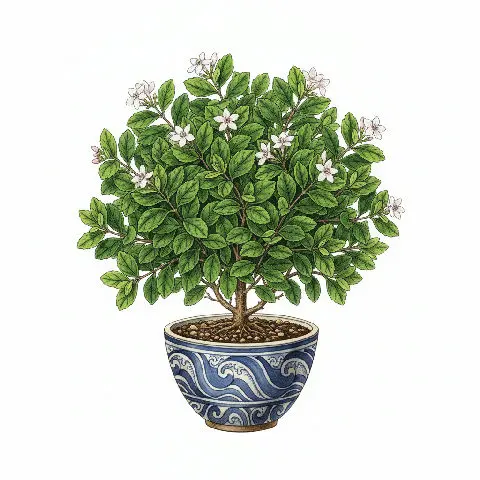
Agathosma crenulata, commonly known as Buchu, is an exquisite, aromatic evergreen shrub native to the fynbos biome of the Western Cape, South Africa. This resilient member of the Rutaceae family typically reaches a height of 1 to 2 meters, characterized by its dense foliage of small, opposite, ovate to obovate leaves. These glossy leaves are distinctive, featuring numerous translucent oil glands that, when crushed, release a potent, minty-camphoraceous aroma, a hallmark of its therapeutic value.
During its blooming season, Buchu adorns itself with small, star-shaped flowers, which can range from pure white to delicate pale pink, clustered attractively. Following successful pollination, the plant produces small, capsule-like fruits containing the seeds essential for its propagation. Agathosma crenulata demonstrates a preference for nutrient-poor, sandy soils, thriving under the Mediterranean-like climate of its native region, which provides characteristic dry summers and wet winters.
The historical and cultural significance of Buchu is deeply rooted; indigenous Khoi-San peoples have revered and utilized its leaves for centuries, primarily for addressing urinary tract infections, digestive complaints, and as a general tonic. Its medicinal properties garnered attention from European settlers in the late 18th century, swiftly establishing Buchu in Western herbal medicine as a potent diuretic and antiseptic agent. While its prominence waned with the rise of synthetic antibiotics, a renewed global interest in Agathosma crenulata has emerged, driven by its rich essential oil composition and diverse beneficial compounds, leading to its cultivation beyond its traditional South African habitat for therapeutic, perfumery, and flavoring applications.
Trusted Scientific References
1. Authoritative external sources for Agathosma crenulata
1.1 Wikipedia — Agathosma crenulata
1.2 Kew POWO (Plants of the World Online)
1.3 PubMed — peer-reviewed research
1.4 NCBI Taxonomy Browser
1.5 GBIF — Global Biodiversity
1.1.Agathosma — Distinguishing Points
- ✓Species — Agathosma crenulata (Buchu)
- ✓Family — Rutaceae
- ✓Native Region — Western Cape, South Africa (Fynbos biome)
- ✓Key Bioactive Compounds — Pulegone, Diosmin, Hesperidin, Isomenthone
- ✓Primary Traditional Use — Urinary tract infections, digestive complaints, general tonic
- ✓Modern Applications — Diuretic, antiseptic, anti-inflammatory, antioxidant, flavoring, perfumery
- ✓Distinctive Feature — Strong, minty-camphoraceous aroma from oil glands in leaves
- ✓Growth Habit — Evergreen shrub, typically 1-2 meters tall
- ✓Habitat — Nutrient-poor, sandy soils in Mediterranean climate zones
- ✓Cultural Significance — Profound historical use by indigenous Khoi-San peoples
1.2.Agathosma — Snapshot Summary
- ✓Agathosma crenulata, or Buchu, is an aromatic shrub from South Africa's fynbos region.
- ✓Traditionally revered by the Khoi-San for urinary and digestive health.
- ✓Modern research highlights its antiseptic, anti-inflammatory, and antioxidant properties.
- ✓Rich in essential oils and flavonoids, contributing to its diverse medicinal benefits.
- ✓Used in herbal remedies, as a food flavoring, and in the perfume industry.
- ✓Requires careful consideration of dosage and contraindications, especially for pregnant individuals.
2.Agathosma — Nomenclature & Classification
3.Agathosma — Vital Statistics
4.Agathosma — Physical Description
5.Agathosma — Ecological Habitat
6.Agathosma — Folk Medicine Applications
7.Agathosma — Key Phytochemicals
- ✓Flavonoids — Key compounds include diosmin, hesperidin, rutin, and quercetin, which are potent antioxidants and contribute significantly to anti-inflammatory and vasoprotective effects.
- ✓Volatile Oils (Essential Oil) — Characterized by monoterpenes such as pulegone, isomenthone, limonene, and menthone, responsible for Buchu's distinctive aroma and its antiseptic and carminative actions.
- ✓Coumarins — Simple coumarins and furocoumarins are present, potentially contributing to anti-inflammatory, antimicrobial, and photoprotective properties.
- ✓Triterpenoids — These compounds may offer adaptogenic and anti-inflammatory benefits, supporting cellular health and stress response.
- ✓Phenolic Acids — Derivatives of caffeic acid and ferulic acid are found, providing additional antioxidant capacity.
- ✓Mucilages — Contribute to the demulcent properties, offering soothing effects on mucous membranes of the urinary and digestive tracts.
- ✓Resins — Complex mixtures that encapsulate various active compounds, contributing to the plant's overall therapeutic profile.
- ✓Tannins — Astringent compounds that can help tone tissues and provide mild antimicrobial effects.
8.Agathosma — Pharmacological Findings
- ✓Urinary Tract Health — Agathosma crenulata is highly regarded for its antiseptic properties, effectively combatting bacterial growth within the urinary system and offering relief from conditions like cystitis and urethritis.
- ✓Anti-inflammatory Action — Its extracts and essential oils have demonstrated inhibitory effects on inflammatory pathways, including 5-lipoxygenase (5-LO) and cyclooxygenase (COX-1/COX-2) enzymes, helping to reduce inflammation.
- ✓Antioxidant Activity — Rich in flavonoids and other phenolic compounds, Buchu scavenges harmful free radicals, protecting cellular structures from oxidative damage and supporting overall health.
- ✓Diuretic Properties — Traditionally and scientifically recognized for promoting increased urine flow, aiding in the detoxification process and flushing the urinary tract of pathogens.
- ✓Digestive Aid — Historically used to alleviate digestive discomforts such as bloating, flatulence, and indigestion due to its carminative and antispasmodic effects.
- ✓Analgesic Effects — Preclinical studies have indicated pain-relieving capabilities, potentially linked to its anti-inflammatory constituents.
- ✓Blood Sugar Regulation — Aqueous extracts have shown promise in in vitro studies by increasing glucose uptake in cells and normalizing blood glucose levels in animal models of diabetes.
- ✓Weight Management Support — Animal studies suggest that consumption of Buchu extract may lead to reduced weight gain and less intraperitoneal fat accumulation, particularly on high-fat diets.
- ✓Cardioprotective Effects — Linked to its ability to reduce elevated blood pressure and offer protective benefits to the cardiovascular system in preclinical animal studies.
- ✓Moderate Antimicrobial Activity — Leaf extracts exhibit moderate activity against various microorganisms, contributing to its traditional use in fighting infections.
- ✓Traditional Wound Healing — Historically, crushed Buchu leaves were applied topically by the Khoi-San for minor wounds and bruises due leveraging its antiseptic qualities.
8.1.Agathosma — Conditions Traditionally Used For
9.Agathosma — Safety Considerations
9.1.Agathosma — Side Effects & Warnings
- ✓Gastrointestinal Upset — May cause mild nausea, vomiting, or stomach irritation, especially if consumed in large quantities or by sensitive individuals.
- ✓Liver/Kidney Strain — Prolonged use or excessive doses may potentially stress the liver or kidneys; caution is advised, particularly with pre-existing conditions.
- ✓Allergic Reactions — Individuals sensitive to plants in the Rutaceae family may experience allergic responses, such as skin rashes or respiratory irritation.
- ✓Diuretic Overactivity — Excessive diuresis can lead to electrolyte imbalances, especially potassium depletion, if not managed.
- ✓Drug Interactions — Potential to interact with anticoagulant medications, diuretics, or drugs metabolized by the liver, altering their efficacy or increasing side effects.
- ✓Uterine Stimulation — High doses may possess uterine stimulant properties, posing a risk during pregnancy.
- ✓Blood Sugar Fluctuations — Due to its potential impact on glucose metabolism, individuals with diabetes should monitor blood sugar levels closely.
9.2.Agathosma — Clinical Safety Notes
- ✓Pregnancy and Lactation — Contraindicated due to potential uterine stimulant effects; avoid use during pregnancy and breastfeeding.
- ✓Kidney Conditions — Use with extreme caution or avoid in severe kidney diseases, particularly inflammatory conditions, without medical supervision.
- ✓Bleeding Disorders — Individuals with bleeding disorders or those on anticoagulant therapy should exercise caution due to potential interactions.
- ✓Children — Not recommended for infants and young children due to insufficient safety data and potential potency.
- ✓Medication Interactions — Consult a healthcare professional before use if taking diuretics, blood thinners, or diabetes medications.
- ✓Dosage Adherence — Strict adherence to recommended dosages is crucial to prevent adverse effects and ensure safety.
- ✓Quality Sourcing — It is vital to use high-quality, unadulterated Buchu products from reputable suppliers to ensure safety and efficacy.
10.Agathosma — Preparation Methods
- ✓Herbal Tea (Infusion) — Dried Buchu leaves are steeped in hot water for 5-10 minutes to create an aromatic infusion, traditionally consumed for urinary tract infections and digestive issues.
- ✓Tinctures — Alcoholic extracts provide a concentrated form of Buchu's active compounds, allowing for precise dosing and extended shelf life.
- ✓Capsules/Tablets — Standardized Buchu extracts are available in convenient capsule or tablet forms for easy and consistent supplementation.
- ✓Essential Oil — The distilled essential oil is used in aromatherapy or, with extreme caution and dilution, topically for its antiseptic and anti-inflammatory properties; internal use is generally not recommended due to potency.
- ✓Culinary Flavoring — Buchu essential oil and dried leaves are sometimes used in the food industry as a flavoring agent due to its unique minty taste.
- ✓Perfumery — Its distinct, strong aroma makes Buchu essential oil a valued ingredient in the fragrance and cosmetic industries.
- ✓Topical Applications (Traditional) — Historically, fresh, crushed leaves were applied as poultices to treat minor wounds, bruises, and rheumatic pain.
11.Agathosma — Cultivation & Care
- ✓Climate — Thrives in a Mediterranean climate, characterized by dry summers and wet winters, mirroring its native South African fynbos habitat.
- ✓Soil — Prefers well-draining, sandy, and slightly acidic to neutral soils; tolerates nutrient-poor conditions.
- ✓Propagation — Can be effectively propagated from seeds, which require specific stratification, or more commonly from semi-hardwood cuttings taken in late summer or autumn.
- ✓Sunlight — Requires full sun exposure for optimal growth, flowering, and essential oil production.
- ✓Watering — Once established, Agathosma crenulata is drought-tolerant, requiring minimal supplementary watering; young plants need consistent moisture.
- ✓Harvesting — Leaves are typically harvested when mature, usually during late spring to early summer, for their peak essential oil content.
- ✓Pruning — Light pruning after flowering can encourage bushier growth, maintain plant shape, and promote new leaf development.
- ✓Pests & Diseases — Generally resistant to most pests and diseases, especially when grown in appropriate conditions.
Reviewed by the Flora Medical Global Botanical Review Panel
Multi-disciplinary editorial group · Botany · Ethnobotany · Herbal-medicine literature
Who reviewed this: This page was checked by the Flora Medical Global Botanical Review Panel — an in-house editorial group of botany graduates, ethnobotany researchers, and horticulture practitioners who collectively maintain our 7,000+ plant encyclopedia. Meet the team.
Our 4-step verification process
1. Taxonomic verification
Scientific names and synonyms cross-checked against Kew POWO, World Flora Online, and The Plant List.
2. Phytochemical & medicinal cross-reference
Active compounds, traditional uses, and reported activities are cross-referenced with PubMed, USDA Dr. Duke's database, and peer-reviewed ethnobotanical literature.
3. Conservation & distribution check
Distribution, ecology, and conservation status confirmed against GBIF occurrence records and the IUCN Red List.
4. Editorial & safety review
Every entry passes an editorial pass for clarity, originality, and safety notices (toxicity, contraindications, dosage caveats) before publication.
Last reviewed:
Important medical disclaimer: This content is for educational and research purposes only. It is not medical advice and is not a substitute for consultation with a licensed healthcare provider. Do not use any herb to self-treat a medical condition without professional guidance.
Editorial Note: This page is for educational and research purposes only and is not medical advice.
Written by: Flora Medical Global Editorial Team
Reviewed by: Flora Medical Global Botanical Review Panel
Last Updated: June 16, 2026





Agathosma — Comments & Community Reviews
Rate this plant