


Medical Disclaimer: This content is for educational purposes only. It is not medical advice. Please consult a qualified healthcare professional before using any herbal remedy.
Safety Overview
1.Agnimanth — At a Glance
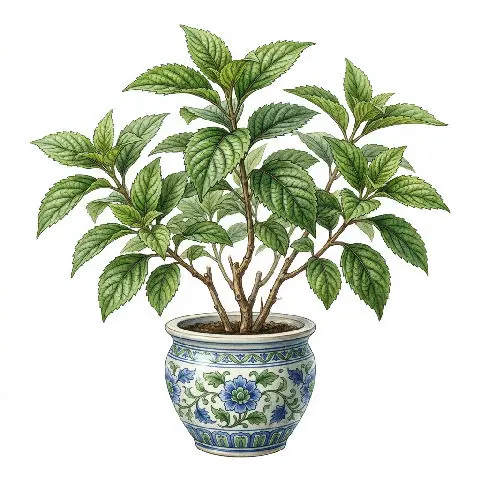
Agnimanth, known scientifically as Premna serratifolia, is a prominent member of the Lamiaceae family, revered for its integral role in traditional Ayurvedic medicine. The name 'Agnimanth' evocatively translates to 'fire churner,' symbolizing its historical use in kindling digestive fire (Agni) and supporting metabolic functions. This versatile plant typically manifests as a shrub or a small tree, reaching heights of 2 to 8 meters, though it can sometimes extend up to 10 meters. Its distinctive morphology includes simple, opposite leaves that are characteristically ovate-elliptic with serrated margins, contributing to its unique appearance.
The plant produces small, greenish-white flowers arranged in terminal panicles, which later develop into small, blackish drupes, serving as its fruit. Native to the tropical and subtropical belts, Agnimanth thrives in diverse environments such as coastal areas, fertile riverbanks, and open forests. Its geographical footprint spans across India, Sri Lanka, Southeast Asia, and certain parts of Australia. The plant's remarkable adaptability to various soil types underscores its resilience and significance in traditional healing systems for many centuries.
Historically, indigenous communities have harnessed different parts of Premna serratifolia, including its roots, leaves, and bark, to address a wide spectrum of ailments, ranging from rheumatic conditions to various skin disorders. Contemporary scientific investigations are increasingly validating these traditional applications, uncovering a rich array of phytochemicals that contribute to its observed anti-inflammatory, antioxidant, and immunomodulatory properties. The historical and cultural importance of Agnimanth is deeply interwoven with Ayurvedic practices, where it stands as one of the ten fundamental roots (Dashamoola) essential in numerous formulations designed to alleviate inflammatory conditions, fevers, and neurological imbalances. This enduring legacy solidifies the plant's esteemed position in herbal medicine.
Trusted Scientific References
1. Authoritative external sources for Premna serratifolia
1.1 Wikipedia — Premna serratifolia
1.2 Kew POWO (Plants of the World Online)
1.3 PubMed — peer-reviewed research
1.4 NCBI Taxonomy Browser
1.5 GBIF — Global Biodiversity
1.1.Agnimanth — Distinguishing Points
- ✓Botanical Identity — Premna serratifolia, a shrub/small tree in the Lamiaceae family.
- ✓Traditional Significance — Central to Ayurvedic medicine, especially as part of Dashamoola.
- ✓Digestive & Metabolic — Renowned for stimulating Agni and improving metabolism.
- ✓Anti — inflammatory Power — Offers relief in conditions like arthritis and neuralgia.
- ✓Phytochemical Richness — Contains compounds like luteolin, beta-sitosterol, and iridoid glycosides.
- ✓Adaptable Habitat — Thrives in diverse tropical and subtropical environments.
- ✓Versatile Usage — Roots, bark, and leaves are all utilized for various ailments.
- ✓Holistic Healing — Addresses Vata disorders, fevers, and neurological conditions.
- ✓Cardioprotective — Supports heart and blood vessel health.
- ✓Low Toxicity Profile — Generally considered safe with minimal reported side effects.
1.2.Agnimanth — At-a-Glance Summary
- ✓Ayurvedic 'Fire Churner' — Enhances digestive fire and metabolic processes.
- ✓Dashamoola Component — One of the ten vital roots in Ayurvedic formulations.
- ✓Anti-inflammatory & Analgesic — Effective for pain and inflammatory conditions.
- ✓Metabolism Booster — Supports weight management and fat metabolism.
- ✓Diverse Phytochemistry — Rich in iridoids, terpenes, flavonoids, and alkaloids.
- ✓Roots, Bark, Leaves Used — Different parts offer distinct therapeutic benefits.
2.Agnimanth — Scientific Identity
3.Agnimanth — Vital Statistics
4.Agnimanth — Physical Description
5.Agnimanth — Native Range & Habitat
6.Agnimanth — Traditional Uses
7.Agnimanth — Chemical Profile
- ✓Iridoid Glycosides — These compounds, including iridoid glycoside, contribute to the plant's anti-inflammatory and immunomodulatory effects.
- ✓Terpenoids — Compounds like caryophyllene, betulin, and premnaspirodien are responsible for various pharmacological actions, including anti-inflammatory and antioxidant properties.
- ✓Alkaloids — Specific alkaloids such as aphelandrine, premnine, and ganikarin are present, potentially contributing to analgesic and anti-inflammatory activities.
- ✓Fatty Acids — Linoleic acid is a notable constituent, known for its essential role in human health and potential anti-inflammatory benefits.
- ✓Phenylpropanoids — p-Methoxy cinnamic acid is identified, often associated with anti-inflammatory and antioxidant activities.
- ✓Flavonoids — Luteolin is a prominent flavonoid found in Agnimanth, recognized for its strong antioxidant, anti-inflammatory, and potentially anti-cancer properties.
- ✓Phytosterols — Beta-sitosterol is a significant phytosterol, widely studied for its cholesterol-lowering, anti-inflammatory, and immune-modulating effects.
- ✓Other Unique Compounds — Premnazole and premnenol are specific to the Premna genus, contributing to the plant's distinct pharmacological profile.
8.Agnimanth — Evidence-Based Benefits
- ✓Digestive Stimulant — Agnimanth roots are highly valued for their ability to enhance appetite and improve overall digestion, alleviating symptoms like post-meal heaviness and fatigue.
- ✓Anti-inflammatory Action — The plant exhibits potent anti-inflammatory properties, making it beneficial for conditions such as rheumatoid arthritis and generalized inflammatory disorders.
- ✓Analgesic Relief — It provides significant pain relief, particularly effective in musculoskeletal and neurological pain conditions like neuralgia and arthritic discomfort.
- ✓Metabolism Enhancement — Agnimanth leaves are particularly noted for their anti-obesity effects and capacity to boost metabolism, aiding in fat breakdown and preventing accumulation.
- ✓Hepatoprotective Effects — Leaf extracts demonstrate liver-protective qualities, safeguarding the liver from damage and supporting its detoxifying functions.
- ✓Cardioprotective Support — Various parts of the plant, especially the roots and bark, contribute to cardiovascular health by protecting blood vessels and the heart.
- ✓Antimicrobial Properties — It possesses antibacterial and antiviral actions, which help combat infections and inhibit microbial growth, as seen in conditions like lymphadenitis and eruptive fevers.
- ✓Antidiabetic Potential — Agnimanth leaves show promise in managing blood sugar levels, contributing to antihyperglycemic and anti-diabetic effects.
- ✓Immunomodulatory Activity — The plant helps modulate the immune system, enhancing the body's natural defense mechanisms against various pathogens and conditions.
- ✓Anti-allergic Benefits — Roots are traditionally used to treat urticaria, helping to reduce hives, itching, and prickling pain through its anti-allergic actions.
- ✓Renal Support for Chyluria — Decoctions from Agnimanth roots are advised for chyluria, assisting in the management of chylous urine.
8.1.Agnimanth — Reported Uses
9.Agnimanth — Safety Considerations
9.1.Agnimanth — Warnings
- ✓Generally Well-Tolerated — Agnimanth is considered safe when consumed in recommended dosages and forms, with no commonly reported severe side effects.
- ✓Digestive Sensitivity — Due to its pungent and heating (Ushna Virya) properties, individuals with extremely sensitive digestive systems might experience mild gastric discomfort.
- ✓Allergic Reactions — While rare, as with any botanical, individual hypersensitivity or allergic responses such as skin rashes or itching are theoretically possible.
- ✓Unknown Drug Interactions — Specific interactions with conventional pharmaceutical drugs have not been extensively studied, so caution is advised for individuals on medication.
- ✓Pregnancy Contraindication — Its use is generally avoided during pregnancy due to insufficient research on its safety profile for expectant mothers.
- ✓Overdosage Concerns — Exceeding recommended dosages may lead to unknown or exaggerated effects, hence adherence to prescribed amounts is crucial.
9.2.Agnimanth — Risk Assessment
- ✓Pregnancy — Agnimanth preparations are generally advised to be avoided during pregnancy due to a lack of established safety data for pregnant women.
- ✓Breastfeeding — It is considered likely safe for lactating mothers, with formulations containing Agnimanth, like Dashmularishta, commonly used postpartum.
- ✓Contraindications — There are no absolute contraindications identified for Agnimanth when used appropriately according to traditional Ayurvedic principles.
- ✓Toxicity — No known toxicity has been observed or reported with the medicinal use of Agnimanth in its crude or prepared forms.
- ✓Allergic Reactions — Allergic reactions to Agnimanth are not commonly known or reported in traditional or modern literature.
- ✓Drug Interactions — Specific drug interactions with conventional medications are not well-documented, warranting caution and consultation for individuals on pharmaceutical drugs.
- ✓General Safety — Agnimanth is considered safe when utilized in its natural forms, such as powder, juice, or decoction, following traditional dosage guidelines.
10.Agnimanth — Preparations & Uses
- ✓Root Powder (Churna) — Dried roots or bark are ground into a fine powder, typically taken with warm water to aid digestion or address Vata disorders.
- ✓Decoction (Kwath) — A potent preparation made by boiling coarse root or bark powder in water until reduced, used for systemic benefits like pain relief and inflammation.
- ✓Fresh Leaf Juice (Svarasa) — Juice extracted from fresh leaves is consumed directly, particularly for metabolic enhancement, anti-obesity, and antidiabetic effects.
- ✓External Paste Application — Fresh Agnimanth leaves can be crushed and combined with other herbs (e.g., bamboo leaves) to form a paste for topical application on swollen lymph nodes or skin conditions.
- ✓Medicated Water (Pani) — Agnimanth roots are boiled in water to create a therapeutic drink, often consumed before or after meals to improve appetite and digestion.
- ✓Sitz Bath Decoction — A decoction prepared from the plant is used in sitz baths to alleviate pain and discomfort associated with hemorrhoids.
- ✓Formulations — Agnimanth is a key ingredient in numerous complex Ayurvedic formulations like Dashamoola and Dasamoolarishtam, often combined with other herbs for synergistic effects.
- ✓Dosage Adjustment — Specific dosages vary based on the preparation (powder, decoction, juice), age, and individual health condition, always adhering to traditional guidelines.
11.Agnimanth — Garden Cultivation
- ✓Climatic Preference — Agnimanth thrives in tropical and subtropical climates, requiring warm temperatures and ample humidity.
- ✓Soil Requirements — It adapts well to various soil types, but prefers well-drained, fertile loamy or sandy-loamy soils for optimal growth.
- ✓Light Exposure — The plant flourishes in full sun to partial shade, with adequate light promoting robust growth and flowering.
- ✓Propagation — Can be propagated effectively through seeds, stem cuttings, or root suckers, with cuttings being a common method for commercial cultivation.
- ✓Watering — Requires moderate to consistent watering, especially during dry periods, though mature plants exhibit some drought tolerance.
- ✓Fertilization — Benefits from organic fertilizers or well-rotted compost applied periodically to enrich soil nutrients and support vigorous development.
- ✓Pest and Disease Management — Generally resilient, but regular monitoring for common pests and fungal diseases is advisable to maintain plant health.
- ✓Harvesting — Roots and bark are typically harvested from mature plants, while leaves can be collected as needed throughout the growing season.
Reviewed by the Flora Medical Global Botanical Review Panel
Multi-disciplinary editorial group · Botany · Ethnobotany · Herbal-medicine literature
Who reviewed this: This page was checked by the Flora Medical Global Botanical Review Panel — an in-house editorial group of botany graduates, ethnobotany researchers, and horticulture practitioners who collectively maintain our 7,000+ plant encyclopedia. Meet the team.
Our 4-step verification process
1. Taxonomic verification
Scientific names and synonyms cross-checked against Kew POWO, World Flora Online, and The Plant List.
2. Phytochemical & medicinal cross-reference
Active compounds, traditional uses, and reported activities are cross-referenced with PubMed, USDA Dr. Duke's database, and peer-reviewed ethnobotanical literature.
3. Conservation & distribution check
Distribution, ecology, and conservation status confirmed against GBIF occurrence records and the IUCN Red List.
4. Editorial & safety review
Every entry passes an editorial pass for clarity, originality, and safety notices (toxicity, contraindications, dosage caveats) before publication.
Last reviewed:
Important medical disclaimer: This content is for educational and research purposes only. It is not medical advice and is not a substitute for consultation with a licensed healthcare provider. Do not use any herb to self-treat a medical condition without professional guidance.
Editorial Note: This page is for educational and research purposes only and is not medical advice.
Written by: Flora Medical Global Editorial Team
Reviewed by: Flora Medical Global Botanical Review Panel
Last Updated: June 16, 2026





Agnimanth — Comments & Community Reviews
Rate this plant