


Medical Disclaimer: This content is for educational purposes only. It is not medical advice. Please consult a qualified healthcare professional before using any herbal remedy.
Safety Overview
1.Aguru — Plant Snapshot
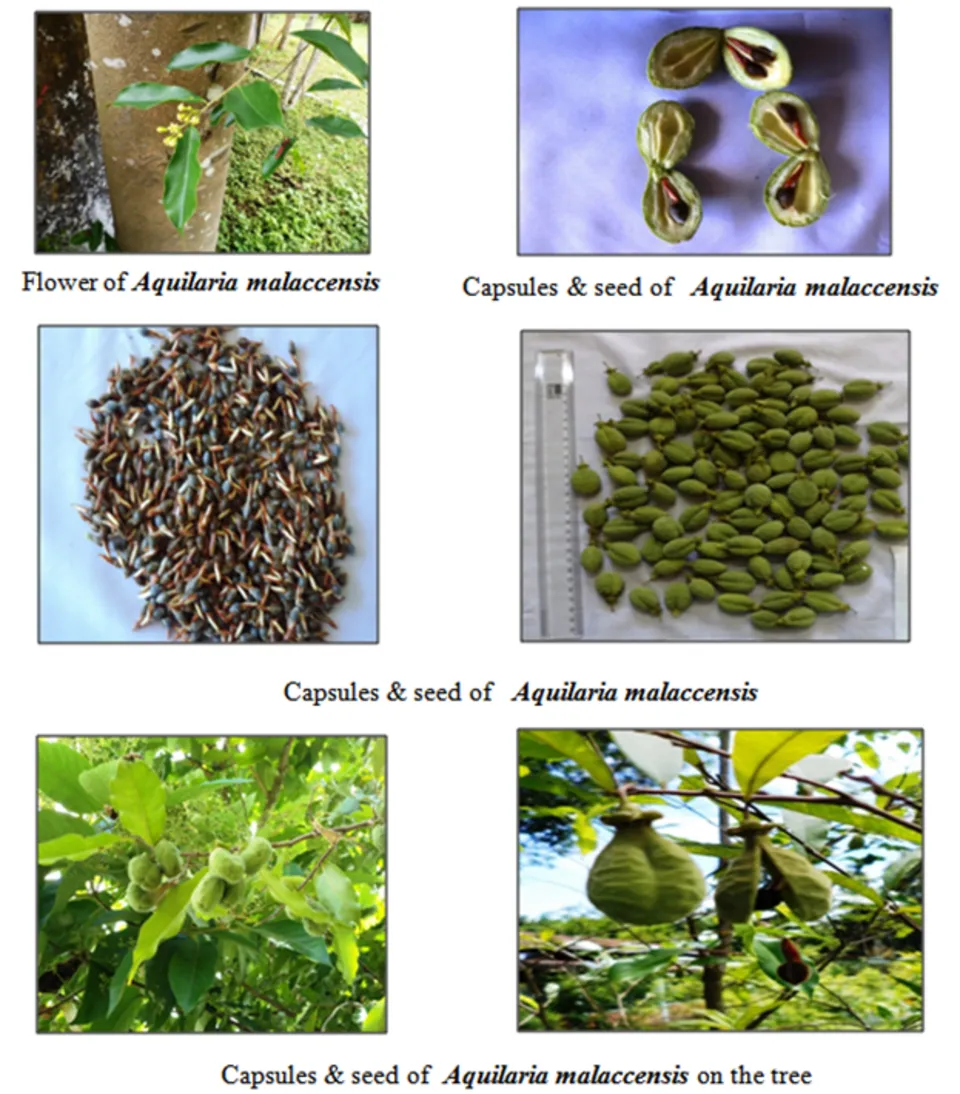
Aquilaria agallocha, commonly known as Aguru or Agarwood, is a distinguished member of the Thymelaeaceae family, renowned for its highly aromatic and resinous heartwood. This medium-sized evergreen tree typically grows to heights of 15-30 meters (50-100 feet), characterized by a slender, often irregular trunk and smooth, light-grey bark that progressively darkens with age. Its leaves are alternate, simple, glossy green, and typically elliptic-oblong in shape, offering a lush canopy. Small, subtly greenish-yellow flowers emerge in axillary umbels, eventually developing into woody capsules, each housing a single seed.
Native to the biodiverse rainforests of Southeast Asia, its natural habitat spans northeastern India, Bhutan, Laos, Vietnam, Thailand, and extends into parts of China and Malaysia. The extraordinary value of Aguru stems from the formation of agarwood, a dense, dark, and fragrant resinous wood. This occurs as a defense mechanism when the tree is subjected to attack by specific fungi, most notably Phialophora parasitica. The fungal infection triggers a complex biochemical response, leading the tree to produce a dark, aromatic oleoresin that impregnates the wood, drastically altering its color, density, and imparting its characteristic complex fragrance.
Historically, agarwood has been revered for millennia, with mentions in ancient texts like the Vedas and the Bible, underscoring its profound cultural, religious, and medicinal significance across diverse traditions. Its exquisite aromatic qualities have made it indispensable in perfumery, incense production, and various traditional medical systems, often playing a central role in spiritual rituals. The escalating demand for this precious resin has unfortunately led to the overharvesting of wild populations, rendering Aquilaria agallocha an endangered species and making conservation efforts paramount.
Trusted Scientific References
1. Authoritative external sources for Aquilaria agallocha
1.1 Wikipedia — Aquilaria agallocha
1.2 Kew POWO (Plants of the World Online)
1.3 PubMed — peer-reviewed research
1.4 NCBI Taxonomy Browser
1.5 GBIF — Global Biodiversity
1.1.Aguru — Standout Qualities
- ✓Highly Aromatic Resin — Produces the unique, complex fragrance of agarwood.
- ✓Fungal Interaction — Resin formation is a pathological response to Phialophora parasitica.
- ✓Endangered Species — Wild populations are threatened by overharvesting.
- ✓High Economic Value — One of the world's most expensive natural raw materials.
- ✓Traditional Medicine Staple — Integral to Ayurvedic, TCM, and Unani systems.
- ✓Perfumery and Incense — Widely used in high-end fragrances and spiritual rituals.
- ✓Complex Phytochemistry — Rich in sesquiterpenes, chromones, and lignans.
- ✓Southeast Asian Native — Indigenous to rainforests across the region.
- ✓Versatile Applications — Used internally, externally, and as an aromatic fumigant.
- ✓Cultural and Religious Significance — Valued in many ancient traditions globally.
1.2.Aguru — At-a-Glance Summary
- ✓Aguru (Aquilaria agallocha) is famed for its precious, aromatic agarwood resin.
- ✓Its formation is a unique defense mechanism against fungal infection.
- ✓Revered in Ayurveda and TCM for respiratory, skin, and aromatic benefits.
- ✓Key chemical constituents are sesquiterpenes, chromones, and lignans.
- ✓Used as powder, oil, paste, and incense for diverse therapeutic applications.
- ✓Critical conservation efforts are needed due to overharvesting and high demand.
2.Aguru — Scientific Profile
3.Aguru — Quick Facts
4.Aguru — Plant Morphology
5.Aguru — Where It Grows
6.Aguru — Cultural & Traditional Roles
7.Aguru — Bioactive Constituents
- ✓Agarol — A sesquiterpene alcohol that is a primary component of agarwood oil, contributing to its characteristic aroma and pharmacological effects.
- ✓Agarospirol — Another sesquiterpene found in agarwood, known for its aromatic properties and potential therapeutic benefits.
- ✓Chromones — A class of organic compounds, some of which found in Aquilaria species exhibit antioxidant and anti-inflammatory activities.
- ✓Terpenoids — A diverse group of organic compounds, including sesquiterpenes and diterpenes, which are responsible for the aromatic qualities and possess various medicinal properties.
- ✓Phenolic Compounds — Including flavonoids and other polyphenols, which are potent antioxidants that help combat oxidative stress and inflammation.
- ✓Volatile Oils — A complex mixture of aromatic compounds that contribute to the scent and possess antimicrobial and sedative properties.
8.Aguru — Research Insights
- ✓Anti-inflammatory Properties — Aquilaria agallocha exhibits significant anti-inflammatory effects, which can be attributed to its rich array of bioactive compounds. These compounds help to modulate inflammatory pathways in the body, reducing the production of pro-inflammatory cytokines and mediators. This makes it a valuable agent in managing conditions characterized by chronic inflammation, such as arthritis, inflammatory bowel disease, and certain skin disorders, by alleviating pain, swelling, and redness.
- ✓Antioxidant Activity — The plant is a potent source of antioxidants, including various phenolic compounds and flavonoids. These antioxidants combat oxidative stress by neutralizing harmful free radicals, which are implicated in aging and the development of numerous chronic diseases, including cancer, cardiovascular disease, and neurodegenerative disorders. By protecting cells from oxidative damage, Aguru contributes to overall cellular health and longevity.
- ✓Antimicrobial and Antifungal Effects — Extracts from Aquilaria agallocha have demonstrated broad-spectrum antimicrobial and antifungal activity against a range of pathogenic microorganisms. This property makes it useful in treating infections caused by bacteria and fungi, including skin infections, respiratory tract infections, and gastrointestinal issues. Its ability to inhibit microbial growth can also aid in wound healing and prevent secondary infections.
- ✓Digestive Health Support — Traditionally, Aguru has been used to improve digestive function. It can help alleviate symptoms associated with indigestion, bloating, gas, and stomach cramps. Its carminative properties aid in the expulsion of intestinal gas, while its potential to soothe the gastrointestinal lining may help with conditions like gastritis and ulcers.
- ✓Respiratory System Aid — The plant is recognized for its beneficial effects on the respiratory system. It can help to relieve coughs, clear congestion, and ease breathing difficulties associated with conditions like asthma and bronchitis. Its expectorant properties help to loosen mucus, making it easier to expel, while its anti-inflammatory action can reduce airway inflammation.
- ✓Analgesic Properties — Aguru possesses natural pain-relieving qualities. It can be used to manage various types of pain, including headaches, muscle aches, and joint pain. The compounds within the plant may interact with pain receptors or modulate pain signaling pathways, offering a natural alternative for pain management.
- ✓Wound Healing Acceleration — The antimicrobial and anti-inflammatory properties of Aguru contribute to its efficacy in promoting wound healing. It can help to cleanse wounds, reduce the risk of infection, and stimulate the regeneration of tissue, leading to faster and more efficient recovery from cuts, burns, and abrasions.
- ✓Stress and Anxiety Reduction — In traditional medicine, Aguru is often employed for its calming and anxiolytic effects. It is believed to help reduce feelings of stress, anxiety, and nervousness, promoting a sense of tranquility and mental well-being. This makes it a potential natural remedy for mild to moderate anxiety disorders.
- ✓Cardiovascular Health Support — Emerging research suggests that Aquilaria agallocha may offer benefits for cardiovascular health. Its antioxidant and anti-inflammatory actions can help protect blood vessels from damage and reduce the risk of atherosclerosis. Further studies are needed, but it may play a role in managing blood pressure and cholesterol levels.
- ✓Neuroprotective Potential — The antioxidant properties of Aguru are also beneficial for brain health. By combating oxidative stress in the brain, it may help protect neurons from damage and reduce the risk of neurodegenerative diseases like Alzheimer's and Parkinson's. It could also support cognitive function and memory.
- ✓Skin Health Improvement — Due to its anti-inflammatory, antioxidant, and antimicrobial properties, Aguru can be beneficial for various skin conditions. It may help soothe irritated skin, reduce acne breakouts, and promote a clearer complexion. Its application in topical formulations can aid in managing eczema, psoriasis, and other inflammatory skin ailments.
- ✓Immune System Modulation — While not a direct immune booster, Aguru may help modulate the immune system by reducing inflammation and oxidative stress, which can otherwise impair immune function. A balanced immune response is crucial for fighting off infections and maintaining overall health.
8.1.Aguru — Conditions Traditionally Used For
9.Aguru — Precautions & Warnings
9.1.Aguru — Reported Side Effects
- ✓While generally considered safe when used appropriately, some individuals may experience mild gastrointestinal upset, such as nausea or stomach discomfort, particularly when consuming large doses.
- ✓Allergic reactions, though rare, are possible, manifesting as skin rashes or itching.
- ✓It is advisable to start with a low dose to assess individual tolerance.
9.2.Aguru — Safety Overview
- ✓Aquilaria agallocha has a long history of traditional use, suggesting a good safety profile for most individuals.
- ✓However, pregnant or breastfeeding women should exercise caution and consult a healthcare professional before use due to a lack of extensive safety data in these populations.
- ✓Individuals with pre-existing medical conditions or those taking medications should also seek medical advice to avoid potential interactions.
10.Aguru — Application Forms
- ✓Powder (Churna) — Aguru powder, typically 3-5 grams daily, is mixed with honey and consumed for respiratory conditions like cough and asthma.
- ✓Essential Oil — Agarwood oil, 1-5 drops, can be taken internally on a betel leaf for asthma or applied topically for pain relief and as ear drops for otalgia.
- ✓Topical Paste (Lepa) — A paste made from Aguru wood is applied externally to alleviate coldness, pain from arthritis, inflammation, and to treat various skin disorders.
- ✓Fumigation (Dhoop) — Burning Aguru powder for fumigation is used to cleanse non-healing wounds, desiccate exudates, and to provide respiratory relief when inhaled.
- ✓Decoction (Kwatha) — A decoction prepared from Aguru wood is traditionally used for specific conditions like Lavana Meha and for internal cleansing.
- ✓Ayurvedic Formulations — Aguru is a key ingredient in renowned Ayurvedic preparations such as Anu Tailam (nasal drops for ENT issues) and Arimedadi Thailam (for oral health).
- ✓Incense and Perfumery — The aromatic wood is burned as incense for spiritual rituals and used in high-end perfumery for its complex, woody fragrance.
- ✓Oral Hygiene — As an ingredient in oils for oil-pulling or gargling, it helps improve the strength of teeth and sense organs, and addresses bad breath.
11.Aguru — Growth Requirements
- ✓Seed Propagation — Aguru trees are primarily propagated from seeds, which require specific conditions for germination, often needing pre-treatment.
- ✓Nursery Cultivation — Seedlings are typically raised in nurseries under controlled conditions before transplanting to the field.
- ✓Tropical Climate — The tree thrives in warm, humid tropical and subtropical climates, replicating its native rainforest environment.
- ✓Well-Drained Soil — Requires fertile, well-drained loamy soils, often slightly acidic to neutral, for optimal growth.
- ✓Fungal Inoculation — To induce agarwood formation, trees are intentionally wounded and inoculated with specific fungi, such as Phialophora parasitica.
- ✓Maturation Period — Commercially viable amounts of agarwood typically form in trees 20-50 years old, with older trees yielding richer resin content.
- ✓Sustainable Harvesting — Due to its endangered status, sustainable harvesting practices and plantation forestry are crucial to meet demand and ensure species survival.
- ✓Protection from Pests — Young trees need protection from pests and diseases to ensure healthy development prior to inoculation.
Reviewed by the Flora Medical Global Botanical Review Panel
Multi-disciplinary editorial group · Botany · Ethnobotany · Herbal-medicine literature
Who reviewed this: This page was checked by the Flora Medical Global Botanical Review Panel — an in-house editorial group of botany graduates, ethnobotany researchers, and horticulture practitioners who collectively maintain our 7,000+ plant encyclopedia. Meet the team.
Our 4-step verification process
1. Taxonomic verification
Scientific names and synonyms cross-checked against Kew POWO, World Flora Online, and The Plant List.
2. Phytochemical & medicinal cross-reference
Active compounds, traditional uses, and reported activities are cross-referenced with PubMed, USDA Dr. Duke's database, and peer-reviewed ethnobotanical literature.
3. Conservation & distribution check
Distribution, ecology, and conservation status confirmed against GBIF occurrence records and the IUCN Red List.
4. Editorial & safety review
Every entry passes an editorial pass for clarity, originality, and safety notices (toxicity, contraindications, dosage caveats) before publication.
Last reviewed:
Important medical disclaimer: This content is for educational and research purposes only. It is not medical advice and is not a substitute for consultation with a licensed healthcare provider. Do not use any herb to self-treat a medical condition without professional guidance.
Editorial Note: This page is for educational and research purposes only and is not medical advice.
Written by: Flora Medical Global Editorial Team
Reviewed by: Flora Medical Global Botanical Review Panel
Last Updated: June 16, 2026





Aguru — Comments & Community Reviews
Rate this plant