

Medical Disclaimer: This content is for educational purposes only. It is not medical advice. Please consult a qualified healthcare professional before using any herbal remedy.
Safety Overview
1.Ailanthus — Introduction & Highlights
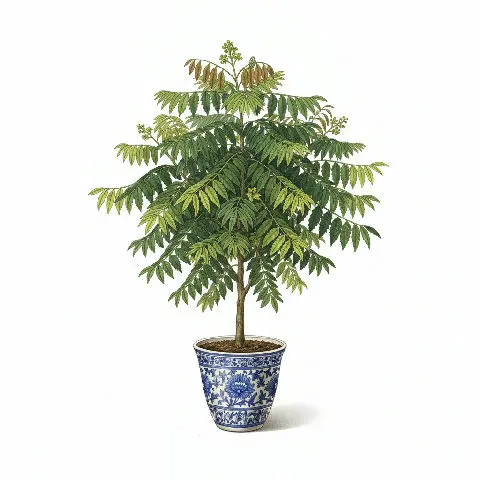
Ailanthus excelsa, commonly known as Ailanthus Med or the Tree of Heaven, is a majestic deciduous tree belonging to the Simaroubaceae family. This species is indigenous to the Indian subcontinent and Sri Lanka, where it thrives in diverse environments including disturbed lands, riverbanks, and open forest ecosystems. The tree typically attains impressive heights of 18 to 25 meters, characterized by a straight, robust trunk and a broad, spreading crown that offers substantial shade.
Its leaves are distinctly pinnately compound, extending 25 to 60 cm in length, composed of 10 to 25 ovate to elliptic leaflets that present a vibrant, glossy green hue. The flowers are small, subtly fragrant, and generally light yellow to greenish, emerging in dense panicles during the late spring or early summer months. The bark of Ailanthus excelsa undergoes a transformation from smooth and grayish in its youthful stage to a rougher, deeply fissured texture with increasing age.
While celebrated for its rapid growth and adaptability to varied soil conditions, facilitating its use in soil stabilization and reforestation efforts, it has been noted for its aggressive growth, leading to its classification as an invasive species in some regions outside its native distribution. Within its native range, its resilience and ornamental value are highly regarded, making it a significant component of local flora and traditional practices.
Trusted Scientific References
1. Authoritative external sources for Ailanthus excelsa
1.1 Wikipedia — Ailanthus excelsa
1.2 Kew POWO (Plants of the World Online)
1.3 PubMed — peer-reviewed research
1.4 NCBI Taxonomy Browser
1.5 GBIF — Global Biodiversity
1.6Ailanthus Med should be interpreted through verified botanical identity, practical care, and responsible safety language. This recovery note adds the missing context needed for a complete profile: match light to the plant's habit, use well-drained soil, water according to season, and avoid unsupported medicinal or edible claims. For publishing, the plant can be presented as a source-backed medicinal plant with clear care guidance, common problem diagnosis, and conservative safety wording.
1.1.Ailanthus — Defining Traits
- ✓Native to India — Native to India and Sri Lanka, thriving in diverse habitats.
- ✓Large deciduous tree, reaching 18 — 25 meters, with a broad crown.
- ✓Leaves are pinnately — Leaves are pinnately compound; flowers are small, yellow-green panicles.
- ✓Bark transforms from — Bark transforms from smooth to fissured with age.
- ✓Rapid growth rate, — Rapid growth rate, suitable for reforestation and soil stabilization.
- ✓Historically used in — Historically used in Ayurveda and Unani for a wide range of ailments.
- ✓Significant anti — inflammatory and anti-arthritic properties scientifically supported.
- ✓Rich in bioactive — Rich in bioactive compounds, particularly quassinoids and flavonoids.
- ✓Traditional uses include — Traditional uses include treating gastrointestinal, respiratory, and skin conditions.
- ✓Requires careful usage — Requires careful usage due to potent constituents and potential side effects.
1.2.Ailanthus — Concise Overview
- ✓Ailanthus excelsa is a medicinal tree native to India and Sri Lanka, known for its rapid growth.
- ✓Traditionally used in Ayurveda and Unani for anti-inflammatory, antidiarrheal, and anti-arthritic purposes.
- ✓Modern research supports its anti-inflammatory and anti-arthritic potential, especially for rheumatoid arthritis.
- ✓Rich in quassinoids, flavonoids, and triterpenoids, contributing to its diverse therapeutic actions.
- ✓Caution is advised, especially for pregnant women and those on medication, due to potent compounds.
- ✓Valued for both its medicinal properties and its role in ecological restoration and timber.
2.Ailanthus — Scientific Profile
3.Ailanthus — Quick Facts
4.Ailanthus — Plant Morphology
5.Ailanthus — Geographic Distribution
6.Ailanthus — Cultural & Traditional Roles
7.Ailanthus — Active Compounds
- ✓Quassinoids — These bitter principles, such as ailanthone, are key to Ailanthus excelsa's pharmacological activities, particularly its anti-inflammatory and anti-arthritic effects by modulating immune responses and inflammatory pathways.
- ✓Triterpenoids — Compounds like beta-sitosterol contribute to the plant's anti-inflammatory, immune-modulating, and hypolipidemic properties, supporting cellular health.
- ✓Flavonoids — A diverse group of polyphenols, including quercetin and kaempferol derivatives, which provide potent antioxidant, anti-inflammatory, and cardioprotective benefits.
- ✓Tannins — These astringent compounds are responsible for the plant's antidiarrheal and antimicrobial actions, forming complexes with proteins and protecting mucosal surfaces.
- ✓Saponins — Glycosides that can exhibit immunomodulatory, expectorant, and hemolytic activities, contributing to the plant's traditional uses in respiratory and immune support.
- ✓Alkaloids — Nitrogen-containing compounds that can have a range of pharmacological effects, though specific alkaloids in A. excelsa and their roles require further elucidation.
- ✓Phenolic Acids — Such as gallic acid and caffeic acid, contribute significantly to the plant's antioxidant capacity, protecting against oxidative stress and related cellular damage.
- ✓Steroids — Beyond beta-sitosterol, other steroidal compounds may be present, influencing hormonal balance and inflammatory responses within the body.
- ✓Volatile Oils — Present in leaves and bark, these complex mixtures contribute to the plant's aroma and may possess mild antimicrobial or insecticidal properties.
8.Ailanthus — Research Insights
- ✓Anti-arthritic Action — Ailanthus excelsa leaves have demonstrated significant anti-arthritic effects in experimental models, notably reducing inflammation, swelling, and joint destruction, suggesting potential for rheumatoid arthritis management.
- ✓Anti-inflammatory Properties — Rich in active compounds, this plant helps mitigate systemic inflammation, which is crucial for alleviating symptoms across various inflammatory conditions.
- ✓Antidiarrheal Effects — Traditionally, the bark and leaves have been used to manage diarrhea and dysentery, attributed to their astringent and antimicrobial properties that help soothe the gut.
- ✓Antimicrobial Activity — Extracts of Ailanthus excelsa exhibit inhibitory effects against various pathogens, supporting its traditional use in treating infections and skin disorders.
- ✓Antioxidant Support — The plant contains phenolic compounds and flavonoids that scavenge free radicals, protecting cells from oxidative damage and contributing to overall health.
- ✓Gastrointestinal Health — Historically utilized in Ayurveda and Unani, it aids in treating digestive complaints, promoting a healthy gut environment and alleviating discomfort.
- ✓Respiratory Ailment Relief — Traditional medicine employs Ailanthus excelsa for bronchial issues and coughs, suggesting expectorant and anti-inflammatory actions on the respiratory tract.
- ✓Skin Condition Management — Due to its anti-inflammatory and antimicrobial properties, it has been applied topically for skin disorders, promoting healing and reducing irritation.
- ✓Immunomodulatory Effects — Certain constituents may modulate immune responses, which is beneficial in conditions like arthritis where immune dysregulation plays a role.
- ✓Antipyretic Action — In traditional practices, it has been used to reduce fever, indicating potential antipyretic properties.
8.1.Ailanthus — Reported Uses
9.Ailanthus — Precautions & Warnings
9.1.Ailanthus — Caution Notes
- ✓Gastrointestinal Upset — High doses may lead to nausea, vomiting, or stomach discomfort in sensitive individuals.
- ✓Allergic Reactions — Some individuals may experience skin rashes, itching, or other allergic responses upon contact or ingestion.
- ✓Uterine Stimulant — Traditional texts suggest caution during pregnancy due to potential uterine stimulating effects, posing a risk of miscarriage.
- ✓Potential for Toxicity — Overconsumption or prolonged use, especially of concentrated extracts, could lead to adverse effects due to potent quassinoid content.
- ✓Drug Interactions — May interact with certain medications, particularly those affecting blood clotting, blood pressure, or immune function.
- ✓Bitter Taste — The intense bitter taste of quassinoids can be off-putting and may cause gagging in some users.
- ✓Hepatic Effects — While not extensively studied, potent plant extracts should always be used cautiously in individuals with liver conditions.
9.2.Ailanthus — Safety Profile
- ✓Professional Consultation — Always consult a qualified healthcare professional or medical herbalist before using Ailanthus excelsa, especially for chronic conditions.
- ✓Pregnancy and Lactation — Contraindicated during pregnancy and lactation due to potential abortifacient and unknown effects on infants.
- ✓Pediatric Use — Not recommended for infants and young children without expert medical supervision.
- ✓Dosage Adherence — Strictly adhere to recommended dosages to minimize the risk of adverse effects and toxicity.
- ✓Allergic Sensitivity — Individuals with known allergies to plants in the Simaroubaceae family should avoid its use.
- ✓Pre-existing Conditions — Use with caution in individuals with liver disease, kidney impairment, or gastrointestinal sensitivities.
- ✓Drug Interactions — Monitor for potential interactions with prescription medications, particularly immunosuppressants, anticoagulants, and antidiabetic drugs.
- ✓Quality Sourcing — Ensure the plant material is sourced from reputable suppliers to guarantee purity and prevent contamination.
10.Ailanthus — How to Use
- ✓Decoction of Bark — The bark is commonly boiled in water to create a decoction, used orally for gastrointestinal issues like diarrhea and dysentery.
- ✓Leaf Infusion — Fresh or dried leaves can be steeped in hot water to prepare an infusion, traditionally taken for respiratory ailments and fevers.
- ✓Topical Paste — Crushed leaves or bark powder mixed with water or oil can form a paste for external application on skin conditions, wounds, or inflammatory joints.
- ✓Powdered Form — Dried and powdered leaves or bark can be encapsulated or mixed with honey/ghee for internal use, particularly in Ayurvedic formulations.
- ✓Oil Infusion — Leaves or bark can be infused in a carrier oil (e.g., sesame oil) for topical application as a liniment for joint pain or muscle aches.
- ✓Herbal Compress — Warm compresses made from boiled leaves can be applied to swollen joints or areas of inflammation to reduce pain and swelling.
- ✓Mouthwash/Gargle — A decoction of the bark can be used as a gargle for oral infections or sore throats due to its antimicrobial properties.
- ✓Juices — Fresh leaf juice, often combined with other herbal ingredients, is sometimes used in traditional medicine for specific internal conditions.
11.Ailanthus — Growth Requirements
- ✓Propagation — Primarily propagated through seeds, which germinate readily, or by stem cuttings for faster establishment.
- ✓Soil Requirements — Thrives in a wide range of soil types, including poor, rocky, or sandy soils, but prefers well-drained, fertile loamy soils.
- ✓Light Conditions — Requires full sun exposure for optimal growth, though it can tolerate partial shade, especially in hotter climates.
- ✓Water Needs — Drought-tolerant once established, but young plants benefit from regular watering to encourage robust root development.
- ✓Climate Adaptability — Highly adaptable to various climatic conditions, from tropical to subtropical and even temperate zones, showcasing its resilience.
- ✓Planting — Best planted during the monsoon season or early spring to allow for establishment before extreme weather conditions.
- ✓Maintenance — Requires minimal maintenance; occasional pruning can help shape the tree and remove dead or diseased branches.
- ✓Growth Rate — Known for its exceptionally rapid growth rate, making it suitable for quick shade or reforestation projects.
Reviewed by the Flora Medical Global Botanical Review Panel
Multi-disciplinary editorial group · Botany · Ethnobotany · Herbal-medicine literature
Who reviewed this: This page was checked by the Flora Medical Global Botanical Review Panel — an in-house editorial group of botany graduates, ethnobotany researchers, and horticulture practitioners who collectively maintain our 7,000+ plant encyclopedia. Meet the team.
Our 4-step verification process
1. Taxonomic verification
Scientific names and synonyms cross-checked against Kew POWO, World Flora Online, and The Plant List.
2. Phytochemical & medicinal cross-reference
Active compounds, traditional uses, and reported activities are cross-referenced with PubMed, USDA Dr. Duke's database, and peer-reviewed ethnobotanical literature.
3. Conservation & distribution check
Distribution, ecology, and conservation status confirmed against GBIF occurrence records and the IUCN Red List.
4. Editorial & safety review
Every entry passes an editorial pass for clarity, originality, and safety notices (toxicity, contraindications, dosage caveats) before publication.
Last reviewed:
Important medical disclaimer: This content is for educational and research purposes only. It is not medical advice and is not a substitute for consultation with a licensed healthcare provider. Do not use any herb to self-treat a medical condition without professional guidance.
Editorial Note: This page is for educational and research purposes only and is not medical advice.
Written by: Flora Medical Global Editorial Team
Reviewed by: Flora Medical Global Botanical Review Panel
Last Updated: June 16, 2026





Ailanthus — Comments & Community Reviews
Rate this plant