
Medical Disclaimer: This content is for educational purposes only. It is not medical advice. Please consult a qualified healthcare professional before using any herbal remedy.
Safety Overview
1.Ajaji — Plant Snapshot
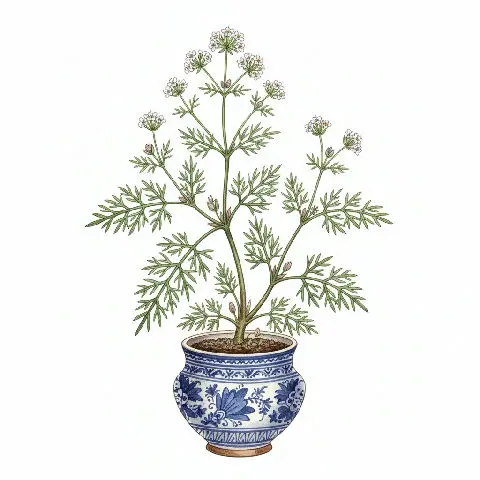
Ajaji, known scientifically as Cuminum cyminum, is an annual herbaceous plant belonging to the Apiaceae family, a diverse group that also includes carrots, parsley, and dill. This aromatic herb is believed to have originated in the Mediterranean region, extending through the Middle East to India, where its cultivation dates back thousands of years. Archaeological evidence points to its significant use in ancient Egypt, not only as a culinary spice but also for its preservative qualities in mummification. Both the ancient Greeks and Romans valued cumin for its distinct flavor and its extensive medicinal attributes. Post-exploration era, Spanish and Portuguese voyagers introduced Cuminum cyminum to the Americas, establishing it as a staple in various global cuisines, including those of India, the Middle East, North Africa, and Mexico.
Typically, Cuminum cyminum grows to a modest height of 30-50 cm (12-20 inches), characterized by its slender, highly branched stems and delicate, finely dissected, feathery leaves that present a pale green hue. The plant produces small, inconspicuous flowers, which can be white or pinkish, arranged in characteristic compound umbels. These flowers develop into the plant's most prized component: oblong, ridged fruits, commonly referred to as 'seeds' (botanically schizocarps), measuring approximately 4-6 mm in length and turning brownish upon maturity. These seeds are renowned for their warm, earthy, and slightly bitter flavor, a characteristic attributed to their rich content of volatile oils. Cuminum cyminum holds a revered position in traditional medicine systems such as Ayurveda, Unani, and Traditional Chinese Medicine (TCM), where it is celebrated for its carminative, digestive, anti-inflammatory, and antimicrobial properties.
Modern scientific research continues to explore and validate these traditional applications, uncovering a complex phytochemistry that underpins its diverse health benefits. The plant thrives best in warm climates, favoring tropical and subtropical zones, requiring well-drained soil and ample full sun exposure for optimal growth and volatile oil production. Taxonomically, it falls under Kingdom: Plantae, Clade: Angiosperms, Eudicots, Order: Apiales, Family: Apiaceae, Genus: Cuminum, Species: C. cyminum. Trusted Scientific References Authoritative external sources for Cuminum cyminum : Wikipedia — Cuminum cyminum Kew POWO (Plants of the World Online) PubMed — peer-reviewed research NCBI Taxonomy Browser G ...[CURRENT TEXT EXISTS: 2525 chars]
1.1.Ajaji — Key Features
- ✓Botanical Name — Cuminum cyminum
- ✓Family — Apiaceae (Carrot Family)
- ✓Primary Active Compound — Cuminaldehyde
- ✓Traditional System — Ayurveda, Unani, Traditional Chinese Medicine
- ✓Key Actions — Carminative, Digestive, Antioxidant, Antimicrobial, Anti-inflammatory
- ✓Plant Part Used — Dried ripe seeds (botanically a schizocarp)
- ✓Flavor Profile — Warm, earthy, slightly bitter, intensely aromatic
- ✓Global Culinary Staple — Essential in Indian, Middle Eastern, North African, and Mexican cuisines
- ✓Growth Habit — Annual herbaceous plant, typically 30-50 cm tall
- ✓Historical Use — Traced back over 5,000 years to ancient Egypt and the Indus Valley civilization
1.2.Ajaji — Snapshot Summary
- ✓Ajaji (Cuminum cyminum) is a versatile Apiaceae herb, globally celebrated for its culinary and profound medicinal value.
- ✓Its seeds are rich in cuminaldehyde, which imparts its distinct aroma and potent digestive, antimicrobial, and antioxidant benefits.
- ✓Revered in traditional systems like Ayurveda, Unani, and TCM for enhancing digestion, balancing doshas, and addressing various ailments.
- ✓Modern scientific research corroborates its efficacy for glycemic control, weight management, and robust anti-inflammatory actions.
- ✓Available in diverse forms including whole seeds, powder, essential oil, and tinctures, allowing for varied therapeutic applications.
- ✓Generally safe when used culinarily, but concentrated preparations warrant caution, especially for pregnant individuals or those with specific health conditions.
2.Ajaji — Scientific Profile
3.Ajaji — Quick Facts
4.Ajaji — Morphological Account
5.Ajaji — Where It Grows
6.Ajaji — Cultural & Traditional Roles
7.Ajaji — Bioactive Constituents
- ✓Aldehydes — Cuminaldehyde: The primary compound responsible for cumin's characteristic aroma, demonstrating potent antibacterial, antifungal, and digestive enzyme-stimulating properties.
- ✓Monoterpenes — γ-Terpinene, β-Pinene, p-Cymene: These volatile compounds contribute significantly to cumin's antioxidant, anti-inflammatory, and mild antispasmodic effects; p-Cymene specifically supports digestive enzyme secretion.
- ✓Flavonoids — Apigenin, Luteolin: Powerful polyphenolic antioxidants that provide hepatoprotective, cardioprotective, and anti-inflammatory benefits through mechanisms like inhibiting lipid peroxidation and modulating NF-κB pathways.
- ✓Tannins — Astringent polyphenols: These compounds help to tone mucous membranes and can reduce gastric irritation, contributing to the plant's digestive support.
- ✓Volatile Oils — A complex mixture of compounds: Responsible for the distinctive fragrance and many therapeutic actions, including carminative, antimicrobial, and antioxidant effects.
- ✓Fatty Acids — Linoleic acid, Oleic acid: Essential fatty acids present in the seeds, contributing to their nutritional value and potentially playing roles in anti-inflammatory processes.
- ✓Phytosterols — Beta-sitosterol: A plant sterol that may contribute to cholesterol-lowering effects and overall cardiovascular health.
- ✓Minerals — Iron, Manganese, Calcium: Provide essential micronutrients crucial for various physiological functions, including blood formation and bone health.
- ✓Fiber — Dietary fiber: Essential for promoting healthy digestion, regulating bowel movements, and supporting a balanced gut microbiome.
- ✓Sesquiterpenes — Caryophyllene: A notable sesquiterpene that contributes to the plant's anti-inflammatory and potentially analgesic properties.
8.Ajaji — Research Insights
- ✓Digestive Health — Ajaji effectively alleviates bloating, gas, and indigestion by stimulating the secretion of key digestive enzymes like lipase and amylase, thereby enhancing 'agni' or digestive fire.
- ✓Glycemic Control — Clinical studies indicate that Cuminum cyminum can significantly lower fasting blood sugar levels in individuals with type 2 diabetes by improving insulin sensitivity.
- ✓Weight Management — Research suggests that the herb promotes weight loss in overweight subjects, likely through accelerating metabolism and increasing lipid oxidation.
- ✓Antioxidant Defense — Cumin seeds exhibit potent free radical scavenging capabilities, boosting the body's natural antioxidant enzymes such as glutathione peroxidase and catalase.
- ✓Antimicrobial Activity — The essential oil, particularly cuminaldehyde, demonstrates strong inhibitory effects against various bacteria like E. coli and Salmonella, and also possesses antifungal properties.
- ✓Antiparasitic Effects — Traditional ethnomedical practices in regions like India utilize Cuminum cyminum against intestinal worms, a use supported by some reports.
- ✓Respiratory Support — Traditional applications for coughs and bronchial spasms align with research showing mild bronchodilatory effects attributed to compounds like cuminaldehyde.
- ✓Menstrual Cramp Relief — Small clinical trials have indicated that cumin seed powder can reduce the severity and duration of primary dysmenorrhea, likely due to its antispasmodic terpenes.
- ✓Anti-inflammatory Action — Cumin helps to reduce inflammation by modulating cytokine release and downregulating inflammatory pathways like NF-κB, particularly beneficial for gut health.
- ✓Hepatoprotective Properties — Flavonoids within Cuminum cyminum contribute to liver protection by inhibiting lipid peroxidation and supporting detoxification processes.
- ✓Cardioprotective Effects — The presence of various antioxidant and anti-inflammatory compounds helps protect the cardiovascular system from oxidative damage and inflammation.
- ✓Carminative Action — Its ability to facilitate the expulsion of gas from the gastrointestinal tract makes it a traditional remedy for relieving abdominal discomfort and flatulence.
8.1.Ajaji — Indications & Uses
9.Ajaji — Adverse Effects
9.1.Ajaji — Possible Adverse Reactions
- ✓Gastrointestinal Irritation — High doses exceeding 5 grams daily may induce heartburn, acid reflux, or general stomach upset in sensitive individuals.
- ✓Allergic Reactions — Rare cases of contact dermatitis or respiratory allergies have been reported, particularly in those sensitive to the Apiaceae family.
- ✓Hypoglycemia Risk — Cumin's blood sugar-lowering effects can potentiate antidiabetic medications, necessitating careful glucose monitoring to prevent hypoglycemia.
- ✓Bile Duct Obstruction — Due to its cholagogic properties, it may exacerbate pain or complications in individuals with gallstones or bile duct obstructions.
- ✓Photosensitivity — Some constituents might increase skin sensitivity to sunlight, though this is generally uncommon with typical consumption.
- ✓Anticoagulant Interaction — A theoretical risk exists for additive effects with anticoagulant medications due to potential mild blood-thinning properties.
- ✓Sedation — While rare with culinary amounts, very high doses of concentrated essential oil could potentially induce mild sedative effects.
9.2.Ajaji — Safety Overview
- ✓Culinary Use — Ajaji is widely considered safe when consumed in typical culinary quantities as a spice.
- ✓Pregnancy/Breastfeeding — Pregnant or breastfeeding women should limit intake to culinary amounts and avoid concentrated extracts or essential oils without professional medical advice.
- ✓Children — Children over five years old can safely consume half the adult powder dose; consult a pediatrician for younger children.
- ✓Medical Conditions — Individuals with pre-existing conditions like gallstones, ulcers, or those on antidiabetic medications should consult a healthcare provider before using high-dose preparations.
- ✓Allergies — Avoid use if there is a known allergy to plants in the Apiaceae family, such as carrots, celery, or parsley.
- ✓Dosage Adherence — Always adhere strictly to recommended dosages; excessive intake of concentrated forms should be avoided to minimize adverse effects.
- ✓Professional Guidance — It is advisable to seek guidance from a certified Ayurvedic practitioner or medical doctor before incorporating high-potency cumin preparations into a health regimen.
10.Ajaji — How to Use
- ✓Whole Seeds — Consume 1-3 grams (about ½-1 teaspoon) of roasted or raw seeds after meals to aid digestion or incorporate into culinary dishes.
- ✓Powder — Take 1-2 grams of cumin powder twice daily, mixed into warm water, honey, or integrated into herbal formulations.
- ✓Essential Oil — Apply 0.1-0.3 mL, highly diluted in a suitable carrier oil like sesame oil, for topical massage on the abdomen or for aromatherapy; internal use requires professional guidance.
- ✓Tincture — Administer 2-5 mL, up to three times daily, preferably diluted in water or juice, offering a concentrated herbal extract.
- ✓Digestive Tea — Steep 1 teaspoon of lightly crushed cumin seeds in hot water for 5-10 minutes, strain, and drink to alleviate gas and bloating.
- ✓Culinary Spice — Extensively used as a fundamental spice in various global cuisines to flavor curries, stews, vegetables, and breads.
- ✓Herbal Decoction — Often combined with other synergistic herbs in Ayurvedic and Unani decoctions to support digestive health and other systemic functions.
- ✓Poultice — A paste made from ground seeds and water or oil can be applied topically for minor skin irritations or localized discomfort, though less common.
11.Ajaji — Propagation & Care
- ✓Climate — Thrives in warm, semi-arid regions with long, hot days and cool nights, intolerant of frost.
- ✓Soil — Prefers well-drained, fertile sandy loam to loamy soils with a neutral to slightly alkaline pH (6.5-7.5).
- ✓Sunlight — Requires full sun exposure for at least 6-8 hours daily to ensure optimal growth and volatile oil production.
- ✓Sowing — Seeds are typically sown directly into the soil at a depth of 1-2 cm after the risk of frost has passed.
- ✓Watering — Needs consistent moisture during the germination and early vegetative stages, but significantly reduced watering as seeds mature to prevent fungal diseases.
- ✓Harvesting — Umbels are hand-picked when the seeds begin to turn brownish, usually 3-4 months post-planting.
- ✓Drying — Traditionally, harvested seeds are sun-dried on mats in well-ventilated areas to preserve their aromatic volatile oil content.
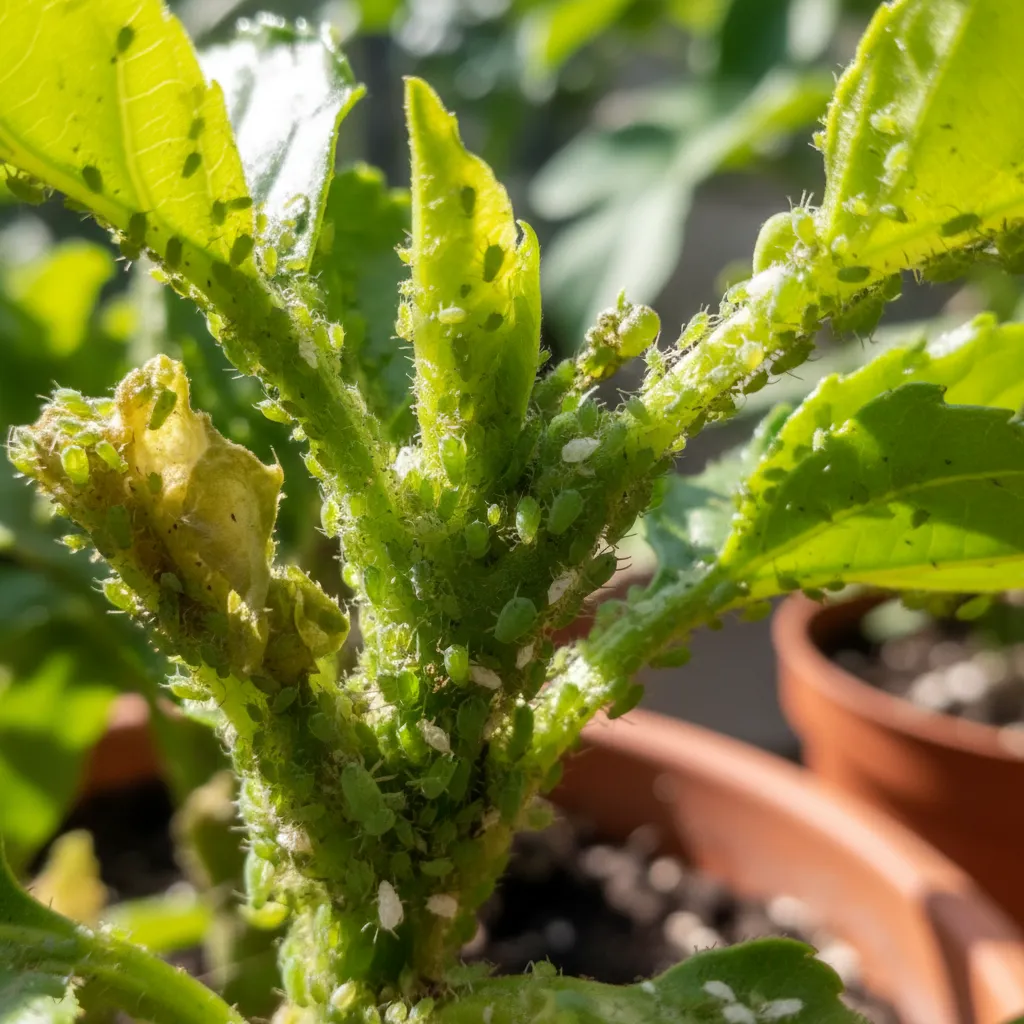
- ✓Pests/Diseases — Susceptible to aphids, powdery mildew, and blight; proper spacing and crop rotation help mitigate these issues.
Reviewed by the Flora Medical Global Botanical Review Panel
Multi-disciplinary editorial group · Botany · Ethnobotany · Herbal-medicine literature
Who reviewed this: This page was checked by the Flora Medical Global Botanical Review Panel — an in-house editorial group of botany graduates, ethnobotany researchers, and horticulture practitioners who collectively maintain our 7,000+ plant encyclopedia. Meet the team.
Our 4-step verification process
1. Taxonomic verification
Scientific names and synonyms cross-checked against Kew POWO, World Flora Online, and The Plant List.
2. Phytochemical & medicinal cross-reference
Active compounds, traditional uses, and reported activities are cross-referenced with PubMed, USDA Dr. Duke's database, and peer-reviewed ethnobotanical literature.
3. Conservation & distribution check
Distribution, ecology, and conservation status confirmed against GBIF occurrence records and the IUCN Red List.
4. Editorial & safety review
Every entry passes an editorial pass for clarity, originality, and safety notices (toxicity, contraindications, dosage caveats) before publication.
Last reviewed:
Important medical disclaimer: This content is for educational and research purposes only. It is not medical advice and is not a substitute for consultation with a licensed healthcare provider. Do not use any herb to self-treat a medical condition without professional guidance.
Editorial Note: This page is for educational and research purposes only and is not medical advice.
Written by: Flora Medical Global Editorial Team
Reviewed by: Flora Medical Global Botanical Review Panel
Last Updated: June 16, 2026





Ajaji — Comments & Community Reviews
Rate this plant