
Medical Disclaimer: This content is for educational purposes only. It is not medical advice. Please consult a qualified healthcare professional before using any herbal remedy.
Safety Overview
1.Ajowan — At a Glance

Ajowan, scientifically known as Trachyspermum copticum (often synonymous with Trachyspermum ammi), is a distinctive annual herbaceous plant. It belongs to the Apiaceae family, a diverse group that includes well-known culinary and medicinal plants such as carrots, parsley, and dill. The plant is indigenous to the Eastern Mediterranean region. Its cultivation and traditional use are deeply rooted across vast areas, including Egypt, India, Pakistan, Iran, and Afghanistan. Ajowan typically reaches a height of 60 to 90 cm and has a delicate appearance, with finely dissected, feathery leaves.
These leaves and the plant's small, oval fruits (commonly called 'seeds') give off a potent, aromatic fragrance reminiscent of thyme. This scent comes mainly from their high concentration of the monoterpenoid compound thymol. The plant produces delicate white flowers arranged in characteristic umbels, and it blooms mostly during the summer months. The grayish-brown, ridged fruits are the most prized part of the plant. People value them for their intense flavor and extensive medicinal properties.
Historically, ancient Ayurvedic texts revered Ajowan, where it is known as 'Yavanika' or 'Yavani'. It has also been a cornerstone of traditional Unani medicine for its carminative and antispasmodic actions. Its adaptability to warm, sunny climates and well-drained soil has helped its widespread cultivation. This makes it a staple in various cuisines, particularly Indian, where cooks add it to dishes not only for its unique taste but also for its recognized digestive benefits.
Trusted Scientific References
Authoritative external sources for Trachyspermum copticum:
Ajowan should be interpreted through verified botanical identity, practical care, and responsible safety language. This recovery note adds the missing context needed for a complete profile: match light to the plant's habit, use well-drained soil, water according to season, and avoid unsupported medicinal or edible claims. For publishing, the plant can be presented as a source-backed medicinal plant with clear care guidance, common problem diagnosis, and conservative safety wording.
1.1.Ajowan — Notable Characteristics
- ✓High Thymol Content — Primary active compound responsible for its potent aroma and therapeutic actions.
- ✓Distinctive Flavor Profile — Pungent, bitter, and slightly spicy, often compared to thyme or oregano.
- ✓Powerful Digestive Aid — Renowned for relieving indigestion, gas, and bloating.
- ✓Natural Antimicrobial — Exhibits strong activity against various bacteria and fungi.
- ✓Traditional Medicine Staple — Integral to Ayurvedic and Unani healing systems for centuries.
- ✓Versatile Culinary Spice — Widely used in Indian, Middle Eastern, and African cooking.
- ✓Antispasmodic Properties — Effective in soothing cramps and muscular spasms.
- ✓Expectorant Action — Aids in clearing respiratory congestion and easing coughs.
- ✓Easy Cultivation — Adaptable to warm climates and well-drained soils.
- ✓Seed — Based Medicinal Use — The 'seeds' (fruits) are the primary part used for both culinary and medicinal purposes.
1.2.Ajowan — Concise Overview
- ✓Ajowan (Trachyspermum copticum) is an aromatic annual herb in the Apiaceae family.
- ✓Its seeds are rich in thymol, responsible for its distinct flavor and potent medicinal properties.
- ✓Widely valued as a digestive aid, carminative, and antimicrobial agent.
- ✓A staple in traditional Ayurvedic and Unani medicine, as well as Indian cuisine.
- ✓Offers benefits for respiratory health and pain relief.
- ✓Should be used cautiously in medicinal doses, especially during pregnancy.
2.Ajowan — Scientific Identity
3.Ajowan — Categories & Tags
4.Ajowan — Physical Description
5.Ajowan — Heritage Uses
6.Ajowan — Chemical Profile
- ✓Thymol — A monoterpene phenol that is the primary active compound, responsible for its potent antiseptic, antimicrobial, antifungal, and antispasmodic properties.
- ✓Carvacrol — Another phenolic monoterpene, closely related to thymol, which also exhibits significant antimicrobial and antioxidant activities.
- ✓Cymene — A monoterpene hydrocarbon that contributes to the aroma and may have mild antiseptic effects.
- ✓Limonene — A cyclic monoterpene found in many essential oils, known for its pleasant citrus aroma and potential anti-inflammatory and mood-lifting properties.
- ✓Terpenoids — A diverse group of organic compounds that contribute to the plant's aroma and possess various pharmacological activities, including anti-inflammatory and antioxidant effects.
- ✓Flavonoids — Such as quercetin and kaempferol, which are potent antioxidants that help protect cells from oxidative damage.
7.Ajowan — Pharmacological Findings
- ✓Digestive Aid — Ajowan seeds are renowned for their potent carminative properties, effectively relieving flatulence, bloating, and indigestion. They stimulate the secretion of digestive juices, promoting better nutrient absorption and soothing stomach cramps.
- ✓Antimicrobial Action — The essential oil of ajowan, particularly thymol, exhibits strong antibacterial and antifungal activity, making it useful in combating various infections, including those affecting the respiratory tract and skin.
- ✓Respiratory Support — Ajowan is a traditional remedy for coughs, colds, and bronchitis. Its expectorant properties help to loosen mucus, while its antispasmodic effects can ease bronchial spasms, facilitating easier breathing.
- ✓Pain Relief — The analgesic properties of ajowan, attributed to compounds like thymol, can help alleviate various types of pain, including headaches, muscle aches, and joint pain. It is often used topically as a warm compress or in massage oils.
- ✓Antioxidant Properties — Ajowan contains several antioxidant compounds that help neutralize harmful free radicals in the body, thereby reducing oxidative stress and protecting cells from damage. This contributes to overall health and may play a role in preventing chronic diseases.
- ✓Anti-inflammatory Effects — The plant possesses anti-inflammatory compounds that can help reduce inflammation throughout the body, offering relief from conditions like arthritis and inflammatory bowel diseases.
- ✓Wound Healing — Due to its antiseptic and anti-inflammatory properties, ajowan can be used to promote the healing of minor wounds, cuts, and abrasions. It helps to cleanse the area and reduce the risk of infection.
- ✓Cholesterol Management — Some studies suggest that ajowan may contribute to managing cholesterol levels by potentially reducing LDL (bad) cholesterol and increasing HDL (good) cholesterol, though more research is needed.
- ✓Antispasmodic Qualities — Ajowan is effective in relieving spasms in various parts of the body, including the digestive tract, respiratory system, and uterus, making it beneficial for conditions like menstrual cramps and colic.
- ✓Appetite Stimulation — For individuals experiencing a loss of appetite, ajowan can act as a natural appetite stimulant, encouraging increased food intake and improving overall well-being.
- ✓Insect Repellent — The strong aroma of ajowan, particularly from its essential oil, can act as a natural insect repellent, deterring mosquitoes and other pests.
- ✓Oral Health — Its antimicrobial properties make ajowan beneficial for oral hygiene, helping to combat bacteria that cause bad breath and gum disease. It can be used in mouth rinses or chewed directly.
7.1.Ajowan — Conditions Traditionally Used For
8.Ajowan — Safety Considerations
8.1.Ajowan — Warnings
- ✓While generally safe when consumed in culinary amounts, excessive intake of ajowan, especially in concentrated forms like essential oils, can lead to adverse effects.
- ✓These may include gastrointestinal upset, such as nausea, vomiting, and abdominal pain, particularly if consumed on an empty stomach.
- ✓It can also cause skin irritation or allergic reactions in sensitive individuals.
8.2.Ajowan — Safety Overview
- ✓Ajowan is considered safe for most people when used as a spice in food.
- ✓However, pregnant and breastfeeding women should exercise caution and consult with a healthcare professional before using it medicinally due to limited safety data.
- ✓Individuals with known allergies to plants in the Apiaceae family (like parsley, celery, or fennel) may also be sensitive to ajowan.
9.Ajowan — Usage Guide
- ✓Culinary Spice — Whole or ground Ajowan seeds are a popular ingredient in Indian, Middle Eastern, and African cuisines, used in curries, lentil dishes, breads, and snacks for flavor and digestive benefits.
- ✓Infusion/Tea — A simple infusion of crushed Ajowan seeds in hot water is a common traditional remedy for indigestion, flatulence, and coughs.
- ✓Powdered Form — Dried and ground Ajowan powder can be mixed with honey or other carriers for medicinal purposes or added to spice blends.
- ✓Essential Oil — The essential oil, extracted through steam distillation, is used in aromatherapy, pharmaceuticals, and as a natural preservative in food and cosmetic industries.
- ✓External Application — A paste of crushed seeds or diluted essential oil can be applied topically to relieve pain, muscle aches, or skin conditions, though caution is advised due to its potency.
- ✓Ayurvedic Preparations — Incorporated into various Ayurvedic formulations (e.g., churnas, arka) for digestive, respiratory, and general wellness support.
- ✓Unani Medicine — Utilized in Unani remedies as a carminative, antispasmodic, and stimulant for gastrointestinal and respiratory ailments.
- ✓Mouthwash — A decoction of Ajowan seeds can be used as a gargle for sore throats or as a natural mouthwash due to its antiseptic properties.
10.Ajowan — How to Grow
- ✓Climate Preference — Thrives in warm, sunny climates with a minimum of 6 hours of direct sunlight daily.
- ✓Soil Requirements — Prefers well-drained, sandy loam to loamy soils with a pH ranging from 6.0 to 8.0; avoid waterlogged conditions.
- ✓Sowing — Seeds are typically sown directly into the soil after the last frost, about 0.5-1 cm deep, with rows spaced 30-45 cm apart.
- ✓Watering — Requires moderate watering, ensuring the soil remains consistently moist but not saturated, especially during germination and flowering.
- ✓Fertilization — Benefits from organic matter or a balanced fertilizer applied at the time of planting to support healthy growth.
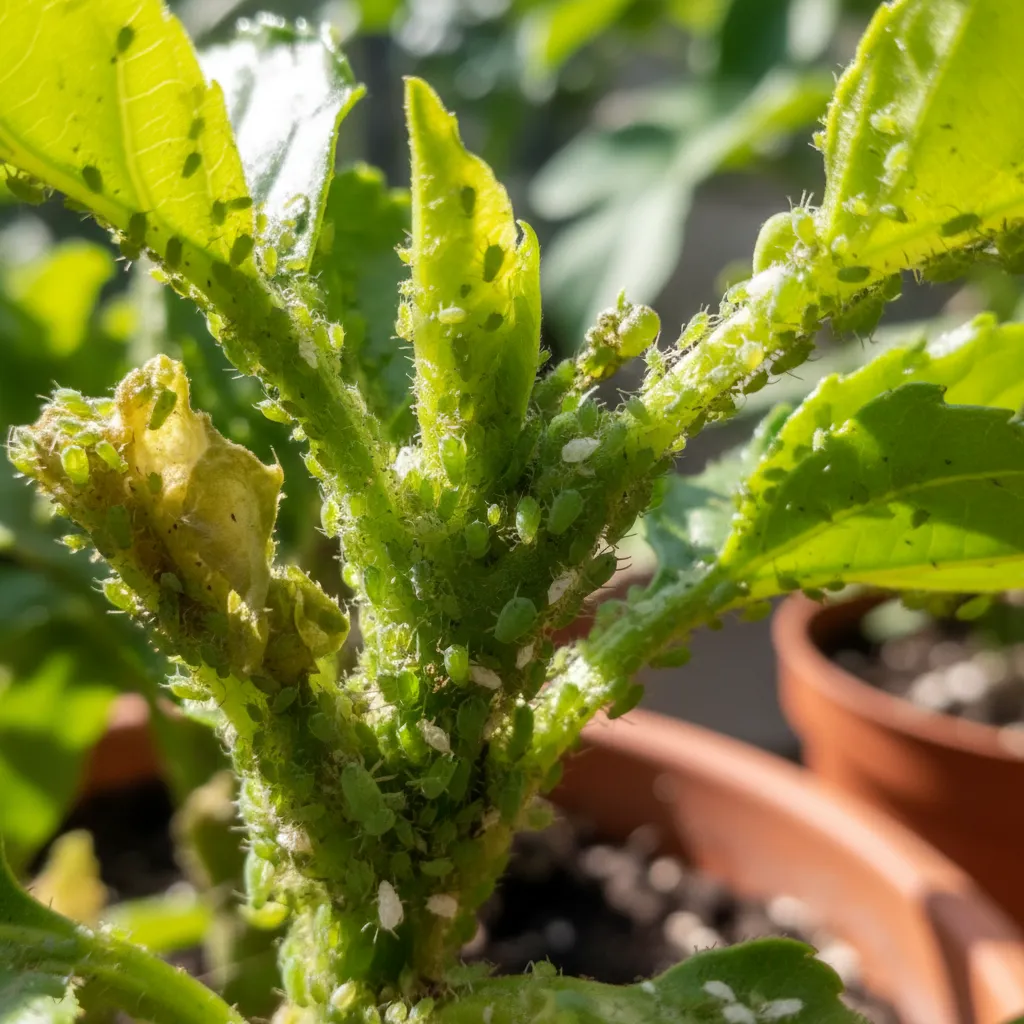
- ✓Pest and Disease Management — Generally robust, but monitor for common garden pests like aphids and fungal diseases, addressing them with organic solutions if necessary.
- ✓Harvesting — The fruits (seeds) are harvested when they turn grayish-brown and the plant begins to dry, typically 3-4 months after planting.
- ✓Post-Harvest — Harvested plants are dried in the shade, and seeds are threshed, cleaned, and stored in airtight containers.
Reviewed by the Flora Medical Global Botanical Review Panel
Multi-disciplinary editorial group · Botany · Ethnobotany · Herbal-medicine literature
Who reviewed this: This page was checked by the Flora Medical Global Botanical Review Panel — an in-house editorial group of botany graduates, ethnobotany researchers, and horticulture practitioners who collectively maintain our 7,000+ plant encyclopedia. Meet the team.
Our 4-step verification process
1. Taxonomic verification
Scientific names and synonyms cross-checked against Kew POWO, World Flora Online, and The Plant List.
2. Phytochemical & medicinal cross-reference
Active compounds, traditional uses, and reported activities are cross-referenced with PubMed, USDA Dr. Duke's database, and peer-reviewed ethnobotanical literature.
3. Conservation & distribution check
Distribution, ecology, and conservation status confirmed against GBIF occurrence records and the IUCN Red List.
4. Editorial & safety review
Every entry passes an editorial pass for clarity, originality, and safety notices (toxicity, contraindications, dosage caveats) before publication.
Last reviewed:
Important medical disclaimer: This content is for educational and research purposes only. It is not medical advice and is not a substitute for consultation with a licensed healthcare provider. Do not use any herb to self-treat a medical condition without professional guidance.
Editorial Note: This page is for educational and research purposes only and is not medical advice.
Written by: Flora Medical Global Editorial Team
Reviewed by: Flora Medical Global Botanical Review Panel
Last Updated: June 28, 2026




Ajowan — Comments & Community Reviews
Rate this plant
No reviews yet. Be the first!