
Medical Disclaimer: This content is for educational purposes only. It is not medical advice. Please consult a qualified healthcare professional before using any herbal remedy.
Safety Overview
1.Alkanet — At a Glance

Alkanet, scientifically known as Alkanna tinctoria, is a captivating perennial herbaceous plant belonging to the Boraginaceae family. This species is native to the sun-drenched Mediterranean basin, thriving particularly in arid, well-drained environments such as rocky outcrops and sandy soils across Southern Europe, North Africa, and parts of Western Asia. Typically reaching a height of 30 to 60 cm, Alkanna tinctoria presents a distinctive morphology characterized by its rough, hairy, lanceolate leaves that can grow up to 10 cm long, often forming a basal rosette.
From late spring to early summer, the plant adorns itself with small, delicate, funnel-shaped flowers, predominantly in shades of blue or purple, which eventually yield small nutlets. The most remarkable feature of Alkanet, however, lies beneath the soil – its stout taproot. This root, which can extend deeply, is a rich reservoir of naphthoquinone pigments, specifically alkannin and shikonin, responsible for the plant’s intensely vibrant red-purple coloration.
Historically, Alkanet has been revered since ancient Greek and Roman civilizations, primarily for its potent natural dye properties, utilized extensively in textiles, cosmetics, and paints. Beyond its celebrated role as a dyestuff, traditional medicinal systems like Unani and European folk medicine recognized Alkanet for its astringent and vulnerary attributes, applying it topically for various skin ailments, burns, and ulcers. While its internal use was historically documented for fevers and gastrointestinal issues, contemporary research strongly advises against such applications due to inherent toxicity concerns.
Trusted Scientific References
Authoritative external sources for Alkanna tinctoria:
Alkanet should be interpreted through verified botanical identity, practical care, and responsible safety language. This recovery note adds the missing context needed for a complete profile: match light to the plant's habit, use well-drained soil, water according to season, and avoid unsupported medicinal or edible claims. For publishing, the plant can be presented as a source-backed medicinal plant with clear care guidance, common problem diagnosis, and conservative safety wording.
1.1.Alkanet — Highlights
- ✓Mediterranean Native — Indigenous to dry, sunny regions around the Mediterranean Sea.
- ✓Red — Purple Root Pigment — Produces vibrant naphthoquinone dyes, alkannin and shikonin.
- ✓Contains Toxic Pyrrolizidine Alkaloids (PAs) — PAs are hepatotoxic and potentially carcinogenic.
- ✓Perennial Herb — A long-lived plant typically growing 30-60 cm tall.
- ✓Traditional Dye Plant — Historically used for coloring textiles, cosmetics, and food.
- ✓Folk Medicine Use — Valued traditionally for astringent and vulnerary properties on skin.
- ✓Drought — Tolerant — Thrives in well-drained, sandy, or rocky soils with minimal water.
- ✓Hairy Foliage — Characterized by rough, lanceolate leaves covered in fine hairs.
- ✓Anti — inflammatory Potential — Naphthoquinones contribute to its anti-inflammatory effects.
- ✓Antioxidant Activity — Contains compounds with free-radical scavenging properties.
1.2.Alkanet — Concise Overview
- ✓Alkanet (Alkanna tinctoria) is a Mediterranean herb known for its vibrant red-purple root pigment.
- ✓Historically used as a natural dye and in traditional medicine for topical skin conditions, burns, and wounds.
- ✓Contains potent naphthoquinone pigments (alkannin, shikonin) with anti-inflammatory and antioxidant potential.
- ✓Critically, it also contains toxic pyrrolizidine alkaloids (PAs) that cause severe liver damage.
- ✓Internal use and application to broken skin are LIKELY UNSAFE due to PA toxicity.
- ✓Only use certified 'hepatotoxic PA-free' Alkanet products, and strictly for external, unbroken skin applications.
2.Alkanet — Scientific Identity
3.Alkanet — Categories & Tags
4.Alkanet — Physical Description
5.Alkanet — Heritage Uses
6.Alkanet — Chemical Profile
- ✓Naphthoquinone Pigments — The primary active compounds, alkannin and shikonin, are responsible for Alkanet's deep red-purple color and contribute to its anti-inflammatory, antioxidant, and antimicrobial activities.
- ✓Pyrrolizidine Alkaloids (PAs) — Naturally occurring, these are highly toxic compounds like lycopsamine and echimidine, which are hepatotoxic (liver-damaging) and potentially carcinogenic, making internal use highly unsafe.
- ✓Flavonoids — Present in the leaves and flowers, these phenolic compounds contribute to the plant's antioxidant capacity and may offer protective cellular benefits.
- ✓Triterpenoids — These compounds are found in the root and may contribute to potential anti-inflammatory or adaptogenic properties, though their specific roles in Alkanet are less studied.
- ✓Tannins — Located in both the root and leaves, tannins impart astringent properties, historically utilized for their tissue-constricting effects in traditional remedies.
- ✓Volatile Oils — Trace amounts of essential oils may be present, contributing to the plant's overall aroma, though not its primary medicinal or dyeing properties.
- ✓Phenolic Acids — Various phenolic acids, distinct from flavonoids, also contribute to the plant's antioxidant profile and general protective mechanisms.
- ✓Carbohydrates — Structural and storage carbohydrates are present in the root, typical of a perennial plant, though not directly medicinally active.
7.Alkanet — Evidence-Based Benefits
- ✓Wound Healing Support — Early research suggests that topical application of Alkanet extract may accelerate the healing process of wounds, particularly after skin graft donor site removal.
- ✓Burn Relief — Preliminary studies indicate that an ointment containing Alkanet, beeswax, and olive oil could promote faster healing in burn injuries compared to standard dressings.
- ✓Anti-inflammatory Properties — Compounds like alkannin and shikonin in Alkanet exhibit potential anti-inflammatory effects, which may aid in reducing swelling when applied topically.
- ✓Antioxidant Activity — Certain phytochemicals within Alkanna tinctoria, including its naphthoquinones, demonstrate antioxidant capabilities, helping to neutralize free radicals.
- ✓Astringent Action — Traditionally, Alkanet was valued for its astringent qualities, which can help to constrict tissues and reduce secretions, beneficial for skin conditions.
- ✓Antimicrobial Potential — Some in vitro studies suggest that Alkanet extracts may possess antimicrobial activity against certain bacteria, contributing to its traditional use in wound care.
- ✓Skin Condition Management — Historically used in European folk medicine and Unani, Alkanet was applied topically to manage various skin diseases and irritations.
- ✓Traditional Diarrhea Remedy — In some traditional systems, the plant was ingested to alleviate diarrhea, though modern scientific evidence for this internal use is insufficient and carries significant safety warnings.
- ✓Historical Stomach Ulcer Treatment — Alkanet was traditionally used internally for stomach ulcers, but current scientific data does not support this use due to the risk of liver damage.
- ✓Natural Coloring Agent — While not a direct medicinal benefit, Alkanet's vibrant red pigment has been utilized in traditional medicine for coloring topical preparations, enhancing patient compliance or aesthetic appeal.
7.1.Alkanet — Therapeutic Indications
8.Alkanet — Safety & Side Effects
8.1.Alkanet — Warnings
- ✓Liver Damage (Hepatotoxicity) — The primary and severe risk is liver damage caused by the pyrrolizidine alkaloids (PAs) present in the plant, which can block blood flow in liver veins.
- ✓Carcinogenicity — PAs are considered potentially carcinogenic, increasing the risk of cancer with internal exposure.
- ✓Birth Defects — Ingestion or topical application on broken skin during pregnancy is likely unsafe, potentially causing birth defects.
- ✓Toxicity via Broken Skin — PAs can be rapidly absorbed through broken skin, leading to systemic toxicity and liver damage.
- ✓Gastrointestinal Upset — Internal use, even in small amounts, may cause stomach irritation or other digestive issues.
- ✓Allergic Reactions — As with any plant, sensitive individuals may experience topical allergic reactions like skin irritation or dermatitis.
8.2.Alkanet — Safety Profile
- ✓Avoid Internal Use — It is LIKELY UNSAFE to take Alkanet by mouth due to the presence of hepatotoxic pyrrolizidine alkaloids (PAs), which can cause severe liver damage and are potentially carcinogenic.
- ✓Avoid on Broken Skin — Applying Alkanet to broken skin is LIKELY UNSAFE, as PAs can be readily absorbed into the bloodstream, leading to systemic toxicity.
- ✓Pregnancy and Breastfeeding Contraindication — Alkanet is LIKELY UNSAFE for use during pregnancy or breastfeeding, as PAs can cause birth defects and harm nursing infants.
- ✓Liver Disease Contraindication — Individuals with existing liver disease should strictly avoid Alkanet, as PAs can exacerbate liver damage.
- ✓Consult a Healthcare Professional — Always seek advice from a qualified healthcare provider before using Alkanet, especially concerning any medicinal applications.
- ✓Use Certified PA-Free Products Externally Only — If considering topical use, ensure products are certified 'hepatotoxic PA-free,' though even then, caution is advised and use on unbroken skin is preferred.
- ✓Keep Out of Reach of Children — Due to its toxicity, Alkanet products should be stored safely away from children.
9.Alkanet — Usage Guide
- ✓Pigment Extraction — The primary traditional use involves extracting the red-purple naphthoquinone pigments from the dried root for dyeing textiles, wood, cosmetics, and food.
- ✓Infused Oils — Dried and powdered Alkanet root is commonly infused into carrier oils like olive oil to create a vibrant red oil, used topically for skin conditions or as a natural colorant.
- ✓Ointments and Balms — The infused oil is then often incorporated into beeswax-based ointments or balms for external application to minor burns, wounds, and skin irritations.
- ✓Poultices — Historically, crushed fresh or dried roots were prepared as poultices for direct application to skin ailments, leveraging its astringent and vulnerary properties.
- ✓Traditional Tinctures (External Only) — Alcoholic tinctures of Alkanet root have been prepared for external use as an astringent wash or antiseptic, always avoiding internal consumption.
- ✓Cosmetic Colorant — Alkanet powder is used as a natural colorant in homemade soaps, lip balms, lotions, and other cosmetic products for its rich red hue.
- ✓Food Coloring — Historically, Alkanet was used to color cheeses, wines, and other foods; however, due to the presence of pyrrolizidine alkaloids (PAs), this practice is now strongly discouraged unless certified PA-free extracts are used.
10.Alkanet — Cultivation & Care
- ✓Seed Propagation — Alkanet is best propagated from seeds, which can be sown directly outdoors in early spring after the last frost or started indoors.
- ✓Soil Requirements — It thrives in well-drained, sandy, or rocky soils with a neutral to slightly alkaline pH, mimicking its native Mediterranean habitat.
- ✓Climate and Light — The plant requires full sun exposure and warm, dry conditions; it is well-adapted to drought and does not tolerate excessive moisture.
- ✓Watering — Once established, Alkanet is drought-tolerant and requires minimal watering, making it suitable for xeriscaping or low-maintenance gardens.
- ✓Harvesting — The taproots, which are the most valuable part for pigment and medicinal uses, are typically harvested in the autumn of the second year or later.
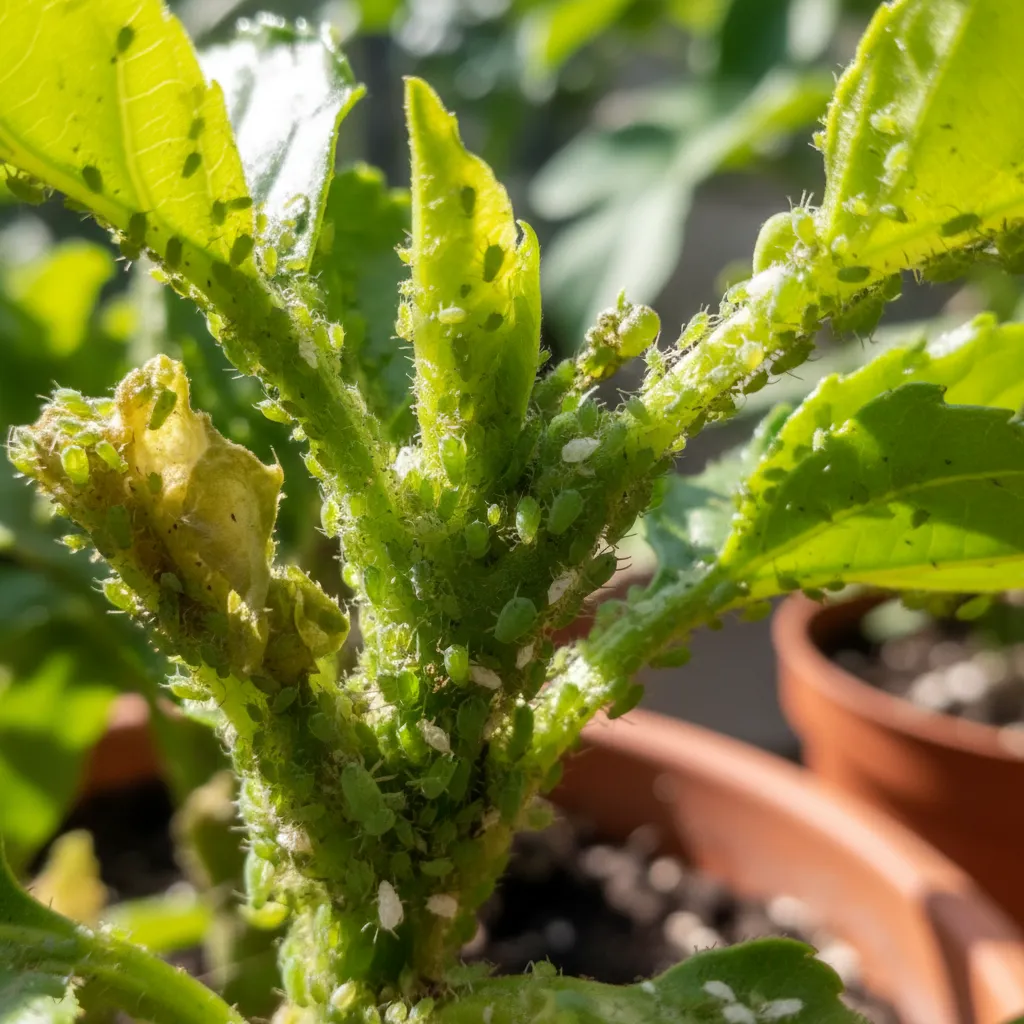
- ✓Pest and Disease Resistance — Alkanna tinctoria is generally robust and resistant to most common pests and diseases, requiring little intervention.
- ✓Spacing — Plant seedlings or sow seeds about 30-45 cm apart to allow for adequate root development and air circulation.
Reviewed by the Flora Medical Global Botanical Review Panel
Multi-disciplinary editorial group · Botany · Ethnobotany · Herbal-medicine literature
Who reviewed this: This page was checked by the Flora Medical Global Botanical Review Panel — an in-house editorial group of botany graduates, ethnobotany researchers, and horticulture practitioners who collectively maintain our 7,000+ plant encyclopedia. Meet the team.
Our 4-step verification process
1. Taxonomic verification
Scientific names and synonyms cross-checked against Kew POWO, World Flora Online, and The Plant List.
2. Phytochemical & medicinal cross-reference
Active compounds, traditional uses, and reported activities are cross-referenced with PubMed, USDA Dr. Duke's database, and peer-reviewed ethnobotanical literature.
3. Conservation & distribution check
Distribution, ecology, and conservation status confirmed against GBIF occurrence records and the IUCN Red List.
4. Editorial & safety review
Every entry passes an editorial pass for clarity, originality, and safety notices (toxicity, contraindications, dosage caveats) before publication.
Last reviewed:
Important medical disclaimer: This content is for educational and research purposes only. It is not medical advice and is not a substitute for consultation with a licensed healthcare provider. Do not use any herb to self-treat a medical condition without professional guidance.
Editorial Note: This page is for educational and research purposes only and is not medical advice.
Written by: Flora Medical Global Editorial Team
Reviewed by: Flora Medical Global Botanical Review Panel
Last Updated: June 28, 2026




Alkanet — Comments & Community Reviews
Rate this plant
No reviews yet. Be the first!