
Medical Disclaimer: This content is for educational purposes only. It is not medical advice. Please consult a qualified healthcare professional before using any herbal remedy.
Safety Overview
1.Amaltas — Botanical Snapshot
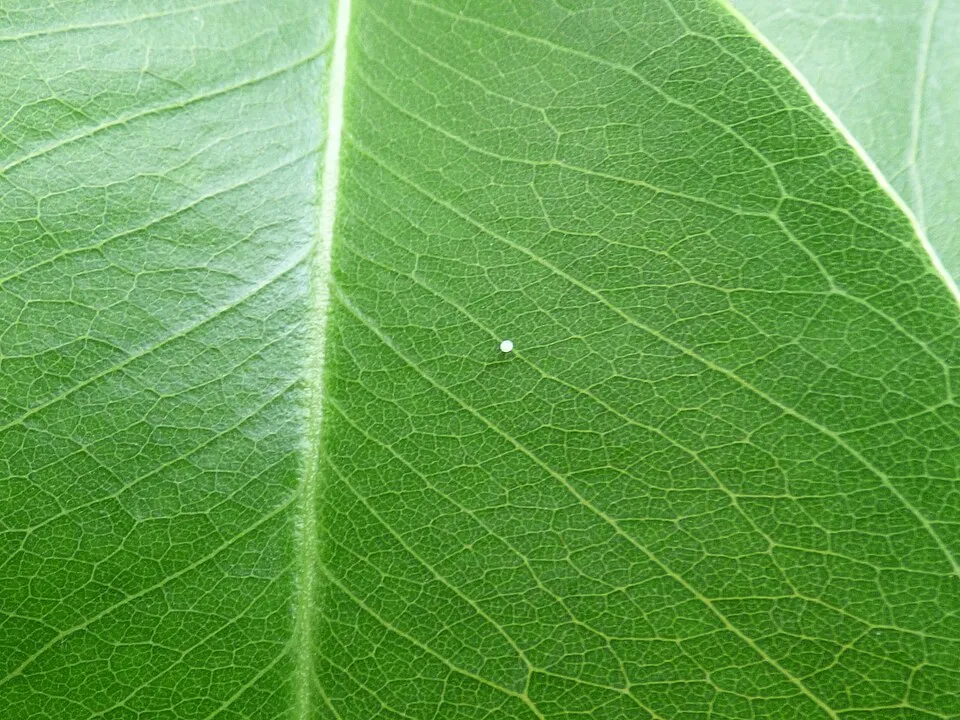
Amaltas, known scientifically as Cassia fistula, is a captivating medium-sized deciduous tree endemic to the Indian subcontinent and Southeast Asia, flourishing in tropical and subtropical regions. This majestic tree typically attains heights of 10 to 20 meters, distinguished by its gracefully spreading branches and a smooth, greyish bark that develops fissures with age. Its most striking feature is the profusion of pendulous racemes, each bearing numerous bright golden-yellow flowers that cascade down, creating a spectacular display from April to June. The foliage consists of pinnate leaves, each comprising 5 to 8 pairs of ovate to elliptical leaflets, providing a lush green canopy.
Beneath the surface, Cassia fistula develops an extensive and deep root system, which is crucial for its impressive drought resistance once established, enabling it to access deep soil moisture and nutrients. Ecologically, it serves as a vital resource, offering food and habitat for a diverse range of insects and avian species, thereby significantly contributing to local biodiversity. The tree thrives best in well-drained, sandy loamy soils but exhibits remarkable adaptability to various soil types. Culturally, Amaltas holds profound significance; ancient Ayurvedic texts refer to it as 'Aragvadha,' meaning 'disease killer,' a testament to its extensive therapeutic application for over three millennia.
In Thailand, it is revered as the national flower, symbolizing prosperity and royalty. All parts of the tree—its long, cylindrical pods (up to 60 cm), leaves, flowers, and bark—have been traditionally utilized for their diverse medicinal properties. The pods, in particular, contain a sticky, sweet pulp that is the primary source of its renowned laxative effects. Modern scientific inquiry is increasingly validating the complex pharmacology of Cassia fistula, confirming its efficacy in addressing various health conditions and reinforcing its enduring status as a valuable medicinal plant, though further clinical research is needed to standardize dosages and validate specific therapeutic claims.
Trusted Scientific References
1. Authoritative external sources for Cassia fistula
1.1 Wikipedia — Cassia fistula
1.2 Kew POWO (Plants of the World Online)
1.3 PubMed — peer-reviewed research
1.4 NCBI Taxonomy Browser
1.5 GBIF — Global Biodiversity
1.1.Amaltas — Notable Characteristics
- ✓Medium — sized deciduous tree with golden-yellow flowers.
- ✓Produces long, cylindrical — Produces long, cylindrical pods containing sweet, sticky pulp.
- ✓Native to the — Native to the Indian subcontinent and Southeast Asia.
- ✓Thrives in tropical — Thrives in tropical and subtropical climates.
- ✓Known for its — Known for its extensive and deep root system, aiding drought resistance.
- ✓Highly valued in — Highly valued in traditional medicine systems like Ayurveda.
- ✓Contains anthraquinones responsible — Contains anthraquinones responsible for laxative effects.
- ✓Exhibits antidiabetic, anti — inflammatory, and immunomodulatory activities.
- ✓Rich source of — Rich source of flavonoids, tannins, and essential minerals.
- ✓Environmentally significant, providing — Environmentally significant, providing habitat and food for biodiversity.
1.2.Amaltas — At-a-Glance Summary
- ✓National flower of Thailand, symbolizing royalty.
- ✓Known as 'Aragvadha' (disease killer) in Ayurveda for 3,000+ years.
- ✓Potent natural laxative from pod pulp due to anthraquinones.
- ✓Recent research highlights antidiabetic and immunomodulatory properties.
- ✓Rich in beneficial phytochemicals and essential minerals.
- ✓Used traditionally for digestive issues, skin diseases, and fever.
2.Amaltas — Scientific Identity
3.Amaltas — Key Data
4.Amaltas — Botanical Features
5.Amaltas — Native Range & Habitat
6.Amaltas — Traditional Uses
7.Amaltas — Phytochemistry
- ✓Anthraquinones — Key compounds like sennosides (A and B) are concentrated in the pods and pulp, responsible for the potent laxative and purgative effects by stimulating intestinal peristalsis.
- ✓Flavonoids — Found in flowers, leaves, and bark, these include quercetin, kaempferol, and rutin, contributing significantly to the plant's antioxidant, anti-inflammatory, and antidiabetic activities.
- ✓Tannins — Present in the bark and leaves, tannins provide astringent properties, making them useful in treating wounds, skin conditions, and diarrhea.
- ✓Saponins — These compounds contribute to the plant's immunomodulatory properties and may also possess expectorant and anti-inflammatory effects.
- ✓Glycosides — Beyond anthraquinone glycosides, various other glycosides are present, contributing to diverse pharmacological actions, including cardiac and anti-inflammatory effects.
- ✓Terpenoids — Compounds like triterpenes and diterpenes are found, potentially offering anti-inflammatory, antimicrobial, and antioxidant benefits.
- ✓Phenolic Compounds — A broad category encompassing flavonoids, phenolic acids (e.g., gallic acid), and other polyphenols, which are potent antioxidants and contribute to the plant's protective effects against oxidative stress.
- ✓Alkaloids — While present in smaller quantities, alkaloids may contribute to the plant's overall pharmacological profile, including potential analgesic or anti-inflammatory actions.
- ✓Fixed Oils and Resins — Found in the seeds and pods, these components can have emollient and protective properties.
- ✓Gums and Mucilage — The sticky pulp of the pods contains mucilaginous substances that contribute to its bulk-forming laxative action and soothing effects on the digestive tract.
- ✓Minerals — The pods contain essential minerals such as copper (0.08 ± 0.03 ppm), iron (0.44 ± 0.01 ppm), manganese (0.14 ± 0.01 ppm), and zinc (0.27 ± 0.01 ppm), enhancing their nutritional value and supporting various physiological functions.
8.Amaltas — Scientific Evidence
- ✓Laxative Effect — The pulp from Amaltas pods is a well-known purgative, primarily due to anthraquinone glycosides, which stimulate bowel movements and facilitate stool passage, making it effective for constipation relief.
- ✓Antidiabetic Benefits — Research indicates that Cassia fistula pods can help lower blood glucose levels and exhibit inhibitory activity against enzymes like α-glucosidase, suggesting potential in managing diabetes.
- ✓Immunomodulatory Properties — Studies have shown that functional tea derived from Amaltas pods can increase serum antibody titers in animal models, pointing to its ability to enhance immune responses.
- ✓Anti-inflammatory Action — Various parts of the Amaltas tree, including leaves and bark, possess compounds that can reduce inflammation, offering relief in conditions like arthritis and other inflammatory disorders.
- ✓Antipyretic Properties — Traditionally, Amaltas has been used to alleviate fever, with its extracts demonstrating antipyretic effects by helping to regulate body temperature.
- ✓Antimicrobial Activity — Extracts from Cassia fistula have shown efficacy against a range of bacteria and fungi, supporting its traditional use in treating infections and promoting wound healing.
- ✓Antioxidant Support — Rich in flavonoids and other phenolic compounds, Amaltas exhibits strong antioxidant activity, protecting cells from oxidative stress and free radical damage.
- ✓Wound Healing Promotion — The bark and leaf extracts are traditionally applied topically to aid in wound healing, attributed to their antimicrobial and anti-inflammatory properties that support tissue regeneration.
- ✓Skin Health Improvement — In Ayurvedic medicine, Amaltas is used for various skin conditions, including eczema and ringworm, due to its cleansing and anti-infective qualities.
- ✓Digestive Aid — Beyond its laxative effect, Amaltas has been used to address general digestive disorders, helping to soothe the gastrointestinal tract and promote overall gut health.
- ✓Hepatoprotective Effects — Some studies suggest that compounds in Cassia fistula may offer protection to the liver, helping to mitigate damage from toxins and support liver function.
- ✓Anti-arthritic Potential — Traditional systems utilize Amaltas for joint pain and inflammation, with its anti-inflammatory properties contributing to its efficacy in managing arthritic symptoms.
8.1.Amaltas — Reported Uses
9.Amaltas — Safety Considerations
9.1.Amaltas — Warnings
- ✓Diarrhea and Abdominal Cramps — High doses, especially of the pod pulp, can lead to severe diarrhea, abdominal pain, and cramping.
- ✓Nausea and Vomiting — Some individuals may experience nausea or vomiting, particularly with excessive intake of Cassia fistula preparations.
- ✓Dehydration and Electrolyte Imbalance — Prolonged or excessive use as a laxative can result in significant fluid loss and disturbance of electrolyte balance.
- ✓Hypersensitivity Reactions — Rare cases of allergic reactions, such as skin rashes or itching, have been reported in sensitive individuals.
- ✓Gastrointestinal Irritation — Chronic use may irritate the gastrointestinal lining, potentially exacerbating existing digestive conditions.
- ✓Drug Interactions — May interfere with absorption of other medications or potentiate the effects of diuretics and cardiac glycosides due to potassium loss.
- ✓Uterine Contractions — There is a theoretical risk of inducing uterine contractions, especially in pregnant individuals.
9.2.Amaltas — Toxicity Assessment
- ✓Pregnancy and Lactation — Contraindicated during pregnancy due to potential uterine stimulant effects and during lactation due to unknown effects on infants.
- ✓Children and Elderly — Use with caution and under medical supervision in young children and the elderly, with reduced dosages.
- ✓Pre-existing Conditions — Avoid in individuals with intestinal obstruction, inflammatory bowel disease, appendicitis, or undiagnosed abdominal pain.
- ✓Drug Interactions — Potential interactions with cardiac glycosides, diuretics, corticosteroids, and antiarrhythmic drugs; consult a healthcare professional.
- ✓Dosage Adherence — Strict adherence to recommended dosages is crucial to prevent adverse effects like severe dehydration and electrolyte imbalance.
- ✓Brine Shrimp Lethality — Studies confirm low toxicity in functional tea from C. fistula pods, suggesting safety for human consumption at appropriate doses.
- ✓Short-term Use — Recommended for short-term use as a laxative; chronic use can lead to dependency and adverse effects.
10.Amaltas — Preparation Methods
- ✓Pod Pulp Decoction — The sticky pulp from mature pods is boiled in water to create a decoction, traditionally used as a gentle laxative.
- ✓Leaf Infusion — Fresh or dried leaves can be steeped in hot water to prepare an infusion, utilized for its antipyretic and anti-inflammatory properties.
- ✓Bark Decoction — The bark, rich in tannins, is boiled to make a decoction, often used for its astringent properties in treating skin conditions or as an internal tonic.
- ✓Flower Extract — Flowers can be extracted with alcohol or water for their antioxidant and mild laxative effects, sometimes used in traditional desserts.
- ✓Topical Paste — Crushed leaves or bark, mixed with water, can form a paste applied externally to skin ailments, wounds, or swollen joints.
- ✓Powdered Form — Dried pods, leaves, or bark can be ground into a fine powder for internal consumption, often mixed with honey or other carriers.
- ✓Functional Tea — As highlighted in recent research, a functional tea prepared from the pods is gaining popularity for its antidiabetic and immunomodulatory benefits.
- ✓Oil Infusion — Flowers or leaves can be infused in a carrier oil (e.g., sesame oil) for topical application, particularly for skin issues and pain relief.
11.Amaltas — Garden Cultivation
- ✓Climate Preference — Thrives in tropical and subtropical climates with distinct wet and dry seasons, intolerant to frost.
- ✓Soil Requirements — Prefers well-drained, sandy loamy soils but is adaptable to a wide range of soil types, including slightly alkaline or acidic.
- ✓Propagation — Primarily propagated by seeds, which benefit from scarification or hot water treatment to break dormancy and improve germination rates.
- ✓Sunlight — Requires full sun exposure for optimal growth and flowering, ideally receiving at least 6-8 hours of direct sunlight daily.
- ✓Watering — Young trees need regular watering to establish, while mature trees are drought-resistant but benefit from occasional deep watering during prolonged dry periods.
- ✓Fertilization — Benefits from a balanced fertilizer application during its active growing season, especially for young trees to promote vigorous growth.
- ✓Pest and Disease Management — Generally robust, but can be susceptible to defoliating caterpillars and powdery mildew; organic pest control methods are often effective.
- ✓Pruning — Light pruning can be done to shape the tree and remove dead or diseased branches, promoting healthy growth and abundant flowering.
Reviewed by the Flora Medical Global Botanical Review Panel
Multi-disciplinary editorial group · Botany · Ethnobotany · Herbal-medicine literature
Who reviewed this: This page was checked by the Flora Medical Global Botanical Review Panel — an in-house editorial group of botany graduates, ethnobotany researchers, and horticulture practitioners who collectively maintain our 7,000+ plant encyclopedia. Meet the team.
Our 4-step verification process
1. Taxonomic verification
Scientific names and synonyms cross-checked against Kew POWO, World Flora Online, and The Plant List.
2. Phytochemical & medicinal cross-reference
Active compounds, traditional uses, and reported activities are cross-referenced with PubMed, USDA Dr. Duke's database, and peer-reviewed ethnobotanical literature.
3. Conservation & distribution check
Distribution, ecology, and conservation status confirmed against GBIF occurrence records and the IUCN Red List.
4. Editorial & safety review
Every entry passes an editorial pass for clarity, originality, and safety notices (toxicity, contraindications, dosage caveats) before publication.
Last reviewed:
Important medical disclaimer: This content is for educational and research purposes only. It is not medical advice and is not a substitute for consultation with a licensed healthcare provider. Do not use any herb to self-treat a medical condition without professional guidance.
Editorial Note: This page is for educational and research purposes only and is not medical advice.
Written by: Flora Medical Global Editorial Team
Reviewed by: Flora Medical Global Botanical Review Panel
Last Updated: June 16, 2026





Amaltas — Comments & Community Reviews
Rate this plant