
Medical Disclaimer: This content is for educational purposes only. It is not medical advice. Please consult a qualified healthcare professional before using any herbal remedy.
Safety Overview
1.Amla (Indian Gooseberry) — At a Glance
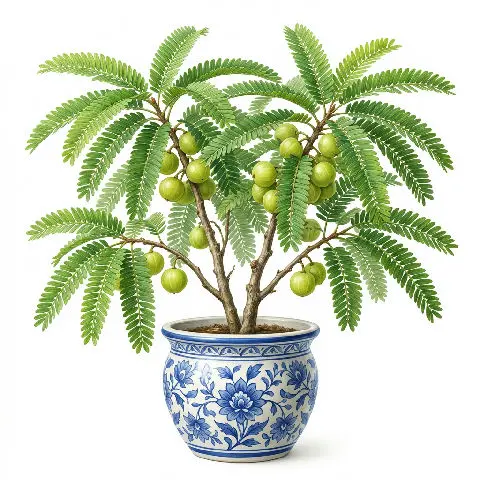
Amla, scientifically known as Phyllanthus emblica, and commonly as Indian Gooseberry, is a distinguished deciduous tree indigenous to the tropical and subtropical regions of South Asia. This medium-sized tree typically reaches heights of 8 to 18 meters, characterized by a gnarled trunk and a broad, spreading canopy that provides significant shade. It belongs to the reclassified Phyllanthaceae family, having previously been placed in Euphorbiaceae. The bark is notably smooth and grayish, often peeling in irregular flakes to reveal a reddish, durable inner wood. The leaves of Phyllanthus emblica are simple, linear-oblong, and arranged in a distinctive feathery, distichous pattern along the branchlets, which can give the appearance of compound leaves.
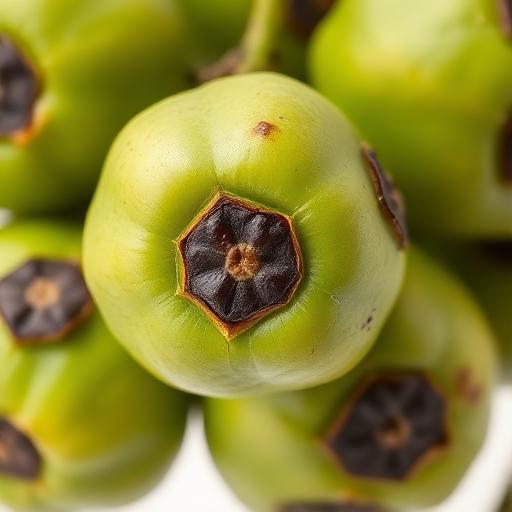
In the spring, the Amla tree produces small, inconspicuous greenish-yellow flowers that cluster axillary. These flowers mature into the tree's most notable feature: its globose fruit. The fruit transitions in color from a light green to a vibrant yellow or reddish hue upon ripening, exhibiting a firm texture and distinct six vertical stripes. Each fruit encapsulates a single, hard, tri-locular seed encased within a fleshy, fibrous pulp. The taste profile of the Amla fruit is complex, an amalgamation of sour, bitter, astringent, and subtly sweet flavors, often followed by a pungent aftertaste.
Phyllanthus emblica is widely distributed across India, Pakistan, Bangladesh, Sri Lanka, Malaysia, and China, demonstrating remarkable adaptability to diverse climatic conditions, ranging from arid deciduous forests to humid hilly terrains. It thrives in various soil types, including sandy loams and clays, with a preference for well-drained loamy soils. Once established, Amla is known for its significant drought tolerance, making it a resilient and valuable botanical resource.
Trusted Scientific References
1. Authoritative external sources for Phyllanthus emblica
1.1 Wikipedia — Phyllanthus emblica
1.2 Kew POWO (Plants of the World Online)
1.3 PubMed — peer-reviewed research
1.4 NCBI Taxonomy Browser
1.5 GBIF — Global Biodiversity
1.1.Amla (Indian Gooseberry) — Notable Characteristics
- ✓High Antioxidant Capacity — Rich in Vitamin C and polyphenols like tannins, combating oxidative stress.
- ✓Immunomodulatory Properties — Enhances the body's natural defense mechanisms.
- ✓Anti — inflammatory Benefits — Reduces systemic inflammation, aiding in various conditions.
- ✓Hepato — protective — Protects and supports liver function against toxins.
- ✓Cardio — protective — Contributes to healthy cholesterol levels and overall heart health.
- ✓Digestive Aid — Promotes healthy digestion and alleviates gastrointestinal issues.
- ✓Rich Source of Vitamin C — Provides a significant amount of the essential vitamin.
- ✓Adaptogenic Qualities — Helps the body adapt to stress and maintain balance.
- ✓Hair and Skin Health Promoter — Used extensively in beauty products for rejuvenation.
- ✓Broad Traditional Use — A cornerstone of Ayurvedic, Unani, and Siddha medicine.
1.2.Amla (Indian Gooseberry) — At-a-Glance Summary
- ✓Exceptional Source of Vitamin C and Antioxidants.
- ✓Supports Robust Immune Function and Digestive Health.
- ✓Key Ingredient in Traditional Ayurvedic Medicine for Rejuvenation.
- ✓Demonstrates Potential in Managing Blood Sugar and Cholesterol.
- ✓Versatile Use in Food, Medicine, and Cosmetics.
- ✓Generally Safe with Few Reported Side Effects.
2.Amla (Indian Gooseberry) — Botanical Identity
3.Amla (Indian Gooseberry) — Key Data
4.Amla (Indian Gooseberry) — Physical Description
5.Amla (Indian Gooseberry) — Native Range & Habitat
6.Amla (Indian Gooseberry) — Traditional Uses
7.Amla (Indian Gooseberry) — Phytochemistry
- ✓Ascorbic Acid (Vitamin C) — Amla is one of the richest natural sources of Vitamin C (L-ascorbic acid), crucial for its potent antioxidant, immune-boosting, and collagen synthesis properties.
- ✓Hydrolysable Tannins — Key compounds include Emblicanin A, Emblicanin B, Chebulagic acid, Chebulinic acid, Puniglucinin, and Pedunculagin, which are responsible for significant antioxidant, anti-inflammatory, and hepatoprotective activities.
- ✓Phenolic Acids — Gallic acid and Ellagic acid are prominent, contributing to Amla's antioxidant, anti-cancer, and anti-inflammatory benefits.
- ✓Flavonoids — Quercetin, Kaempferol, and Rutin are present, offering additional antioxidant capacity and supporting cardiovascular health.
- ✓Alkaloids — Small amounts of alkaloids like Phyllantine and Phyllantidine may contribute to various pharmacological effects.
- ✓Saponins — These compounds contribute to the plant's adaptogenic and immune-modulating properties, though their specific roles are still under investigation.
- ✓Pectin — A soluble dietary fiber found in the fruit, aiding in digestion, promoting gut health, and contributing to cholesterol reduction.
- ✓Amino Acids — Contains essential amino acids like Proline, Lysine, Glutamic acid, and Aspartic acid, vital for protein synthesis and overall bodily functions.
- ✓Minerals — Rich in essential minerals such as Chromium, Zinc, Copper, and Iron, which are important cofactors for numerous enzymatic reactions and metabolic processes.
- ✓Fatty Acids — Contains linolenic acid, linoleic acid, and oleic acid, contributing to its nutritional value and potential skin benefits.
8.Amla (Indian Gooseberry) — Pharmacological Findings
- ✓Potent Antioxidant — Amla is exceptionally rich in vitamin C and polyphenols, which collectively combat oxidative stress by neutralizing free radicals, thereby protecting cellular integrity and reducing the risk of chronic diseases.
- ✓Supports Immune Function — The high concentration of vitamin C in Amla boosts the immune system, enhancing the body's ability to fight off infections and support overall health.
- ✓Antidiabetic Properties — Research indicates that Amla can help regulate blood glucose levels and improve insulin sensitivity, making it beneficial for managing type 2 diabetes and preventing its complications.
- ✓Cardiovascular Protection — Phyllanthus emblica contributes to heart health by reducing cholesterol levels, improving lipid profiles, and exhibiting anti-atherosclerotic effects, thus acting as a cardiovascular tonic.
- ✓Anti-inflammatory Action — The diverse array of phenolic compounds in Amla exerts significant anti-inflammatory effects, helping to alleviate symptoms of inflammatory conditions throughout the body.
- ✓Digestive Aid — Traditionally used to facilitate digestion, Amla can soothe digestive discomfort, improve gut motility, and promote a healthy digestive tract, often reducing acidity and constipation.
- ✓Liver Health Support — Amla demonstrates hepatoprotective qualities, safeguarding the liver from toxins and supporting its detoxification processes, which is vital for overall metabolic health.
- ✓Neurological Protection — Bioactive compounds in Indian Gooseberry may offer neuroprotective benefits, potentially reducing oxidative damage in the brain and supporting cognitive function.
- ✓Enhances Hair and Skin Health — Applied topically or consumed, Amla nourishes hair follicles, promotes hair growth, prevents premature graying, and enhances skin radiance by combating oxidative damage.
- ✓Anti-hyperlipidemia — Amla has been shown to significantly lower elevated levels of LDL (bad) cholesterol and triglycerides, while potentially increasing HDL (good) cholesterol, contributing to healthier blood lipid profiles.
- ✓Anemia Improvement — In traditional medicine, Amla is used to improve anemic conditions, possibly due to its vitamin C content which enhances iron absorption.
- ✓Reproductive Health Support — Traditional uses suggest Amla can support male reproductive system health and overall reproductive vitality.
8.1.Amla (Indian Gooseberry) — Conditions Traditionally Used For
9.Amla (Indian Gooseberry) — Safety & Side Effects
9.1.Amla (Indian Gooseberry) — Side Effects & Warnings
- ✓Digestive Upset — Excessive consumption of fresh Amla may lead to mild acidity, heartburn, or diarrhea in sensitive individuals.
- ✓Constipation — In some cases, particularly with insufficient water intake, the high fiber content can lead to constipation.
- ✓Hypoglycemia Risk — Amla can lower blood sugar levels; individuals with diabetes on medication should monitor glucose closely to avoid hypoglycemia.
- ✓Anticoagulant Interaction — Due to its potential blood-thinning effects, Amla should be used cautiously by individuals on anticoagulant medications.
- ✓Allergic Reactions — Though rare, some individuals may experience allergic reactions such as skin rashes or itching.
- ✓Iron Absorption — While generally beneficial, excessive intake might theoretically interfere with absorption of other minerals due to high tannin content, though this is not commonly reported.
9.2.Amla (Indian Gooseberry) — Safety Profile
- ✓Generally Recognized as Safe (GRAS) — Amla fruit is widely consumed and considered safe for most people when taken in moderate amounts.
- ✓Pregnancy and Lactation — Pregnant or breastfeeding women should consult a healthcare professional before using Amla supplements, especially in concentrated forms.
- ✓Diabetes Management — Individuals with diabetes should monitor blood sugar levels closely when consuming Amla, particularly if on hypoglycemic medications.
- ✓Bleeding Disorders — Due to its mild antiplatelet effects, Amla should be used with caution by individuals with bleeding disorders or those undergoing surgery.
- ✓Dosage — Adhere to recommended dosages for supplements; excessive intake can lead to adverse effects.
- ✓Quality and Purity — Ensure Amla products are sourced from reputable suppliers to avoid contamination or adulteration.
10.Amla (Indian Gooseberry) — Preparation Methods
- ✓Fresh Fruit Consumption — Amla fruit can be eaten fresh, though its sour and astringent taste is often tempered with salt or spices.
- ✓Amla Juice — Fresh Amla fruit is juiced, often diluted with water or mixed with other fruit juices to mitigate its intense flavor; consumed for general health and immunity.
- ✓Dried Amla Powder — The dried fruit is ground into a fine powder, which can be mixed with water, honey, or added to smoothies and traditional formulations like Triphala.
- ✓Chyawanprash — A traditional Ayurvedic polyherbal jam where Amla is the primary ingredient, revered for its rejuvenating and immune-boosting properties.
- ✓Amla Oil — Prepared by infusing Amla fruit or powder in a carrier oil (like coconut oil), widely used for hair care to strengthen follicles and promote growth.
- ✓Infusion/Decoction — Dried Amla pieces can be steeped in hot water to make an herbal tea, or boiled longer for a more potent decoction, often used for digestive issues.
- ✓Capsules and Extracts — Standardized extracts and powders are available in capsule or tablet form for convenient dosing and consistent potency.
- ✓Culinary Uses — Amla is used in various Indian culinary preparations such as pickles, chutneys, candies (murabba), and preserves.
11.Amla (Indian Gooseberry) — How to Grow
- ✓Climate — Thrives in tropical and subtropical climates, tolerating both arid and humid conditions, but sensitive to severe frost.
- ✓Soil Requirements — Prefers well-drained loamy or sandy-loam soils with a pH range of 6.0-7.5; can adapt to various soil types but avoids waterlogging.
- ✓Propagation — Commonly propagated through seeds, cuttings, or budding/grafting for superior varieties and faster fruiting.
- ✓Planting — Saplings are typically planted at the onset of the monsoon season, maintaining a spacing of 4.5 x 4.5 meters to 6 x 6 meters.
- ✓Watering — Requires regular irrigation during dry periods, especially during fruit development, but established trees are drought-tolerant.
- ✓Fertilization — Benefits from organic manures and balanced chemical fertilizers applied annually to support vigorous growth and fruit production.
- ✓Pruning — Light pruning is recommended to maintain tree shape, remove dead branches, and encourage better light penetration and air circulation.
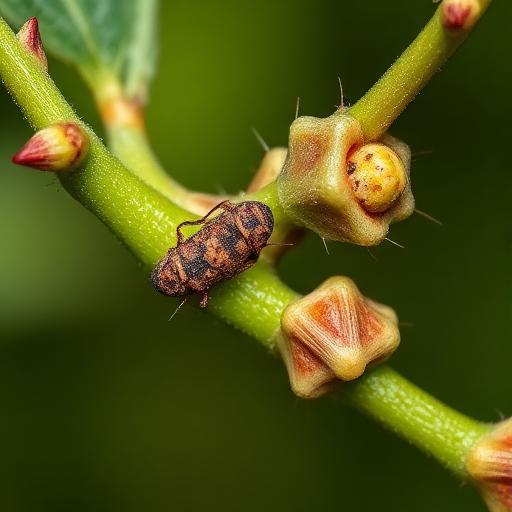
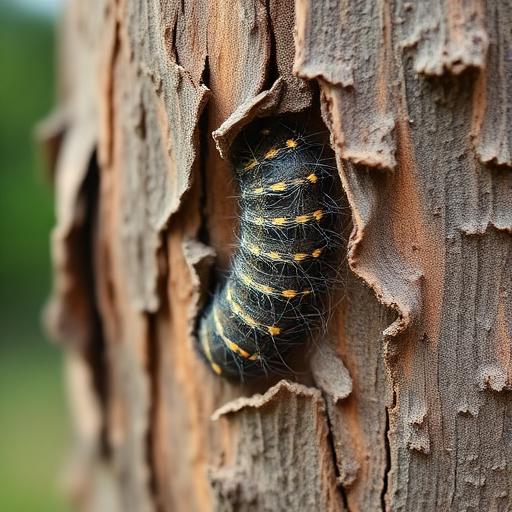
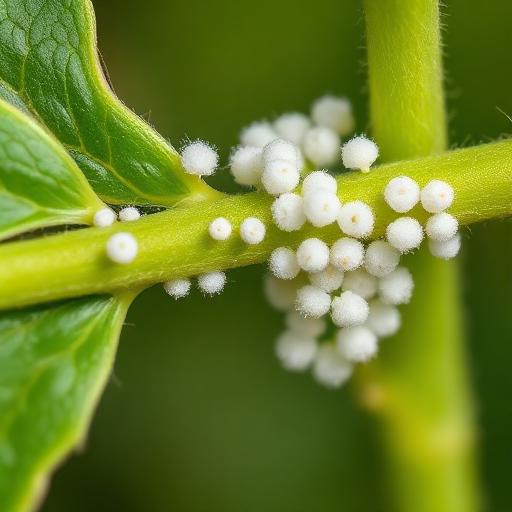
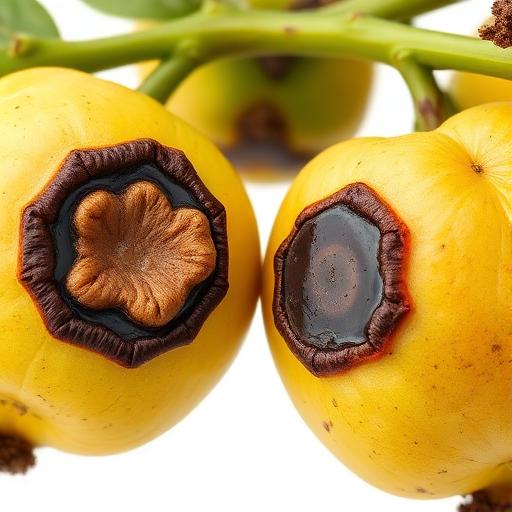
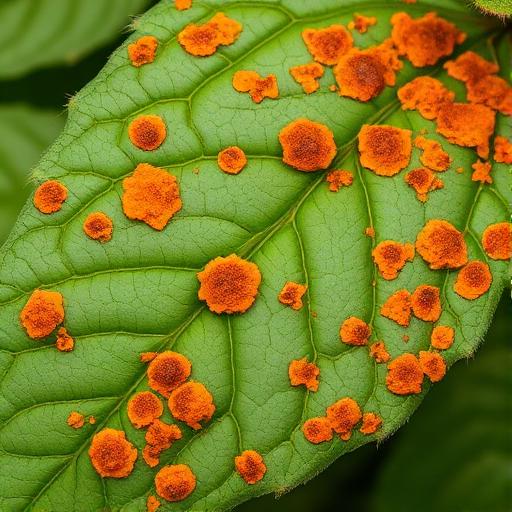
- ✓Pest and Disease Management — Generally hardy, but susceptible to fruit rot, rust, and certain pests like bark-eating caterpillars, requiring integrated pest management.
Reviewed by the Flora Medical Global Botanical Review Panel
Multi-disciplinary editorial group · Botany · Ethnobotany · Herbal-medicine literature
Who reviewed this: This page was checked by the Flora Medical Global Botanical Review Panel — an in-house editorial group of botany graduates, ethnobotany researchers, and horticulture practitioners who collectively maintain our 7,000+ plant encyclopedia. Meet the team.
Our 4-step verification process
1. Taxonomic verification
Scientific names and synonyms cross-checked against Kew POWO, World Flora Online, and The Plant List.
2. Phytochemical & medicinal cross-reference
Active compounds, traditional uses, and reported activities are cross-referenced with PubMed, USDA Dr. Duke's database, and peer-reviewed ethnobotanical literature.
3. Conservation & distribution check
Distribution, ecology, and conservation status confirmed against GBIF occurrence records and the IUCN Red List.
4. Editorial & safety review
Every entry passes an editorial pass for clarity, originality, and safety notices (toxicity, contraindications, dosage caveats) before publication.
Last reviewed:
Important medical disclaimer: This content is for educational and research purposes only. It is not medical advice and is not a substitute for consultation with a licensed healthcare provider. Do not use any herb to self-treat a medical condition without professional guidance.
Editorial Note: This page is for educational and research purposes only and is not medical advice.
Written by: Flora Medical Global Editorial Team
Reviewed by: Flora Medical Global Botanical Review Panel
Last Updated: June 16, 2026





Amla (Indian Gooseberry) — Comments & Community Reviews
Rate this plant