


Medical Disclaimer: This content is for educational purposes only. It is not medical advice. Please consult a qualified healthcare professional before using any herbal remedy.
Safety Overview
1.Amlaki Rasayana — Essential Profile
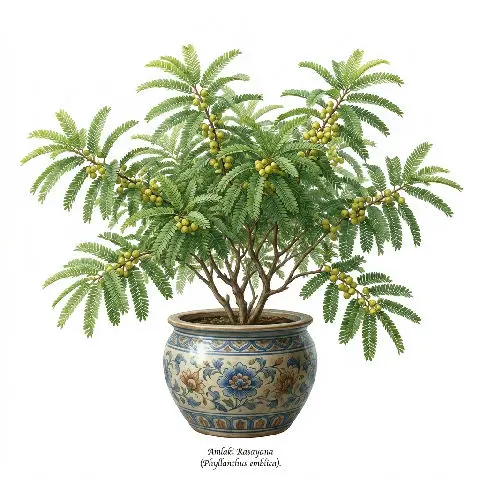
Amlaki Rasayana, a highly revered Ayurvedic formulation, is meticulously prepared from the fruits of Phyllanthus emblica, commonly known as Amla or Indian Gooseberry. This specialized processing is believed to significantly enhance the fruit's inherent therapeutic potency and bioavailability, elevating its 'sattvic' (pure, harmonious) quality for profound rejuvenative effects. The parent plant, Phyllanthus emblica, is a medium-sized deciduous tree, typically reaching heights of 8 to 18 meters. It is characterized by its distinctive light grey bark and delicate, feathery, pinnate leaves that create a lush canopy.
The tree produces globose, light greenish-yellow fruits with a unique and complex flavor profile, encompassing intensely sour, sweet, pungent, bitter, and astringent notes, thereby embodying five of the six Ayurvedic tastes (Rasa). Native to the diverse landscapes of the Indian subcontinent, this resilient species thrives across various habitats, including deciduous forests, open woodlands, and even disturbed areas throughout tropical and subtropical regions of India, Sri Lanka, Southeast Asia, and southern China. Its historical significance is deeply rooted in ancient Ayurvedic texts such as the Charaka Samhita and Susruta Samhita, where Amla is extensively lauded for its extensive health-promoting properties. The traditional preparation of Amlaki Rasayana often involves a multi-step process of rehydrating and drying the fresh fruits, sometimes with the addition of other synergistic herbs or specific liquids, which not only intensifies its therapeutic actions but also extends its shelf-life.
As a 'Rasayana', Amlaki is specifically categorized within Ayurveda as an agent that promotes longevity, vitality, and overall holistic well-being. Modern scientific research continues to validate many of these traditional claims, highlighting Amla's rich biochemical composition, particularly its high content of Vitamin C, diverse polyphenols, and potent flavonoids, all contributing to its significant antioxidant and anti-inflammatory benefits.
Trusted Scientific References
1. Authoritative external sources for Phyllanthus emblica (processed)
1.1 Wikipedia — Phyllanthus emblica (processed)
1.2 Kew POWO (Plants of the World Online)
1.3 PubMed — peer-reviewed research
1.4 NCBI Taxonomy Browser
1.5 GBIF — Global Biodiversity
1.1.Amlaki Rasayana — Highlights
- ✓Ancient Ayurvedic Rasayana — Ancient Ayurvedic Rasayana formulation.
- ✓Enhanced bioavailability and — Enhanced bioavailability and therapeutic potency.
- ✓Abundant in natural — Abundant in natural Vitamin C and diverse polyphenols.
- ✓Powerful antioxidant and anti — inflammatory properties.
- ✓Comprehensive immune system — Comprehensive immune system support.
- ✓Significant hepatoprotective and — Significant hepatoprotective and cardioprotective benefits.
- ✓Supports healthy digestion — Supports healthy digestion and metabolic functions.
- ✓Promotes healthy aging — Promotes healthy aging and overall longevity.
- ✓Adaptogenic qualities, helping — Adaptogenic qualities, helping the body manage stress.
- ✓Culturally and spiritually — Culturally and spiritually significant in traditional Indian practices.
1.2.Amlaki Rasayana — In Brief
- ✓Amlaki Rasayana is a potent Ayurvedic rejuvenative derived from processed Indian Gooseberry (Phyllanthus emblica).
- ✓Esteemed for its enhanced bioavailability and 'sattvic' qualities, promoting holistic well-being.
- ✓Exceptionally rich in Vitamin C, polyphenols, and flavonoids, offering powerful antioxidant and anti-inflammatory benefits.
- ✓Supports robust immunity, healthy digestion, liver function, and cardiovascular health.
- ✓A traditional Rasayana, it is revered for its ability to promote longevity, vitality, and anti-aging effects.
- ✓Available in various forms, including traditional preparations, powders, juices, and standardized supplements.
2.Amlaki Rasayana — Botanical Identity
3.Amlaki Rasayana — Key Data
4.Amlaki Rasayana — Botanical Features
5.Amlaki Rasayana — Origin & Spread
6.Amlaki Rasayana — Traditional Uses
7.Amlaki Rasayana — Phytochemistry
- ✓Phenolic Compounds — Rich in hydrolyzable tannins like gallic acid, ellagic acid, chebulagic acid, and chebulinic acid, which are potent antioxidants and anti-inflammatory agents.
- ✓Ascorbic Acid (Vitamin C) — An exceptionally high concentration of stable Vitamin C, critical for immune function, collagen synthesis, and antioxidant defense.
- ✓Flavonoids — Includes compounds such as quercetin, rutin, and kaempferol, contributing to antioxidant, anti-inflammatory, and cardioprotective effects.
- ✓Alkaloids — Minor quantities of alkaloids are present, which may contribute to its diverse pharmacological activities, though their specific roles are still under investigation.
- ✓Phytosterols — Contains beta-sitosterol and other plant sterols, known for their cholesterol-lowering and anti-inflammatory properties.
- ✓Terpenoids — Various triterpenoids and sesquiterpenoids are found, imparting a range of biological activities including anti-inflammatory and hepatoprotective effects.
- ✓Organic Acids — Malic acid, citric acid, and succinic acid contribute to its characteristic taste profile and metabolic functions.
- ✓Amino Acids — A profile of essential and non-essential amino acids supports protein synthesis and overall cellular health.
- ✓Polysaccharides — Complex carbohydrates that contribute to its fiber content, supporting digestive health and acting as prebiotics.
- ✓Minerals and Vitamins — Contains essential minerals like iron, calcium, and phosphorus, alongside other B vitamins, supporting overall nutritional well-being.
- ✓Fixed Oils — Small amounts of fatty acids and fixed oils are present, contributing to its emollient properties in some preparations.
8.Amlaki Rasayana — Evidence-Based Benefits
- ✓Potent Antioxidant — Amlaki Rasayana is exceptionally rich in Vitamin C and a spectrum of polyphenols, effectively neutralizing free radicals and mitigating oxidative stress throughout the body.
- ✓Anti-inflammatory Support — Its active compounds modulate inflammatory pathways, helping to reduce chronic inflammation associated with various health conditions.
- ✓Immunomodulatory Effects — This preparation enhances the body's natural defense mechanisms, strengthening immunity and increasing resistance to infections.
- ✓Hepatoprotective Action — Amlaki Rasayana supports liver health by protecting hepatic cells from toxins and promoting optimal detoxification processes.
- ✓Cardioprotective Benefits — It contributes to cardiovascular well-being by helping to regulate cholesterol levels, reduce arterial plaque formation, and improve endothelial function.
- ✓Antidiabetic Potential — Amla may assist in managing blood sugar levels by improving insulin sensitivity and reducing glucose absorption, making it beneficial for diabetes support.
- ✓Digestive Health Aid — It promotes healthy digestion, balances gut flora, and can alleviate common issues like constipation due to its fiber content and mild laxative properties.
- ✓Rejuvenative (Rasayana) Qualities — As a true Rasayana, it supports cellular regeneration, tissue repair, and overall vitality, contributing to healthy aging and longevity.
- ✓Hair and Skin Nourishment — The rich antioxidant and vitamin content helps protect skin from environmental damage, promotes collagen synthesis, and supports strong, healthy hair growth.
- ✓Cognitive Enhancement — Some evidence suggests Amlaki Rasayana may support brain health, improve memory, and protect against neurodegenerative processes.
- ✓Antimicrobial Properties — Extracts exhibit activity against various bacteria and fungi, contributing to its traditional use in preventing and treating infections.
- ✓Chemoprotective Potential — Research indicates Amla's compounds may offer protective effects against certain types of cellular damage, potentially reducing cancer risk.
8.1.Amlaki Rasayana — Therapeutic Indications
9.Amlaki Rasayana — Safety & Side Effects
9.1.Amlaki Rasayana — Caution Notes
- ✓Digestive Upset — High doses may lead to loose stools, diarrhea, or abdominal discomfort in sensitive individuals.
- ✓Acidity/Heartburn — Some individuals might experience increased acidity or heartburn, especially if consumed on an empty stomach.
- ✓Hypoglycemic Effect — May lower blood glucose levels, potentially interacting with diabetes medications and causing hypoglycemia if not monitored.
- ✓Increased Bleeding Risk — Possesses mild anticoagulant properties, requiring caution for individuals on blood-thinning medications or prior to surgery.
- ✓Constipation — Paradoxically, insufficient water intake with Amla powder can lead to constipation in some cases.
- ✓Allergic Reactions — Though rare, individuals sensitive to members of the Phyllanthaceae family may experience allergic symptoms like skin rashes or itching.
- ✓Drug Interactions — Potential interactions with certain medications, including anticoagulants, antidiabetic drugs, and antihypertensives; consult a healthcare provider.
9.2.Amlaki Rasayana — Safety Profile
- ✓Generally Safe — Amlaki Rasayana is considered safe for most healthy adults when consumed in recommended traditional or supplemental dosages.
- ✓Pregnancy and Lactation — Use during pregnancy and breastfeeding is not well-studied; consultation with a healthcare professional is advised.
- ✓Diabetes Management — Individuals with diabetes should monitor blood glucose levels closely due to its potential hypoglycemic effects and consult their doctor.
- ✓Bleeding Disorders and Surgery — Discontinue use at least two weeks prior to any scheduled surgery due to potential anticoagulant properties.
- ✓Kidney or Liver Conditions — Individuals with pre-existing kidney or liver conditions should use Amlaki with caution and under medical supervision.
- ✓Children — Dosage for children should be adjusted and administered under the guidance of a pediatrician or qualified Ayurvedic practitioner.
- ✓Quality and Purity — Ensure sourcing from reputable suppliers to guarantee product purity and absence of heavy metals or other contaminants.
10.Amlaki Rasayana — Usage Guide
- ✓Traditional Ayurvedic Rasayana — Consumed daily as a rejuvenative tonic, often mixed with honey or ghee, following specific Ayurvedic protocols for health maintenance and longevity.
- ✓Powder Form — Dried Amla fruit powder (Amla Churna) is commonly ingested with water, buttermilk, or mixed into smoothies to leverage its digestive and antioxidant benefits.
- ✓Fresh Juice — Freshly pressed Amla juice, often diluted with water or other fruit juices, is a potent source of Vitamin C and antioxidants.
- ✓Decoction/Infusion — Dried fruits can be boiled to make a decoction or steeped in hot water for an infusion, used for internal consumption or as a hair rinse.
- ✓Chyawanprash — Amlaki is a primary ingredient in this famous Ayurvedic polyherbal jam, consumed for its immunomodulatory and revitalizing properties.
- ✓Culinary Use — Fresh or pickled Amla fruits are used in various traditional Indian dishes, chutneys, and preserves, adding a unique sour and astringent flavor.
- ✓Topical Applications — Amla powder is mixed with water or oil to create pastes for hair masks, promoting hair growth and scalp health, or for skin applications.
- ✓Standardized Supplements — Available in capsules, tablets, or liquid extracts, offering a convenient and standardized dose for specific health concerns.
11.Amlaki Rasayana — Garden Cultivation
- ✓Propagation — Primarily propagated through seeds, which require pre-treatment for optimal germination, or vegetatively through budding or grafting for consistent fruit quality.
- ✓Climate — Thrives in tropical and subtropical climates with a distinct dry season, tolerating a wide range of temperatures but sensitive to severe frost, especially when young.
- ✓Soil Requirements — Prefers well-drained, fertile soil, ranging from sandy loam to clay loam, with an optimal pH between 6.0 and 8.0; can tolerate moderately saline or alkaline conditions.
- ✓Sunlight — Requires full sun exposure for robust growth and abundant fruit production, ideally receiving at least 6-8 hours of direct sunlight daily.
- ✓Watering — Young trees need regular watering, especially during dry spells; mature trees are relatively drought-tolerant but benefit from supplemental irrigation during prolonged dry periods.
- ✓Fertilization — Benefits from annual application of organic compost or well-rotted manure, supplemented with balanced NPK fertilizers to support vigorous growth and fruiting.
- ✓Pruning — Essential for shaping the tree, removing dead or diseased branches, and encouraging new growth and fruit-bearing wood, typically performed after harvesting.
- ✓Pest and Disease Management — Generally hardy, but susceptible to fruit rust, bark eating caterpillars, and fruit borers; integrated pest management strategies are recommended.
Reviewed by the Flora Medical Global Botanical Review Panel
Multi-disciplinary editorial group · Botany · Ethnobotany · Herbal-medicine literature
Who reviewed this: This page was checked by the Flora Medical Global Botanical Review Panel — an in-house editorial group of botany graduates, ethnobotany researchers, and horticulture practitioners who collectively maintain our 7,000+ plant encyclopedia. Meet the team.
Our 4-step verification process
1. Taxonomic verification
Scientific names and synonyms cross-checked against Kew POWO, World Flora Online, and The Plant List.
2. Phytochemical & medicinal cross-reference
Active compounds, traditional uses, and reported activities are cross-referenced with PubMed, USDA Dr. Duke's database, and peer-reviewed ethnobotanical literature.
3. Conservation & distribution check
Distribution, ecology, and conservation status confirmed against GBIF occurrence records and the IUCN Red List.
4. Editorial & safety review
Every entry passes an editorial pass for clarity, originality, and safety notices (toxicity, contraindications, dosage caveats) before publication.
Last reviewed:
Important medical disclaimer: This content is for educational and research purposes only. It is not medical advice and is not a substitute for consultation with a licensed healthcare provider. Do not use any herb to self-treat a medical condition without professional guidance.
Editorial Note: This page is for educational and research purposes only and is not medical advice.
Written by: Flora Medical Global Editorial Team
Reviewed by: Flora Medical Global Botanical Review Panel
Last Updated: June 16, 2026





Amlaki Rasayana — Comments & Community Reviews
Rate this plant