
Medical Disclaimer: This content is for educational purposes only. It is not medical advice. Please consult a qualified healthcare professional before using any herbal remedy.
Safety Overview
1.Amur Cork Tree — Botanical Snapshot
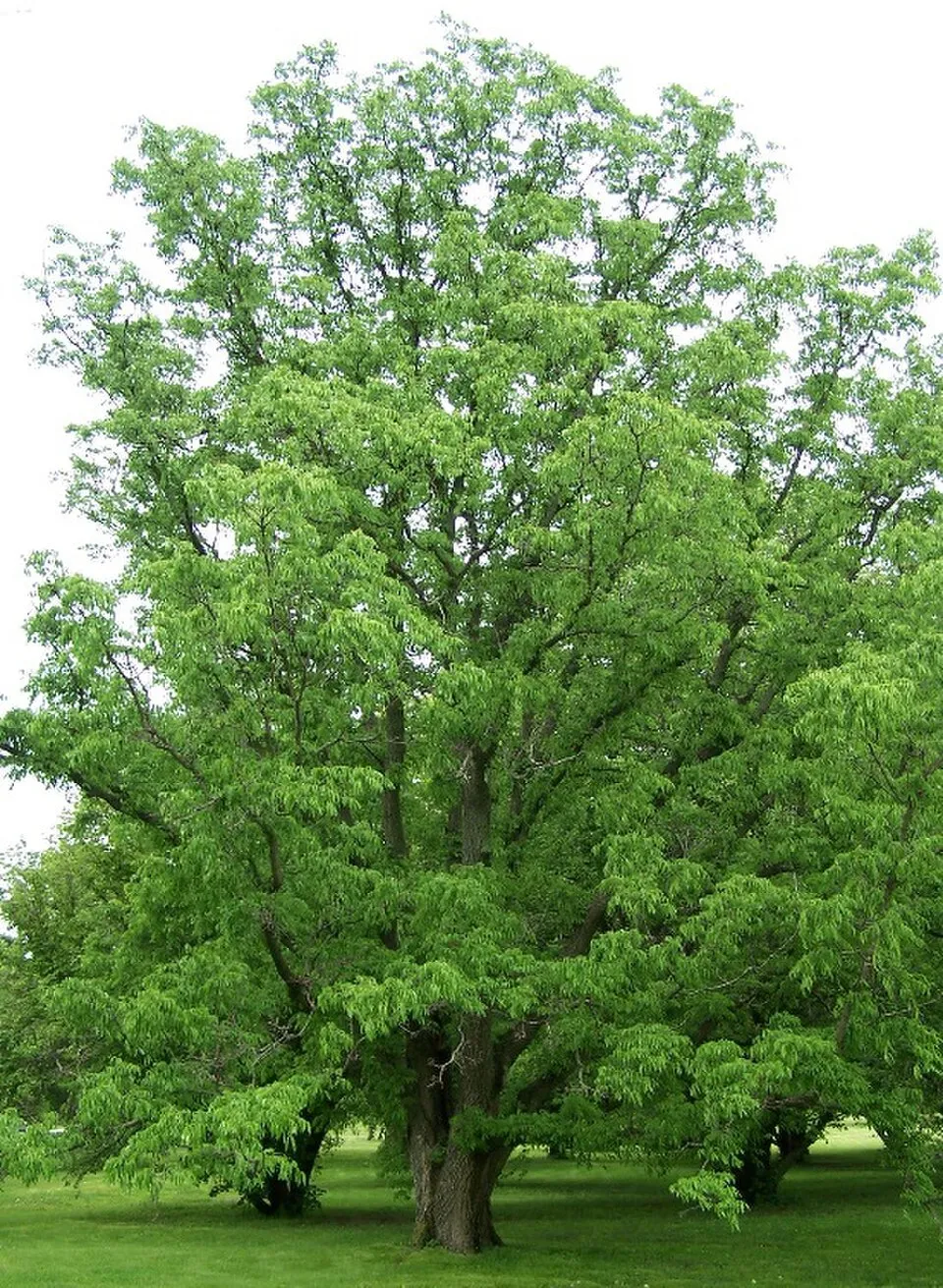
The Amur Cork Tree, scientifically known as Phellodendron amurense, is a distinguished deciduous tree native to the temperate forests of East Asia, spanning regions from China and Korea to Japan and the Russian Far East. It belongs to the Rutaceae family, which also includes citrus trees, and is notable for its robust adaptability across diverse climates and soil types. The tree's most striking feature is its deeply furrowed, cork-like outer bark, which, when peeled, reveals a vibrant yellowish-brown inner bark, the primary source of its medicinal value and the origin of its common name. Its foliage consists of pinnately compound leaves, each bearing 5 to 13 ovate to lanceolate leaflets that transform into a brilliant yellow in autumn, adding significant ornamental appeal. Small, inconspicuous greenish-yellow flowers bloom in late spring to early summer, eventually yielding clusters of small, black, berry-like drupes that mature in autumn, serving as a vital food source for local bird populations.
Historically, P. amurense, referred to as 'Huang Bai' in Traditional Chinese Medicine (TCM), has been revered for over two millennia. Its earliest documented medicinal applications date back to the Han Dynasty, specifically within the Shennong Ben Cao Jing, a foundational text of Chinese herbalism. Traditional practitioners describe its inner bark as bitter and cold, attributing to it properties that clear heat, dry dampness, and reduce fire qi within the body. While widely appreciated as an ornamental tree in North America and Europe due to its aesthetic qualities and hardiness, its prolific seed production and competitive growth have led to its classification as an invasive species in certain non-native habitats.
Contemporary scientific investigations continue to validate and explore the extensive pharmacological activities of P. amurense, building upon centuries of traditional wisdom. This research has identified its potential in addressing conditions such as metabolic syndrome, various inflammatory disorders, and certain types of cancers, often linking its efficacy to mechanisms like the inhibition of NF-κB signaling pathways and the induction of apoptosis.
Trusted Scientific References
1. Authoritative external sources for Phellodendron amurense
1.1 Wikipedia — Phellodendron amurense
1.2 Kew POWO (Plants of the World Online)
1.3 PubMed — peer-reviewed research
1.4 NCBI Taxonomy Browser
1.5 GBIF — Global Biodiversity
1.1.Amur Cork Tree — Highlights
- ✓Distinctive Corky Bark — Deeply furrowed bark revealing a yellow inner layer.
- ✓Traditional Chinese Medicine Staple — Known as 'Huang Bai,' used for over two millennia.
- ✓Rich in Berberine — A potent isoquinoline alkaloid with broad pharmacological actions.
- ✓Anti — inflammatory Powerhouse — Inhibits NF-κB pathways to reduce systemic inflammation.
- ✓Antimicrobial Agent — Effective against various bacteria, fungi, and parasites.
- ✓Metabolic Regulator — Supports healthy blood sugar, cholesterol, and lipid levels.
- ✓Autumn Foliage — Pinnately compound leaves turn vibrant yellow in fall.
- ✓Ornamental and Invasive — Valued as a landscape tree but can be invasive in non-native regions.
- ✓Diverse Pharmacological Profile — Explored for anti-cancer, hepatoprotective, and stress-reducing properties.
- ✓Rutaceae Family Member — Related to citrus plants, sharing some phytochemical characteristics.
1.2.Amur Cork Tree — Snapshot Summary
- ✓Amur Cork Tree (Phellodendron amurense) is an East Asian deciduous tree with a corky bark.
- ✓Its inner bark, 'Huang Bai,' has been a core herb in Traditional Chinese Medicine for over 2,000 years.
- ✓Rich in isoquinoline alkaloids, particularly berberine, which drives many of its medicinal actions.
- ✓Known for anti-inflammatory, antimicrobial, metabolic-regulating, and potential anti-cancer properties.
- ✓Crucial safety warnings exist, especially concerning pregnancy, breastfeeding, infants, and drug interactions.
- ✓Modern research validates many traditional uses, making it a significant botanical in herbal medicine.
2.Amur Cork Tree — Scientific Identity
3.Amur Cork Tree — Vital Statistics
4.Amur Cork Tree — Physical Description
5.Amur Cork Tree — Native Range & Habitat
6.Amur Cork Tree — Traditional Uses
7.Amur Cork Tree — Key Phytochemicals
- ✓Isoquinoline Alkaloids — Berberine is the most prominent alkaloid, responsible for many pharmacological activities including antimicrobial, anti-inflammatory, anti-diabetic, and anti-cancer effects. Other significant alkaloids include palmatine, jatrorrhizine, magnoflorine, and phellodendrine.
- ✓Limonoids — Compounds like obacunone and limonin contribute to the plant's bitter taste and possess anti-inflammatory, anti-cancer, and insecticidal properties.
- ✓Triterpenes — Various triterpenoid compounds are present, which may contribute to anti-inflammatory and hepatoprotective actions.
- ✓Flavonoids — Quercetin and other flavonoids are found, acting as antioxidants and contributing to anti-inflammatory and cardiovascular benefits.
- ✓Sterols — Beta-sitosterol and other plant sterols are present, known for their cholesterol-lowering potential.
- ✓Polysaccharides — Contribute to immunomodulatory effects and overall health support.
- ✓Lignans — Compounds with potential antioxidant and anti-inflammatory activities.
- ✓Tannins — Provide astringent properties, historically used for wound healing and anti-diarrheal effects.
- ✓Organic Acids — Malic acid, tartaric acid, and other organic acids are found, contributing to the plant's overall biochemical profile.
8.Amur Cork Tree — Pharmacological Findings
- ✓Anti-inflammatory Action — Phellodendron amurense bark extracts exhibit potent anti-inflammatory effects by inhibiting NF-κB signaling pathways and reducing pro-inflammatory cytokines, making it beneficial for various inflammatory conditions.
- ✓Antimicrobial Properties — The presence of berberine provides broad-spectrum antimicrobial activity against bacteria, fungi, and protozoa, supporting its traditional use in treating infections and parasitic diseases like giardiasis.
- ✓Metabolic Syndrome Management — Research suggests its compounds can help regulate blood sugar, cholesterol, and lipid levels, offering potential in managing aspects of metabolic syndrome and related conditions such as diabetes and obesity.
- ✓Antioxidant Support — Phellodendron amurense contains compounds that scavenge free radicals, reducing oxidative stress and protecting cells from damage, which contributes to overall cellular health and disease prevention.
- ✓Hepatoprotective Effects — Certain constituents, including berberine, demonstrate liver-protective qualities by mitigating chemical-induced hepatotoxicity and supporting liver function.
- ✓Potential Anti-Cancer Activity — Studies indicate that extracts can inhibit the proliferation of various cancer cells, induce apoptosis (programmed cell death), and suppress tumor growth, particularly in colon cancer models.
- ✓Stress Reduction and Anxiolytic Effects — Some traditional uses and preliminary studies point to its ability to modulate stress responses and exert mild anxiolytic (anti-anxiety) effects, possibly by influencing neurotransmitter systems.
- ✓Gastrointestinal Health — Traditionally used to address various digestive complaints, it can help regulate gut motility, reduce inflammation in the gut, and combat intestinal pathogens.
- ✓Cardiovascular Support — Berberine, a key alkaloid, has been shown to improve cardiac function in conditions like congestive heart failure and help regulate blood pressure and lipid profiles, contributing to cardiovascular wellness.
- ✓Dermatological Applications — When applied topically, Phellodendron amurense extracts can reduce skin inflammation, redness, and swelling, making it a candidate for managing conditions like acne and other dermatological disorders.
8.1.Amur Cork Tree — Reported Uses
9.Amur Cork Tree — Safety & Side Effects
9.1.Amur Cork Tree — Warnings
- ✓Gastrointestinal Upset — May cause nausea, vomiting, diarrhea, or constipation in some individuals, particularly with high doses.
- ✓Allergic Reactions — Rare cases of allergic skin reactions or sensitivity have been reported.
- ✓Photosensitivity — Berberine, a key constituent, may increase sensitivity to sunlight in some users.
- ✓Liver Enzyme Elevation — Prolonged use or high doses might affect liver enzyme levels, although it also exhibits hepatoprotective effects in different contexts.
- ✓Hypotension — Due to its potential to lower blood pressure, it may cause dizziness or lightheadedness in individuals already on antihypertensive medications.
- ✓Hypoglycemia — Can lower blood sugar, posing a risk for individuals with diabetes, especially when combined with antidiabetic drugs.
- ✓Blood Clotting Inhibition — May slow blood clotting, increasing the risk of bruising or bleeding, particularly with anticoagulant medications.
9.2.Amur Cork Tree — Safety Profile
- ✓Pregnancy — Likely unsafe for oral use during pregnancy due to berberine's ability to cross the placenta and potentially harm the fetus.
- ✓Breast-feeding — Likely unsafe during breast-feeding as berberine can transfer to the infant via breast milk, potentially causing brain damage in newborns.
- ✓Infants and Children — Likely unsafe for newborns and infants due to the risk of berberine-induced brain damage, especially in those with jaundice or high bilirubin levels.
- ✓High Bilirubin Levels — Avoid use in individuals with high bilirubin levels, as berberine may hinder the liver's ability to clear bilirubin, exacerbating the condition.
- ✓Drug Interactions — Phellodendron amurense can interact with numerous medications, including those metabolized by CYP450 enzymes (e.g., cyclosporine, midazolam, tacrolimus), antidiabetic drugs, antihypertensive drugs, anticoagulants, and CNS depressants.
- ✓Pre-existing Conditions — Individuals with chronic health conditions, especially liver disease, diabetes, or cardiovascular issues, should exercise extreme caution and consult a healthcare professional.
- ✓Consultation — Always consult a qualified healthcare provider before using Amur Cork Tree, especially if pregnant, breastfeeding, or taking other medications.
10.Amur Cork Tree — Preparations & Uses
- ✓Decoction — The dried inner bark of Amur Cork Tree (Huang Bai) is commonly prepared as a decoction by simmering in water, a traditional method for internal consumption.
- ✓Powdered Form — Dried bark can be ground into a fine powder for encapsulation, mixing into beverages, or compounding with other herbs.
- ✓Tinctures and Extracts — Alcohol or glycerin-based extracts are prepared to concentrate the active compounds, allowing for convenient liquid dosing.
- ✓Topical Applications — Ointments, creams, and poultices made from the bark extract or powder are applied externally for skin conditions, inflammation, and wound care.
- ✓Herbal Formulas — Phellodendron amurense is often combined with other herbs in Traditional Chinese Medicine formulas to enhance synergistic effects and address specific patterns of imbalance.
- ✓Teas — While less common for the bark, lighter infusions can be made from leaves for general wellness, though the bark is the primary medicinal part.
- ✓Dietary Supplements — Available in capsule or tablet form, often standardized to berberine content, for convenient ingestion as a supplement.
- ✓Mouth Rinses — Infusions or diluted tinctures can be used as a mouth rinse for oral health due to its antimicrobial properties.
11.Amur Cork Tree — How to Grow
- ✓Climate Preference — Thrives in temperate climates, hardy in USDA zones 3-7, tolerant of cold winters and hot summers.
- ✓Soil Requirements — Adaptable to a wide range of soil types, preferring well-drained, fertile loams but tolerating clay, sandy, and alkaline soils.
- ✓Light Exposure — Prefers full sun to partial shade for optimal growth and bark development.
- ✓Water Needs — Requires moderate watering, especially when young; established trees are relatively drought-tolerant.
- ✓Propagation — Primarily propagated by seed, which requires cold stratification for successful germination. Can also be propagated by cuttings, though less common.
- ✓Pruning — Generally requires minimal pruning; focus on removing dead or diseased branches and shaping for aesthetic purposes.
- ✓Pest and Disease Resistance — Generally robust, showing good resistance to most common pests and diseases, though susceptible to certain fungal issues in overly wet conditions.
- ✓Harvesting — The inner bark is typically harvested from mature trees, often requiring careful debarking to ensure tree survival or from trees designated for felling.
Reviewed by the Flora Medical Global Botanical Review Panel
Multi-disciplinary editorial group · Botany · Ethnobotany · Herbal-medicine literature
Who reviewed this: This page was checked by the Flora Medical Global Botanical Review Panel — an in-house editorial group of botany graduates, ethnobotany researchers, and horticulture practitioners who collectively maintain our 7,000+ plant encyclopedia. Meet the team.
Our 4-step verification process
1. Taxonomic verification
Scientific names and synonyms cross-checked against Kew POWO, World Flora Online, and The Plant List.
2. Phytochemical & medicinal cross-reference
Active compounds, traditional uses, and reported activities are cross-referenced with PubMed, USDA Dr. Duke's database, and peer-reviewed ethnobotanical literature.
3. Conservation & distribution check
Distribution, ecology, and conservation status confirmed against GBIF occurrence records and the IUCN Red List.
4. Editorial & safety review
Every entry passes an editorial pass for clarity, originality, and safety notices (toxicity, contraindications, dosage caveats) before publication.
Last reviewed:
Important medical disclaimer: This content is for educational and research purposes only. It is not medical advice and is not a substitute for consultation with a licensed healthcare provider. Do not use any herb to self-treat a medical condition without professional guidance.
Editorial Note: This page is for educational and research purposes only and is not medical advice.
Written by: Flora Medical Global Editorial Team
Reviewed by: Flora Medical Global Botanical Review Panel
Last Updated: June 16, 2026





Amur Cork Tree — Comments & Community Reviews
Rate this plant