
Medical Disclaimer: This content is for educational purposes only. It is not medical advice. Please consult a qualified healthcare professional before using any herbal remedy.
Safety Overview
1.Andrographis — Essential Profile
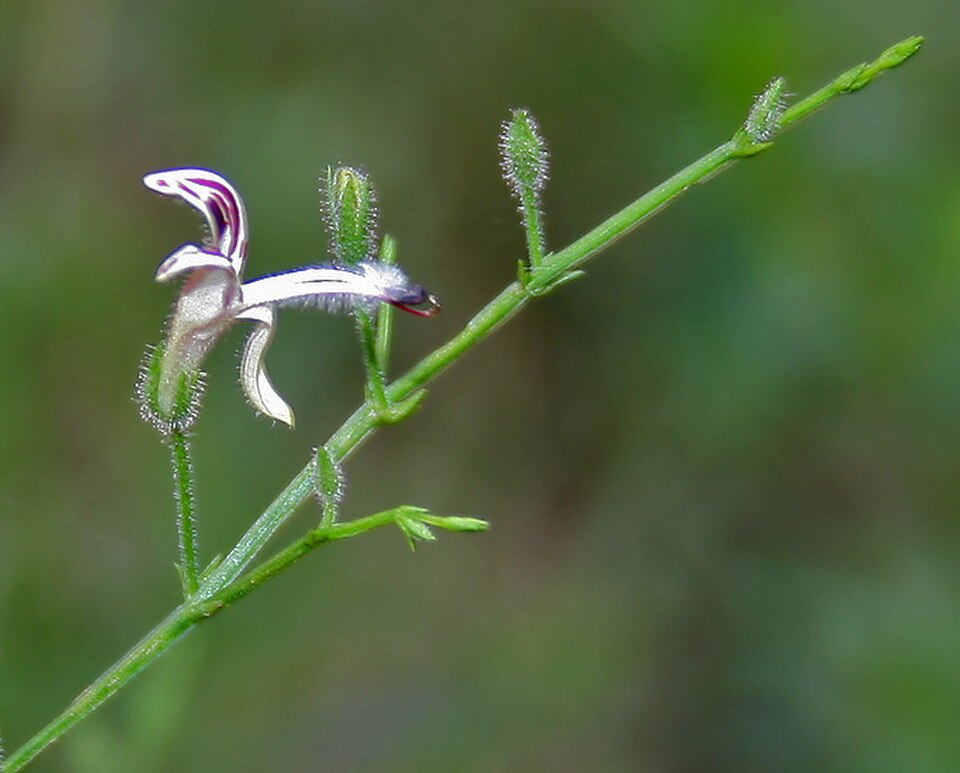
Andrographis paniculata, widely recognized as 'King of Bitters' or 'Kalmegh', is a distinguished perennial herbaceous plant within the Acanthaceae family. This species typically achieves a stature ranging from 30 to 110 cm, characterized by its slender, erect, and often quadrangular stems. Its leaves are lanceolate, exhibiting a dark green hue, smooth texture, and subtly serrated margins, growing up to 10 cm in length. The plant's distinctive appearance is further enhanced during its flowering season, predominantly in the monsoon months, when it produces small, tubular flowers.
These blossoms range in color from white to delicate purple, arranged in loose, terminal racemes. Andrographis paniculata possesses a robust, fibrous root system, which contributes to its remarkable adaptability to diverse soil compositions. This resilience is key to its widespread distribution across its native habitats in South Asia, particularly thriving in India and Sri Lanka. It flourishes in tropical and subtropical climates, commonly found in disturbed areas, grasslands, and the undergrowth of open forests.
Historically, Andrographis paniculata has been a cornerstone in traditional medicine systems such as Ayurveda, Traditional Chinese Medicine (TCM), and Unani. Its intensely bitter taste, or 'Tikta Rasa' in Ayurveda, is traditionally associated with its profound therapeutic efficacy, especially in addressing febrile conditions, various infections, gastrointestinal disturbances, and supporting liver function. In TCM, known as 'Chuan Xin Lian', it is highly valued for its capacity to 'clear heat' and 'detoxify the body', with particular emphasis on its benefits for the respiratory and digestive tracts. Beyond its medicinal applications, the plant has been cultivated for centuries for its aesthetic appeal and ease of propagation, making it a valued garden ornamental.
Trusted Scientific References
1. Authoritative external sources for Andrographis paniculata
1.1 Wikipedia — Andrographis paniculata
1.2 Kew POWO (Plants of the World Online)
1.3 PubMed — peer-reviewed research
1.4 NCBI Taxonomy Browser
1.5 GBIF — Global Biodiversity
1.1.Andrographis — Highlights
- ✓Common Names — King of Bitters, Kalmegh, Chuan Xin Lian.
- ✓Botanical Family — Acanthaceae.
- ✓Primary Active Compounds — Andrographolides (diterpenoid lactones).
- ✓Taste Profile — Intensely bitter.
- ✓Traditional Uses — Fevers, infections, liver, digestion, immunity.
- ✓Pharmacological Actions — Immunostimulatory, anti-inflammatory, antiviral, hepatoprotective.
- ✓Native Region — South and Southeast Asia.
- ✓Growth Habit — Erect annual or perennial herb.
- ✓Cultivation — Relatively easy in tropical/subtropical climates.
- ✓Research Interest — Significant modern scientific validation of traditional uses.
1.2.Andrographis — Snapshot Summary
- ✓Andrographis paniculata is a potent 'King of Bitters' herb from South Asia.
- ✓Renowned for immune, anti-inflammatory, and liver support.
- ✓Key active compounds are diterpenoid lactones like andrographolide.
- ✓Used extensively in Ayurveda, TCM, and Unani medicine.
- ✓Offers broad pharmacological activities including antiviral and antioxidant effects.
- ✓Requires careful dosing and consideration of potential side effects and contraindications.
2.Andrographis — Nomenclature & Classification
3.Andrographis — Vital Statistics
4.Andrographis — Botanical Description
5.Andrographis — Origin & Spread
6.Andrographis — Heritage Uses
7.Andrographis — Phytochemistry
- ✓Ent-Labdane Diterpenoids — The primary active constituents are diterpenoid lactones such as andrographolide, neoandrographolide, deoxyandrographolide, and andrograpanin, which are responsible for most of the plant's anti-inflammatory, antiviral, and hepatoprotective actions.
- ✓Flavonoids — Compounds like apigenin, quercetin, and their glycosides contribute to the plant's antioxidant and anti-inflammatory properties, often working synergistically with diterpenoids.
- ✓Quinic Acids — These compounds, including caffeoylquinic acids, possess antioxidant and potential antiviral activities, enhancing the plant's overall therapeutic spectrum.
- ✓Xanthones — Minor constituents such as xanthones may contribute to the plant's bitter taste and possess some antimicrobial and antioxidant effects.
- ✓Noriridoids — A rare class of compounds found in Andrographis, their specific pharmacological roles are still under investigation but may contribute to its diverse biological activities.
- ✓Polyphenols — Beyond flavonoids, other phenolic compounds contribute to the plant's broad antioxidant capacity, protecting cells from oxidative damage.
- ✓Saponins — These compounds can have immunomodulatory and adaptogenic properties, potentially contributing to the plant's general tonic effects.
- ✓Volatile Oils — Trace amounts of essential oils are present, which may contribute to the plant's aroma and some minor antimicrobial properties.
8.Andrographis — Pharmacological Findings
- ✓Immune System Support — Andrographis paniculata is renowned for its immunostimulatory properties, enhancing the body's natural defense mechanisms and promoting a robust immune response.
- ✓Anti-inflammatory Action — The plant's diterpenoids, particularly andrographolide, exhibit significant anti-inflammatory effects by modulating inflammatory pathways, making it beneficial for various inflammatory conditions.
- ✓Antiviral Activity — Research indicates Andrographis can inhibit viral replication and reduce the severity of symptoms associated with common viral infections, including the common cold and influenza.
- ✓Liver Protection (Hepatoprotective) — Traditionally used for liver ailments, it helps protect liver cells from damage and supports detoxification processes, improving overall liver health.
- ✓Antioxidant Properties — Rich in compounds that neutralize free radicals, Andrographis helps reduce oxidative stress and cellular damage, contributing to general well-being and disease prevention.
- ✓Digestive Health — Its bitter compounds stimulate bile production and improve digestion, traditionally used to alleviate gastrointestinal discomfort and support a healthy gut.
- ✓Antipyretic Effects — Andrographis paniculata has been historically used to reduce fever, acting through mechanisms that help regulate body temperature during infectious illnesses.
- ✓Antimicrobial Action — The plant demonstrates broad-spectrum antimicrobial activity against various bacteria, fungi, and parasites, making it effective against certain infections.
- ✓Cardiovascular Health — Some studies suggest its potential to support cardiovascular function by influencing blood lipid levels and promoting healthy blood circulation.
- ✓Blood Sugar Regulation — Emerging research indicates Andrographis may assist in managing blood glucose levels, offering potential benefits for individuals with hyperglycemia.
- ✓Respiratory System Support — Especially valued in TCM, it helps clear heat from the lungs, making it useful in alleviating symptoms of respiratory infections like coughs and sore throats.
- ✓Anticancer Potential — Preliminary studies show certain compounds in Andrographis possess cytotoxic effects on cancer cells, suggesting potential as an adjunct in cancer therapy.
8.1.Andrographis — Health Applications
9.Andrographis — Cautions & Contraindications
9.1.Andrographis — Reported Side Effects
- ✓Gastrointestinal Upset — Bitter taste can cause nausea, vomiting, diarrhea, or stomach discomfort, especially with high doses.
- ✓Allergic Reactions — Rare cases of skin rash, itching, or other allergic responses have been reported.
- ✓Fatigue/Headache — Some individuals may experience mild fatigue or headaches.
- ✓Loss of Appetite — The intense bitterness might temporarily suppress appetite in some users.
- ✓Bleeding Risk — May potentially interact with anticoagulant medications or increase bleeding risk due to its blood-thinning properties.
- ✓Reproductive Effects — Historically noted for potential contraceptive effects, caution is advised for those trying to conceive.
- ✓Liver Enzyme Elevation — Very high doses or prolonged use, though rare, could potentially lead to elevated liver enzymes in sensitive individuals.
9.2.Andrographis — Safety Profile
- ✓Pregnancy & Lactation — Contraindicated due to potential abortifacient and anti-fertility effects; consult a healthcare professional.
- ✓Autoimmune Diseases — Use with caution, as Andrographis can stimulate the immune system, potentially exacerbating conditions like lupus or rheumatoid arthritis.
- ✓Bleeding Disorders & Anticoagulants — Avoid or use under strict medical supervision due to potential blood-thinning effects.
- ✓Hypotension — Individuals with low blood pressure should use with caution, as it may further lower blood pressure.
- ✓Fertility Concerns — Avoid if trying to conceive, both for men and women, due to reported anti-fertility effects.
- ✓Children & Elderly — Use with caution and reduced dosages; always consult a pediatrician or geriatric specialist.
- ✓Drug Interactions — May interact with immunosuppressants, antiplatelet drugs, and antidiabetic medications.
10.Andrographis — Usage Guide
- ✓Herbal Tea/Infusion — Dried leaves and stems can be steeped in hot water to create a bitter but potent medicinal tea, typically used for colds and fevers.
- ✓Tincture — An alcohol-based extract of the whole plant or aerial parts, allowing for concentrated dosing and longer shelf life.
- ✓Capsules/Tablets — Standardized extracts of Andrographis paniculata are widely available in capsule or tablet form for convenient and precise dosing.
- ✓Powdered Herb — Dried and powdered leaves can be mixed with honey or other carriers, especially in Ayurvedic preparations like 'Kalmegh churna'.
- ✓Topical Application — In some traditional practices, poultices or pastes made from the leaves are applied externally for skin conditions or insect bites.
- ✓Decoction — Roots or tougher plant parts can be simmered in water for a longer period to extract compounds, often used for more chronic conditions.
- ✓Juices/Extracts — Fresh leaf juice or concentrated liquid extracts are used in some traditional systems, particularly for liver support.
11.Andrographis — Garden Cultivation
- ✓Climate Preference — Thrives in tropical and subtropical regions with warm, humid conditions.
- ✓Soil Requirements — Prefers well-drained loamy to sandy-loam soils, adaptable to various types but benefits from organic matter.
- ✓Propagation — Primarily propagated by seeds; can also be grown from stem cuttings during the monsoon season.
- ✓Planting — Sow seeds directly or transplant seedlings; ensure adequate spacing (e.g., 30-45 cm apart).
- ✓Watering — Requires consistent moisture, especially during dry periods, but avoid waterlogging.
- ✓Sunlight — Grows best in full sun to partial shade; too much shade can reduce active compound concentration.
- ✓Fertilization — Benefits from moderate organic fertilization, especially nitrogen, during the vegetative growth phase.
- ✓Pest & Disease Management — Generally resilient, but monitor for common garden pests and fungal diseases in overly humid conditions.
Reviewed by the Flora Medical Global Botanical Review Panel
Multi-disciplinary editorial group · Botany · Ethnobotany · Herbal-medicine literature
Who reviewed this: This page was checked by the Flora Medical Global Botanical Review Panel — an in-house editorial group of botany graduates, ethnobotany researchers, and horticulture practitioners who collectively maintain our 7,000+ plant encyclopedia. Meet the team.
Our 4-step verification process
1. Taxonomic verification
Scientific names and synonyms cross-checked against Kew POWO, World Flora Online, and The Plant List.
2. Phytochemical & medicinal cross-reference
Active compounds, traditional uses, and reported activities are cross-referenced with PubMed, USDA Dr. Duke's database, and peer-reviewed ethnobotanical literature.
3. Conservation & distribution check
Distribution, ecology, and conservation status confirmed against GBIF occurrence records and the IUCN Red List.
4. Editorial & safety review
Every entry passes an editorial pass for clarity, originality, and safety notices (toxicity, contraindications, dosage caveats) before publication.
Last reviewed:
Important medical disclaimer: This content is for educational and research purposes only. It is not medical advice and is not a substitute for consultation with a licensed healthcare provider. Do not use any herb to self-treat a medical condition without professional guidance.
Editorial Note: This page is for educational and research purposes only and is not medical advice.
Written by: Flora Medical Global Editorial Team
Reviewed by: Flora Medical Global Botanical Review Panel
Last Updated: June 16, 2026





Andrographis — Comments & Community Reviews
Rate this plant