
Medical Disclaimer: This content is for educational purposes only. It is not medical advice. Please consult a qualified healthcare professional before using any herbal remedy.
Safety Overview
1.Annatto — Botanical Snapshot

Annatto, known scientifically as Bixa orellana, is a versatile flowering plant indigenous to the tropical Americas, thriving from Mexico down to Brazil. This striking shrub or small tree typically achieves heights ranging from 2 to 10 meters, characterized by its robust structure and vibrant produce. The plant's morphology includes alternate, ovate to cordate leaves, impressively sized between 10 to 20 cm in length and 5 to 10 cm in width, distinguished by a pointed apex and clearly defined venation. Its bark presents a dark gray hue, marked by lenticels arranged in vertical rows, adding to its textured appearance. Bixa orellana flowers bloom in attractive clusters, featuring five prominent lobes of white to pinkish-mauve petals and numerous stamens, emitting a subtle, delicate fragrance. However, the plant's most iconic feature is its fruit—a heart-shaped or ovoid capsule covered in soft, spiny bristles.
These capsules undergo a captivating transformation from green to a deep red or purplish-red upon maturation. Each mature fruit capsule encases several small seeds, enveloped within a vibrant, pulpy aril. This aril is the primary source of the highly prized annatto dye, celebrated for its intense red-orange pigment. Annatto boasts a profound historical and cultural legacy, with archaeological evidence indicating its extensive use by indigenous populations over 5,000 years ago. It served purposes as diverse as food coloring, textile dyeing, body paint, and significant medicinal applications. In ancient Mayan civilization, it held symbolic importance, representing blood and playing a role in sacred ceremonies.
Spanish conquistadors extensively documented its widespread utility among Mesoamerican cultures, highlighting its integral position in various societal practices. Today, Bixa orellana continues its legacy globally as a natural and non-toxic coloring agent in food, cosmetics, and textiles, valued for its safety and efficacy. Botanically classified under the family Bixaceae, Annatto not only enhances visual appeal but also remains a cornerstone in traditional medicine systems, including Ayurveda, where it is recognized for its anti-inflammatory and antiseptic properties. The adaptability and diverse applications of Annatto underscore its enduring economic value and cultural significance worldwide.
Trusted Scientific References
Authoritative external sources for Bixa Orellana:
1.1.Annatto — Highlights
- ✓Natural Food Colorant — Primary source of E160b, a widely used natural red-orange food dye.
- ✓Potent Antioxidant — High concentration of bixin and norbixin offers robust free radical scavenging activity.
- ✓Traditional Medicinal Herb — Centuries of use in indigenous and traditional medicine systems for various ailments.
- ✓Versatile Plant Parts — Seeds, leaves, bark, and roots are all utilized for their distinct properties.
- ✓Tropical Origin — Native to Central and South America, thriving in warm, humid environments.
- ✓Anti — inflammatory Properties — Contains compounds that help mitigate inflammatory responses in the body.
- ✓Antimicrobial Activity — Exhibits efficacy against a range of bacteria and fungi.
- ✓Skin Protectant — Carotenoids provide natural UV protection and contribute to skin health and wound healing.
- ✓Sustainable Cultivation — A relatively easy-to-grow crop in its native and adapted tropical regions.
- ✓Economic Significance — Major commercial importance in the food, cosmetic, and textile industries worldwide.
1.2.Annatto — At-a-Glance Summary
- ✓Annatto (Bixa orellana) is a tropical plant renowned for its vibrant red-orange dye from seed arils and diverse medicinal uses.
- ✓It is a rich source of carotenoids, primarily bixin and norbixin, which provide potent antioxidant and photoprotective properties.
- ✓Traditionally utilized for food coloring, body paint, and a wide array of medicinal applications across indigenous cultures.
- ✓Research supports its anti-inflammatory, antimicrobial, and potential blood sugar-modulating effects.
- ✓Globally valued as a safe, natural colorant in food and cosmetics, it also plays a role in traditional herbal medicine.
- ✓Always consult a healthcare professional before using Annatto for medicinal purposes, especially if pregnant or on medication.
2.Annatto — Scientific Identity
3.Annatto — Categories & Tags
4.Annatto — Physical Description
5.Annatto — Heritage Uses
6.Annatto — Phytochemistry
- ✓Carotenoids — Bixin (C25H30O4) and Norbixin (C24H28O4) are the primary coloring pigments found in the seed aril, responsible for Annatto's vibrant red-orange hue and potent antioxidant activity.
- ✓Flavonoids — Compounds like luteolin, apigenin, and vicenin are present in Annatto leaves and seeds, contributing to its anti-inflammatory and antioxidant profiles.
- ✓Terpenoids — Geranylgeraniol, farnesyl pyrophosphate, and other diverse terpenes are found, offering potential antimicrobial, anti-inflammatory, and anticancer properties.
- ✓Phytosterols — Beta-sitosterol is a notable phytosterol present, known for its cholesterol-lowering effects and anti-inflammatory benefits.
- ✓Saponins — These glycosides are found in various parts of the plant, potentially contributing to its medicinal properties, including mild detergent-like actions.
- ✓Tannins — Present in the bark and leaves, tannins provide astringent properties and act as antioxidants, contributing to wound healing and antimicrobial effects.
- ✓Fatty Acids — The seeds contain various fatty acids, including oleic acid and linoleic acid, which are beneficial for skin health and overall nutrition.
- ✓Tocotrienols — A form of Vitamin E, these powerful antioxidants are found in Annatto seeds, offering neuroprotective and cardiovascular benefits.
- ✓Phenolic Acids — Gallic acid, ellagic acid, and other phenolic compounds contribute to the plant's broad spectrum of antioxidant and anti-inflammatory activities.
- ✓Minerals — Annatto seeds contain essential minerals such as calcium, iron, phosphorus, and selenium, supporting various physiological functions.
7.Annatto — Evidence-Based Benefits
- ✓Antioxidant Support — Annatto is rich in carotenoids like bixin and norbixin, which are powerful antioxidants that help neutralize free radicals and protect cells from oxidative damage.
- ✓Anti-inflammatory Action — Extracts from Bixa orellana have demonstrated anti-inflammatory properties, potentially by modulating inflammatory pathways and reducing pain associated with various conditions.
- ✓Antimicrobial Efficacy — Traditionally and scientifically, Annatto exhibits antibacterial and antifungal activities, making it useful in combating various pathogens and supporting immune function.
- ✓Digestive Health Aid — In traditional medicine, Annatto has been used to alleviate digestive complaints such as stomach upset, heartburn, and dysentery, promoting gastrointestinal comfort.
- ✓Skin Protection and Healing — Its carotenoids offer natural photoprotective qualities, guarding against UV radiation, while its traditional application aids in wound healing, reducing scars, and soothing skin irritations.
- ✓Blood Sugar Regulation — Some research suggests Bixa orellana may help in lowering blood glucose levels, making it a subject of interest for managing diabetes.
- ✓Cholesterol Management — Components in Annatto, particularly phytosterols, may contribute to reducing levels of 'bad' LDL cholesterol, thereby supporting cardiovascular health.
- ✓Ocular Health — As a source of carotenoids, Annatto can contribute to eye health, potentially reducing the risk of age-related macular degeneration and improving vision.
- ✓Fever Reduction — Traditionally, decoctions of Annatto leaves or bark have been employed to help reduce fever and alleviate associated symptoms.
- ✓Diuretic Properties — Annatto has been utilized as a natural diuretic in some traditional practices, aiding in the removal of excess fluids from the body.
- ✓Antivenom Properties — Indigenous populations have historically applied Annatto topically as a remedy for snake bites, though modern scientific validation is limited.
- ✓Immunomodulatory Effects — Beyond direct antimicrobial action, some constituents may help modulate the immune system, enhancing the body's natural defenses.
7.1.Annatto — Reported Uses
8.Annatto — Safety & Side Effects
8.1.Annatto — Warnings
- ✓Allergic Reactions — Some individuals may experience allergic responses, including skin rashes, itching, swelling, or asthma, particularly to the annatto dye (E160b).
- ✓Digestive Upset — High doses or sensitivity can lead to mild gastrointestinal discomfort such as nausea, stomach cramps, or diarrhea.
- ✓Hypotension Risk — Annatto may have a hypotensive effect, potentially lowering blood pressure, which could be problematic for individuals already on antihypertensive medications.
- ✓Hypoglycemic Effects — There is evidence suggesting Annatto can lower blood glucose levels, necessitating caution for diabetics on blood sugar-lowering drugs.
- ✓Photosensitivity — In rare cases, some users may experience increased skin sensitivity to sunlight, making them more prone to sunburn.
- ✓Drug Interactions — Potential interactions exist with anticoagulant medications due to possible blood-thinning properties, and with medications for blood pressure or diabetes.
- ✓Uterine Contractions — Historically, Annatto has been associated with inducing uterine contractions, making it contraindicated during pregnancy.
8.2.Annatto — Safety Overview
- ✓GRAS Status — Annatto is generally recognized as safe (GRAS) by regulatory bodies for use as a food additive within established limits.
- ✓Pregnancy and Lactation — Avoid use during pregnancy due to historical associations with uterine contractions and insufficient safety data; caution during lactation is also advised.
- ✓Pediatric Use — Generally considered safe in food quantities for children, but therapeutic or concentrated medicinal doses should be administered only under professional guidance.
- ✓Allergy Awareness — Individuals with known allergies to the Bixaceae family or with a history of food dye sensitivities should exercise caution or avoid Annatto.
- ✓Medical Consultations — Patients with pre-existing conditions like diabetes, hypotension, or those on anticoagulant medications should consult a healthcare provider before using Annatto medicinally.
- ✓Topical Patch Test — Before widespread topical application, perform a patch test on a small skin area to check for any adverse reactions or sensitivities.
- ✓Dosage Adherence — Adhere strictly to recommended dosages for Annatto extracts or supplements to minimize the risk of adverse effects.
9.Annatto — Preparations & Uses
- ✓Food Coloring Agent — The vibrant aril surrounding the seeds is steeped in oil or water to extract the rich red-orange pigment, widely used in dairy products, cheeses, and processed foods.
- ✓Culinary Spice and Flavoring — Ground Annatto seeds, often mixed with other spices, form a paste or powder used in Latin American and Caribbean cuisines to impart both color and a subtle earthy, peppery flavor.
- ✓Traditional Medicinal Decoction — Leaves, bark, or roots are boiled to prepare decoctions or teas, traditionally consumed for fever, digestive issues, and anti-inflammatory purposes.
- ✓Topical Skin Application — A paste made from crushed seeds or the extracted oil is applied directly to the skin for sunburn relief, insect repellent, wound healing, and as a natural sunscreen.
- ✓Oil Infusion — Annatto seeds are infused into carrier oils like olive or coconut oil to create pigmented oils used in cooking, cosmetics, and traditional skin treatments.
- ✓Textile and Body Dye — The concentrated pigment from the seed aril is processed into a dye for coloring textiles, handicrafts, and historically, for body paint and ceremonial purposes.
- ✓Herbal Supplements — Standardized extracts of Annatto, often rich in norbixin, are available in capsule or tablet form for antioxidant support and other health benefits.
- ✓Infusion for Beverages — Dried leaves can be used to make a mild herbal infusion, sometimes combined with other botanicals for a health-promoting drink.
10.Annatto — Cultivation & Care
- ✓Climate Requirements — Annatto thrives in hot, humid tropical and subtropical climates, preferring temperatures between 20-35°C and high rainfall.
- ✓Soil Preference — It requires well-drained, fertile soil rich in organic matter, with a pH range of slightly acidic to neutral (6.0-7.0) for optimal growth.
- ✓Propagation Techniques — Can be propagated effectively from seeds, which should be soaked before planting, or via stem cuttings for faster establishment.
- ✓Planting and Spacing — Seeds or seedlings are planted directly or transplanted, typically spaced 3-4 meters apart to allow for mature plant development.
- ✓Watering Regimen — Consistent moisture is crucial, especially during dry spells and flowering/fruiting periods; avoid waterlogging.
- ✓Sunlight Exposure — Bixa orellana performs best in full sun exposure, which maximizes its growth and the production of pigment-rich fruits.
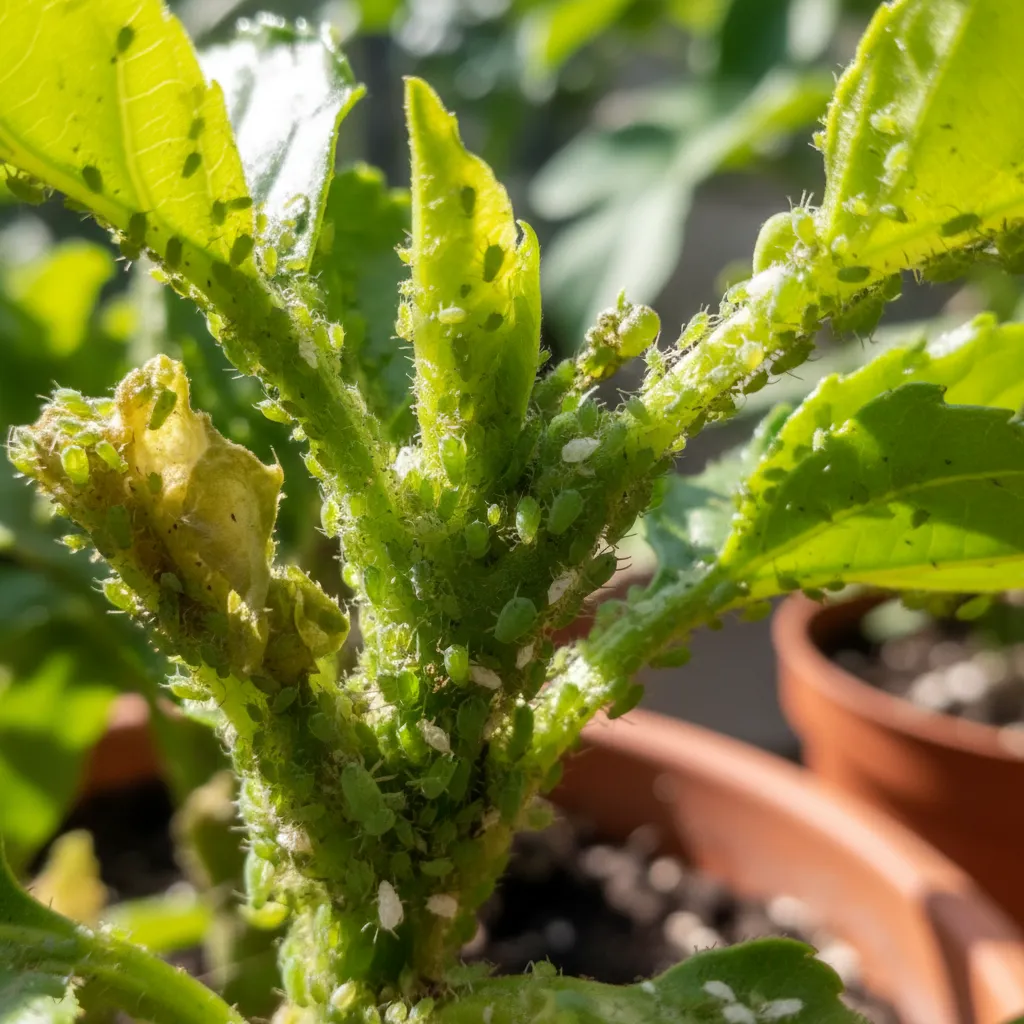
- ✓Pest and Disease Management — Generally robust, but monitor for common tropical pests like aphids and scale insects, and fungal diseases in overly wet conditions.
- ✓Harvesting Practices — Fruit capsules are harvested when they turn bright red and begin to split open, indicating the seeds are mature and ready for pigment extraction.
Reviewed by the Flora Medical Global Botanical Review Panel
Multi-disciplinary editorial group · Botany · Ethnobotany · Herbal-medicine literature
Who reviewed this: This page was checked by the Flora Medical Global Botanical Review Panel — an in-house editorial group of botany graduates, ethnobotany researchers, and horticulture practitioners who collectively maintain our 7,000+ plant encyclopedia. Meet the team.
Our 4-step verification process
1. Taxonomic verification
Scientific names and synonyms cross-checked against Kew POWO, World Flora Online, and The Plant List.
2. Phytochemical & medicinal cross-reference
Active compounds, traditional uses, and reported activities are cross-referenced with PubMed, USDA Dr. Duke's database, and peer-reviewed ethnobotanical literature.
3. Conservation & distribution check
Distribution, ecology, and conservation status confirmed against GBIF occurrence records and the IUCN Red List.
4. Editorial & safety review
Every entry passes an editorial pass for clarity, originality, and safety notices (toxicity, contraindications, dosage caveats) before publication.
Last reviewed:
Important medical disclaimer: This content is for educational and research purposes only. It is not medical advice and is not a substitute for consultation with a licensed healthcare provider. Do not use any herb to self-treat a medical condition without professional guidance.
Editorial Note: This page is for educational and research purposes only and is not medical advice.
Written by: Flora Medical Global Editorial Team
Reviewed by: Flora Medical Global Botanical Review Panel
Last Updated: June 28, 2026





Annatto — Comments & Community Reviews
Rate this plant
No reviews yet. Be the first!