
Medical Disclaimer: This content is for educational purposes only. It is not medical advice. Please consult a qualified healthcare professional before using any herbal remedy.
Safety Overview
1.Apamarga — Overview
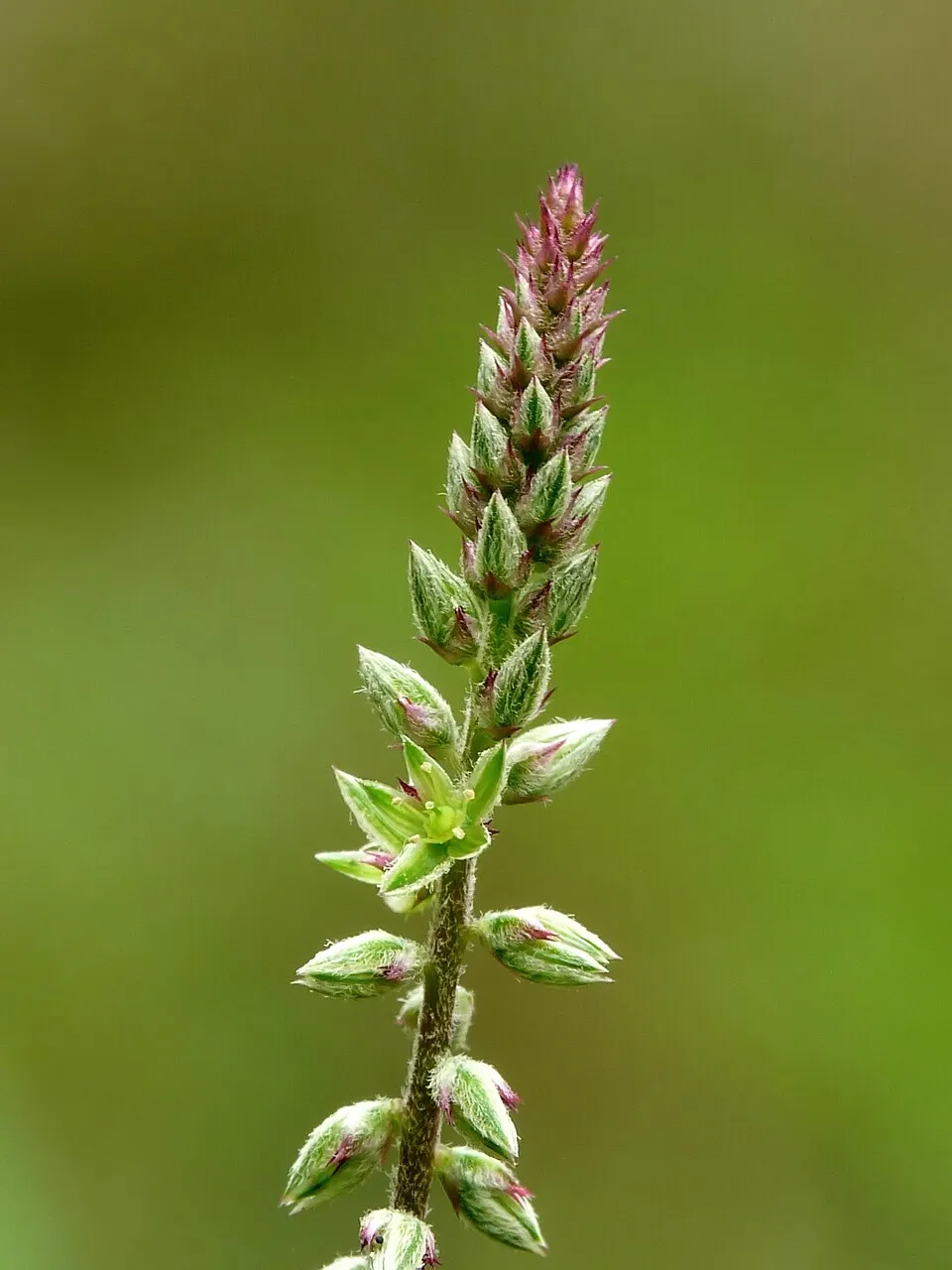
Apamarga, scientifically known as Achyranthes aspera, is a robust herbaceous plant belonging to the Amaranthaceae family, widely recognized for its extensive applications in traditional medicine systems across the globe. This resilient perennial can grow up to a meter tall, characterized by its distinctive erect, branched stems and opposite, ovate to elliptic leaves, which possess a notable hairy texture and a clear reticulate venation pattern, contributing to its unique visual appeal. The plant's most identifying feature is its terminal spiky inflorescence, bearing numerous small, inconspicuous greenish-white florets that mature into hard, prickly utricles.
These fruits are remarkably adapted for seed dispersal, easily adhering to passing animals or clothing, a strategy that underscores its ecological success. Apamarga thrives in diverse tropical and subtropical environments across Asia, Africa, America, and Australia, commonly colonizing disturbed habitats such as roadsides, waste grounds, and agricultural fields, demonstrating its pioneering ecological role in ecosystem restoration. Its historical medicinal significance is deeply rooted in ancient Ayurvedic texts like the Charaka Samhita and Sushruta Samhita, where it is lauded for addressing a spectrum of ailments, particularly those affecting the digestive, respiratory, and reproductive systems.
In Unani medicine, it is known as 'Chirchita' and valued for its emetic and diuretic properties, reflecting its broad traditional acceptance. Beyond its therapeutic uses, Apamarga holds significant cultural importance, notably in Hindu purification rituals, symbolizing purity and renewal. The integration of Apamarga into modern scientific research has begun to systematically uncover its vast pharmacological potential, supported by the discovery of various bioactive compounds that contribute to its therapeutic effects, ensuring the plant's relevance in both traditional and contemporary health practices.
Trusted Scientific References
1. Authoritative external sources for Achyranthes aspera
1.1 Wikipedia — Achyranthes aspera
1.2 Kew POWO (Plants of the World Online)
1.3 PubMed — peer-reviewed research
1.4 NCBI Taxonomy Browser
1.5 GBIF — Global Biodiversity
1.1.Apamarga — Defining Traits
- ✓Resilient Perennial Herb — Thrives in tropical and subtropical regions, often found as a common weed.
- ✓Distinctive Morphology — Characterized by spiky inflorescence and prickly, adhering fruits for seed dispersal.
- ✓Rich Ayurvedic Heritage — Extensively documented in ancient texts for diverse therapeutic applications.
- ✓Multi — Systemic Benefits — Supports digestive, respiratory, urinary, and metabolic health.
- ✓Potent Bioactive Compounds — Contains saponins, alkaloids, ecdysterone, and flavonoids.
- ✓Anti — inflammatory Action — Efficacious in reducing inflammation and associated pain.
- ✓Diuretic Properties — Promotes urine flow, beneficial for renal and urinary tract issues.
- ✓Weight Management Aid — Utilized in traditional medicine for its 'scraping' and fat-reducing effects.
- ✓Traditional Kshara Preparation — Source of a unique alkaline medicine for various conditions.
- ✓Ecological Pioneer Species — Plays a role in colonizing and stabilizing disturbed habitats.
1.2.Apamarga — At-a-Glance Summary
- ✓Apamarga (Achyranthes aspera) is a versatile Ayurvedic herb.
- ✓Known for its spiky fruits and broad medicinal uses.
- ✓Supports digestion, respiration, and urinary health.
- ✓Traditionally used for anti-inflammatory and anti-obesity effects.
- ✓Rich in saponins, alkaloids, and ecdysterone.
- ✓Contraindicated in pregnancy; consult physician for other uses.
2.Apamarga — Scientific Profile
3.Apamarga — Quick Facts
4.Apamarga — Morphological Account
5.Apamarga — Where It Grows
6.Apamarga — Historical Applications
7.Apamarga — Active Compounds
- ✓Alkaloids — Key alkaloids like Achyranthine are present, contributing to various pharmacological activities including potential anti-inflammatory and analgesic effects.
- ✓Saponins — Achyranth saponins A, B, C, and D are prominent, known for their detergent properties, expectorant action, and roles in cholesterol metabolism and anti-cancer research.
- ✓Steroids/Ecdysteroids — Ecdysterone is a significant component, recognized for its anabolic properties and potential in modulating physiological processes.
- ✓Triterpenoids — Various triterpenoid compounds are found, contributing to the plant's adaptogenic and anti-inflammatory characteristics.
- ✓Flavonoids — These powerful antioxidants are present, offering free radical scavenging, anti-inflammatory, and cardioprotective benefits.
- ✓Betaine — This quaternary ammonium salt is identified, playing roles in osmoregulation and potentially contributing to the plant's anti-inflammatory and hepatoprotective actions.
- ✓Hentriacontane — A long-chain alkane, often associated with antimicrobial and anti-inflammatory properties, found in the plant's waxy layers.
- ✓Glycosides — Various glycosides are present, often responsible for cardiac, diuretic, or laxative effects depending on their specific structure.
- ✓Phenolic Compounds — These compounds contribute to the plant's overall antioxidant capacity and protective effects against oxidative stress.
- ✓Polysaccharides — Found in the plant matrix, they contribute to immunomodulatory effects and provide structural support.
8.Apamarga — Research Insights
- ✓Anti-inflammatory — Apamarga exhibits significant anti-inflammatory properties, attributed to its saponin and flavonoid content, which modulate inflammatory pathways and reduce swelling and pain.
- ✓Expectorant and Respiratory Support — Traditionally used to alleviate coughs and colds, Apamarga acts as a Kaphanashana, helping to break down and expel accumulated sputum, thereby clearing respiratory passages.
- ✓Digestive Stimulant — As a Deepana and Pachana herb, Apamarga improves digestive strength, stimulates appetite, and aids in the breakdown of 'ama' (undigested toxins), relieving indigestion and anorexia.
- ✓Diuretic and Renal Health — The plant is a potent diuretic, promoting increased urine flow, which is beneficial in managing dysuria, urinary retention, and assisting in the dissolution and expulsion of kidney and bladder stones.
- ✓Anti-obesity and Metabolic Support — Known as 'Chedi' for its scraping effect and 'Medohara' for reducing fat deposition, Apamarga is utilized in Ayurvedic practices to support weight management and reduce cholesterol.
- ✓Anti-parasitic and Antimicrobial — Apamarga possesses Krimighna properties, making it effective against various internal parasites and microbes, particularly when used in nasya (nasal administration) for head and neck infections.
- ✓Hemorrhoid Management — Its Arshaghna action makes Apamarga beneficial in the treatment of piles and hemorrhoids, helping to reduce inflammation and discomfort associated with these conditions.
- ✓Anti-pruritic and Dermatological Aid — Apamarga is used to relieve itching (Kandughna) and treat various skin conditions like urticaria and allergic rashes, often applied topically as a paste.
- ✓Uterine Health and Menstrual Regulation — In traditional remedies, Apamarga leaf paste with sesame oil is prescribed for Asrigdara, or excessive menstrual bleeding, helping to regulate uterine function.
- ✓Anti-hypertensive — Research indicates potential anti-hypertensive effects, suggesting its role in managing blood pressure, likely through its diuretic and vasodilatory actions.
- ✓Anti-diabetic — Preliminary studies point to hypoglycemic activity, indicating Apamarga's potential to help regulate blood sugar levels, making it a subject of interest for diabetes management.
- ✓Wound Healing — External application of Apamarga root paste promotes wound healing, attributed to its anti-inflammatory and antimicrobial properties that support tissue regeneration.
8.1.Apamarga — Reported Uses
9.Apamarga — Precautions & Warnings
9.1.Apamarga — Warnings
- ✓Nausea and Vomiting — High doses of Apamarga, particularly the Kshara or strong preparations, may induce nausea and vomiting due to its emetic properties.
- ✓Abortifacient Risk — Due to its traditional use as an abortifacient, Apamarga is strictly contraindicated during pregnancy, as it may stimulate uterine contractions.
- ✓Gastrointestinal Irritation — Excessive consumption can lead to gastrointestinal discomfort, including stomach upset or diarrhea in sensitive individuals.
- ✓Reproductive System Impact — Long-term or high-dose usage in men undergoing infertility treatment should be avoided, as it may potentially affect sperm parameters.
- ✓Drug Interactions — May interact with diuretic medications, blood pressure medications, or blood thinners due to its inherent pharmacological activities.
- ✓Hypoglycemic Effects — Individuals with diabetes on medication should monitor blood glucose levels closely, as Apamarga may potentiate hypoglycemic effects.
- ✓Alkaloid Toxicity — While generally safe in recommended doses, very high doses could lead to symptoms associated with alkaloid toxicity.
9.2.Apamarga — Safety Overview
- ✓Pregnancy Contraindication — Absolutely contraindicated during pregnancy due to its established abortifacient properties, which can induce uterine contractions and harm the fetus.
- ✓Lactation and Children — Use in lactating mothers and young children should be approached with extreme caution, only under medical supervision, and typically in lower, carefully monitored doses for limited periods.
- ✓Male Fertility Caution — Men undergoing treatment for infertility should avoid long-term use of Apamarga due to potential adverse effects on reproductive health.
- ✓Pre-existing Conditions — Individuals with kidney disorders, heart conditions, or blood pressure issues should consult a healthcare professional before use due to its diuretic and anti-hypertensive actions.
- ✓Dosage Adherence — Strict adherence to recommended dosages is crucial to prevent adverse effects like nausea, vomiting, or gastrointestinal irritation.
- ✓Drug Interactions — Caution is advised when combining Apamarga with conventional medications, especially diuretics, anticoagulants, and antidiabetics, due to potential additive or synergistic effects.
- ✓Allergic Reactions — Although rare, individuals may experience allergic reactions to Apamarga; discontinue use if skin rashes, itching, or respiratory distress occurs.
10.Apamarga — Application Forms
- ✓Fresh Juice — Leaves are crushed to extract fresh juice, typically consumed in doses of 5-10 ml, often mixed with honey or water, for respiratory and digestive issues.
- ✓Decoction (Kwath) — Dried leaves, stems, or roots are boiled in water to create a decoction, used orally for diuretic effects, digestive support, and inflammation.
- ✓Powder (Churna) — Dried plant parts, especially the root and seeds, are ground into a fine powder, taken orally with water or honey for various systemic benefits.
- ✓Kshara Preparation — The entire dried plant is incinerated, and its ash is processed with water to yield Apamarga Kshara, a potent alkaline preparation used internally for obesity and externally for surgical procedures like treating fistulas.
- ✓External Paste — Fresh root or leaf paste is applied topically to alleviate pain, reduce swelling, treat skin conditions like urticaria, and as an antidote for insect bites.
- ✓Seed Oil — The seeds can be processed to extract oil, which may be used for specific medicinal applications, though less common than other preparations.
- ✓Nasal Administration (Nasya) — The juice or powder of Apamarga is sometimes used for Nasya therapy to clear nasal passages and treat conditions affecting the head and neck.
- ✓Herbal Formulations — Apamarga is a common ingredient in many polyherbal Ayurvedic formulations, where its properties are synergized with other herbs.
11.Apamarga — Propagation & Care
- ✓Climate Requirement — Thrives in tropical and subtropical climates with ample sunlight and moderate rainfall, tolerating a range of temperatures.
- ✓Soil Preference — Prefers well-drained, loamy to sandy soils, but is highly adaptable and can grow in nutrient-poor or disturbed grounds.
- ✓Propagation — Primarily propagated by seeds, which can be directly sown; it also readily self-seeds due to its efficient dispersal mechanism.
- ✓Watering — Requires moderate watering, especially during dry spells; mature plants are somewhat drought-tolerant once established.
- ✓Sunlight — Needs full sun exposure for optimal growth and development of its medicinal compounds.
- ✓Pest and Disease Management — Generally robust and resistant to most common pests and diseases, requiring minimal intervention.
- ✓Harvesting — Leaves can be harvested as needed, while roots are typically collected from mature plants; seeds are gathered when fully ripe.
- ✓Weed Control — As a prolific weed itself, it requires minimal weed control in cultivation, though managing its spread is important.
Reviewed by the Flora Medical Global Botanical Review Panel
Multi-disciplinary editorial group · Botany · Ethnobotany · Herbal-medicine literature
Who reviewed this: This page was checked by the Flora Medical Global Botanical Review Panel — an in-house editorial group of botany graduates, ethnobotany researchers, and horticulture practitioners who collectively maintain our 7,000+ plant encyclopedia. Meet the team.
Our 4-step verification process
1. Taxonomic verification
Scientific names and synonyms cross-checked against Kew POWO, World Flora Online, and The Plant List.
2. Phytochemical & medicinal cross-reference
Active compounds, traditional uses, and reported activities are cross-referenced with PubMed, USDA Dr. Duke's database, and peer-reviewed ethnobotanical literature.
3. Conservation & distribution check
Distribution, ecology, and conservation status confirmed against GBIF occurrence records and the IUCN Red List.
4. Editorial & safety review
Every entry passes an editorial pass for clarity, originality, and safety notices (toxicity, contraindications, dosage caveats) before publication.
Last reviewed:
Important medical disclaimer: This content is for educational and research purposes only. It is not medical advice and is not a substitute for consultation with a licensed healthcare provider. Do not use any herb to self-treat a medical condition without professional guidance.
Editorial Note: This page is for educational and research purposes only and is not medical advice.
Written by: Flora Medical Global Editorial Team
Reviewed by: Flora Medical Global Botanical Review Panel
Last Updated: June 16, 2026





Apamarga — Comments & Community Reviews
Rate this plant