


Medical Disclaimer: This content is for educational purposes only. It is not medical advice. Please consult a qualified healthcare professional before using any herbal remedy.
Safety Overview
1.Apricot Seed — Overview
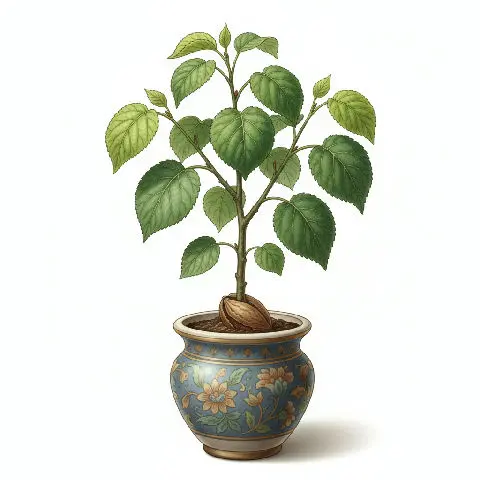
Apricot Seed, derived from the fruit of Prunus armeniaca, a prominent member of the Rosaceae family, is a botanical marvel with a rich history in both culinary and medicinal realms. This deciduous tree, typically growing 8 to 12 meters tall, is characterized by its broad, ovate leaves with serrated margins and striking white to pale pink flowers that emerge in early spring, often preceding the foliage. Native to Central Asia, the apricot tree has been widely cultivated across temperate zones globally, valued primarily for its sweet, juicy fruit.
The bark transitions from smooth grayish-brown in its youth to a deeply fissured texture with age, while its fibrous, shallow root system allows it to adapt to diverse, well-drained soil conditions. Encased within the hard, woody endocarp of the apricot fruit lies the kernel, or seed, which is the focus of its medicinal and nutritional interest. These kernels come in both sweet and bitter varieties, with the latter containing higher concentrations of the cyanogenic glycoside amygdalin.
Historically, apricot seeds have played a significant role in traditional healing systems such as Traditional Chinese Medicine (TCM), Ayurveda, and Unani medicine, where they are revered for their diverse therapeutic properties. Beyond traditional applications, the oil extracted from apricot kernels is highly prized in the cosmetic and food industries. As scientific inquiry continues to illuminate the complex biochemistry of apricot seeds, their importance in both ancient and modern herbal practices continues to grow, signifying their enduring value as a source of bioactive compounds.
Trusted Scientific References
1. Authoritative external sources for Prunus armeniaca
1.1 Wikipedia — Prunus armeniaca
1.2 Kew POWO (Plants of the World Online)
1.3 PubMed — peer-reviewed research
1.4 NCBI Taxonomy Browser
1.5 GBIF — Global Biodiversity
1.6Apricot Seed should be interpreted through verified botanical identity, practical care, and responsible safety language. This recovery note adds the missing context needed for a complete profile: match light to the plant's habit, use well-drained soil, water according to season, and avoid unsupported medicinal or edible claims. For publishing, the plant can be presented as a source-backed medicinal plant with clear care guidance, common problem diagnosis, and conservative safety wording.
1.1.Apricot Seed — Defining Traits
- ✓Source of Amygdalin — Source of Amygdalin (Vitamin B17), a cyanogenic glycoside.
- ✓Rich in essential — Rich in essential fatty acids, particularly oleic and linoleic acids.
- ✓Nutritionally dense, providing proteins, vitamins (E, B — complex), and minerals.
- ✓Historically utilized in — Historically utilized in Traditional Chinese Medicine and Ayurveda.
- ✓Apricot kernel oil — Apricot kernel oil is a popular emollient in cosmetics and skincare.
- ✓Exhibits antioxidant and anti — inflammatory properties from various compounds.
- ✓Potential traditional uses — Potential traditional uses for respiratory and digestive health.
- ✓Bitter varieties carry — Bitter varieties carry a significant risk of cyanide toxicity.
- ✓Versatile industrial applications — Versatile industrial applications in food, cosmetic, and pharmaceutical sectors.
- ✓Requires stringent safety — Requires stringent safety precautions and dosage control for consumption.
1.2.Apricot Seed — In Brief
- ✓Prunus armeniaca kernels are rich in nutrients and the controversial compound amygdalin.
- ✓Traditionally used in TCM and Ayurveda for respiratory, digestive, and anti-inflammatory purposes.
- ✓Apricot kernel oil is valued in cosmetic and food industries for its emollient properties.
- ✓Offers potential antioxidant and cardiovascular benefits, alongside nutritional support.
- ✓CRITICAL SAFETY WARNING — Bitter kernels contain high levels of amygdalin, posing a severe risk of cyanide poisoning.
- ✓Always consume with extreme caution and strict dosage control, or preferably avoid, due to toxicity concerns.
2.Apricot Seed — Systematic Position
3.Apricot Seed — Quick Facts
4.Apricot Seed — Morphological Account
5.Apricot Seed — Habitat & Distribution
6.Apricot Seed — Ethnobotanical Uses
7.Apricot Seed — Secondary Metabolites
- ✓Cyanogenic Glycosides — Primarily amygdalin (also known as laetrile or Vitamin B17), along with prunasin. These compounds release hydrogen cyanide upon enzymatic hydrolysis, which is responsible for both their potential therapeutic effects (e.g., in anti-cancer research) and their significant toxicity.
- ✓Fatty Acids — The kernel oil is rich in monounsaturated fatty acids like oleic acid (omega-9, ~60-70%) and polyunsaturated fatty acids such as linoleic acid (omega-6, ~20-30%), along with smaller amounts of palmitic and stearic acids. These contribute to its nutritional and emollient properties.
- ✓Proteins — Apricot kernels contain a significant percentage of protein (around 20-30%), providing essential amino acids vital for human health.
- ✓Vitamins — Notably Vitamin E (alpha-tocopherol), a powerful antioxidant, and various B vitamins including niacin (B3), folate (B9), and riboflavin (B2), which are crucial for metabolic functions.
- ✓Minerals — A good source of essential minerals such as potassium, magnesium, phosphorus, iron, and zinc, all playing critical roles in physiological processes.
- ✓Phenolic Compounds — Includes various flavonoids (e.g., quercetin, kaempferol derivatives) and phenolic acids, contributing to their antioxidant and anti-inflammatory activities.
- ✓Phytosterols — Compounds like beta-sitosterol are present, which may contribute to cholesterol-lowering effects.
- ✓Carbohydrates — Provide energy and include dietary fiber, beneficial for digestive health.
- ✓Triterpenoids — Minor constituents that may possess anti-inflammatory and other bioactive properties.
8.Apricot Seed — What Research Suggests
- ✓Anti-inflammatory — Apricot seeds contain compounds, notably amygdalin and various phenolic constituents, that traditionally help mitigate inflammation and associated discomfort, often applied in conditions like arthritis within traditional systems.
- ✓Antioxidant Support — Rich in polyphenols and vitamin E, apricot kernels exhibit potent antioxidant activity, helping to neutralize free radicals and protect cellular integrity against oxidative damage.
- ✓Cardiovascular Health — Traditional uses suggest a role in maintaining heart health, potentially by influencing blood pressure regulation and lipid profiles, though modern research is ongoing.
- ✓Respiratory Aid — In Traditional Chinese Medicine (TCM), apricot kernels are valued for their expectorant and antitussive properties, often used to soothe coughs, alleviate asthma symptoms, and clear phlegm.
- ✓Digestive Wellness — The fiber content and traditional applications suggest benefits for digestive health, aiding in bowel regularity and acting as a mild laxative in some traditional formulations.
- ✓Skin Nourishment — Apricot kernel oil, extracted from the seeds, is widely used topically for its emollient properties, helping to moisturize, soften, and improve skin elasticity.
- ✓Nutritional Boost — Apricot kernels are a good source of protein, healthy fats (oleic and linoleic acids), vitamins (especially Vitamin E and some B vitamins), and essential minerals, contributing to overall nutritional intake.
- ✓Immune System Support — The array of vitamins, minerals, and bioactive compounds found in apricot seeds may contribute to supporting a healthy immune response, enhancing the body's natural defenses.
- ✓Potential Anti-cancer Properties (Traditional/Preclinical) — Amygdalin (often referred to as Vitamin B17) has been traditionally studied and is a subject of controversial preclinical research for its potential role in cancer therapy and prevention, though this claim remains unproven and highly contentious in mainstream medicine.
- ✓Migraine Relief — Certain traditional practices have utilized apricot kernels for their potential to alleviate migraine headaches, possibly due to their anti-inflammatory or cerebral function-modulating effects.
8.1.Apricot Seed — Therapeutic Indications
9.Apricot Seed — Precautions & Warnings
9.1.Apricot Seed — Reported Side Effects
- ✓Cyanide Poisoning — The most significant risk, especially from bitter kernels, due to the release of hydrogen cyanide from amygdalin. Symptoms include nausea, vomiting, headache, dizziness, rapid breathing, and in severe cases, coma or death.
- ✓Gastrointestinal Distress — Nausea, vomiting, diarrhea, or abdominal cramps can occur even with moderate intake, particularly with sensitive individuals or higher doses.
- ✓Hypotension — Excessive consumption may lead to a drop in blood pressure, which can be dangerous for individuals already on hypotensive medication or with existing low blood pressure.
- ✓Respiratory Issues — Cyanide toxicity can cause respiratory depression or difficulty breathing.
- ✓Neurological Effects — Symptoms like confusion, vertigo, and muscle weakness can indicate systemic toxicity.
- ✓Drug Interactions — May interact with medications, particularly those affecting blood pressure or central nervous system function, and should be avoided without professional medical advice.
9.2.Apricot Seed — Safety Overview
- ✓High Toxicity Risk — Bitter apricot kernels contain significant amounts of amygdalin, which can release toxic hydrogen cyanide; consumption should be approached with extreme caution and professional guidance.
- ✓Dosage Sensitivity — The safe dosage of apricot kernels, even sweet varieties, is very low and highly individual; exceeding recommended amounts can lead to severe poisoning.
- ✓Not for Vulnerable Populations — Pregnant or breastfeeding women, infants, and young children should strictly avoid apricot kernel consumption due to the high risk of toxicity.
- ✓Consult Healthcare Professional — Always seek advice from a qualified medical herbalist or physician before consuming apricot kernels, especially if you have pre-existing health conditions or are on medication.
- ✓Reputable Sourcing — Purchase apricot kernels only from trusted suppliers who can verify the variety (sweet vs. bitter) and provide safety guidelines.
- ✓Monitor for Symptoms — Be vigilant for any signs of cyanide poisoning, such as headache, nausea, shortness of breath, or confusion, and seek immediate medical attention if they occur.
- ✓Restricted in Some Regions — Due to toxicity concerns, the sale of apricot kernels as a food or supplement is restricted or banned in several countries.
10.Apricot Seed — Application Forms
- ✓Direct Consumption (Sweet Varieties) — Sweet apricot kernels can be eaten raw in small, regulated quantities as a snack, or added to cereals, yogurts, and baked goods for nutritional value.
- ✓Apricot Kernel Oil — Expeller-pressed oil is used in culinary applications, similar to almond oil, and extensively in cosmetics as a moisturizing agent for skin and hair.
- ✓Traditional Decoctions — In TCM and Ayurvedic practices, dried apricot kernels are often crushed and prepared as a decoction or herbal tea, particularly for respiratory conditions or digestive support.
- ✓Ground Powder — Kernels can be ground into a fine powder and incorporated into various food products like biscuits, cakes, and confectionery, or used as a thickening agent.
- ✓Topical Applications — The oil is a popular base for massage oils, facial serums, and lotions due to its emollient and nourishing properties.
- ✓Herbal Formulations — As part of complex traditional medicinal formulas, often combined with other herbs to address specific ailments, with careful attention to dosage.
- ✓Extracts and Supplements — Available in extract or supplement form, though extreme caution and professional guidance are necessary due to the potential for amygdalin toxicity.
11.Apricot Seed — Growth Requirements
- ✓Climate — Prunus armeniaca thrives in temperate climates, requiring a period of winter chill for proper fruit development, but is susceptible to late spring frosts which can damage early blooms.
- ✓Soil Requirements — Prefers well-drained, deep, sandy loam soils with a slightly acidic to neutral pH (6.0-7.0) for optimal growth and fruit production.
- ✓Sunlight — Requires full sun exposure, ideally 6-8 hours daily, to ensure robust growth, abundant flowering, and high-quality fruit.
- ✓Propagation — Commonly propagated by grafting desired cultivars onto rootstocks to ensure genetic consistency and disease resistance; can also be grown from seed, but progeny may not be true to type.
- ✓Watering — Needs consistent moisture, especially during flowering, fruit set, and development, but is sensitive to waterlogging.
- ✓Pruning — Regular pruning is essential for shaping the tree, promoting air circulation, removing dead or diseased branches, and encouraging fruit production.
- ✓Pest and Disease Management — Susceptible to common stone fruit pests (e.g., aphids, borers) and diseases (e.g., brown rot, bacterial canker), requiring integrated pest management strategies.
Reviewed by the Flora Medical Global Botanical Review Panel
Multi-disciplinary editorial group · Botany · Ethnobotany · Herbal-medicine literature
Who reviewed this: This page was checked by the Flora Medical Global Botanical Review Panel — an in-house editorial group of botany graduates, ethnobotany researchers, and horticulture practitioners who collectively maintain our 7,000+ plant encyclopedia. Meet the team.
Our 4-step verification process
1. Taxonomic verification
Scientific names and synonyms cross-checked against Kew POWO, World Flora Online, and The Plant List.
2. Phytochemical & medicinal cross-reference
Active compounds, traditional uses, and reported activities are cross-referenced with PubMed, USDA Dr. Duke's database, and peer-reviewed ethnobotanical literature.
3. Conservation & distribution check
Distribution, ecology, and conservation status confirmed against GBIF occurrence records and the IUCN Red List.
4. Editorial & safety review
Every entry passes an editorial pass for clarity, originality, and safety notices (toxicity, contraindications, dosage caveats) before publication.
Last reviewed:
Important medical disclaimer: This content is for educational and research purposes only. It is not medical advice and is not a substitute for consultation with a licensed healthcare provider. Do not use any herb to self-treat a medical condition without professional guidance.
Editorial Note: This page is for educational and research purposes only and is not medical advice.
Written by: Flora Medical Global Editorial Team
Reviewed by: Flora Medical Global Botanical Review Panel
Last Updated: June 16, 2026





Apricot Seed — Comments & Community Reviews
Rate this plant