
Medical Disclaimer: This content is for educational purposes only. It is not medical advice. Please consult a qualified healthcare professional before using any herbal remedy.
Safety Overview
1.Arjun — Essential Profile
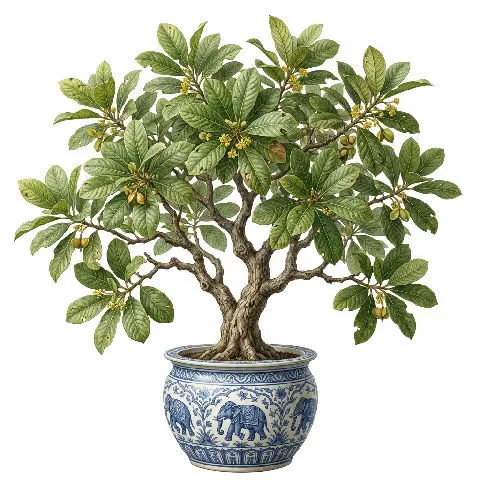
Terminalia arjuna, commonly known as Arjun, is a majestic deciduous tree belonging to the Combretaceae family, widely revered for its distinctive botanical attributes and extensive medicinal value. Native to the Indian subcontinent, this species thrives in diverse ecological niches, particularly along riverbanks, in ravines, and within dry deciduous forests, often indicating the presence of water. It can be found at altitudes up to 1,200 meters across sub-Himalayan regions, including Uttar Pradesh, Punjab, Deccan, South Bihar, Orissa, West Bengal, and Madhya Pradesh.
The Arjun tree typically reaches a height of 20-30 meters, characterized by a broad, horizontally spreading crown and gracefully drooping branches that form a unique silhouette. Its most striking feature is its remarkably smooth, grey or pinkish-white bark, which exfoliates in large, thin, irregular flakes, revealing a fresh, soft, reddish layer beneath. This bark is the primary part harvested for its profound therapeutic properties.
The foliage of Terminalia arjuna consists of simple, coriaceous leaves, typically oblong or elliptic, measuring about 10-15 cm in length and 4-7 cm in width. The leaf margins can be entire or finely toothed, supported by a short petiole, with a pale to dark green upper surface and a lighter pale brown underside.
From April to July, the tree produces small, inconspicuous yellowish-white flowers, which are sessile and bisexual, arranged in short axillary spikes or grouped into terminal panicles. Following this, from September to November, the tree develops its distinctive fruits—woody, obovate-oblong drupes 2.5-5 cm long, characterized by a smooth skin and five prominent, fibrous wings that aid in their dispersal.
Trusted Scientific References
1. Authoritative external sources for Terminalia arjuna
1.1 Wikipedia — Terminalia arjuna
1.2 Kew POWO (Plants of the World Online)
1.3 PubMed — peer-reviewed research
1.4 NCBI Taxonomy Browser
1.5 GBIF — Global Biodiversity
1.6Arjun should be interpreted through verified botanical identity, practical care, and responsible safety language. This recovery note adds the missing context needed for a complete profile: match light to the plant's habit, use well-drained soil, water according to season, and avoid unsupported medicinal or edible claims. For publishing, the plant can be presented as a source-backed medicinal plant with clear care guidance, common problem diagnosis, and conservative safety wording.
1.1.Arjun — Highlights
- ✓Cardioprotective Powerhouse — Primary traditional use for strengthening and protecting the heart.
- ✓Rich Phytochemical Profile — Abundant in saponins, flavonoids, and tannins contributing to its efficacy.
- ✓Distinctive Bark — Smooth, greyish-white bark that exfoliates in flakes, revealing a reddish underlayer.
- ✓Native to Indian Subcontinent — Deeply rooted in Ayurvedic medicine and cultural heritage.
- ✓Supports Oral Health — Emerging scientific interest in its antimicrobial and anti-inflammatory properties for periodontal therapy.
- ✓Antioxidant & Anti — inflammatory — Potent activity against oxidative stress and systemic inflammation.
- ✓Lipid & Blood Pressure Regulation — Helps maintain healthy cholesterol levels and normal blood pressure.
- ✓Eco — friendly Cultivation — Can be sustainably harvested, promoting ecological balance.
- ✓Versatile Preparations — Used in various forms including powders, decoctions, and standardized extracts.
- ✓Ancient Ayurvedic Herb — Referenced in classical texts like Charaka Samhita and Sushruta Samhita for millennia.
1.2.Arjun — At-a-Glance Summary
- ✓Terminalia arjuna is a renowned cardioprotective tree native to the Indian subcontinent.
- ✓Its bark is the primary medicinal part, rich in triterpenoid saponins, flavonoids, and tannins.
- ✓Historically used in Ayurveda for heart health, it also offers antioxidant, anti-inflammatory, and antimicrobial benefits.
- ✓Modern research supports its role in managing cardiovascular diseases and emerging applications in oral health.
- ✓Available as powder, decoction, extracts, and supplements for various therapeutic uses.
- ✓Requires careful consideration of dosage, potential side effects, and interactions with medications.
2.Arjun — Scientific Identity
3.Arjun — Fact Sheet
4.Arjun — Botanical Description
5.Arjun — Native Range & Habitat
6.Arjun — Traditional Uses
7.Arjun — Chemical Profile
- ✓Triterpenoid Saponins — Key compounds like arjunolic acid, arjungenin, arjunetin, and arjunosides are responsible for much of Arjun's cardioprotective and anti-inflammatory activity.
- ✓Flavonoids — Including baicalin, quercetin, and kaempferol, these compounds provide potent antioxidant and anti-inflammatory benefits, supporting cardiovascular health and cellular protection.
- ✓Tannins — Gallic acid, ellagic acid, and other hydrolyzable tannins contribute to the bark's astringent, antioxidant, and antimicrobial properties, beneficial for wound healing and oral health.
- ✓Glycosides — Cardiotonic glycosides found in Terminalia arjuna contribute to its ability to strengthen heart muscle contractions and improve cardiac efficiency.
- ✓Phytosterols — Compounds like beta-sitosterol are present, which are known for their cholesterol-lowering effects and anti-inflammatory actions.
- ✓Minerals — The bark contains essential minerals such as calcium, magnesium, zinc, and copper, which are vital for various physiological functions, including heart rhythm and bone health.
- ✓Oligomeric Proanthocyanidins (OPCs) — These powerful antioxidants contribute to vascular health by strengthening blood vessels and improving circulation.
- ✓Phenolic Acids — Various phenolic acids contribute to the plant's overall antioxidant capacity and protective effects against oxidative damage.
- ✓Sugars — Natural sugars are present, though not directly medicinal, they are part of the overall bark matrix.
8.Arjun — Evidence-Based Benefits
- ✓Cardioprotective Action — Arjun bark is widely renowned for its ability to strengthen cardiac muscle, improve blood flow, and protect the heart from various ailments, making it a cornerstone in Ayurvedic cardiovascular therapy.
- ✓Antioxidant Support — Rich in flavonoids and tannins, Terminalia arjuna combats oxidative stress by neutralizing free radicals, thereby protecting cellular integrity and reducing the risk of chronic diseases.
- ✓Anti-inflammatory Properties — Its active compounds help mitigate systemic inflammation, which is beneficial for conditions ranging from general aches to specific inflammatory disorders like periodontal disease.
- ✓Lipid-Lowering Effects — Arjun helps regulate cholesterol and triglyceride levels, contributing to healthier arterial function and reducing the risk of atherosclerosis and related cardiovascular complications.
- ✓Blood Pressure Regulation — By promoting vasodilation and supporting overall heart function, it aids in maintaining healthy blood pressure levels, offering a natural approach to hypertension management.
- ✓Wound Healing Acceleration — The bark exhibits astringent and healing properties, making it useful in traditional medicine for treating wounds, ulcers, and external skin conditions by promoting tissue regeneration.
- ✓Antimicrobial Activity — Studies indicate that Terminalia arjuna possesses antimicrobial properties, effective against various pathogens, which supports its use in oral health to manage bacterial colonization.
- ✓Periodontal Health — Specifically, its anti-inflammatory and antimicrobial actions make it a promising natural agent for managing gingivitis and periodontitis, reducing inflammation and bacterial load in gum tissues.
- ✓Hepatic Protection — Arjun has been observed to offer protective effects on the liver, aiding in detoxification processes and supporting overall liver health against various toxins.
- ✓Anti-diabetic Potential — Emerging research suggests that Arjun may assist in blood sugar regulation, offering potential benefits for individuals managing type 2 diabetes by improving glucose metabolism.
- ✓Diuretic Action — It can promote diuresis, helping the body eliminate excess fluids and supporting kidney function, which can be beneficial in certain cardiovascular conditions.
8.1.Arjun — Health Applications
9.Arjun — Safety Considerations
9.1.Arjun — Possible Adverse Reactions
- ✓Digestive Upset — Some individuals may experience mild gastrointestinal discomfort, such as nausea, constipation, or diarrhea, especially with high doses.
- ✓Hypotension — Due to its blood pressure-lowering effects, excessive intake could lead to hypotension (low blood pressure) in susceptible individuals.
- ✓Drug Interactions — May interact with blood thinners, blood pressure medications, or other cardiovascular drugs, potentially potentiating their effects.
- ✓Allergic Reactions — Rare instances of allergic reactions, including skin rashes or itching, have been reported.
- ✓Liver Enzyme Elevation — In very rare cases, high doses or prolonged use might lead to elevated liver enzymes, though generally considered hepatoprotective.
- ✓Blood Sugar Alteration — May influence blood glucose levels, requiring monitoring for individuals with diabetes, especially if on medication.
- ✓Dizziness — Hypotension or other physiological changes could potentially cause dizziness or lightheadedness.
9.2.Arjun — Safety Profile
- ✓Pregnancy and Lactation — Not recommended for use during pregnancy or breastfeeding due to insufficient safety data.
- ✓Pre-existing Heart Conditions — Individuals with severe heart conditions should consult a cardiologist before using Arjun, especially if on prescription medications.
- ✓Blood Pressure Monitoring — Those with hypotension or on antihypertensive drugs should monitor blood pressure closely to avoid excessive lowering.
- ✓Diabetes Management — Diabetics should use Arjun with caution and under medical supervision, as it may affect blood glucose levels.
- ✓Surgery — Discontinue use at least two weeks before any scheduled surgery due to potential effects on blood clotting and blood pressure.
- ✓Children — Generally not recommended for pediatric use without professional medical advice.
- ✓Professional Guidance — Always consult a qualified healthcare practitioner or medical herbalist before initiating Arjun supplementation, especially for chronic conditions or concurrent medication use.
10.Arjun — Preparations & Uses
- ✓Bark Powder — The most common form; dried bark is finely powdered and taken orally with water, milk, or honey, often 1-3 grams twice daily.
- ✓Decoction — Coarsely crushed bark is boiled in water until reduced, then strained and consumed, offering a potent liquid extract.
- ✓Tincture/Extract — Alcohol-based extracts or concentrated liquid extracts are available for more controlled dosing and convenience.
- ✓Ghee Infusion (Arjun Ghrita) — Bark powder is cooked with ghee, enhancing bioavailability and delivering its benefits through a traditional Ayurvedic preparation.
- ✓Local Application — A paste made from bark powder and water can be applied externally for wound healing, skin conditions, or as a gum massage for oral health.
- ✓Tablets/Capsules — Standardized extracts or bark powder are encapsulated for ease of administration and precise dosage.
- ✓Tea — Dried bark pieces can be steeped in hot water to make a medicinal tea, providing a milder, regular intake.
11.Arjun — Cultivation & Care
- ✓Climate and Soil — Thrives in tropical to subtropical climates with well-drained, deep loamy or alluvial soils, ideally near water sources.
- ✓Propagation — Primarily propagated through seeds, which require pre-treatment like scarification or soaking for better germination rates.
- ✓Planting — Saplings are typically planted at the onset of the monsoon season, ensuring adequate moisture for establishment.
- ✓Watering — Young trees require regular watering; mature trees are relatively drought-tolerant but benefit from consistent moisture.
- ✓Sunlight — Prefers full sun exposure for optimal growth and development.
- ✓Pruning — Minimal pruning is required, mainly for shaping or removing dead/diseased branches.
- ✓Harvesting — The bark is harvested sustainably, typically from mature trees (5+ years old) by making incisions without girdling the tree, allowing for regeneration.
- ✓Pests and Diseases — Generally robust, but susceptible to common tree pests and fungal diseases, managed through organic practices.
Reviewed by the Flora Medical Global Botanical Review Panel
Multi-disciplinary editorial group · Botany · Ethnobotany · Herbal-medicine literature
Who reviewed this: This page was checked by the Flora Medical Global Botanical Review Panel — an in-house editorial group of botany graduates, ethnobotany researchers, and horticulture practitioners who collectively maintain our 7,000+ plant encyclopedia. Meet the team.
Our 4-step verification process
1. Taxonomic verification
Scientific names and synonyms cross-checked against Kew POWO, World Flora Online, and The Plant List.
2. Phytochemical & medicinal cross-reference
Active compounds, traditional uses, and reported activities are cross-referenced with PubMed, USDA Dr. Duke's database, and peer-reviewed ethnobotanical literature.
3. Conservation & distribution check
Distribution, ecology, and conservation status confirmed against GBIF occurrence records and the IUCN Red List.
4. Editorial & safety review
Every entry passes an editorial pass for clarity, originality, and safety notices (toxicity, contraindications, dosage caveats) before publication.
Last reviewed:
Important medical disclaimer: This content is for educational and research purposes only. It is not medical advice and is not a substitute for consultation with a licensed healthcare provider. Do not use any herb to self-treat a medical condition without professional guidance.
Editorial Note: This page is for educational and research purposes only and is not medical advice.
Written by: Flora Medical Global Editorial Team
Reviewed by: Flora Medical Global Botanical Review Panel
Last Updated: June 16, 2026





Arjun — Comments & Community Reviews
Rate this plant