
Medical Disclaimer: This content is for educational purposes only. It is not medical advice. Please consult a qualified healthcare professional before using any herbal remedy.
Safety Overview
1.Arni — Essential Profile
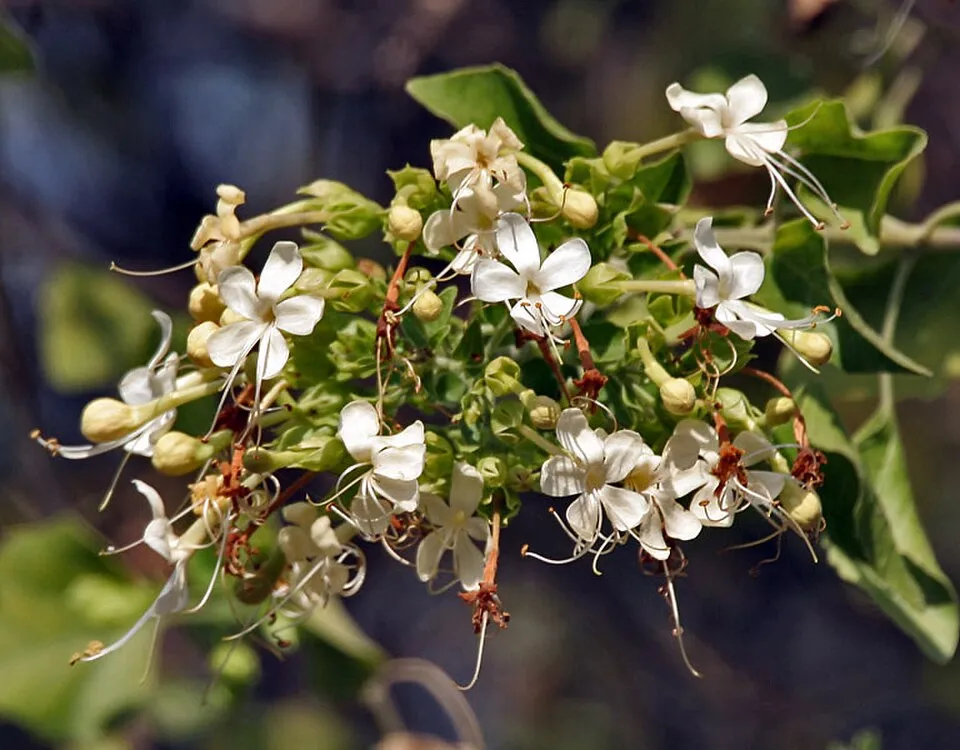
Clerodendrum phlomidis, commonly known as Arni or Agnimantha, is a significant medicinal plant traditionally valued across tropical and subtropical Asia, particularly in India and Sri Lanka. This resilient species thrives in arid and semi-arid environments, typically presenting as a deciduous to semi-evergreen shrub, though it can mature into a small tree, reaching heights of 1 to 5 meters.
Its classification within the Lamiaceae family, a reclassification from its historical placement in Verbenaceae, highlights its botanical relationships. The Sanskrit name 'Agnimantha' profoundly translates to 'churner of fire,' symbolizing its traditional role in igniting 'digestive fire' (Agni) and stimulating metabolic functions, alongside its historical utility in fire generation through friction.
Morphologically, Arni features woody stems with pale, often furrowed bark that develops more texture with age. Its leaves are simple, opposite, ovate to elliptic-ovate, characterized by serrated margins and a distinct venation pattern, often exhibiting slight pubescence on the underside. This adaptation aids its survival in drier climates.
The plant's robust, fibrous root system efficiently extracts moisture and nutrients from challenging soils. Arni produces distinctive, often fragrant white flowers arranged in terminal or axillary cymes. These bilabiate flowers, characteristic of the Lamiaceae family, possess prominent stamens that attract various pollinators, including butterflies and bees.
Post-pollination, the flowers yield small, globose drupes that mature from green to a dark, typically black, color, containing minute seeds. The genus Clerodendrum is extensive, encompassing approximately 500 species globally, with a strong presence in tropical Africa and southern Asia.
Trusted Scientific References
1. Authoritative external sources for Clerodendrum phlomidis
1.1 Wikipedia — Clerodendrum phlomidis
1.2 Kew POWO (Plants of the World Online)
1.3 PubMed — peer-reviewed research
1.4 NCBI Taxonomy Browser
1.5 GBIF — Global Biodiversity
1.1.Arni — Highlights
- ✓Traditional Ayurvedic Significance — Central to Ayurvedic medicine, particularly as part of the 'Dashamoola' group, known for its deep-rooted healing properties.
- ✓'Agnimantha' — Sanskrit name meaning 'churner of fire,' reflecting its traditional role in enhancing digestive and metabolic 'Agni'.
- ✓Adaptogenic Qualities — Supports the body's ability to adapt to various stressors and maintain physiological balance.
- ✓Anti — inflammatory Powerhouse — Contains potent compounds like diterpenoids and flavonoids that actively reduce inflammation throughout the body.
- ✓Antioxidant Rich — Abundant in phytochemicals that combat oxidative stress, protecting cells from damage and supporting longevity.
- ✓Resilient Growth — A hardy shrub or small tree, well-adapted to arid and semi-arid environments, making it ecologically robust.
- ✓Distinctive Morphology — Features characteristic bilabiate white flowers and ovate, serrated leaves, typical of the Lamiaceae family.
- ✓Broad Spectrum of Benefits — Addresses a wide range of health concerns from digestion and pain to liver health and respiratory support.
- ✓Phytochemical Diversity — A rich source of various secondary metabolites including terpenoids, flavonoids, and phenylethanoid glycosides.
- ✓Ethnomedical Importance — Widely used in folk medicine across India, China, and other parts of Asia for diverse ailments.
1.2.Arni — At-a-Glance Summary
- ✓Arni (Clerodendrum phlomidis) is a revered Ayurvedic herb, known as 'Agnimantha' for stimulating digestion.
- ✓It belongs to the Lamiaceae family, native to tropical Asia, thriving in arid conditions.
- ✓Rich in diterpenoids, flavonoids, and triterpenoids, offering anti-inflammatory, antioxidant, and hepatoprotective benefits.
- ✓Traditionally used for digestive issues, pain, inflammation, and respiratory support.
- ✓Requires well-drained soil and full sun for cultivation, propagated by seeds or cuttings.
- ✓Caution advised for pregnant/nursing women, children, and those on specific medications.
2.Arni — Nomenclature & Classification
3.Arni — Key Data
4.Arni — Physical Description
5.Arni — Native Range & Habitat
6.Arni — Traditional Uses
7.Arni — Key Phytochemicals
- ✓Diterpenoids — Clerodane diterpenoids, such as clerodin, are prominent. These compounds are largely responsible for the plant's anti-inflammatory and cytotoxic activities, influencing cell signaling pathways.
- ✓Triterpenoids — Compounds like oleanolic acid and ursolic acid are present, contributing to the plant's anti-inflammatory, hepatoprotective, and anticancer properties by inhibiting pro-inflammatory enzymes.
- ✓Flavonoids and Flavonoid Glycosides — Quercetin, luteolin, and their glycosides are found, acting as potent antioxidants, anti-inflammatory agents, and contributing to cardiovascular health by protecting against oxidative damage.
- ✓Phenylethanoid Glycosides — Verbascoside (acteoside) is a notable example, known for its strong antioxidant, anti-inflammatory, and neuroprotective effects, often found in plants with similar traditional uses.
- ✓Steroids and Steroid Glycosides — Beta-sitosterol and its glycosides are common, playing roles in anti-inflammatory responses and potentially contributing to cholesterol-lowering effects.
- ✓Monoterpenes and Derivatives — These volatile compounds contribute to the plant's aroma and may possess antimicrobial, anti-inflammatory, and insecticidal properties, acting on microbial cell membranes.
- ✓Sesquiterpenes — Another class of volatile compounds, sesquiterpenes, contribute to the plant's defense mechanisms and may exhibit anti-inflammatory and cytotoxic activities.
- ✓Cyclohexylethanoids — These unique compounds are found in the genus and are being investigated for various biological activities, potentially contributing to the plant's overall therapeutic profile.
- ✓Anthraquinones — While less prominent, certain anthraquinones may be present, contributing to laxative effects or antimicrobial properties, influencing gut motility and microbial growth.
- ✓Cyanogenic Glycosides — Present in some Clerodendrum species, these compounds release hydrogen cyanide upon hydrolysis, acting as plant defense mechanisms, though their medicinal role is debated.
8.Arni — Evidence-Based Benefits
- ✓Digestive Stimulation — Arni is traditionally revered as 'Agnimantha' for its ability to kindle digestive fire (Agni), thereby improving appetite, digestion, and metabolic processes, which is crucial for nutrient assimilation.
- ✓Anti-inflammatory Properties — Extracts from Clerodendrum phlomidis have demonstrated potent anti-inflammatory effects, potentially useful in managing conditions like arthritis, rheumatism, and general bodily inflammation by modulating inflammatory pathways.
- ✓Analgesic (Pain-Relieving) Action — The plant exhibits anti-nociceptive properties, helping to alleviate various types of pain, including those associated with inflammatory conditions, making Arni a natural pain management aid.
- ✓Antioxidant Activity — Rich in various phytochemicals, Arni acts as a strong antioxidant, scavenging free radicals and protecting cells from oxidative stress, thus contributing to overall cellular health and disease prevention.
- ✓Hepatoprotective Effects — Traditional uses and modern studies suggest Arni may protect the liver from damage caused by toxins and oxidative stress, supporting liver function and detoxification processes.
- ✓Hypoglycemic Potential — Research indicates that Arni may help in lowering blood glucose levels, making it a potential adjunct therapy for managing diabetes by improving insulin sensitivity or glucose metabolism.
- ✓Hypolipidemic Benefits — The plant has shown promise in reducing elevated lipid levels, including cholesterol and triglycerides, which can contribute to cardiovascular health and prevent conditions like atherosclerosis.
- ✓Antimicrobial Action — Arni possesses antimicrobial properties against various pathogens, offering potential benefits in combating bacterial and fungal infections, both internally and externally.
- ✓Respiratory Support — Traditionally used for respiratory ailments, Arni may help in alleviating symptoms of asthma, cough, and cold due to its anti-inflammatory and bronchodilatory effects.
- ✓Neuroprotective Qualities — Some constituents in the Clerodendrum genus are being investigated for their neuroprotective and memory-enhancing effects, potentially supporting cognitive function and neuronal health.
- ✓Antihypertensive Potential — Studies on certain Clerodendrum species suggest a role in managing hypertension, possibly through vasodilation or other cardiovascular regulatory mechanisms.
- ✓Immunomodulatory Effects — Arni may help in modulating the immune system, enhancing the body's natural defense mechanisms against various infections and diseases.
8.1.Arni — Health Applications
9.Arni — Safety & Side Effects
9.1.Arni — Warnings
- ✓Allergic Reactions — Individuals sensitive to Lamiaceae family plants may experience allergic reactions, including skin rashes or respiratory symptoms.
- ✓Gastrointestinal Upset — High doses or prolonged use might lead to mild stomach discomfort, nausea, or diarrhea in some sensitive individuals.
- ✓Drug Interactions — Arni may interact with medications, particularly those for diabetes (hypoglycemic agents), hypertension, or blood thinners, due to its potential effects on blood sugar, blood pressure, and coagulation.
- ✓Hypotension — Due to its potential antihypertensive effects, individuals with naturally low blood pressure should use Arni with caution.
- ✓Pregnancy and Lactation — Lack of sufficient research necessitates avoidance during pregnancy and breastfeeding, as its effects on fetal development or infant health are unknown.
- ✓Liver Enzyme Elevation — In rare cases, extremely high doses or prolonged use of certain herbal extracts can impact liver enzymes, though specific data for Arni is limited.
9.2.Arni — Clinical Safety Notes
- ✓Professional Guidance — Always consult a qualified healthcare practitioner or medical herbalist before using Arni, especially if you have pre-existing health conditions or are on medication.
- ✓Pregnancy and Breastfeeding — Avoid use during pregnancy and lactation due to insufficient safety data and potential effects on hormonal balance or uterine contractions.
- ✓Children — Not recommended for infants or young children without explicit medical supervision, as dosage and safety profiles are not well-established.
- ✓Dosage Adherence — Strictly follow recommended dosages from a qualified practitioner or product label to minimize the risk of adverse effects.
- ✓Allergic Sensitivity — Discontinue use immediately if any signs of allergic reaction, such as itching, rash, or difficulty breathing, occur.
- ✓Chronic Conditions — Individuals with chronic diseases, especially diabetes, hypertension, or liver disorders, should exercise extreme caution and monitor their health parameters closely.
- ✓Surgical Procedures — Discontinue use at least two weeks before any scheduled surgery due to potential interactions with anesthesia or blood coagulation.
10.Arni — Preparations & Uses
- ✓Decoction of Root Bark — The primary traditional method involves boiling Arni root bark in water to extract its medicinal compounds, consumed for digestive issues and inflammatory conditions.
- ✓Leaf Juice — Fresh leaves can be crushed to extract juice, which is sometimes applied topically for skin ailments or consumed orally for its anti-inflammatory benefits.
- ✓Powdered Form — Dried root bark or leaves are ground into a fine powder, often mixed with honey or warm water, used in Ayurvedic formulations for systemic effects.
- ✓Herbal Oil — Arni extracts can be infused into carrier oils for external application, particularly for joint pain, muscular aches, and skin inflammations.
- ✓Poultice — Crushed fresh leaves or a paste made from dried powder can be applied as a poultice to soothe localized swelling, skin irritations, or minor wounds.
- ✓Infusion — Dried leaves or flowers can be steeped in hot water to create an herbal infusion, consumed for milder digestive support or as a general tonic.
- ✓Ayurvedic Formulations — Arni is a key ingredient in several traditional Ayurvedic polyherbal preparations, such as 'Dashamoola,' where its properties are synergistically combined with other herbs.
11.Arni — Cultivation & Care
- ✓Climate — Prefers tropical to warm temperate climates, thriving in arid and semi-arid regions with ample sunlight.
- ✓Soil — Adaptable to various soil types but prefers well-drained, sandy-loam to loamy soils with a neutral to slightly alkaline pH.
- ✓Sunlight — Requires full sun exposure for optimal growth and flowering, needing at least 6-8 hours of direct sunlight daily.
- ✓Watering — Drought-tolerant once established; water moderately, allowing soil to dry out between waterings. Avoid waterlogging.
- ✓Propagation — Can be propagated effectively from seeds, which should be sown in spring, or from semi-hardwood stem cuttings taken during the growing season.
- ✓Pruning — Benefits from light pruning to maintain shape, encourage bushier growth, and remove dead or diseased branches, typically performed after flowering.
- ✓Fertilization — Generally low-maintenance; a balanced, slow-release fertilizer can be applied annually in spring, especially in nutrient-poor soils.
- ✓Pests and Diseases — Relatively resistant to most pests and diseases, though occasional issues with aphids or mealybugs can occur, treatable with organic insecticides.
Reviewed by the Flora Medical Global Botanical Review Panel
Multi-disciplinary editorial group · Botany · Ethnobotany · Herbal-medicine literature
Who reviewed this: This page was checked by the Flora Medical Global Botanical Review Panel — an in-house editorial group of botany graduates, ethnobotany researchers, and horticulture practitioners who collectively maintain our 7,000+ plant encyclopedia. Meet the team.
Our 4-step verification process
1. Taxonomic verification
Scientific names and synonyms cross-checked against Kew POWO, World Flora Online, and The Plant List.
2. Phytochemical & medicinal cross-reference
Active compounds, traditional uses, and reported activities are cross-referenced with PubMed, USDA Dr. Duke's database, and peer-reviewed ethnobotanical literature.
3. Conservation & distribution check
Distribution, ecology, and conservation status confirmed against GBIF occurrence records and the IUCN Red List.
4. Editorial & safety review
Every entry passes an editorial pass for clarity, originality, and safety notices (toxicity, contraindications, dosage caveats) before publication.
Last reviewed:
Important medical disclaimer: This content is for educational and research purposes only. It is not medical advice and is not a substitute for consultation with a licensed healthcare provider. Do not use any herb to self-treat a medical condition without professional guidance.
Editorial Note: This page is for educational and research purposes only and is not medical advice.
Written by: Flora Medical Global Editorial Team
Reviewed by: Flora Medical Global Botanical Review Panel
Last Updated: June 16, 2026





Arni — Comments & Community Reviews
Rate this plant