

Medical Disclaimer: This content is for educational purposes only. It is not medical advice. Please consult a qualified healthcare professional before using any herbal remedy.
Safety Overview
1.Artichoke Leaf — Essential Profile

Artichoke Leaf, derived from the distinguished perennial plant Cynara cardunculus, is a botanical marvel deeply rooted in the rich history of the Mediterranean basin. A prominent member of the Asteraceae family, also known as the daisy or sunflower family, this robust plant is celebrated for its imposing stature and distinctive morphology. Its basal leaves are notably large, deeply incised with characteristic lobes, and often feature subtle spines, presenting a striking silvery-green to grayish-green hue. This unique coloration is due to a dense covering of fine, protective hairs that give the leaves a slightly fuzzy texture. These extensive leaves form a dramatic rosette close to the ground, from which a tall, sturdy stem ascends, culminating in a large, thistle-like flower head. While the immature flower bud is a widely acclaimed culinary delicacy, it is the more fibrous and distinctly bitter leaf tissue, particularly harvested from the mature lower leaves, that concentrates the most potent medicinal compounds.
The plant's deep, widespread root system provides remarkable resilience, enabling it to thrive in its native arid and semi-arid Mediterranean climates across Southern Europe, North Africa, and the Canary Islands. Taxonomically, Cynara cardunculus encompasses both the familiar globe artichoke (C. cardunculus var. scolymus) and the cardoon (C. cardunculus var. altilis), underscoring their close genetic kinship.
Its historical significance as both a medicinal and culinary plant spans millennia. Ancient civilizations, including the Egyptians, Greeks, and Romans, esteemed it not merely as a food source but also for its perceived therapeutic properties, particularly for supporting digestive function and liver health. Theophrastus, often hailed as the 'father of botany', documented a thistle-like plant with diuretic qualities that some scholars connect to the artichoke. Later, influential medieval Arabic physicians, such as Ibn al-Baytar, further chronicled its use for bolstering liver function and alleviating a range of gastrointestinal disturbances. By the 16th and 17th centuries, its reputation as a formidable liver tonic was firmly established across European herbal traditions.
Trusted Scientific References
Authoritative external sources for Cynara cardunculus:
1.1.Artichoke Leaf — Highlights
- ✓Botanical Name — Cynara cardunculus
- ✓Primary Part Used — Leaf (for medicinal purposes)
- ✓Key Active Compounds — Cynarin, Chlorogenic Acid, Luteolin
- ✓Main Actions — Choleretic, Hepatoprotective, Hypolipidemic, Antioxidant
- ✓Traditional Uses — Liver tonic, digestive stimulant, diuretic
- ✓Plant Family — Asteraceae (Daisy/Sunflower family)
- ✓Native Habitat — Mediterranean Basin
- ✓Culinary Use — Immature flower bud (globe artichoke)
- ✓Common Names — Globe Artichoke, Cardoon, Alcaucil
- ✓Growth Habit — Robust perennial with large, silvery-green leaves
1.2.Artichoke Leaf — Snapshot Summary
- ✓Potent Liver & Digestive Support from a Mediterranean herb.
- ✓Rich in Antioxidants like Cynarin and Chlorogenic Acid.
- ✓Clinically studied for Cholesterol Management and Dyspepsia.
- ✓Deep historical roots in ancient and traditional medicine.
- ✓Caution advised for individuals with gallstones or Asteraceae allergies.
- ✓Available in various forms, including extracts, teas, and capsules.
2.Artichoke Leaf — Scientific Identity
3.Artichoke Leaf — Categories & Tags
4.Artichoke Leaf — Physical Description
5.Artichoke Leaf — Traditional Uses
6.Artichoke Leaf — Key Phytochemicals
- ✓Caffeoylquinic Acids — Key compounds include cynarin (1,3-dicaffeoylquinic acid) and chlorogenic acid, renowned for their potent choleretic, hepatoprotective, and hypolipidemic activities.
- ✓Flavonoids — Significant flavonoids such as luteolin, apigenin, and their glycosides contribute to the plant's antioxidant, anti-inflammatory, and potentially anticarcinogenic properties.
- ✓Sesquiterpene Lactones — Compounds like cynaropicrin are responsible for the characteristic bitter taste and may possess anti-inflammatory and antimicrobial effects.
- ✓Phytosterols — Beta-sitosterol and stigmasterol are present, which can contribute to cholesterol-lowering effects by inhibiting cholesterol absorption in the gut.
- ✓Tannins — These astringent compounds provide antioxidant properties and may have protective effects on the gastrointestinal lining.
- ✓Inulin — A soluble dietary fiber, particularly concentrated in the root, that acts as a prebiotic, supporting gut microbiota health and aiding digestion.
- ✓Vitamins — Contains various vitamins, including Vitamin C (ascorbic acid) for immune support, B vitamins for metabolic processes, and Vitamin K for blood clotting and bone health.
- ✓Minerals — Rich in essential minerals such as potassium, magnesium, calcium, and iron, vital for numerous physiological functions.
- ✓Triterpenes — Compounds with potential anti-inflammatory and hepatoprotective activities.
- ✓Essential Oils — Present in small quantities, contributing to the plant's aroma and potential antimicrobial effects.
7.Artichoke Leaf — Scientific Evidence
- ✓Indigestion (Dyspepsia) Relief — Artichoke leaf extract significantly reduces symptoms of indigestion, including nausea, vomiting, gas, and stomach pain, by promoting bile flow and exhibiting antispasmodic effects.
- ✓Cholesterol Management — Clinical studies indicate that artichoke extract can help lower total and low-density lipoprotein (LDL or 'bad') cholesterol levels by inhibiting cholesterol biosynthesis and increasing bile acid excretion.
- ✓Liver Protection (Hepatoprotective) — Rich in antioxidants, artichoke leaf protects liver cells from damage caused by toxins and oxidative stress, supporting overall liver function and regeneration.
- ✓Digestive Aid — It acts as a choleretic and cholagogue, stimulating the production and flow of bile from the liver and gallbladder, which aids in fat digestion and nutrient absorption.
- ✓Irritable Bowel Syndrome (IBS) Symptom Reduction — Some research suggests artichoke leaf extract can alleviate common IBS symptoms such as abdominal pain, bloating, and discomfort, improving quality of life.
- ✓Antioxidant Support — The plant is abundant in phenolic compounds and flavonoids that scavenge free radicals, reducing oxidative stress throughout the body and protecting cellular integrity.
- ✓Blood Pressure Regulation — Preliminary evidence suggests a potential hypotensive effect, which may contribute to maintaining healthy blood pressure levels.
- ✓Blood Sugar Modulation — Artichoke leaf may help in managing blood sugar levels by influencing glucose metabolism, although more research is needed to confirm this benefit.
- ✓Gallbladder Support — By encouraging healthy bile flow, it can assist in preventing bile stagnation, though caution is advised for individuals with existing gallstones or bile duct obstructions.
- ✓Anti-inflammatory Properties — Certain compounds within artichoke leaf possess anti-inflammatory actions, which may help mitigate inflammation-related conditions.
7.1.Artichoke Leaf — Indications & Uses
8.Artichoke Leaf — Cautions & Contraindications
8.1.Artichoke Leaf — Side Effects & Warnings
- ✓Gastrointestinal Upset — May cause mild side effects such as gas, bloating, stomach pain, nausea, or diarrhea in some individuals.
- ✓Allergic Reactions — Individuals sensitive to plants in the Asteraceae/Compositae family (e.g., ragweed, daisies, chrysanthemums) may experience allergic reactions.
- ✓Heartburn or Acid Reflux — Increased bile flow, while generally beneficial, can occasionally exacerbate symptoms of heartburn in susceptible people.
- ✓Skin Irritation — Direct contact with the plant's sap or spines can rarely cause mild skin irritation or dermatitis.
- ✓Increased Bile Flow Complications — In individuals with pre-existing gallstones or bile duct obstructions, the increased bile flow could potentially worsen their condition.
8.2.Artichoke Leaf — Safety Profile
- ✓Pregnancy and Breastfeeding — Insufficient reliable information exists regarding the safety of medicinal doses during pregnancy or lactation; it is best to limit intake to food amounts.
- ✓Bile Duct Obstruction — Artichoke is contraindicated in cases of bile duct obstruction as it can exacerbate the condition by promoting increased bile flow.
- ✓Allergies to Asteraceae Family — Individuals with known allergies to ragweed, chrysanthemums, marigolds, daisies, or other members of the Asteraceae/Compositae family should avoid artichoke due to potential cross-reactivity.
- ✓Gallstones — Use with extreme caution in individuals with gallstones, as increased bile flow might trigger or worsen symptoms; consult a healthcare provider.
- ✓Drug Interactions — May interact with medications metabolized by the liver (CYP2B6, CYP2C19 substrates), antidiabetic drugs (potentiating hypoglycemia), and antihypertensive medications (potentiating hypotension).
- ✓Duration of Use — Medicinal artichoke extracts are generally considered possibly safe for up to 12 weeks; long-term safety beyond this period requires further research.
- ✓Consult Healthcare Provider — Always seek advice from a qualified healthcare professional before using artichoke as a medicine, especially if you have underlying health conditions or are taking other medications.
9.Artichoke Leaf — Preparations & Uses
- ✓Decoction/Tea — Dried artichoke leaves can be steeped in hot water to create a bitter but potent tea, traditionally consumed before meals for digestive support.
- ✓Tincture — A concentrated liquid extract made by macerating dried leaves in alcohol, allowing for precise dosing and prolonged shelf life.
- ✓Capsules/Tablets — Standardized artichoke leaf extracts are widely available in capsule or tablet form, offering convenience and consistent dosages of active compounds.
- ✓Fluid Extract — A highly concentrated liquid preparation, often used when a stronger and faster-acting effect is desired, diluted in water before consumption.
- ✓Culinary Application — While the flower bud is a renowned vegetable, the more bitter leaves are sometimes used in traditional cooking to impart a distinctive flavor, though less palatable for direct consumption.
- ✓Herbal Infusions — Beyond hot tea, cold infusions can be prepared by soaking leaves in water overnight, providing a milder taste while still extracting beneficial compounds.
- ✓Dosage Guidance — Typical doses for standardized extracts range from 320-640 mg taken orally three times daily, but always consult a healthcare provider for personalized recommendations.
10.Artichoke Leaf — Garden Cultivation
- ✓Climate Requirements — Thrives in Mediterranean-like climates with full sun exposure and mild winters; intolerant of severe frost.
- ✓Soil Preference — Prefers well-drained, fertile, deep sandy loam soil with a pH range of 6.0 to 7.0, enriched with organic matter.
- ✓Propagation Techniques — Can be propagated from seeds, root divisions (suckers or offsets) in spring, or by crown cuttings.
- ✓Planting Guidelines — Plant suckers or seedlings about 3-6 feet apart in rows, ensuring adequate space for mature plant growth.
- ✓Watering Regimen — Requires consistent, deep watering, especially during dry periods and active growth, but avoid waterlogging.
- ✓Fertilization Needs — Benefits from regular feeding with a balanced organic fertilizer or compost, particularly during the growing season.
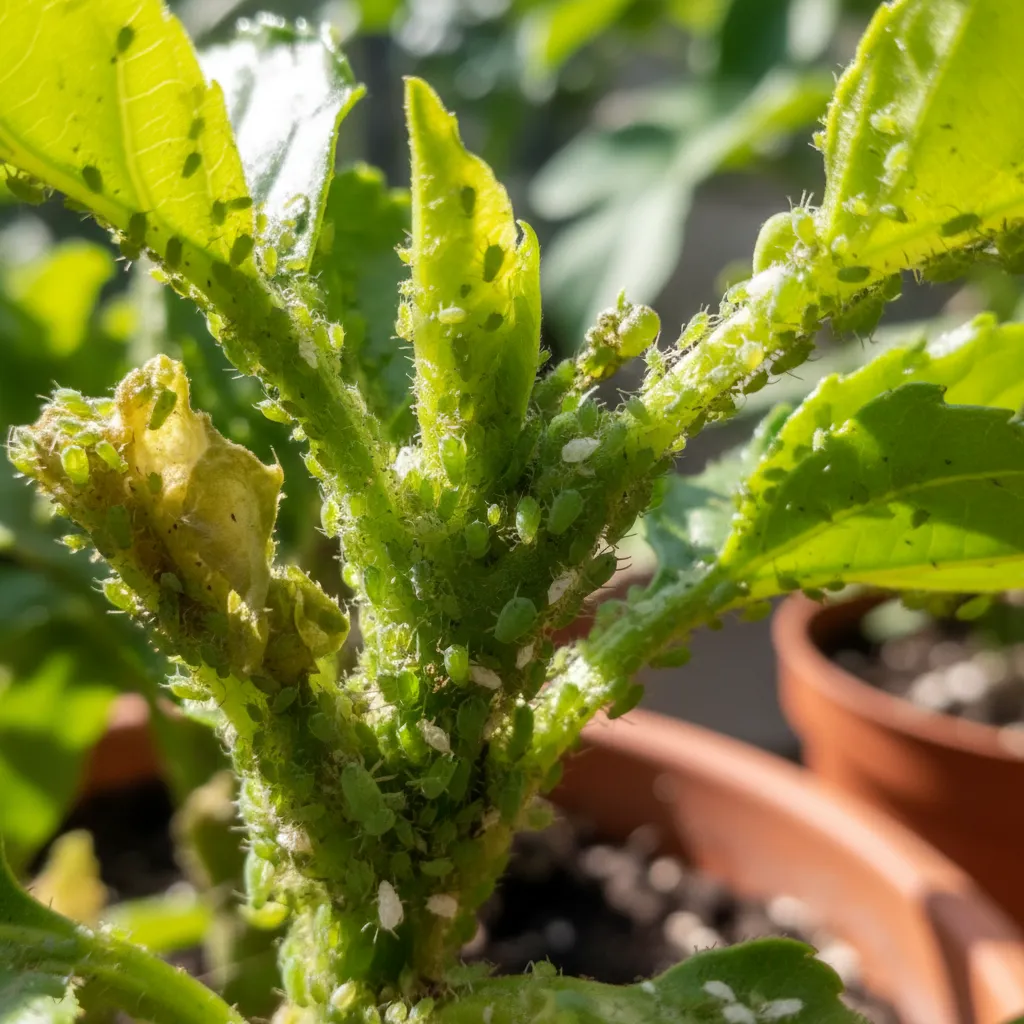
- ✓Pest and Disease Management — Monitor for common pests like aphids and slugs; susceptible to powdery mildew and root rot in poor drainage.
- ✓Harvesting Leaves — Medicinal leaves are typically harvested from mature plants before flowering, focusing on the larger, more fibrous basal leaves.
Reviewed by the Flora Medical Global Botanical Review Panel
Multi-disciplinary editorial group · Botany · Ethnobotany · Herbal-medicine literature
Who reviewed this: This page was checked by the Flora Medical Global Botanical Review Panel — an in-house editorial group of botany graduates, ethnobotany researchers, and horticulture practitioners who collectively maintain our 7,000+ plant encyclopedia. Meet the team.
Our 4-step verification process
1. Taxonomic verification
Scientific names and synonyms cross-checked against Kew POWO, World Flora Online, and The Plant List.
2. Phytochemical & medicinal cross-reference
Active compounds, traditional uses, and reported activities are cross-referenced with PubMed, USDA Dr. Duke's database, and peer-reviewed ethnobotanical literature.
3. Conservation & distribution check
Distribution, ecology, and conservation status confirmed against GBIF occurrence records and the IUCN Red List.
4. Editorial & safety review
Every entry passes an editorial pass for clarity, originality, and safety notices (toxicity, contraindications, dosage caveats) before publication.
Last reviewed:
Important medical disclaimer: This content is for educational and research purposes only. It is not medical advice and is not a substitute for consultation with a licensed healthcare provider. Do not use any herb to self-treat a medical condition without professional guidance.
Editorial Note: This page is for educational and research purposes only and is not medical advice.
Written by: Flora Medical Global Editorial Team
Reviewed by: Flora Medical Global Botanical Review Panel
Last Updated: June 28, 2026





Artichoke Leaf — Comments & Community Reviews
Rate this plant
No reviews yet. Be the first!