
Medical Disclaimer: This content is for educational purposes only. It is not medical advice. Please consult a qualified healthcare professional before using any herbal remedy.
Safety Overview
1.Ashoka Tree — Botanical Snapshot
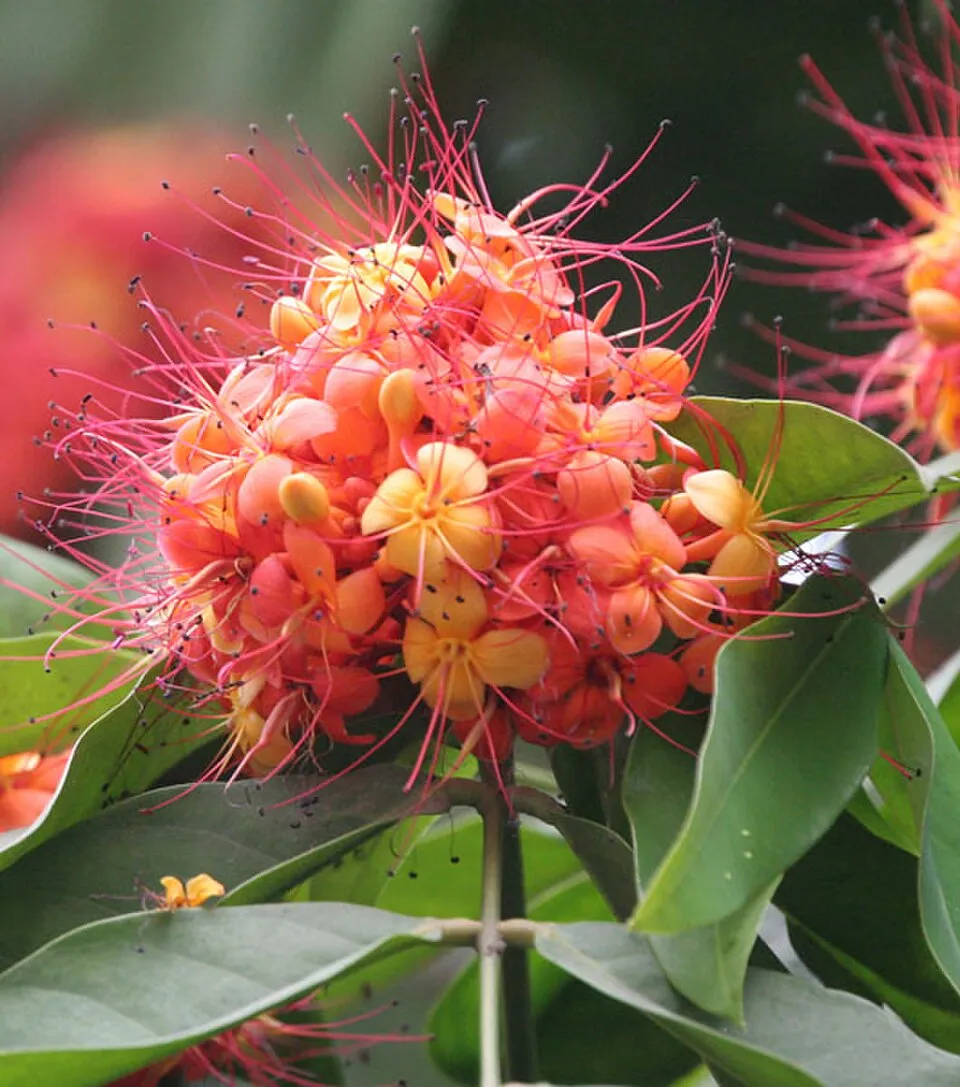
Saraca asoca, universally known as the Ashoka Tree, is a highly revered evergreen perennial belonging to the leguminous family Fabaceae. Indigenous to the Indian subcontinent, its natural habitat stretches across the central and eastern Himalayas, thriving in the moist, warm climates found along India's western coasts. This graceful, medium-sized tree typically achieves heights of 6-9 meters, distinguished by a smooth, greyish trunk that frequently broadens at the base in mature specimens.
The name 'Ashoka' itself is deeply rooted in Sanskrit, translating to 'without sorrow,' a profound testament to its ancient traditional application in alleviating women's ailments and fostering emotional well-being. Its historical significance is immense, frequently appearing in venerable Indian epics such as the Ramayana and various Buddhist scriptures, where it is often associated with fertility, love, and sacred spaces.
Botanically, the Ashoka Tree is characterized by its elegant pinnate leaves, which bear 6-12 oblong, glossy leaflets. During spring, it produces striking, dense clusters of intensely fragrant orange to red flowers, each approximately 5 cm across. These captivating blooms, notable for their prominent showy bracts rather than true petals, are not only aesthetically pleasing but also signify the plant's potent medicinal properties.
The bark, which is the primary part utilized in traditional medicine, begins as smooth but develops a rough, fissured texture with age, exhibiting a dark brown to grey exterior and a yellowish cambium layer internally. Its seeds are encased within oblong, flat pods that mature to a blackish hue. Modern scientific inquiry has increasingly validated many of Saraca asoca's traditional claims, particularly emphasizing its uterotonic, anti-inflammatory, and antioxidant capabilities.
The bark serves as a rich reservoir of diverse phytochemicals, including various flavonoids, tannins, and glycosides, which collectively contribute to its broad spectrum of pharmacological actions.
Trusted Scientific References
1. Authoritative external sources for Saraca asoca
1.1 Wikipedia — Saraca asoca
1.2 Kew POWO (Plants of the World Online)
1.3 PubMed — peer-reviewed research
1.4 NCBI Taxonomy Browser
1.5 GBIF — Global Biodiversity
1.1.Ashoka Tree — Distinguishing Points
- ✓Sacred Significance — Deeply embedded in Indian culture, ancient texts, and religious practices, symbolizing fertility and love.
- ✓Unique Floral Display — Produces striking clusters of fragrant orange to red flowers without true petals, but prominent bracts.
- ✓Primary Medicinal Part — The bark of Saraca asoca is the most utilized part, known for its potent therapeutic properties.
- ✓Uterine Tonic — Widely acclaimed in traditional medicine for its profound positive effects on female reproductive health.
- ✓Rich Phytochemistry — Contains a complex profile of bioactive compounds including flavonoids, tannins, and glycosides.
- ✓Anti — inflammatory Action — Possesses significant anti-inflammatory capabilities, beneficial for various inflammatory conditions.
- ✓Antioxidant Power — Acts as a strong antioxidant, protecting cells from damage caused by free radicals.
- ✓Evergreen Perennial — A medium-sized, long-lived tree native to the Indian subcontinent.
- ✓'Without Sorrow' — Its Sanskrit name, Ashoka, translates to 'without sorrow,' reflecting its traditional use in emotional and physical well-being.
- ✓Sustainable Harvesting — Modern practices emphasize ethical bark collection to preserve wild populations and ensure regeneration.
1.2.Ashoka Tree — Concise Overview
- ✓Ashoka Tree, or Saraca asoca, is a sacred evergreen known as the 'sorrowless tree' in Sanskrit.
- ✓Revered in Ayurveda for its profound benefits in women's reproductive health, particularly as a uterine tonic.
- ✓The bark is rich in potent phytochemicals, including flavonoids, tannins, and glycosides.
- ✓Exhibits significant anti-inflammatory, antioxidant, and uterotonic properties.
- ✓Used traditionally to regulate menstrual cycles, alleviate pain, and support uterine strength.
- ✓Requires careful dosage and professional consultation, especially for specific health conditions or during pregnancy.
2.Ashoka Tree — Nomenclature & Classification
3.Ashoka Tree — Key Data
4.Ashoka Tree — Physical Description
5.Ashoka Tree — Ecological Habitat
6.Ashoka Tree — Folk Medicine Applications
7.Ashoka Tree — Chemical Profile
- ✓Tannins — Including catechin and epicatechin, these compounds provide astringent properties, helping to tone and tighten tissues, and also offer antimicrobial effects.
- ✓Flavonoids — Such as quercetin and kaempferol, these are powerful antioxidants that reduce oxidative stress in cells, contributing to anti-inflammatory and protective actions.
- ✓Glycosides — Key examples like ashokin and quercitol are believed to pacify Pitta dosha in Ayurveda, aiding in the management of bleeding disorders and soothing inflamed mucous membranes.
- ✓Phenolic Acids — Chlorogenic acid is a notable phenolic acid that contributes to the plant's anti-inflammatory effects by inhibiting enzymes like COX-2.
- ✓Catechins and Epigallocatechin — These specific compounds support vascular integrity, potentially reducing capillary fragility, which is beneficial in cases of heavy menstrual bleeding.
- ✓Saponins — Contribute to the plant's foaming properties and may have immunomodulatory and anti-inflammatory effects.
- ✓Steroids — Present in minor amounts, these compounds can contribute to hormonal balance and anti-inflammatory responses.
- ✓Lignans — Possess antioxidant and potential phytoestrogenic activities, supporting overall cellular health and hormonal regulation.
8.Ashoka Tree — Scientific Evidence
- ✓Menstrual Regulation — Saraca asoca bark extract has been shown in small clinical trials to reduce the intensity of menstrual pain (dysmenorrhea) and help regulate irregular cycles.
- ✓Uterine Toning — Revered in Ayurveda as a powerful uterine astringent, it helps improve muscle tone, supporting uterine health and potentially preventing conditions like uterine prolapse.
- ✓Anti-inflammatory Action — Studies indicate its hydroalcoholic extracts possess significant anti-inflammatory properties, useful for reducing inflammation in various bodily systems, including the reproductive tract.
- ✓Analgesic Effects — Animal models demonstrate its potential to elevate pain thresholds, suggesting its efficacy in alleviating general pain, including menstrual cramps.
- ✓Antioxidant Support — Rich in flavonoids, Ashoka bark acts as a potent antioxidant, scavenging free radicals and protecting cells from oxidative stress and damage.
- ✓Skin Health Promotion — Topical applications of Ashoka flower water or bark paste are traditionally used to reduce acne, blemishes, and promote a healthy complexion due to its purifying and antioxidant effects.
- ✓Anti-ulcer Activity — Research in rodent models suggests gastroprotective properties, with extracts elevating mucin secretion in the gastric lining, thus preventing ulcer formation.
- ✓Phytoestrogenic Properties — Lab assays indicate mild binding to estrogen receptors, suggesting potential benefits for menopausal symptoms like hot flashes, though more human trials are needed.
- ✓Antimicrobial Potentials — In vitro tests have shown inhibitory effects against certain bacteria like Staphylococcus aureus and Escherichia coli, supporting its traditional use in wound care.
- ✓Postpartum Recovery — Traditionally used to assist in uterine recovery and toning after childbirth, helping the uterus return to its normal size and strength.
8.1.Ashoka Tree — Health Applications
9.Ashoka Tree — Cautions & Contraindications
9.1.Ashoka Tree — Side Effects & Warnings
- ✓Digestive Discomfort — May cause mild acidity, indigestion, or loose stools, particularly in individuals with a Pitta-dominant constitution or cold digestion.
- ✓Gastrointestinal Irritation — High doses (exceeding 10 grams of bark per day) can potentially irritate the gastrointestinal lining.
- ✓Blood Thinning Interactions — Tannins present in Ashoka bark may affect blood clotting, necessitating caution and medical consultation if on anticoagulants like warfarin or NSAIDs.
- ✓Hypersensitivity Reactions — Rare cases of allergic reactions, such as skin rashes or itching, may occur in sensitive individuals.
- ✓Uterine Contractions — While beneficial for toning, high doses are contraindicated in pregnancy due to potential stimulation of uterine contractions.
- ✓Children's Sensitivity — Not recommended for self-administration in children under 12 without strict medical supervision due to their developing systems.
9.2.Ashoka Tree — Safety Profile
- ✓Professional Consultation — Always consult a qualified Ayurvedic practitioner or healthcare provider before initiating Ashoka Tree supplementation, especially if pregnant, breastfeeding, or managing chronic conditions.
- ✓Pregnancy Contraindication — High doses of Ashoka bark are generally contraindicated during pregnancy due to its uterotonic properties; low-dose floral infusions might be considered only under expert medical advice.
- ✓Avoid Self-Medication — Do not self-diagnose or self-medicate with Ashoka, particularly for serious gynecological issues, as proper diagnosis and dosage are crucial.
- ✓Source Reputably — Ensure Ashoka products are sourced from reputable Ayurvedic pharmacies or manufacturers to guarantee purity and prevent adulteration.
- ✓Monitor Dosage — Adhere strictly to recommended dosages; starting with lower doses and observing for any adverse reactions is advisable.
- ✓Drug Interactions — Patients on blood thinners (anticoagulants) or non-steroidal anti-inflammatory drugs (NSAIDs) should exercise caution and seek medical advice due to potential interactions affecting blood clotting.
- ✓Children and Infants — Avoid use in children under 12 years of age unless specifically prescribed and supervised by an experienced practitioner.
10.Ashoka Tree — Preparations & Uses
- ✓Bark Powder (Chhal Churna) — Typically 3-6 grams, taken twice daily with warm water or milk after meals, for general uterine support and menstrual regulation.
- ✓Decoction (Kvatha) — 10-15 grams of bark boiled in 240-300 ml of water, reduced to 50-75 ml, consumed once or twice daily for more potent therapeutic effects.
- ✓Hydroalcoholic Extract — Available in capsule form, usually 250-500 mg, taken twice daily, offering a concentrated dose of active compounds.
- ✓Herbal Tincture/Arishta — A fermented preparation, 20-30 ml taken twice daily after meals, often preferred for its enhanced bioavailability and traditional Ayurvedic formulation.
- ✓Flower Water (Pushpa Arka) — A distillate used as a facial spray for skin blemishes or internally, 10-15 ml diluted in water, once daily for cooling and purifying effects.
- ✓Topical Ointment/Paste — Fresh bark paste mixed with honey or ghee, applied locally for skin ailments, minor wounds, and blemishes.
- ✓Adolescent Dosage — For younger individuals, a lower dose, such as 1.5 grams of powder once daily, is recommended, with gradual increases under professional guidance.
- ✓Postpartum Support — Decoctions are often combined with goat milk and consumed for 14 days postpartum to aid uterine recovery.
11.Ashoka Tree — Cultivation & Care
- ✓Habitat Preference — Thrives in tropical and subtropical regions, particularly the Western Ghats and eastern Himalayan foothills of India.
- ✓Soil Requirements — Prefers well-drained, loamy soils rich in organic matter for optimal growth.
- ✓Light Conditions — Young trees benefit from partial shade, while mature Saraca asoca trees can tolerate full sun.
- ✓Propagation — Primarily propagated through seeds, which should be sown fresh, or sometimes via stem cuttings.
- ✓Watering Needs — Requires consistent moisture, especially during dry periods, but is susceptible to waterlogging.
- ✓Ethical Harvesting — Bark collection is ideally timed in late monsoon when active compounds are concentrated; sustainable practices like partial ring-barking are encouraged to allow tree regeneration.
- ✓Pest and Disease Management — Generally robust, but can be susceptible to fungal infections in overly wet conditions; regular inspection is recommended.
- ✓Growth Rate — A medium-sized tree with a moderate growth rate, reaching maturity in several years.
Reviewed by the Flora Medical Global Botanical Review Panel
Multi-disciplinary editorial group · Botany · Ethnobotany · Herbal-medicine literature
Who reviewed this: This page was checked by the Flora Medical Global Botanical Review Panel — an in-house editorial group of botany graduates, ethnobotany researchers, and horticulture practitioners who collectively maintain our 7,000+ plant encyclopedia. Meet the team.
Our 4-step verification process
1. Taxonomic verification
Scientific names and synonyms cross-checked against Kew POWO, World Flora Online, and The Plant List.
2. Phytochemical & medicinal cross-reference
Active compounds, traditional uses, and reported activities are cross-referenced with PubMed, USDA Dr. Duke's database, and peer-reviewed ethnobotanical literature.
3. Conservation & distribution check
Distribution, ecology, and conservation status confirmed against GBIF occurrence records and the IUCN Red List.
4. Editorial & safety review
Every entry passes an editorial pass for clarity, originality, and safety notices (toxicity, contraindications, dosage caveats) before publication.
Last reviewed:
Important medical disclaimer: This content is for educational and research purposes only. It is not medical advice and is not a substitute for consultation with a licensed healthcare provider. Do not use any herb to self-treat a medical condition without professional guidance.
Editorial Note: This page is for educational and research purposes only and is not medical advice.
Written by: Flora Medical Global Editorial Team
Reviewed by: Flora Medical Global Botanical Review Panel
Last Updated: June 16, 2026





Ashoka Tree — Comments & Community Reviews
Rate this plant