

Medical Disclaimer: This content is for educational purposes only. It is not medical advice. Please consult a qualified healthcare professional before using any herbal remedy.
Safety Overview
1.Ba Ji Tian — Essential Profile
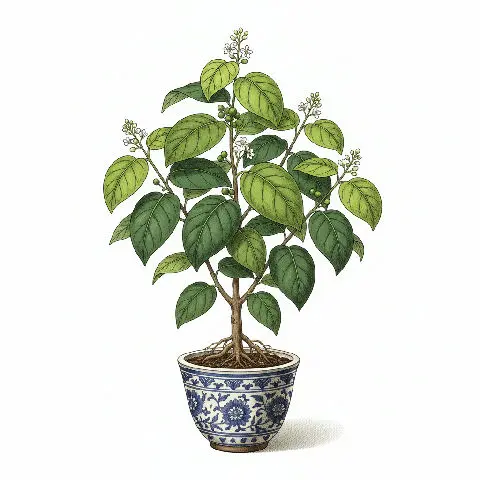
Ba Ji Tian, known scientifically as Morinda officinalis, is a highly valued perennial climbing herb within the extensive Rubiaceae family, which notably includes the coffee plant. This resilient species is indigenous to the subtropical and tropical regions of East Asia, thriving across southern China, Vietnam, and southwestern Japan.
It prefers warm, humid environments, typically found flourishing in forest undergrowth, alongside stream banks, and on shaded slopes where soils are well-drained and fertile.
Morphologically, Morinda officinalis is recognized by its robust, fleshy, and often somewhat convoluted roots, which are the primary part utilized in traditional medicine and can delve quite deeply, firmly anchoring the plant. Its stems are slender and become woody towards the base, exhibiting a climbing or sprawling habit. The leaves are simple, arranged oppositely on the stem, ovate to elliptic in shape, with smooth, entire margins and distinct venation, presenting a lustrous green color.
Small, inconspicuous pale yellow to white flowers are borne in cymose inflorescences, eventually developing into small, fleshy, red drupes, which are generally not harvested for medicinal purposes. The plant's ability to adapt to varied soil conditions, from sandy to clayey, provided they are moist and rich in organic matter, contributes to its widespread natural distribution. Its distinctive root system not only serves as a storage organ but also plays a crucial role in its traditional medicinal applications.
Trusted Scientific References
1. Authoritative external sources for Morinda officinalis
1.1 Wikipedia — Morinda officinalis
1.2 Kew POWO (Plants of the World Online)
1.3 PubMed — peer-reviewed research
1.4 NCBI Taxonomy Browser
1.5 GBIF — Global Biodiversity
1.6Ba Ji Tian should be interpreted through verified botanical identity, practical care, and responsible safety language. This recovery note adds the missing context needed for a complete profile: match light to the plant's habit, use well-drained soil, water according to season, and avoid unsupported medicinal or edible claims. For publishing, the plant can be presented as a source-backed medicinal plant with clear care guidance, common problem diagnosis, and conservative safety wording.
1.1.Ba Ji Tian — Distinguishing Points
- ✓Esteemed perennial climbing — Esteemed perennial climbing herb in Rubiaceae family.
- ✓Native to East — Native to East Asia, thriving in warm, humid forest undergrowth.
- ✓Fleshy, cylindrical roots — Fleshy, cylindrical roots are the primary medicinal part.
- ✓Historically documented in — Historically documented in Shennong Ben Cao Jing for over 2 millennia.
- ✓Revered in TCM for tonifying Kidney — Yang and dispelling wind-dampness.
- ✓Modern research supports antidepressant and anti — inflammatory effects.
- ✓Contains beneficial iridoids, — Contains beneficial iridoids, anthraquinones, oligosaccharides, and polysaccharides.
- ✓Potential benefits for bone density, anti — fatigue, and male fertility.
- ✓Requires careful consideration — Requires careful consideration regarding interactions with diabetes medications.
- ✓Cultivated for its — Cultivated for its medicinal roots, harvested after several years of growth.
1.2.Ba Ji Tian — Snapshot Summary
- ✓Traditional Chinese 'Kidney Tonic' for vitality.
- ✓Supports bone health and combats fatigue.
- ✓Exhibits antidepressant and anti-inflammatory properties.
- ✓Known for its deep, fleshy medicinal roots.
- ✓Caution advised for diabetes, pregnancy, and surgery.
- ✓Active compounds include iridoids and anthraquinones.
2.Ba Ji Tian — Botanical Identity
3.Ba Ji Tian — Key Data
4.Ba Ji Tian — Botanical Features
5.Ba Ji Tian — Native Range & Habitat
6.Ba Ji Tian — Heritage Uses
7.Ba Ji Tian — Phytochemistry
- ✓Anthraquinones — Key compounds include Morindone, Morindin, and Damnacanthal, known for their potential laxative, anti-inflammatory, and antimicrobial actions, often contributing to the plant's color.
- ✓Iridoid Glycosides — Such as Monotropein and Deacetyl asperulosidic acid, which are primarily responsible for anti-inflammatory, analgesic, and neuroprotective activities.
- ✓Oligosaccharides — Specific oligosaccharides isolated from Ba Ji Tian have shown significant antidepressant and neuroprotective effects, influencing brain chemical balance.
- ✓Polysaccharides — These macromolecules contribute to the plant's anti-fatigue, immune-modulating, and anti-osteoporotic properties, supporting bone health and endurance.
- ✓Flavonoids — Including Rutin, these compounds provide antioxidant benefits, protecting cells from oxidative stress and supporting cardiovascular health.
- ✓Sterols — Such as Beta-sitosterol, which contribute to the plant's anti-inflammatory and cholesterol-lowering potential.
- ✓Organic Acids — Various organic acids are present, contributing to the overall metabolic activity and potential therapeutic effects of the plant.
- ✓Volatile Compounds — Benzaldehyde derivatives have been identified, particularly for their anti-mite properties, indicating a broader spectrum of biological activity.
- ✓Amino Acids — Essential and non-essential amino acids are present, supporting general nutritional value and contributing to protein synthesis and metabolic functions.
- ✓Lignans — These compounds may exhibit antioxidant and anti-inflammatory properties, further enhancing the therapeutic profile of Morinda officinalis.
8.Ba Ji Tian — Scientific Evidence
- ✓Kidney-Yang Tonification — In Traditional Chinese Medicine (TCM), Ba Ji Tian is revered for its ability to warm and tonify Kidney-Yang, addressing symptoms such as impotence, premature ejaculation, coldness in the extremities, and frequent urination.
- ✓Antidepressant Effects — Research suggests that oligosaccharides extracted from Morinda officinalis may help alleviate symptoms of depression by influencing neurotransmitter systems, specifically by increasing serotonin effects in the brain.
- ✓Anti-inflammatory Properties — Compounds found in Ba Ji Tian, such as iridoids, have demonstrated the capacity to reduce inflammation and associated pain, potentially benefiting conditions like arthritis and general body aches.
- ✓Bone Health Support — Studies indicate that Ba Ji Tian possesses anti-osteoporotic activity, helping to prevent bone loss and promote bone density, which is particularly relevant in postmenopausal osteoporosis.
- ✓Anti-fatigue Activity — Polysaccharides from Morinda officinalis have been shown to enhance physical endurance and reduce fatigue, supporting overall vitality and energy levels.
- ✓Antioxidant Activity — Ba Ji Tian contains various compounds that exhibit antioxidant properties, helping to neutralize free radicals and protect cells from oxidative damage, contributing to anti-aging effects.
- ✓Cognitive Enhancement — Some clinical research involving combination products suggests Ba Ji Tian may improve cognitive function, particularly in conditions associated with cognitive impairment, by regulating neuronal pathways.
- ✓Male Fertility Support — Traditional uses and some animal studies suggest Ba Ji Tian may improve sperm quality and motility, offering potential benefits for male reproductive health challenges.
- ✓Dermatitis Protection — Extracts of Morinda officinalis have shown protective effects against conditions like atopic dermatitis by modulating immune responses and inflammatory pathways in the skin.
- ✓Joint Health and Pain Relief — Monotropein, a key compound, has demonstrated antinociceptive and anti-inflammatory effects, making Ba Ji Tian beneficial for managing joint pain and discomfort, including in osteoarthritis.
- ✓Blood Sugar Regulation — While requiring caution, some studies indicate Ba Ji Tian might influence blood sugar levels, potentially offering a dual effect of regulation, though close monitoring is essential, especially for diabetics.
- ✓Immune System Modulation — The plant's various constituents are thought to support and balance immune responses, contributing to overall physiological resilience.
8.1.Ba Ji Tian — Conditions Traditionally Used For
9.Ba Ji Tian — Safety & Side Effects
9.1.Ba Ji Tian — Side Effects & Warnings
- ✓Insufficient Data — There is limited reliable information on the safety of Ba Ji Tian, particularly for long-term use, meaning potential side effects are not fully documented.
- ✓Blood Sugar Fluctuations — May affect blood sugar levels, potentially causing either an increase or decrease, which is a concern for individuals with diabetes.
- ✓Worsening Dysuria — Traditional beliefs suggest it could stimulate the kidneys, potentially exacerbating symptoms of painful urination (dysuria).
- ✓Gastrointestinal Discomfort — Some individuals might experience mild digestive upset, such as nausea or stomach discomfort, although this is not widely reported.
- ✓Allergic Reactions — As with any botanical, there is a remote possibility of allergic reactions in sensitive individuals, manifesting as skin rash or itching.
- ✓Interaction with Diabetes Medications — Can interfere with the efficacy of antidiabetes drugs, necessitating close monitoring of blood sugar and potential dosage adjustments.
- ✓Hormonal Imbalance — Due to its traditional use as a 'kidney tonic' and its potential impact on hormone regulation, it might theoretically affect sensitive hormonal balances.
9.2.Ba Ji Tian — Risk Assessment
- ✓Pregnancy and Breastfeeding — Avoid use during pregnancy and breastfeeding due to insufficient reliable safety information and potential hormonal effects.
- ✓Diabetes — Contraindicated or to be used with extreme caution by individuals with diabetes, as it may interfere with blood sugar control and antidiabetes medications.
- ✓Scheduled Surgery — Discontinue use at least two weeks prior to any scheduled surgical procedure, owing to its potential impact on blood sugar levels.
- ✓Painful Urination (Dysuria) — Individuals experiencing painful urination should use Ba Ji Tian with caution, as it is traditionally believed to stimulate kidney function, potentially worsening symptoms.
- ✓Lack of Long-Term Safety Data — The long-term safety profile of Ba Ji Tian remains largely unestablished, advising against prolonged, unsupervised use.
- ✓Consult a Healthcare Professional — Always consult a qualified healthcare provider before using Ba Ji Tian, especially if you have pre-existing medical conditions or are taking other medications.
- ✓Dosage Adherence — Adhere strictly to recommended dosages and avoid exceeding them, as the safety of higher doses is unknown.
10.Ba Ji Tian — Preparation Methods
- ✓Traditional Decoction — The dried roots of Ba Ji Tian are commonly prepared as a decoction by simmering with water for an extended period, then strained and consumed as a tea.
- ✓Herbal Wine Infusion — Ba Ji Tian roots are frequently infused in alcoholic beverages, such as rice wine, to create a medicinal tonic, often consumed in small doses for vitality.
- ✓Powdered Form — Dried roots can be ground into a fine powder and encapsulated or mixed with liquids, offering a convenient method for consistent dosing.
- ✓Standardized Extracts — Modern preparations include standardized extracts, available as capsules or tinctures, ensuring a consistent concentration of active compounds.
- ✓Culinary Use — In some regions, Ba Ji Tian is stir-fried or added to soups and stews, especially in health-promoting dishes, integrating it into the diet.
- ✓Topical Application — While less common for the roots, concentrated extracts could potentially be incorporated into liniments or poultices for localized pain or inflammation, though internal use is primary.
- ✓Combination Formulas — Ba Ji Tian is often combined with other herbs in Traditional Chinese Medicine formulas to enhance its therapeutic effects and address specific imbalances.
- ✓Dosages — For general use, typical dosages of the dried root in decoction range from 6-15 grams daily, adjusted based on individual needs and practitioner advice.
11.Ba Ji Tian — How to Grow
- ✓Climate and Soil — Prefers warm, humid, subtropical to tropical climates with well-drained, fertile, sandy-loam or clay-loam soils rich in organic matter.
- ✓Propagation — Primarily propagated from seeds, which can be slow to germinate, or more commonly through root cuttings or divisions to ensure genetic consistency and faster growth.
- ✓Planting — Young plants or root cuttings should be spaced adequately in shaded or semi-shaded locations, mimicking its natural undergrowth habitat.
- ✓Watering — Requires consistent moisture, especially during dry periods, but avoids waterlogging to prevent root rot; regular watering is crucial for root development.
- ✓Fertilization — Benefits from organic fertilizers or well-rotted compost applied annually to enrich the soil and support robust root growth.
- ✓Pest and Disease Management — Generally resilient, but monitor for common root pests and fungal diseases, ensuring good air circulation and proper drainage.
- ✓Harvesting — Roots are typically harvested in the autumn or winter after several years of growth (usually 3-5 years) when they are mature and therapeutically potent.
- ✓Post-harvest Processing — Harvested roots are cleaned, sliced, and dried, often by sun-drying or in controlled drying facilities, before further medicinal preparation.
Reviewed by the Flora Medical Global Botanical Review Panel
Multi-disciplinary editorial group · Botany · Ethnobotany · Herbal-medicine literature
Who reviewed this: This page was checked by the Flora Medical Global Botanical Review Panel — an in-house editorial group of botany graduates, ethnobotany researchers, and horticulture practitioners who collectively maintain our 7,000+ plant encyclopedia. Meet the team.
Our 4-step verification process
1. Taxonomic verification
Scientific names and synonyms cross-checked against Kew POWO, World Flora Online, and The Plant List.
2. Phytochemical & medicinal cross-reference
Active compounds, traditional uses, and reported activities are cross-referenced with PubMed, USDA Dr. Duke's database, and peer-reviewed ethnobotanical literature.
3. Conservation & distribution check
Distribution, ecology, and conservation status confirmed against GBIF occurrence records and the IUCN Red List.
4. Editorial & safety review
Every entry passes an editorial pass for clarity, originality, and safety notices (toxicity, contraindications, dosage caveats) before publication.
Last reviewed:
Important medical disclaimer: This content is for educational and research purposes only. It is not medical advice and is not a substitute for consultation with a licensed healthcare provider. Do not use any herb to self-treat a medical condition without professional guidance.
Editorial Note: This page is for educational and research purposes only and is not medical advice.
Written by: Flora Medical Global Editorial Team
Reviewed by: Flora Medical Global Botanical Review Panel
Last Updated: June 16, 2026





Ba Ji Tian — Comments & Community Reviews
Rate this plant