
Medical Disclaimer: This content is for educational purposes only. It is not medical advice. Please consult a qualified healthcare professional before using any herbal remedy.
Safety Overview
1.Babul — Plant Snapshot
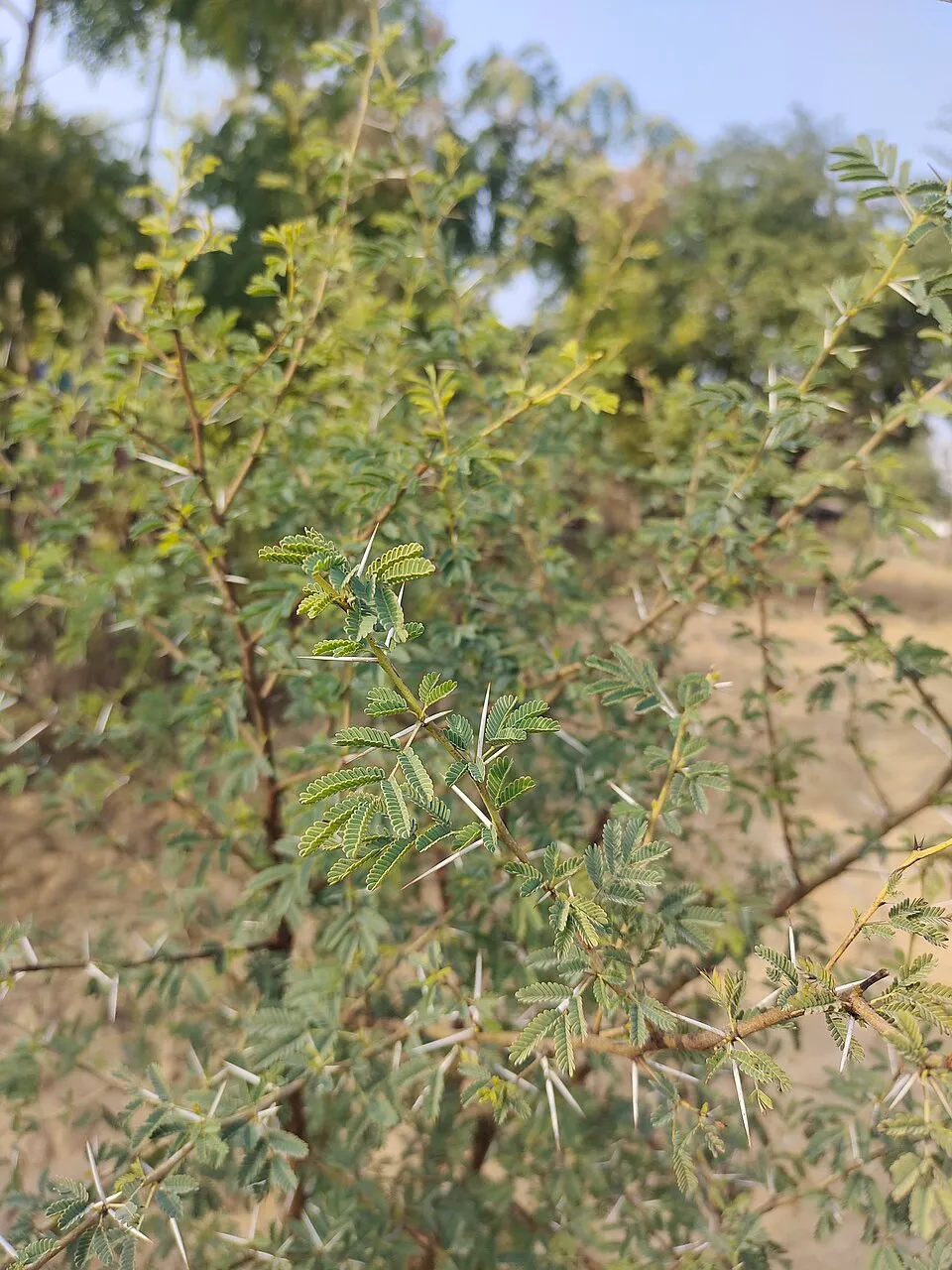
Acacia nilotica, commonly known as Babul or the Indian Gum Arabic Tree, is a highly adaptable, medium-sized evergreen tree belonging to the Fabaceae family, specifically within the Mimosoideae subfamily. This robust species is indigenous to vast swathes of Africa, the Middle East, and the Indian subcontinent, demonstrating remarkable resilience in arid and semi-arid climates. The Babul tree typically forms a dense, often flattened or umbrella-shaped crown, with its low-spreading branches providing significant shade. Its bark is distinctively dark brown to black, deeply fissured, and rugged, frequently exuding a reddish-brown, translucent gum that holds considerable economic and medicinal value.
The foliage consists of bipinnate leaves, arranged in 3-6 pairs of pinnae, each bearing 10-30 pairs of small, linear-oblong, glaucous-green leaflets, contributing to its characteristic feathery appearance. During the dry season, Acacia nilotica produces striking, fragrant, bright golden-yellow globose flower heads, blooming in clusters from the leaf axils and attracting diverse pollinators. These flowers mature into hairy, flattened pods that strikingly resemble strings of beads, each containing 8-12 ovate, dark brown seeds. The tree's extensive root system, anchored by a deep taproot, enables it to access subterranean water sources, significantly enhancing its drought resistance.
All parts of the Babul tree—bark, leaves, flowers, pods, gum, and seeds—are rich in an array of bioactive compounds, underpinning its wide spectrum of therapeutic applications. Historically, Babul has been culturally significant; its twigs are traditionally used as 'datun' for oral hygiene in India, and its gum is a traditional ingredient in confections and adhesives. Ecologically, Acacia nilotica plays a vital role in soil stabilization and nitrogen fixation, making it an essential component of agroforestry systems and a testament to its enduring utility across civilizations.
Trusted Scientific References
1. Authoritative external sources for Acacia nilotica
1.1 Wikipedia — Acacia nilotica
1.2 Kew POWO (Plants of the World Online)
1.3 PubMed — peer-reviewed research
1.4 NCBI Taxonomy Browser
1.5 GBIF — Global Biodiversity
1.1.Babul — Standout Qualities
- ✓Botanical Name — Acacia nilotica (also known as Vachellia nilotica).
- ✓Common Names — Babul, Indian Gum Arabic Tree, Thorn Mimosa.
- ✓Family — Fabaceae (Leguminosae), Mimosoideae subfamily.
- ✓Key Bioactive Compounds — Tannins, flavonoids, phenolic acids, gum polysaccharides.
- ✓Traditional Medicinal Systems — Ayurveda, Unani, Siddha, African traditional medicine.
- ✓Primary Medicinal Properties — Astringent, antimicrobial, anti-inflammatory, antioxidant.
- ✓Utilized Plant Parts — Bark, leaves, flowers, pods, gum exudate, seeds.
- ✓Habitat & Distribution — Arid and semi-arid regions of Africa, Middle East, Indian subcontinent.
- ✓Ecological Importance — Soil stabilization, nitrogen fixation, fodder source.
- ✓Distinctive Morphology — Dark fissured bark, golden-yellow globose flowers, beaded pods.
1.2.Babul — At-a-Glance Summary
- ✓Acacia nilotica, or Babul, is a versatile, drought-resistant tree native to Africa and Asia.
- ✓Rich in tannins, flavonoids, and phenolic compounds, it offers diverse medicinal benefits.
- ✓Traditionally used for oral hygiene, digestive issues like diarrhea, and various skin conditions.
- ✓Modern research supports its antimicrobial, antioxidant, anti-inflammatory, and antidiabetic potential.
- ✓All parts of the tree, including bark, leaves, gum, and pods, are utilized in herbal medicine.
- ✓Generally considered safe when used appropriately, but precautions are advised for specific groups.
2.Babul — Taxonomic Classification
3.Babul — Reference Facts
4.Babul — Morphological Account
5.Babul — Geographic Distribution
6.Babul — Ethnobotanical Uses
7.Babul — Bioactive Constituents
- ✓Tannins — Predominantly condensed tannins and gallotannins found in bark, pods, and leaves, responsible for astringent, antimicrobial, and antioxidant activities.
- ✓Flavonoids — Including quercetin, catechin, and their glycosides, present in leaves and flowers, contributing to antioxidant, anti-inflammatory, and hepatoprotective effects.
- ✓Phenolic Acids — Such as gallic acid, caffeic acid, and ferulic acid, abundant in the bark and pods, known for their antioxidant and anti-inflammatory properties.
- ✓Gums (Polysaccharides) — The gum exudate is primarily composed of complex polysaccharides, acting as a demulcent, emulsifier, and a source of dietary fiber.
- ✓Alkaloids — Various nitrogen-containing compounds, typically in lower concentrations, which may contribute to diverse pharmacological actions.
- ✓Saponins — Found in leaves and pods, these triterpenoid glycosides exhibit anti-inflammatory, expectorant, and potentially hypocholesterolemic effects.
- ✓Terpenoids — A diverse group of compounds, including monoterpenes and sesquiterpenes, contributing to the plant's aroma and potential antimicrobial properties.
- ✓Glycosides — A broad category of compounds where a sugar molecule is attached to a non-sugar component, often influencing diverse biological activities.
- ✓Fatty Acids — Present in the seeds, contributing to their nutritional value and potential for industrial applications.
- ✓Minerals — Various essential minerals are found in different parts of the plant, contributing to its overall nutritional profile.
8.Babul — Modern Studies
- ✓Oral Health Support — Babul twigs are traditionally used as 'datun' for brushing teeth, offering natural antiseptic and astringent properties that help strengthen gums, prevent cavities, and combat bad breath.
- ✓Digestive Aid — The bark and gum possess astringent and demulcent qualities, making them effective in managing diarrhea, dysentery, and soothing irritated gastrointestinal linings.
- ✓Antimicrobial Action — Extracts from various parts of the Babul tree exhibit broad-spectrum antibacterial and antifungal activities, useful against a range of pathogenic microorganisms.
- ✓Anti-inflammatory Properties — Bioactive compounds within Acacia nilotica help reduce inflammation, potentially beneficial for conditions involving swelling and pain, both internally and topically.
- ✓Wound Healing — The astringent and antiseptic nature of Babul bark and leaf extracts promotes faster healing of cuts, wounds, and skin lesions by contracting tissues and preventing infection.
- ✓Diabetes Management — Preliminary research suggests Babul may help regulate blood sugar levels due to its potential hypoglycemic effects, making it a subject of interest for adjunct diabetes care.
- ✓Skin Health — Applied topically, Babul formulations can alleviate various skin conditions such as eczema, acne, and rashes, owing to its anti-inflammatory, antiseptic, and astringent actions.
- ✓Respiratory Relief — Traditional medicine employs Babul for respiratory ailments like coughs, colds, and sore throats, where its demulcent properties can help soothe irritated mucous membranes.
- ✓Antioxidant Activity — Rich in phenolic compounds and flavonoids, Babul acts as a potent antioxidant, helping to neutralize free radicals and protect cells from oxidative damage.
- ✓Aphrodisiac Properties — In some traditional systems, certain preparations of Babul are believed to possess aphrodisiac qualities, though further scientific validation is often sought.
- ✓Anthelmintic Effects — Historically, Babul has been used to expel intestinal worms, indicating potential anthelmintic properties against various parasitic infections.
- ✓Urogenital Support — Traditional uses include addressing certain urogenital complaints, where its astringent and antimicrobial actions may offer relief.
8.1.Babul — Conditions Traditionally Used For
9.Babul — Adverse Effects
9.1.Babul — Side Effects & Warnings
- ✓Allergic Reactions — Sensitive individuals may experience allergic reactions, particularly to the gum exudate, manifesting as skin rashes or respiratory symptoms.
- ✓Gastrointestinal Upset — High doses of Babul preparations, especially bark extracts, might cause mild stomach upset, nausea, or constipation due to high tannin content.
- ✓Medication Interactions — Potential to interact with certain medications, such as antidiabetic drugs (by lowering blood sugar) or blood thinners (due to tannin effects).
- ✓Pregnancy and Lactation — Lack of sufficient safety data advises against use during pregnancy and breastfeeding without professional medical guidance.
- ✓Tannin Overload — Excessive, prolonged consumption of tannin-rich parts can interfere with nutrient absorption or cause liver toxicity in rare cases.
- ✓Dry Mouth — The astringent nature of Babul can sometimes lead to a sensation of dry mouth or throat, particularly with concentrated preparations.
9.2.Babul — Safety Profile
- ✓Generally Safe — Babul is considered safe for most people when used in traditional doses and for short to moderate durations.
- ✓Consult Healthcare Professional — Always advise consulting a doctor or qualified herbalist before starting any new herbal regimen, especially for pre-existing conditions or concurrent medications.
- ✓Patch Testing — For topical applications, perform a patch test on a small skin area to check for sensitivity or allergic reactions before widespread use.
- ✓Dosage Adherence — Adhere strictly to recommended dosages and preparation guidelines to minimize the risk of adverse effects.
- ✓Quality Sourcing — Ensure Babul products are sourced from reputable suppliers to guarantee purity and prevent contamination.
- ✓Pregnancy & Children — Avoid use in pregnant or lactating women and young children due to insufficient safety data.
- ✓Low Toxicity — Research indicates a relatively low toxicity profile for Acacia nilotica in general, supporting its traditional widespread use.
10.Babul — How to Use
- ✓Bark Decoction — Prepare by boiling dried Babul bark in water; traditionally used orally for diarrhea, dysentery, and as a gargle for sore throats and oral infections.
- ✓Leaf Paste/Poultice — Crush fresh Babul leaves to form a paste, which can be applied topically to wounds, skin irritations, eczema, and other dermatological conditions for its antiseptic and anti-inflammatory effects.
- ✓Gum Resin Ingestion — The gum exudate can be dissolved in water or milk and consumed as a demulcent for soothing mucous membranes, or as a nutritional supplement.
- ✓Oral Hygiene Twigs ('Datun') — Fresh Babul twigs are chewed to clean teeth and massage gums, leveraging their natural astringent and antimicrobial properties for dental care.
- ✓Powdered Bark/Leaves — Dried bark or leaves are ground into a fine powder, which can be mixed with water for internal consumption or applied externally as a dusting powder for wounds.
- ✓Infused Oil — Babul bark or leaves can be infused into carrier oils for topical application as a massage oil for muscular pain or for skin treatment.
- ✓Herbal Teas — Dried Babul leaves or small pieces of bark can be steeped in hot water to make a medicinal tea, particularly for digestive or respiratory complaints.
- ✓Mouthwash — A dilute solution of Babul bark extract or powdered gum can be used as a natural mouthwash to alleviate gingivitis and maintain oral hygiene.
11.Babul — Propagation & Care
- ✓Seed Propagation — Babul is primarily propagated from seeds, which benefit from scarification or hot water treatment to break dormancy and improve germination rates.
- ✓Soil Requirements — Thrives in a wide range of soils, from sandy to clayey, but prefers well-drained, deep, and slightly alkaline soils; it is tolerant of poor and saline conditions.
- ✓Climate and Sunlight — Requires warm, tropical to subtropical climates with abundant sunlight; it is highly drought-tolerant and adapted to arid and semi-arid regions.
- ✓Watering — Young plants need regular watering during establishment, but mature trees are highly drought-resistant and require minimal supplemental irrigation.
- ✓Spacing — Plant seedlings at appropriate distances, typically 4-6 meters apart, to allow for canopy development and prevent overcrowding.
- ✓Maintenance — Requires minimal care once established; occasional pruning can help shape the tree and remove dead branches.
- ✓Pest and Disease Resistance — Generally robust, Babul exhibits good resistance to most common pests and diseases, contributing to its suitability for agroforestry.
- ✓Harvest — Gum is collected by making incisions in the bark, while leaves, bark, and pods are harvested as needed, often during specific seasons for optimal constituent content.
Reviewed by the Flora Medical Global Botanical Review Panel
Multi-disciplinary editorial group · Botany · Ethnobotany · Herbal-medicine literature
Who reviewed this: This page was checked by the Flora Medical Global Botanical Review Panel — an in-house editorial group of botany graduates, ethnobotany researchers, and horticulture practitioners who collectively maintain our 7,000+ plant encyclopedia. Meet the team.
Our 4-step verification process
1. Taxonomic verification
Scientific names and synonyms cross-checked against Kew POWO, World Flora Online, and The Plant List.
2. Phytochemical & medicinal cross-reference
Active compounds, traditional uses, and reported activities are cross-referenced with PubMed, USDA Dr. Duke's database, and peer-reviewed ethnobotanical literature.
3. Conservation & distribution check
Distribution, ecology, and conservation status confirmed against GBIF occurrence records and the IUCN Red List.
4. Editorial & safety review
Every entry passes an editorial pass for clarity, originality, and safety notices (toxicity, contraindications, dosage caveats) before publication.
Last reviewed:
Important medical disclaimer: This content is for educational and research purposes only. It is not medical advice and is not a substitute for consultation with a licensed healthcare provider. Do not use any herb to self-treat a medical condition without professional guidance.
Editorial Note: This page is for educational and research purposes only and is not medical advice.
Written by: Flora Medical Global Editorial Team
Reviewed by: Flora Medical Global Botanical Review Panel
Last Updated: June 16, 2026





Babul — Comments & Community Reviews
Rate this plant